The Global Tapioca Market Landscape (Cassava Starch and Tapioca Flour)
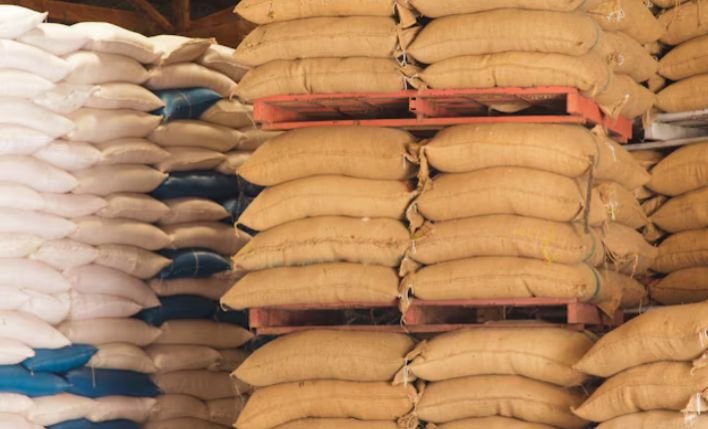
The global tapioca market landscape reveals rising demand for cassava starch and flour. See how you can tap into growth today.
Cassava – manihot esculenta and its value chain
Cassava Processing & Products is a structured collection of posts focused on how cassava is transformed from raw roots into usable food, industrial materials, and value-added products. See cassava processing.
This category brings together detailed articles that explore each stage of processing and the wide range of outputs derived from cassava.
It includes posts on traditional and modern processing methods such as peeling, grating, fermenting, drying, and milling.
You will also find content covering major cassava products like garri, cassava flour, fufu, starch and tapioca, explaining how each one is produced and commonly used.
Beyond cassava food products, this hub also features articles on industrial applications of cassava, including bioethanol production, adhesives, and other starch-based materials that support manufacturing and economic use of the crop.
Each post focuses on a specific process or product (see numerous cassava products), making it easy to understand cassava transformation step by step rather than as a single broad explanation.
This category works as a curated knowledge base where readers can explore individual topics based on interest or need.
Cassava Processing & Products serves as a practical reference point within the wider cassava content structure, connecting raw agricultural production to finished goods and highlighting the versatility and economic importance of cassava in everyday life and industry.
The global tapioca market landscape reveals rising demand for cassava starch and flour. See how you can tap into growth today.
Cassava grits can transform ordinary meals into creamy, comforting dishes that delight your taste buds with every spoonful.
Culinary applications of cassava flour continue to shape modern cooking, offering gluten-free solutions, reliable texture, and consistent results across diverse recipes.
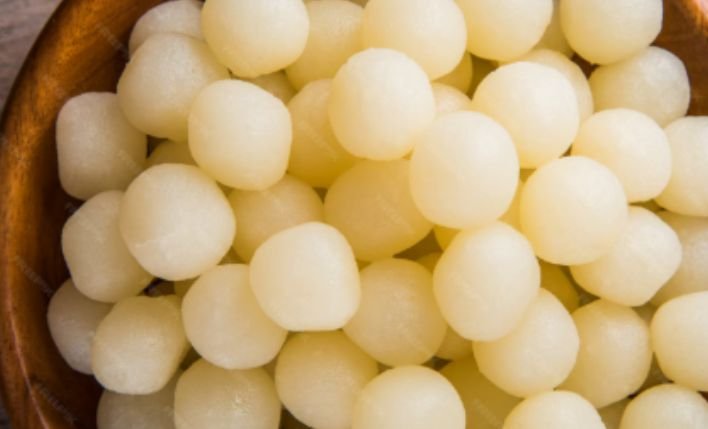
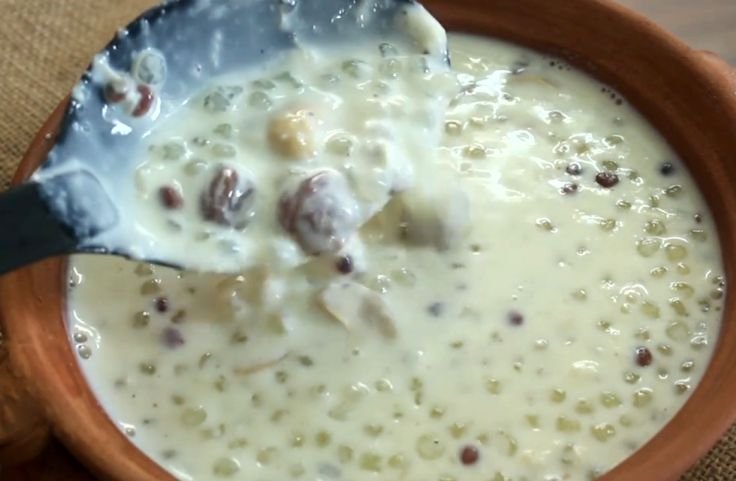
Culinary uses of tapioca transform simple recipes into smooth, creamy, and delicious dishes, making your cooking flexible, satisfying, and naturally gluten-free.
One ingredient, three names, and a reach most people never notice. Tapioca thickens your pie, gives bubble tea its chew, and quietly powers pharmaceutical tablets and cardboard glue. Few people realize all three trace back to one humble tropical root.
Learn how to know that manoc flour has gone bad by spotting signs like off smells, clumps, or unusual discoloration.
Learn how to store and preserve cassava flour so it stays fresh, clump-free, and ready for baking, cooking, and everyday kitchen use.
A starch that feeds over a billion people and still gets misunderstood in every grocery aisle. Cassava starch offers real health benefits like digestive and dietary advantages, but it carries real limits too, and knowing both sides matters more than a marketing claim ever will.
In my small-scale flour operation in Abia, Nigeria, I mill cassava root the same way industrial plants do, yet almost every blog article online quotes a wildly different glycemic index for the same flour, and the real research explains why.
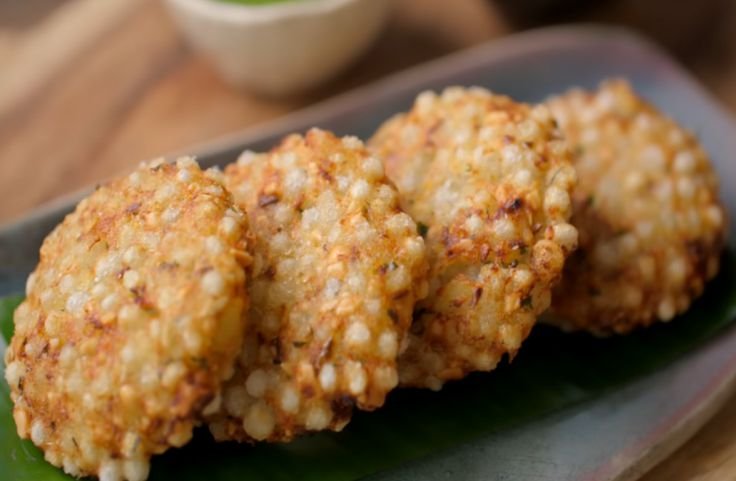
I have never shaped a thalipeeth in my own kitchen, but I process the exact starch these pearls come from. Here is the full recipe, explained with real knowledge of how the starch actually behaves.