Last updated on July 30th, 2026 at 04:03 pm
Cassava root looks like a rough, unremarkable brown tuber, yet beneath that skin sits one of the most important food crops on Earth, feeding hundreds of millions daily and quietly powering flour, starch, and biofuel industries across the globe.
Cassava root is one of the world’s most important food crops, feeding more people per hectare than almost any other staple, according to FAOSTAT production data.
Grown across more than 80 tropical countries, it anchors diets, industries, and rural economies at once.
This guide covers what the root is, its anatomy, its nutrition and benefits, the risks of eating it raw, how it is processed and used, where it is grown, and how to choose, store, and compare it against other root crops.
If you are new to cassava, here is a better place to start.
Table of Contents
What Is Cassava Root?
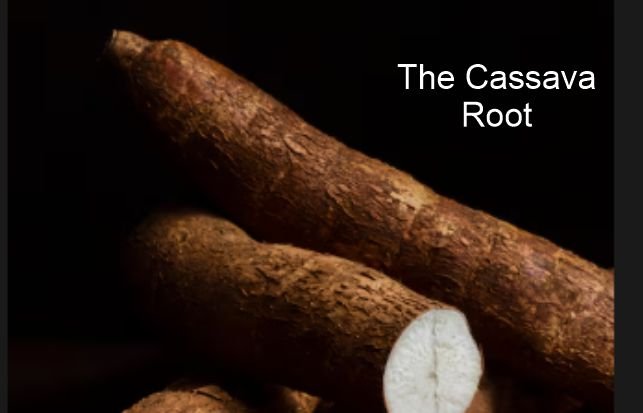
Cassava root is the starchy storage tuber of Manihot esculenta, a shrub native to South America and now grown throughout the tropics.
Scientifically, it belongs to the spurge family, Euphorbiaceae.
Around the world, it goes by several names: yuca in Latin America, manioc in French-speaking regions, mandioca in Brazil, and cassava across Africa and Asia.
Tapioca is a common misconception, since that term refers to the starch extracted from the root, not the root itself, a distinction covered in our cassava root vs yuca vs yucca post.
Anatomy of the Cassava Root
The storage root is the edible cassava root, built from five layers: periderm, cortex, parenchyma, vascular bundles, and a central core.
Our dedicated anatomy of the cassava root guide breaks each layer down in detail, while our cassava stem anatomy and care post covers the planting material, and our cassava leaves guide covers the edible foliage.
Types of Cassava Root
Cassava varieties are split into two broad groups: sweet cassava, which is lower in cyanogenic compounds and easier to prepare, and bitter cassava, which carries more cyanide and needs heavier processing but often yields more starch.
Root flesh can be white or yellow depending on variety and carotenoid content.
Improved varieties such as TMS 419 and TME 419, bred for faster bulking and disease resistance, now sit alongside older local landraces on many farms.
See our full breakdown of cassava varieties and bitter vs sweet cassava and uses.
Physical Characteristics of Cassava Root
A mature root typically runs 15 to 100 centimeters long and weighs half a kilogram to 2.5 kilograms, tapered at one end and connected to the stem by a short woody neck, according to the FAO Cassava Post-Harvest Compendium.
The skin is rough and brown, the flesh white or pale yellow, and the texture firm and starchy, similar to a potato but denser.
Raw cassava has almost no flavor of its own, which is why it takes on the taste of whatever it is cooked with.
Full structural detail lives in our cassava root anatomy guide.
Cassava Root Nutrition
Cassava root is primarily a carbohydrate food. Moisture runs 60 to 65 percent of fresh weight, and carbohydrate content runs 20 to 31 percent, mostly starch, according to an FAO overview of cassava in Sub-Saharan Africa.
Protein and fat both stay under 2 percent. It carries modest amounts of vitamin C, thiamine, and potassium, and a meaningful share of resistant starch.
Full figures are in our cassava nutritional information guide.
Health Benefits of Cassava Root
Cassava root is a dense, reliable energy source and is naturally gluten-free, making it a safe carbohydrate base for people avoiding wheat entirely.
Its resistant starch supports digestive health and may help feed a healthier gut microbiome, a link covered further in our post on resistant starch in cassava vs potato.
Yellow-fleshed varieties carry carotenoid antioxidants that white varieties lack, adding a nutritional edge beyond plain starch.
Cassava also delivers modest amounts of vitamin C and potassium, useful in diets built around staple carbohydrates.
See our full cassava root benefits post for the complete picture.
For the broader research, see our health benefits of cassava guide.
Potential Risks of Eating Cassava Root
Raw cassava root contains cyanogenic glycosides that release cyanide during digestion, and it should never be eaten unprocessed.
Bitter varieties carry higher concentrations than sweet varieties, though both require proper preparation before eating.
The World Health Organization sets the safe cyanide limit in processed cassava products at 10 parts per million.
Peeling, soaking, fermenting, and cooking are the standard methods used to bring cyanide content below that threshold, and skipping any one of them raises a real risk.
For a full walkthrough of safe preparation, see our post on is cassava root safe to eat raw.
For detoxification methods specifically, see our guide on how to remove cyanide from cassava root.
How Cassava Root Is Processed
Cassava root itself has little value if unprocessed. Processing cassava gives it the value Cassava Pathway is sensitising cassava farmers for.
Most cassava farming communities we have met process fufu, garri, or abacha from the cassava root.
Processing typically runs harvesting, cleaning, peeling, grating, fermentation, pressing, drying, milling, and packaging, though the exact steps depend on the end product.
Harvested roots move to cleaning first, since soil left on the skin carries into every later stage and affects final product quality.
Peeling removes the periderm and cortex, the layers where cyanogenic compounds concentrate most heavily.
Traditional methods rely on manual peeling, grating by hand, and sun drying, a process that can take several days depending on the weather.
Industrial lines use mechanical graters, hydraulic presses, and flash dryers to cut processing time from days to hours while improving consistency batch to batch.
Full walkthroughs are in our cassava processing guide.
Culinary Uses of Cassava Root
Cassava root can be boiled, fried, roasted, mashed, or sliced into chips, and it works in soups and stews much as a potato would.
It anchors traditional African dishes, where boiled or pounded cassava forms the base for fufu and countless side dishes.
In Latin American kitchens, it appears as boiled or fried yuca, often served with garlic sauce or alongside grilled meats.
Asian recipes use cassava in forms ranging from savory sides to sweet tapioca desserts, especially across Southeast Asia.
Its neutral flavor takes on whatever seasoning or sauce it is paired with, which explains its reach across so many unrelated cuisines.
Full recipe guidance is in our how to cook cassava root guide.
For more dishes, see our cassava-based foods and recipes post.
Products Made from Cassava Root
The parenchyma of the root becomes a wide range of finished products, starting with cassava flour and cassava starch used across home cooking and commercial baking.
Tapioca starch, extracted through a separate wet process, forms the base for tapioca pearls used in desserts and bubble tea.
Fermented staples like garri and fufu remain the most widely consumed forms across West Africa, each carrying its own texture and shelf life.
High-quality cassava flour, or HQCF, meets the finer specifications commercial bakeries require, while dried chips and pellets supply feed mills and export markets.
Nearly every product traces back to the same starchy root, just processed differently for its final use.
See our full guide on cassava products.
Industrial Applications of Cassava Root
Beyond food, cassava starch serves the paper, textile, pharmaceutical, adhesive, bioplastic, and cosmetics industries, valued for its neutral properties and renewable supply.
The root itself is processed into ethanol for fuel blending, animal feed for livestock operations, and fermentable sugars for the brewing industry.
Paper mills use cassava starch as a coating and binding agent, while textile producers rely on it for sizing yarn before weaving.
Pharmaceutical manufacturers use purified cassava starch as a tablet binder and disintegrant.
Its low cost and renewable supply make it attractive across manufacturing sectors looking to replace petroleum-based inputs with plant-derived alternatives.
Full detail sits in our guide on industrial applications of cassava.
Cassava Root in the Cassava Value Chain
Cassava root sits at the center of a value chain that stretches from smallholder farms to global commodity markets and back.
Farmers grow and harvest the root, processors turn it into flour, starch, garri, and fufu, and traders move finished products into food, feed, and industrial supply chains.
Quality set at harvest carries through every later stage of the chain.
Each stage adds value, from raw root sold at the farm gate to packaged flour sold in a supermarket overseas.
Nigeria’s smallholder farmers like us anchor this chain, supplying local markets, export-oriented processors, and international buyers.
Knowing where the root moves next helps us price fairly and big processors plan capacity.
Read the full breakdown of the cassava value chain.
Major Cassava-Producing Countries
Global cassava production reached roughly 341 million tonnes in 2024, with about 65 percent grown in Africa, according to FAOSTAT.
Nigeria has held the top spot for years, producing around 20 percent of world output, according to a peer-reviewed production and trade analysis.
| Rank (2024 FAOSTAT) | Country |
|---|---|
| 1 | Nigeria |
| 2 | Democratic Republic of the Congo |
| 3 | Thailand |
| 4 | Ghana |
| 5 | Brazil |
| 6 | Indonesia |
| 7–10 | Cambodia, Angola, Vietnam, Tanzania |
India grows cassava regionally but falls outside the current global top 10.
See our full top producers of cassava root and cassava root in the global market posts.
How to Select Good Cassava Root
As a cassava farmer who has been harvesting cassava for years, spotting a good cassava with just a look.
A good root breaks cleanly with even white or pale yellow flesh, while dry, stringy fibers or blue-gray streaks mean the root sat too long after harvest.
At a store, look for firm, heavy roots with no soft spots, cracks, or musty smell, and check the cut end for that same clean flesh color before buying.
How to Store Cassava Root
Fresh cassava root deteriorates quickly after harvest, typically within 48 hours, so processing or refrigeration should happen soon after buying it.
Whole roots keep for about a week at room temperature.
Peeled cassava freezes well for several months, and cooked cassava should be refrigerated and eaten within a few days.
Full shelf life detail is in our guide to storing cassava root.
Cassava Root vs Other Root Crops
Cassava differs from yam, sweet potato, potato, and taro in starch content, cyanide risk, and culinary behavior.
It is denser and starchier than potato and, unlike sweet potato or taro, must always be cooked before eating due to its cyanogenic compounds.
| Root Crop | Key Difference from Cassava |
|---|---|
| Potato | Lower starch density, no cyanide risk, see our cassava root vs potato post |
| Maca root | Different plant family, used more as a supplement, see cassava root vs maca root |
| Yam | Larger tuber, milder flavor, less industrial use |
| Sweet potato | Naturally sweet, no processing required before eating |
| Taro | Also requires cooking, but for oxalate rather than cyanide reasons |
Environmental and Economic Importance of Cassava Root
Cassava root supports food security across the tropics because it tolerates poor soil and low rainfall better than most staples, making it a climate-resilient crop for smallholder farmers.
It generates employment across farming, processing, and export chains, and open export markets continue to grow.
See our posts on environmental benefits of cassava, economic benefits of cassava.
Final Word from Cassava Pathway
Cassava root touches nearly every part of daily life across the tropics, from the food on the table to the starch in industrial products on the far side of the world.
Raw cassava root carries real risk, so proper peeling, soaking, or cooking always comes first.
Once safely prepared, it rewards you with steady energy, useful fiber, and a base for countless dishes and products.
My own farm has grown cassava root for generations, and I still learn something new most seasons.
Explore the linked guides above to go deeper into any part of the value chain.
Frequently Asked Questions
What is cassava root?
Cassava root is the starchy edible tuber of the Manihot esculenta plant, also called yuca or manioc, grown throughout tropical regions as a staple food crop worldwide today.
Is cassava root the same as yuca?
Cassava root and yuca are the same plant, Manihot esculenta, with cassava more common in Africa and Asia and yuca used across Latin America and the wider Caribbean.
Can you eat cassava root raw?
Cassava root cannot be eaten raw because it contains cyanogenic glycosides that release toxic cyanide, so it must be peeled, soaked, and cooked before it is safely eaten.
Which country produces the most cassava root?
Nigeria produces the most cassava root worldwide, accounting for roughly one-fifth of global output, followed by the Democratic Republic of the Congo and Thailand.

Chimeremeze Emeh is a tropical crop farmer and chemical engineer from Ntigha, Isiala Ngwa North LGA, Abia State, Eastern Nigeria, specializing in cassava and palm oil, with over 30 years of hands-on experience growing, harvesting, and processing cassava. He grows TMS series, TME 419, and local traditional varieties on his own farms and operates a small-scale cassava flour and starch production business through Cassava Pathway, which he founded as a CAMA-registered agribusiness in 2024. He is also the founder of Palm Oil Pathway, where he applies the same tropical farming expertise. His farms are located in Ntigha, Abia State.