
Last updated on September 23rd, 2026 at 04:51 pm
Most cooking guides treat boiling, frying, and roasting cassava as interchangeable choices based on taste alone. Research shows boiling removes up to four times more cyanogenic toxins than frying or roasting, a difference that matters far more with bitter varieties.
I cook cassava every other day by boiling, frying, and roasting, depending on what the dish needs.
What most guides leave out is that these methods are not equally effective at removing cassava’s natural toxins, but are equally good at making it taste good.
This guide covers safe preparation, five real cooking methods, and which one actually matters most when your cassava comes from a bitter variety rather than a sweet one.
For the full science behind soaking and toxin removal, our dedicated guide on cassava safety covers that in complete depth, so this post stays focused on the cooking technique itself.
Table of Contents
Preparing Cassava Root for Cooking
Fresh cassava tuber makes all the difference in taste and texture. Choose firm, unblemished roots and avoid any that feel soft or have mold spots.
Peeling and Cutting Cassava
Rinse the cassava under running water to remove dirt, then slice off both ends with a sharp knife.
Slide the knife under the thick brown skin and peel it away in sections, exposing the white flesh beneath. See how to peel a cassava root.
Cut the peeled root into six-inch sections, then split each piece lengthwise into halves or quarters for easier cooking.
Our collection of boiled cassava tuber recipes picks up from exactly this point.
Why Cyanide Removal Depends on Your Cooking Method
Cassava contains natural cyanogenic compounds that need to be reduced before eating, and the cooking method changes how effectively that happens.
Boiling and sun-drying remove up to 80 percent of these compounds, a far higher share than most people assume.
Frying, baking, and steaming remove only about 20 percent, according to research published by the International Society for Horticultural Science.
Soaking cassava before boiling works better than either step performed alone, according to research indexed on PubMed.
Roughly 90 percent of free cyanide leaves fresh cassava within 15 minutes of boiling, per FAO’s detoxification research.
No single method reliably brings high-cyanide bitter varieties down to a safe level on its own, according to Food Standards Australia New Zealand.
This guide to bitter versus sweet cassava covers how to tell which type you are actually working with.
For the full soaking and preparation process, our dedicated guide on removing cyanide from cassava root covers timing and technique in complete depth.
Five Ways to Cook Cassava Root
While many households in my community process cassava into garri and fufu, these five methods turn the same root into everyday meals just as regularly.
Read the full breakdown of traditional ways cassava is processed, which covers those fermented staples in complete depth.
Boiling Cassava
Boiling is the most common and simplest way to cook cassava root.
Place cut pieces in a large pot, cover with water, and add a pinch of salt.

Bring to a boil over medium-high heat, then simmer for 20 to 30 minutes until a fork pierces the flesh easily.
Drain and serve hot with butter, olive oil, or a dipping sauce, alongside grilled meats or stews.
Timing your harvest well affects how this turns out, and our guide on harvesting cassava tubers the right way covers that first step.
4. Steaming Cassava
Steaming preserves more of cassava’s nutrients than boiling while keeping the texture notably firmer.

Place the pieces in a steamer basket over boiling water, cover, and steam for 25 to 30 minutes until soft but still slightly firm.
A drizzle of lemon juice, fresh herbs, or coconut flakes suits steamed cassava particularly well.
Cooks across the region use this same gentle approach, and our piece on cassava tubers in Southeast Asian cuisine covers regional variations on the technique.
5. Frying Cassava
Fried cassava makes a crispy, golden treat, cut into sticks for yuca fries or into thin chips instead.
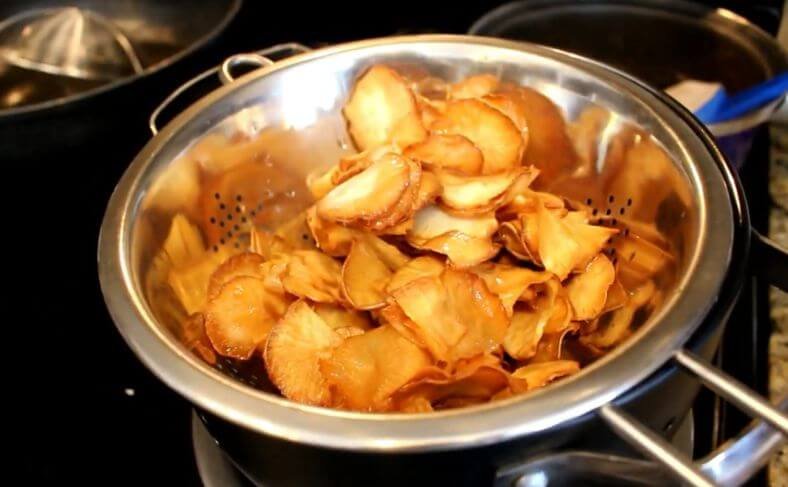
Boil the pieces for about 10 minutes first to soften, then drain and cool completely.
Heat oil to around 350°F (175°C) and fry in batches for 5 to 7 minutes until golden and crisp.
Drain on paper towels and season with salt, chili powder, or herbs.
This same frying technique shows up across the islands, too, and our guide to cassava tubers in Caribbean cuisine covers regional versions worth trying.
6. Roasting Cassava
Roasting brings out cassava’s natural sweetness while adding a slightly smoky, charred flavor overall.

Peel and cut the root into thick wedges, toss with olive oil, sea salt, and spices like smoked paprika or cumin.
Place over a grill or open flame, turning occasionally, for 20 to 25 minutes until charred and crisp outside.
For an authentic version, wrap whole roots in foil and roast them directly in hot embers.
7. Baking Cassava
Baking delivers a result closer to oven-roasted potatoes than any other method here.

Boil wedges for about 10 minutes first, drain, then toss in oil and seasoning before spreading on a baking sheet.
Bake at 400°F (200°C) for 25 to 30 minutes, flipping halfway, until golden and crisp.
Broil for the final few minutes if you want extra crunch on the outside.
8. Making Cassava Porridge or Paste
Peeling and grating fresh cassava, then squeezing out excess liquid, produces the base for a soft, creamy porridge enjoyed across several cultures.

Mix the grated cassava with water or coconut milk and cook over low heat, stirring constantly.
It thickens into a smooth, spoonable consistency within about 10 to 15 minutes total.
Sweeten with sugar or cinnamon for a breakfast dish, or keep it savory with salt and nutmeg.
Flavor Pairings and Storing Leftovers
Cassava absorbs seasoning well: garlic and ginger add savory depth, smoked paprika and cumin suit roasting, and coconut milk works well in boiled or mashed preparations.
Grilled protein, sautéed vegetables, or a tangy dipping sauce rounds out most cassava dishes.
If you have leftovers, our dedicated guide on storing cassava root fresh versus frozen covers refrigeration and freezing in full detail.
The most common cooking mistake is undercooking, which leaves cassava tough and still carrying toxins.
Skipping full peel and core removal is the other, since it leaves a bitter taste behind.
Conclusion
Cooking cassava well comes down to matching method to purpose: boiling when toxin removal matters most, frying or roasting when texture and flavor take priority on an already-safe sweet variety.
I still boil first before frying or baking in my own kitchen, a habit backed by real detoxification data rather than tradition alone.
Whichever method you choose, start with a properly peeled, soaked root and never skip the initial boil on a bitter variety.
Try one new method from this guide this week, and taste the difference cooking technique actually makes.
Frequently Asked Questions
Which cooking method removes the most cyanide from cassava?
Boiling removes up to 80 percent of cassava’s cyanogenic compounds, far more than frying, baking, or steaming, which each remove only about 20 percent.
What’s the best way to cook cassava for a soft texture?
Boiling gives the softest texture. Simmer cassava in salted water for 20 to 30 minutes until tender, then drain and serve.
How do I make cassava crispy?
Frying or baking both work well. Boil the pieces first, drain well, then fry in hot oil or bake at 400°F until golden brown.
Does soaking cassava before boiling make a real difference?
Yes, soaking cassava before boiling removes more cyanide than either step performed alone, based on published cassava detoxification research

Chimeremeze Emeh is a tropical crop farmer and chemical engineer from Ntigha, Isiala Ngwa North LGA, Abia State, Eastern Nigeria, specializing in cassava and palm oil, with over 30 years of hands-on experience growing, harvesting, and processing cassava. He grows TMS series, TME 419, and local traditional varieties on his own farms and operates a small-scale cassava flour and starch production business through Cassava Pathway, which he founded as a CAMA-registered agribusiness in 2024. He is also the founder of Palm Oil Pathway, where he applies the same tropical farming expertise. His farms are located in Ntigha, Abia State.