Last updated on September 23rd, 2026 at 03:38 pm
Cassava root in Southeast Asian cooking is indispensable, showing up in village kitchens, busy markets, and festival tables across the region. Praised for its availability, it is used in savory dishes, desserts, and snacks and plays a role in regional cuisines and cultural traditions.
From breakfast snacks to celebration desserts, cassava holds an integral place in the region’s culinary culture.
Boiled, steamed, fried, grated, or fermented, the cassava root is a key component in traditional recipes across Indonesia, Thailand, the Philippines, and Vietnam.
Known for its rich carbohydrate content, cassava provides nourishment and connects communities to their cultural heritage.
This article discusses the many ways cassava root is used in Southeast Asian cooking and its cultural importance. Our companion piece on cassava in Caribbean cuisine follows the same root across the Atlantic to a very different set of kitchens.
Table of Contents
Cassava in Southeast Asian Cuisine
Cassava and its food derivatives play a chief role in Southeast Asian culinary traditions.
Found in Indonesia, Thailand, the Philippines, and Vietnam, cassava is enjoyed as flour, chips, snacks, and desserts.
It remains a basic food for many communities across the region because it grows abundantly, even in poor soils and dry seasons.
Cassava arrived from the Americas with Portuguese and Spanish traders, a journey traced in our history of the mandioca plant.
Cassava in Indonesia: A Comforting Side Dish
In Indonesia, cassava is commonly steamed or boiled to create a soft, chewy texture that pairs well with savory sauces and grated coconut.
If you want to try it at home, our walkthrough on boiling cassava root safely covers peeling, timing, and draining.
Indonesians call the root singkong or ubi kayu, and a study in the Journal of Ethnic Foods links many Javanese dishes to steamed cassava.
Getuk is a favorite snack made by mashing boiled cassava with grated coconut, sugar or palm sugar, and a pinch of salt.
Tape singkong, a sweet and slightly alcoholic fermented cassava, is eaten plain or folded into cakes and desserts.
In rural areas, cassava serves as an important food source, particularly when rice is scarce, highlighting its value as a reliable food.
Sun-dried cassava called gaplek is pounded into tiwul, small granules that look like rice and can stand in for it at meals.
Drying like this is one of the oldest ways of processing cassava, and it keeps the harvest edible for months.
Indonesian cooks use the leaves as well, simmering them into gulai daun singkong, a coconut curry popular in Padang restaurants.
Our guide on preparing cassava leaves explains the boiling steps that make them safe to eat.
Thailand: Sweet Traditions and a Starch Powerhouse
In Thailand, cassava shines brightest on the dessert table rather than in everyday savory cooking.
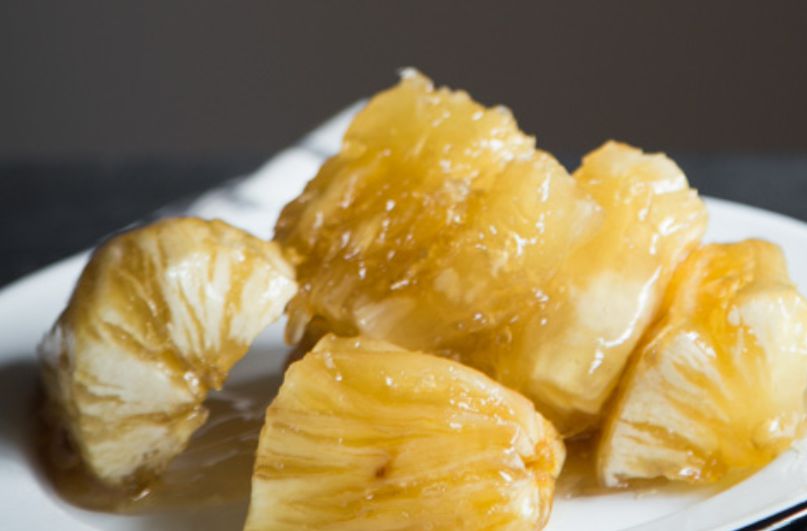
Man sampalang chueam is cassava simmered slowly in sugar syrup until translucent, then topped with lightly salted coconut cream.
Cooks also spoon the candied pieces into nam kaeng sai, a shaved ice dessert piled with fruits, jellies, and syrup.
Khanom man sampalang takes a different route, steaming grated cassava with sugar until chewy, then rolling the pieces in grated coconut.
Behind the desserts sits an industrial giant, since Thailand ranks as the world’s largest exporter of cassava products.
Most of that harvest becomes tapioca starch and dried chips, a trade our global tapioca market analysis breaks down by volume.
Philippines: A Dessert to Celebrate
The Philippines is no stranger to cassava, using it in comforting desserts like cassava cake.
This rich, moist cake is made from grated cassava, coconut milk, and sugar, and is commonly served at fiestas and family gatherings.
Filipino families slice it into squares for merienda, the mid-afternoon snack break, and for birthdays and holiday tables.
Step-by-step versions, including an egg-free option, live in our collection of cassava cake recipes.
Vietnam: Sweet Cassava Cakes
In Vietnam, cassava appears in bánh khoai mì, a sweet cake of grated cassava and coconut milk that is either baked or steamed.
Like Filipino cassava cake, it reflects the region’s habit of pairing grated cassava with coconut for sweet snacks.
Cassava Pudding: Creamy and Comforting
Coconut milk puddings and dessert soups built on cassava are enjoyed across the region, especially in Indonesia.
Indonesia’s kolak simmers cassava, banana, or sweet potato in coconut milk and palm sugar, perfumed with pandan leaves. It is a favorite dish for breaking the fast during Ramadan, served warm or chilled over ice.
It’s a sweet, indulgent treat that is both satisfying and comforting.
Cassava Chips: A Crunchy Delight
When it comes to snacks, cassava chips are a favorite, sold across Indonesia as keripik singkong.
Thinly sliced cassava is fried or baked until golden and crispy, creating a light, crunchy treat that pairs wonderfully with dips.
These chips are perfect for satisfying that midday snack craving or as a side dish to your meal.
For frying, roasting, and steaming basics, see our guide to different ways to cook cassava root.
Tapioca Pearls: A Bubble Tea Staple
Perhaps one of the most famous uses of cassava is chewy tapioca pearls, a key ingredient in bubble tea.
Bubble tea itself was born in Taiwan in the 1980s, but Thai factories supply a large share of the world’s traded tapioca starch.
Across the region, pearls also appear in older sweets, such as the sago pearls Filipino vendors spoon into warm taho each morning.
Our guide to tapioca pearls covers types and storage, and you can make boba pearls at home with just starch and water. Also read the dedicated post on bubble tea.
Cultural Importance of Cassava in Southeast Asia
Cassava is much more than a nutritional food source in Southeast Asia.
It holds a deep cultural position across various countries in the region, integrating into local traditions, celebrations, and daily life.
Its adaptability has made it a key ingredient in a wide variety of dishes, particularly those enjoyed during family gatherings and community events.
A Symbol of Unity and Tradition
During festivals and special occasions, cassava-based dishes carry meaning beyond the plate, representing cultural identity and social connection.
These dishes, from sweet treats to savory snacks, are commonly prepared for religious observances, national holidays, and family celebrations.
Kolak at the Ramadan table and cassava cake at a Filipino fiesta are two clear examples.
The act of sharing meals made with cassava builds a sense of unity, gratitude, and belonging, strengthening the bonds within families and communities.
Cassava at the Heart of Local Markets
Local markets in Southeast Asia are vibrant hubs where cassava plays an important role.
Vendors display fresh cassava alongside an assortment of cassava-based products, from getuk and chips to candied roots.
The sight of cassava in these markets highlights its value as an agricultural product and as a symbol of the region’s cultural heritage.
An FAO trade analysis found that Indonesia and Vietnam exported only a small share of their cassava, since the crop mattered so much for local food.
For many, purchasing and consuming cassava-based foods is a celebration of local traditions and identity, contributing to an economy deeply rooted in tradition.
Cassava: A Lifeline in Rural Communities
In rural areas, cassava is considered a reliable and resilient source of sustenance.
It’s a vital crop that thrives in various climates and serves as a food security measure for communities facing food shortages.
A review of 50 years of cassava breeding in Asia estimates more than 8 million farmers grow the crop on about 4.2 million hectares. The same review notes demand has shifted from food toward feed, starch, and sweeteners, which now drive many rural economies across Asia.
Beyond its role as a staple food, cassava is seen as a symbol of hope, offering a sense of stability and nourishment in times of need.
Food, Pride, and Resilience
Cassava is far more than a root vegetable in Southeast Asia; it represents sustenance, resilience, and cultural pride.
Its role in festivals, markets, and rural communities underscores its importance as a food staple and a cultural emblem, helping to weave a deeper sense of unity and continuity throughout the region.
Conclusion
Cassava plays a central role in the culinary and cultural landscape of Southeast Asia.
From savory dishes to sweet desserts, its availability makes it an indispensable crop across Indonesia, Thailand, the Philippines, and Vietnam.
Beyond its nutritional value, cassava is a symbol of unity, tradition, and resilience, deeply integrated into family gatherings, festivals, and local markets.
As a comforting side dish, a celebratory dessert, or a vital food source, cassava continues to nourish and connect communities.
Pick one dish from this list, perhaps getuk or candied cassava, and try it in your own kitchen this week.

Chimeremeze Emeh is a tropical crop farmer and chemical engineer from Ntigha, Isiala Ngwa North LGA, Abia State, Eastern Nigeria, specializing in cassava and palm oil, with over 30 years of hands-on experience growing, harvesting, and processing cassava. He grows TMS series, TME 419, and local traditional varieties on his own farms and operates a small-scale cassava flour and starch production business through Cassava Pathway, which he founded as a CAMA-registered agribusiness in 2024. He is also the founder of Palm Oil Pathway, where he applies the same tropical farming expertise. His farms are located in Ntigha, Abia State.