Cassava Processing: A Complete Guide to Methods, Challenges and Innovations

Cassava processing transforms fresh cassava roots into food, flour, starch, ethanol, animal feed, and industrial products. From traditional garri production to automated processing systems, this guide explains the methods, equipment, safety practices, processing challenges, business opportunities, and innovations that are shaping the cassava industry globally.

Cassava processing plays a major role in transforming raw cassava roots into safe, marketable, and long-lasting products used in homes and industries worldwide.

Because fresh cassava deteriorates quickly after harvest and contains natural toxic compounds, proper processing is necessary for food safety, storage, transportation, and value addition.

Today, cassava processing supports food production, livestock feed manufacturing, starch industries, ethanol production, and export markets across Africa and other tropical regions.

This complete guide covers traditional and modern cassava processing methods, equipment, challenges, waste management, safety standards, and innovations improving efficiency, profitability, and sustainability in the cassava industry.

What is Cassava Processing?

Cassava processing is the industrial and traditional conversion of fresh cassava roots into stable, safe, and value-added products.

It includes harvesting, peeling, grating, pressing, fermentation, drying, milling, and extrusion to produce flour, starch, chips, garri, ethanol, and animal feed while removing toxic cyanogenic compounds.

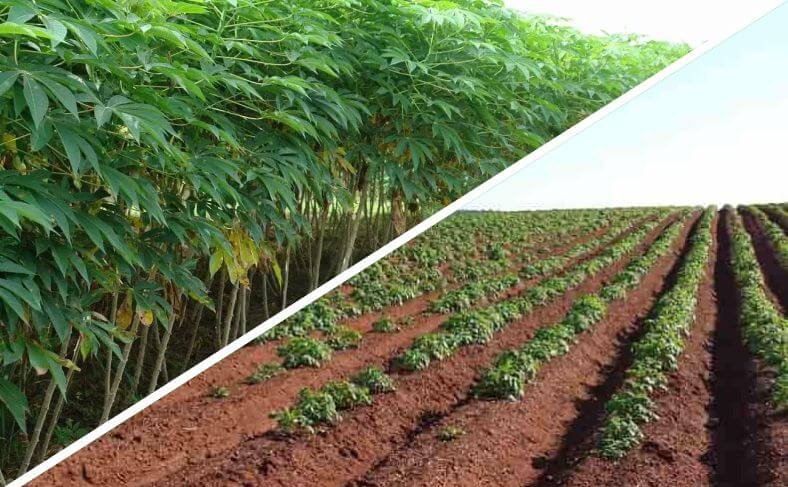
How Cassava Variety Affects Processing

Your choice of cassava variety directly shapes your processing results, yields, safety, and final product quality.

Pick the right one and your operations run smoother with less waste and better returns.

  • High-Starch Cassava Varieties: High-starch varieties produce greater starch yield, drier outputs, and suit ethanol and industrial flour production systems.
  • Low-Cyanide Cassava Varieties: Low-cyanide varieties reduce detoxification needs, shorten processing time, and meet food safety standards more efficiently.
  • Varieties Suitable for Flour Production: Flour-suitable varieties produce firm roots that grate easily and dry into fine, consistent, high-quality white flour.
  • Varieties Suitable for Starch Extraction: Starch-extraction varieties contain large granules that separate easily, improving recovery rates and starch purity.
  • Industrial vs Food-Grade Cassava Varieties: Industrial varieties support bulk processing and durability, while food-grade types ensure smooth texture and better consumer acceptability.

See: Cassava Varieties for Different Processing Needs

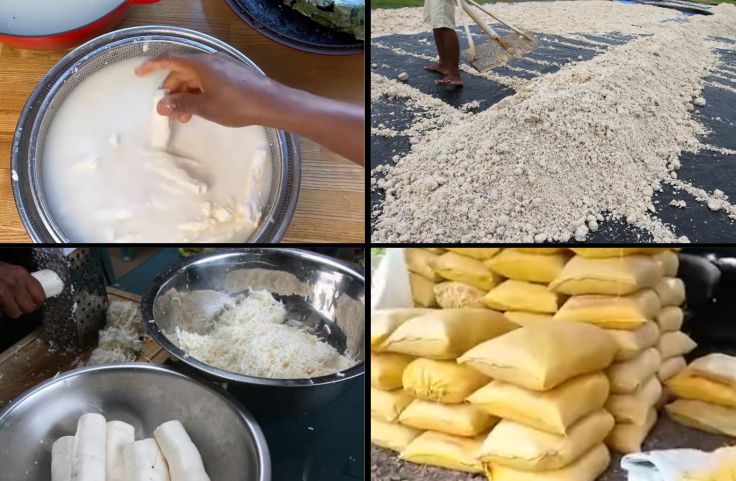
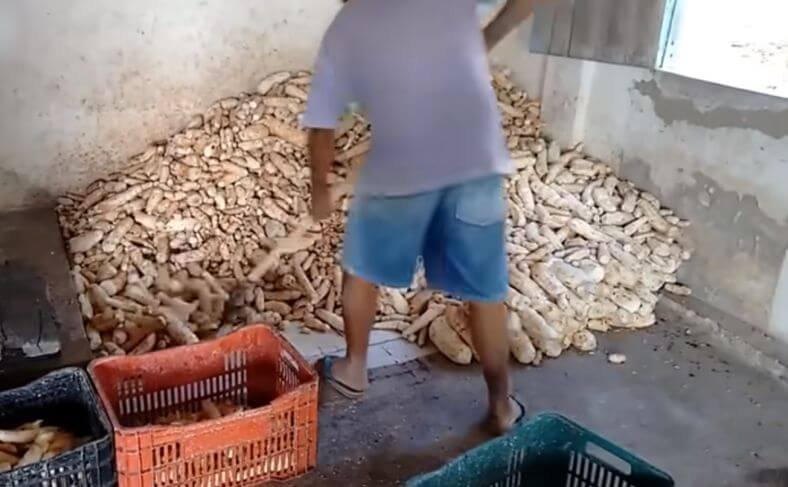
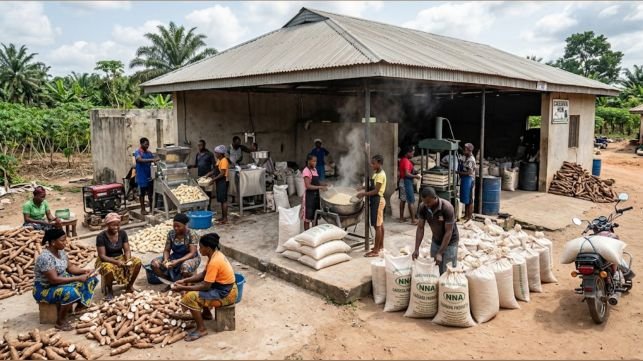
Different stages of cassava processing

Importance of Cassava Processing

There are many reasons cassava must be processed before usage. Let’s break them down:

Why Cassava Must Be Processed

  • Removal of Toxic Cyanogenic Compounds: Peeling, fermentation, drying, and grating remove cyanide, making cassava products safe for daily consumption.
  • Extending Shelf Life: Processing prevents rapid spoilage, helping cassava products remain usable for several months after harvest.
  • Improving Taste and Texture: Processing removes bitterness while improving texture, flavor, crispiness, smoothness, and overall consumer satisfaction levels.
  • Making Cassava Easier to Transport and Market: Processed cassava weighs less, stores better, transports more easily, and attracts buyers across distant markets.

Economic Importance of Cassava Processing

  • Job Creation: Cassava processing creates employment opportunities through peeling, milling, drying, packaging, transportation, and product distribution activities.
  • Rural Industrialization: Processing facilities introduce machinery, electricity, technical skills, and business opportunities into rural farming communities nationwide.
  • Export Opportunities: Processed cassava products meet export standards, helping businesses access international buyers and foreign exchange markets.
  • Value Addition and Income Generation: Converting cassava into flour, starch, ethanol, and feed increases profits significantly for farmers and processors.

Role of Cassava Processing in Food Security

  • Stable Food Supply: Processed cassava products remain available year-round, ensuring stable food supply during seasonal shortages everywhere.
  • Affordable Calorie Source: Cassava flour and garri provide affordable calories, helping millions access cheap daily energy requirements consistently.
  • Processing During Surplus Seasons: Excess cassava harvests become storable products, reducing waste and maintaining food availability during shortages.
  • Long-Term Storage Benefits: Properly stored cassava flour and chips resist pests, moisture, spoilage, and emergency food shortages effectively.

Environmental Benefits of Cassava Processing

  • Waste Utilization: Cassava peels and pulp become compost, animal feed, or biogas for additional environmental and economic benefits.
  • Reduced Spoilage Losses: Quick cassava processing reduces harvest losses, minimizes waste, and protects valuable agricultural resources from spoilage.
  • Bioenergy Opportunities: Cassava waste supports ethanol and biogas production, reducing firewood dependence and supporting cleaner renewable energy.

Cassava Root Structure and Processing Characteristics

Cassava root structure determines how easily you peel, grate, mill, and extract starch.

Knowing these parts helps you choose better varieties, reduce waste, and improve your overall processing efficiency and product quality.

  • Cassava Peel: Cassava peel contains most toxins and protects the root, removed early to reduce cyanide and improve safety.
  • Flesh and Starch Concentration: Flesh stores starch responsible for yield; dense flesh increases starch recovery during milling and drying processes.
  • Fiber Content: Fiber level affects grating and flour smoothness; low fiber roots process faster and produce finer flour quality.
  • Root Maturity and Processing Quality: Proper maturity determines starch level and dryness; harvest at 8–12 months for best processing results.

See: Cassava root structure and anatomy

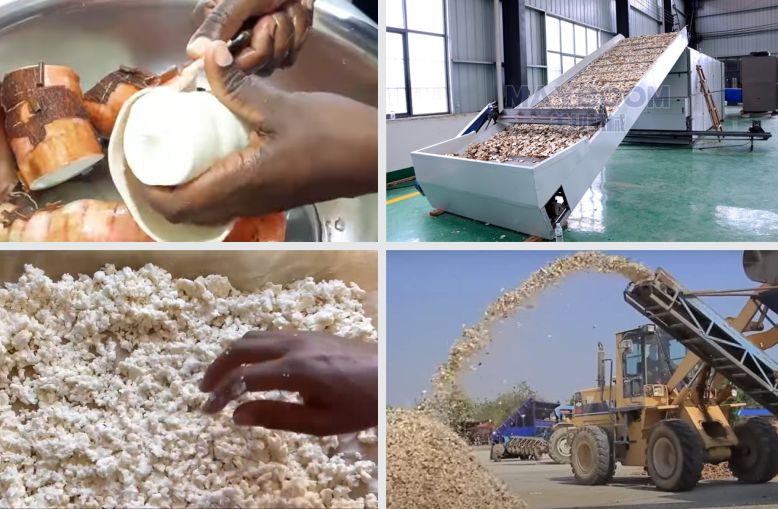
Cassava processing - traditional and modern methods

Factors That Affect Cassava Processing Quality

Several factors affect cassava processing quality from harvest to final output.

You manage them well to achieve consistent results, higher yields, safer products, and minimal losses in every batch.

  • Harvest Timing: Harvest timing controls starch content and root firmness for easier processing and higher-quality cassava output.
  • Root Freshness: Root freshness determines toxin levels and spoilage risk; process within 48 hours for best starch quality.
  • Soil Conditions: Soil conditions influence root size and nutrients; well-drained, fertile soil produces uniform roots for better processing.
  • Transportation and Storage: Transportation and storage affect bruising and moisture loss; proper handling keeps roots fresh before processing begins.
  • Moisture Levels: Moisture levels impact drying time and product stability; reducing moisture quickly prevents mold and improves shelf life.
  • Mechanical Damage: Mechanical damage increases waste and oxidation; gentle handling preserves flesh quality and maximizes usable cassava yield.

Cassava Processing Methods

Cassava processing methods transform fresh roots into safe, stable, market-ready products through structured steps that improve quality and shelf life.

Traditional Cassava Processing Methods

Throughout history, indigenous peoples across Africa, Asia, and Latin America have developed intricate traditional cassava processing methods to detoxify and preserve this essential root crop.

Here are the different methods the locals use to make cassava safe for consumption:

Cassava processing in the traditional way
  • Peeling Cassava Roots: Peeling cassava roots removes the outer skin using knives or tools, reducing toxins and preparing roots for safe further processing stages.
  • Washing and Cleaning: Washing cassava removes dirt and contaminants using clean water, ensuring hygiene and preventing impurities from affecting final product quality.
  • Grating Cassava: Grating cassava breaks roots into mash using hand or motorized graters, improving starch release and increasing processing efficiency significantly.
  • Fermentation Methods: Fermentation reduces toxins and improves flavor using heap, submerged, or bag methods over 24–72 hours, depending on desired results.
  • Dewatering and Pressing: Dewatering removes excess water using manual or mechanical presses, improving drying speed, shelf life, and overall cassava product stability.
  • Sieving Techniques: Sieving removes fibrous particles from cassava mash using mesh materials, producing a smoother texture suitable for flour and garri production.
  • Drying Methods: Drying reduces moisture using sun, raised platforms, or smoke, preventing spoilage while improving storage life and product stability significantly.
  • Roasting and Toasting: Roasting transforms cassava mash into garri using controlled heat, constant stirring, and traditional fuel sources like firewood or charcoal.

See the full guide on the traditional method of processing cassava.

Modern Cassava Processing Technologies

Modern cassava processing technologies use advanced systems that improve efficiency, product quality, safety, and large-scale industrial production performance.

Modern processing of cassava
  • Mechanized Cassava Processing: Mechanical peelers remove cassava skin quickly, reducing labor. Automated graters increase throughput. Industrial presses, rotary dryers, hammer mills, and flash dryers improve efficiency and output quality.
  • Semi-Industrial Cassava Processing Systems: Small-scale plants, community centers, and cooperatives combine machinery and labor to boost productivity, reduce costs, share equipment, and improve cassava processing efficiency.
  • Industrial Cassava Processing: Large starch factories, ethanol plants, and flour plants process cassava into starch, biofuel, and standardized flour for food, industrial, and export markets.
  • Automation in Cassava Processing: Smart systems, digital monitoring, moisture control, and sensors optimize speed, efficiency, quality, and consistency while reducing waste and improving production stability.
  • Modern Food Safety Technologies: Hygienic equipment, contamination prevention systems, and quality assurance procedures ensure safe cassava processing by reducing risks, maintaining cleanliness, and meeting standards.

See the full guide on modern cassava processing.

Cassava processing has undergone remarkable changes over time, leading to two main approaches: traditional and modern.

Both methods serve the same purpose of transforming cassava into edible products, but they differ significantly in how they achieve this goal.

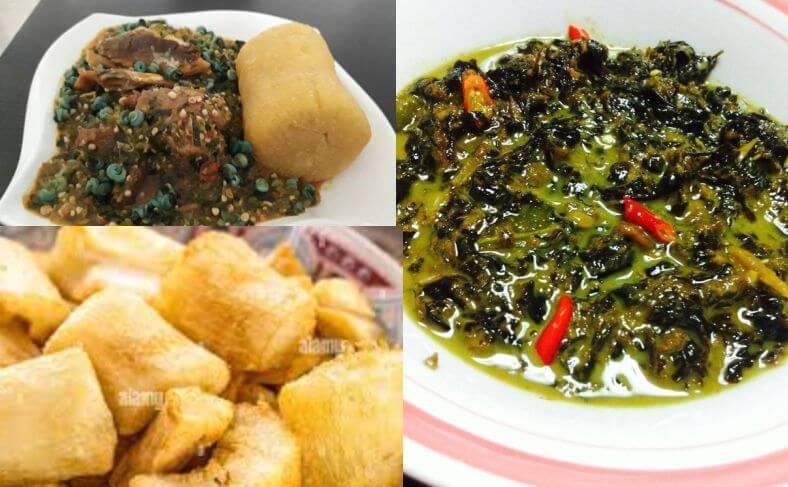
Cassava Food Products and How They Are Processed

  • Cassava-Based Snacks and Foods: Cassava-based snacks include bread, pasta, noodles, and crackers made from processed cassava, offering gluten-free alternatives that support healthier diets and expanding food product innovation globally.
  • Garri Processing: Quality cassava roots are selected, fermented, fried, and processed into white or yellow garri, then packaged and stored properly to maintain freshness, safety, and long shelf life quality. See how to produce garri.
  • Fufu Processing: Cassava is soaked using various methods, fermented, then pounded and sieved into smooth paste, producing wet or dry fufu depending on traditional processing techniques used in local areas. More on how to make fufu.
  • Cassava Flour Processing: High-quality cassava flour is produced through careful processing, drying, and milling of cassava roots, creating versatile flour widely used in baking and various food applications in modern kitchens. See how to make cassava flour.
  • Tapioca Production: Tapioca production involves forming cassava starch into granules, followed by careful drying and roasting techniques that create small, translucent pearls used in various desserts and dishes globally enjoyed. See the guide on how to make cassava starch/tapioca.
  • Lafun Processing: Lafun is produced through fermentation and drying methods that reduce moisture, followed by milling cassava into fine powder used for traditional meals and staple food preparation in Africa.
  • Starch Extraction and Processing: Cassava starch extraction uses wet processing methods to separate starch, followed by sedimentation and drying stages that produce refined starch for food and industrial applications globally in demand.
  • Cassava Chips Production: Cassava chips are produced by slicing fresh roots, drying them under controlled conditions, and processing them into products used for animal feed and industrial applications in many global sectors.
  • Cassava Pellets Processing: Cassava pellets are made using pelletizing equipment that compresses processed cassava into compact feed forms widely used in livestock nutrition and agricultural feed production systems across farming systems.
  • Abacha and Traditional Regional Products: Abacha, also called African salad, is prepared through regional cassava processing methods that vary across cultures, producing unique traditional dishes with distinct flavors and textures in West Africa.

Industrial Uses of Processed Cassava

Processed cassava expands beyond food into multiple industries.

You convert roots into starch, flour, feed, ethanol, and industrial materials, creating higher value, income, and diverse commercial opportunities.

  • Cassava Starch Industry: Cassava starch is extracted for use in food thickeners, pharmaceuticals, textiles, and paper manufacturing, delivering high purity, consistent performance, and strong global industrial demand across international markets consistently.
  • Cassava Flour in Baking and Food Manufacturing: Cassava flour replaces wheat in bakery and snack formulations, supports gluten-free diets, enables composite flour blends, reduces production costs, and meets modern food manufacturing requirements efficiently across industries.
  • Cassava in Animal Feed Production: Cassava peels, chips, and pellets are processed into livestock feed, improved with supplements, providing affordable energy-rich nutrition for farmers and supporting sustainable animal production systems globally widely used.
  • Cassava Ethanol Production: Cassava starch is fermented into ethanol and industrial alcohol, supporting biofuel production, renewable energy demand, and efficient use of existing cassava processing infrastructure systems across global markets’ growth.
  • Cassava in Brewing and Beverage Industries: You convert cassava into syrups, sweeteners, and fermentation bases for alcoholic and non-alcoholic beverages, supplying manufacturers with affordable local ingredients for large-scale production across emerging beverage markets globally.

Cassava Processing Equipment and Machinery

The right cassava processing equipment helps you peel, grate, press, and dry roots faster with less labor.

Cassava processing equipment determines efficiency, product quality, and safety across all production scales.

Basic tools like knives, peelers, graters, presses, frying pans, and drying racks support small household or manual processing tasks.

Small-scale machines such as portable graters, mini flash dryers, and milling units improve speed, reduce labor, and enhance consistency.

Industrial systems, including peelers, centrifuges, rotary dryers, automated fryers, and packaging machines, handle large volumes with higher purity and uniform output.

Choosing the right equipment depends on scale, energy source, and cost.

Proper maintenance through cleaning, servicing, and spare parts management ensures reliability, reduces downtime, and extends machine lifespan.

Read the full guide: Cassava Processing Equipment Guide

Cassava Processing Business and Commercial Opportunities

Cassava processing offers strong business potential through value addition, steady demand, and multiple product lines.

You can start small or scale up with planning, equipment, and market focus.

  • Starting a Cassava Processing Business: Start your cassava processing business with solid planning, the right product line, and proper market research. These steps help reduce risks and build a profitable operation from day one. See the full guide on the cassava business plan.
  • Small-Scale Cassava Processing Business Ideas: Small-scale cassava business ideas, like garri, flour, chips, and starch production, allow low capital entry. Processors can target local markets and grow steadily using simple, affordable equipment.
  • Investment Requirements: Investment requirements for cassava processing include equipment, labor, facility setup, and utilities. Realistic budgeting is needed and aligned with scale to ensure smooth operations and sustainable production growth.
  • Profitability of Cassava Processing: The profitability of cassava processing depends on cost control, strong demand, and value addition. With this, you increase earnings by reducing waste, improving efficiency, and optimizing each production stage effectively. See How to Profit from the Cassava Industry.
  • Cassava Processing Cooperatives: Cassava processing cooperatives allow shared equipment, reduced costs, and collective production. This model improves access for small farmers and strengthens bargaining power within local and regional markets.
  • Export Opportunities in Cassava Products: Export opportunities in cassava products require meeting international standards, proper packaging, and consistent quality. This helps to access global markets for flour, starch, and chips with a steady supply. Read the full guide on Cassava Market: Overview of Opportunities, Trends, and Innovations

Food Safety and Quality Control in Cassava Processing

Food safety and quality control in cassava processing protect products from toxins and contamination.

Proper practices ensure safe, high-quality output that meets standards and builds customer trust.

  • Cyanide Reduction and Food Safety: Cyanide reduction and food safety start with understanding cyanogenic glucosides in cassava. Helps to apply safe processing and detoxification methods to remove toxins and produce safe edible final products.
  • Hygiene in Cassava Processing: Hygiene in cassava processing depends on clean water, sanitized equipment, and good worker practices. Helps to maintain strict sanitation at every stage to prevent contamination and ensure food safety compliance.
  • Quality Standards for Cassava Products: Quality standards for cassava products focus on moisture content, color, texture, and contamination control. It helps processors test and manage these factors to ensure consistent, market-ready flour, starch, and chips.
  • Packaging and Storage of Processed Cassava Products: Packaging and storage of processed cassava products require moisture-proof materials, pest control, and proper shelf-life management. These preserve quality and extend usability for local markets and export. See cassava packaging.
  • Regulatory Standards and Certification: Regulatory standards and certification involve local food safety authorities, international requirements, and systems like HACCP or ISO. Compliance helps to gain trust, access markets, and operate legally.

Challenges in Cassava Processing

Cassava processing faces several challenges that affect efficiency, profitability, and product quality.

As a processor, you can overcome many of them with good planning, simple solutions, and gradual investment in your setup.

  • High Post-Harvest Losses: High post-harvest losses occur due to rapid cassava deterioration and poor transportation systems. The consequence is loss of large volumes within days if the roots stay unprocessed after harvest. See more on how to reduce post-harvest losses.
  • Limited Access to Modern Equipment: Limited access to modern equipment stems from high machinery costs and a lack of rural processing infrastructure. The consequence is relying on slow manual methods that reduce output and efficiency.
  • Energy and Power Challenges: Energy and power challenges arise from high fuel costs and frequent electricity shortages. We processors face higher operating expenses and frequent production stops in off-grid processing areas.
  • Processing Waste Management Problems: Processing waste management problems includes wastewater disposal and peel accumulation. This makes cassava processors struggle with environmental pollution and extra costs when cassava waste is not properly handled.
  • Poor Market Access: Poor market access results from transportation issues and price instability. Processors sell at low prices or lose buyers when roads are bad, and demand fluctuates frequently.
  • Seasonal Processing Challenges: Seasonal processing challenges come from rainy season drying difficulties and inconsistent raw material supply. Processors face reduced output and quality issues during wet harvesting periods.
  • Financial and Investment Constraints: Financial and investment constraints involve limited credit access and high startup costs. This delays business growth when loans are hard to obtain and capital remains insufficient.
  • Food Safety Challenges: Food safety challenges appear through poor hygiene practices and inadequate cyanide reduction. When this is the case, processors risk product rejection and health issues when safety steps are not properly followed.

Innovations in Cassava Processing

Innovations in cassava processing help you work faster, cut costs, reduce waste, and produce higher-quality products.

These technologies improve efficiency, sustainability, and profitability in modern operations.

  • Artificial Intelligence and Automation in Cassava Processing: Artificial intelligence and automation in cassava processing provide predictive maintenance, automated sorting, and smart quality control. These reduce breakdowns, remove defects early, and maintain consistent production standards.
  • Emerging Cassava Processing Technologies: Emerging cassava processing technologies include solar dryers, mobile processing units, and energy-efficient fryers. Processes are faster, move operations easily, and reduce energy use in small and medium setups.
  • Smart and Digital Cassava Processing Systems: Smart and digital cassava processing systems use IoT monitoring, moisture sensors, and digital controls. These facilities track every step in real time and maintain consistent quality with less manual effort.
  • Sustainable Cassava Processing Innovations: Sustainable cassava processing innovations focus on renewable energy and biomass-powered systems. These reduce fuel costs, lower carbon emissions, and run cleaner operations even in remote processing areas.
  • Waste-to-Wealth Innovations: Waste-to-Wealth Innovations turn cassava peels into animal feed, biogas, and organic fertilizer. This cuts disposal costs, generates extra income, and builds a circular, profitable processing system.
  • Research and Development in Cassava Processing: Research and development in cassava processing improve starch extraction, drying technologies, and fermentation systems. Higher yields are achieved, and better product quality is obtained using modern scientific techniques.

Cassava Processing By-Products and Waste Utilization

Cassava processing generates peels, fiber, and wastewater.

You can convert these by-products into valuable resources, reduce disposal costs, and create additional income streams from waste materials.

  • Cassava Peels and Their Uses: Cassava peels are used for animal feed, compost, and biofuel production. You reduce waste volume and earn extra income by converting peels into useful value-added products.
  • Cassava Wastewater Management: Cassava wastewater management involves proper treatment methods to reduce environmental risks. This prevents water pollution and complies with regulations by treating effluent before safe disposal.
  • Cassava Fiber and Residue Applications: Cassava fiber and residue are used in livestock feed and industrial applications. This adds value to leftover pulp and increases profitability from materials once treated as waste.
  • Biofuel Production from Cassava Waste: Biofuel production from cassava waste uses anaerobic digestion to generate renewable energy. The organic waste is converted into clean cooking gas or electricity for farm or processing use. See the full guide on biogas production.

Future of Cassava Processing

The future of transforming cassava into products looks promising with rising global demand, new technologies, and strong policy support.

You can position your business to benefit through innovation and smart investment.

  • Global Demand for Processed Cassava Products: Global demand for processed cassava products is rising due to gluten-free diets, industrial starch needs, and biofuel markets. The processors can tap these opportunities by producing consistent, high-quality cassava products.
  • Opportunities for African Cassava Industries: Opportunities for African cassava industries include import substitution, local industrial growth, and export expansion. This strengthens local production systems and earns more from regional and global cassava markets.
  • The Future of Automation and Smart Processing: The future of automation and smart processing includes robotics, AI systems, and smart factories. They improve efficiency, maintain quality control, and reduce labor costs through advanced processing technologies.
  • Government Policies and Investment Opportunities: Government policies and investment opportunities support agro-industrial growth through funding, incentives, and infrastructure development. Resources can be accessed to help scale cassava processing businesses and improve long-term profitability.

Further Reading

A to Z of the Cassava Value Chain

Beginner’s Guide to Cassava

Cassava Cultivation: Comprehensive Guide

All Cassava Foods and Recipes

Cassava Benefits for Health

Some Investment Opportunities in the Cassava Industry

How to Profit from the Cassava Value Chain


Frequently Asked Questions

What is cassava processing?

The processing of cassava converts fresh roots into safe, stable products through peeling, grating, pressing, fermenting, drying, and milling steps.

Why is cassava processed before consumption?

Cassava must be processed before consumption to remove toxic cyanide, extend shelf life, improve taste, and make it easier to transport and use.

What are the main methods of cassava processing?

Main methods of processing cassava include traditional fermentation, drying, frying, wet starch extraction, and modern mechanical grating and milling techniques.

What products can be made from cassava?

You can make cassava flour, starch, garri, chips, ethanol, animal feed, syrups, and bioplastics from processed cassava roots.

How is cyanide removed from cassava?

Cyanide is removed from cassava through peeling, grating, soaking, fermentation, and thorough drying to make the products safe for consumption.

What equipment is used in cassava processing?

Processing of cassava uses peelers, graters, presses, centrifuges, dryers, milling machines, and packaging equipment depending on your production scale.

Is cassava processing profitable?

Yes, transforming cassava to other products is profitable when you add value, control costs, and access steady markets for flour, starch, garri, or chips.

What are the challenges facing cassava processors?

Cassava processors face high post-harvest losses, limited equipment access, power shortages, waste management issues, and unstable market prices.

How long can processed cassava products last?

Properly processed and packaged cassava products like flour and chips can last 6 to 12 months when stored in cool, dry conditions.


References: