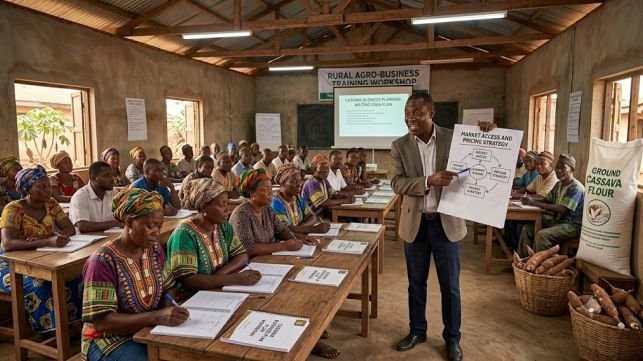
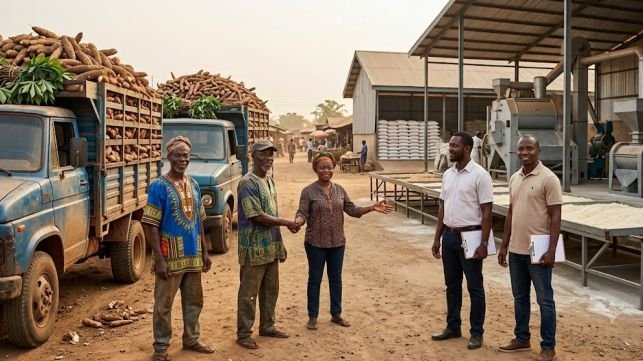
Cassava market access is one of the most important parts of the cassava value chain. It determines whether farmers can turn their harvest into real income.
Market access simply means the ability of farmers to find reliable buyers, understand demand, and sell cassava or cassava products at fair prices.
Cassava Pathway helps connect farmers, especially smallholder farmers, with buyers and improves how cassava moves from farms to markets.
Table of Contents
The Challenge in Cassava Markets
Many smallholder farmers in Nigeria produce cassava but struggle to sell it effectively.
Common problems include:
- Limited access to buyers
- Dependence on middlemen
- Low and unstable prices
- Poor market information
- Difficulty reaching large processors
This often leads to low income and wasted production potential.
How We Support Market Access
Cassava Pathway supports better market access through connection, information, and coordination.
Connecting Farmers to Buyers
We connect cassava farmers with:
- Processing companies
- Garri and flour producers
- Starch and ethanol factories
- Wholesalers and aggregators
This helps farmers access more stable buyers and better pricing opportunities.
Providing Market Information
We share practical cassava market information such as:
- Cassava demand trends
- Price movements
- Buyer requirements
- Product opportunities
This helps farmers decide:
- When to harvest
- What to sell
- whether to process or sell raw cassava
Aggregating Farmer Supply
Many buyers require large volumes that small farmers cannot supply alone.
We help organize farmers so their production can be combined to meet bulk demand. This improves access to larger and more reliable markets.
Improving Market Readiness
We encourage better market practices such as:
- quality control
- proper handling after harvest
- basic processing and value addition
This helps farmers reach higher-value markets instead of only selling raw cassava.
List Your Cassava for Market Access
If you have cassava ready for harvest or will harvest soon, you can submit your farm details to be included in our cassava market access network.
We use this information to connect farmers with potential buyers and processors based on location, volume, and demand.
Why Market Access Matters
In the cassava industry, better market access leads to:
- higher farmer income
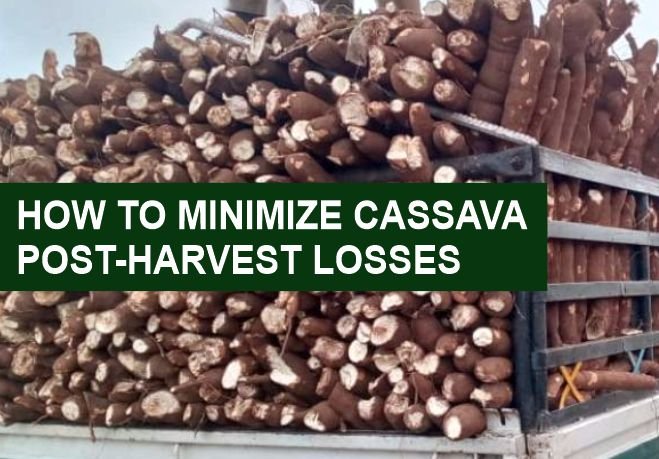
- reduced post-harvest losses
- stronger rural economies
- more stable supply chains
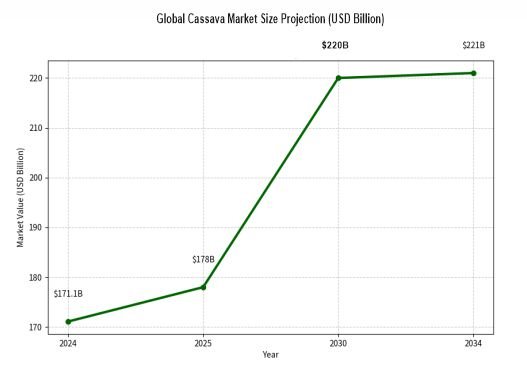
- growth in cassava-based industries
Our Role
Cassava Pathway does not act as a buyer or seller. Instead, we function as a connection platform that helps farmers and buyers find each other and interact more efficiently.
We support a more organized and transparent cassava market system.
Get Connected to Cassava Buyers
If you are a cassava farmer or buyer, you can join our market access network today.
Submit your details so we can include you in our database and connect you when there is a match between supply and demand.
Cassava Pathway is building a structured cassava market network across Nigeria, and your information helps strengthen the system.
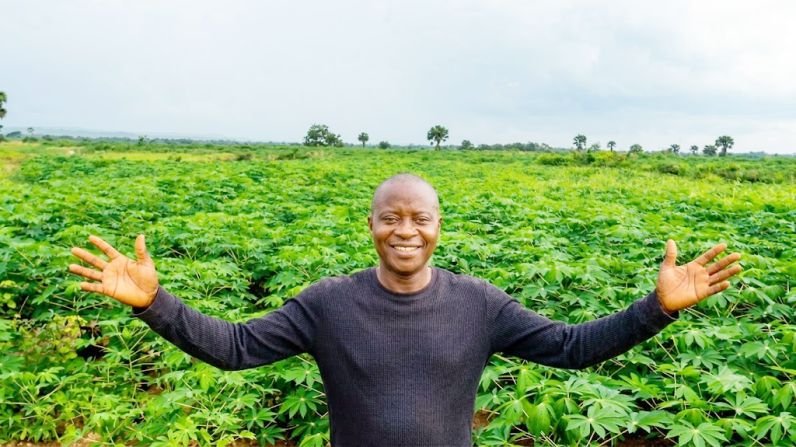
Chimeremeze Emeh
Chimeremeze Emeh is a tropical crop farmer and chemical engineer from Ntigha, Isiala Ngwa North LGA, Abia State, Eastern Nigeria, specializing in cassava and palm oil, with over 30 years of hands-on experience growing, harvesting, and processing cassava. He grows TMS series, TME 419, and local traditional varieties on his own farms and operates a small-scale cassava flour and starch production business through Cassava Pathway, which he founded as a CAMA-registered agribusiness in 2024. He is also the founder of Palm Oil Pathway, where he applies the same tropical farming expertise. His farms are located in Ntigha, Abia State.