Last updated on June 21st, 2026 at 08:15 pm
Cassava flour is reshaping commercial food production as manufacturers chase gluten-free, grain-free, and allergen-friendly demands. From bakeries to snack lines, this root-based flour is proving it belongs on factory floors, not just home kitchens.
Cassava flour has moved from a niche pantry item to a mainstream ingredient on factory production lines.
Made from the dried, ground root of the cassava plant, it offers manufacturers a gluten-free, grain-free alternative that fits cleanly into modern formulations.
As more shoppers look for allergen-friendly labels, food companies are testing cassava flour in everything from bread to snack bars.
This article looks at why manufacturers choose cassava flour, how it performs during processing, where it works best, and what hurdles producers face when scaling its use across commercial product lines.
If you are new to cassava flour, here is the beginner’s guide.
Table of Contents
What Makes Cassava Flour Attractive to Food Manufacturers?
Food companies are drawn to cassava flour because it checks several boxes at once.
It carries no gluten or grain content, making it useful for allergen-conscious product lines.
Its mild taste blends into recipes without overpowering other ingredients, and it works across sweet and savory formulations alike.
Combined with rising shopper interest in simple ingredient lists, cassava flour gives manufacturers a practical way to meet several market demands with a single raw material.
- Naturally Gluten-Free and Grain-Free: Cassava flour contains no wheat, grains, or gluten proteins, making it suitable for sensitive consumer dietary needs.
- Clean-Label Appeal: Shoppers recognize cassava as a simple root vegetable, supporting product labels that emphasize minimal, recognizable ingredients.
- Neutral Flavor Profile: Its mild taste does not compete with other flavors, allowing manufacturers flexibility across savory and sweet product lines.
- Compatibility With Various Food Formulations: Cassava flour blends well with proteins, fats, and other starches across baked goods, snacks, and prepared foods.
- Consumer Demand for Alternative Flours: Rising interest in non-wheat flours pushes manufacturers toward cassava as a recognizable, marketable substitute ingredient.
Functional Properties of Cassava Flour in Food Processing
Beyond marketing appeal, cassava flour brings specific functional traits that affect how products behave during manufacturing.
It interacts differently with water than wheat flour, changes how dough or batter holds together, and influences how finished goods perform in storage.
Manufacturers need to understand these properties before substituting cassava flour into existing recipes, since processing equipment, mixing times, and baking conditions often require adjustment to accommodate its distinct behavior.
- Water Absorption and Retention: Cassava flour absorbs water differently than wheat, requiring formulators to recalibrate liquid ratios in recipes.
- Texture and Structure Development: Lacking gluten, cassava flour produces denser textures, often needing binders to mimic wheat-based structure.
- Thickening and Binding Capabilities: Its starch content makes cassava flour effective for thickening sauces, soups, and binding ingredients together.
- Freeze-Thaw Stability: Cassava-based products often hold up well through freezing and thawing cycles without major texture breakdown.
- Impact on Shelf Life and Product Consistency: Moisture behavior in cassava flour affects staling rates and consistency across manufacturing batches.
Cassava Flour in Commercial Bakery Products
Bread and Rolls
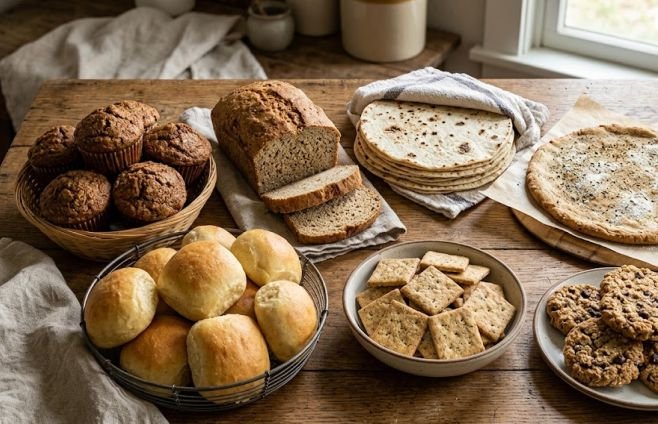
Commercial bakeries use cassava flour in bread and rolls aimed at gluten-free shoppers, usually blending it with starches or gums to replicate the chewiness and rise that wheat gluten typically provides in conventional loaves.
Cookies and Biscuits
Cookies and biscuits made with cassava flour often achieve a tender, crumbly bite.
Its low protein content suits these products well, since less gluten development is needed compared to bread or pasta formulations.
Cakes and Muffins
Cakes and muffins benefit from cassava flour’s fine texture and moisture retention, producing soft, light results, though formulators often combine it with eggs or other binders to support structure.
Pizza Crusts and Flatbreads
Pizza crusts and flatbreads made with cassava flour appeal to gluten-free consumers seeking a neutral base. Manufacturers frequently pair it with tapioca starch to improve stretch and chewiness.
Gluten-Free Bakery Applications
Across the broader gluten-free bakery category, cassava flour serves as a primary or supporting ingredient, helping brands meet labeling requirements while maintaining acceptable taste and mouthfeel for everyday bakery products.
Cassava Flour in Snack Food Manufacturing
Crackers
Crackers made with cassava flour deliver a crisp bite and clean flavor base, making them popular among brands targeting grain-free and paleo-friendly snack shoppers in retail channels.
Chips and Extruded Snacks
Chips and extruded snacks use cassava flour for its starch content, which supports crunch and structure during high-heat extrusion or frying processes common in snack manufacturing lines.
Snack Bars
Snack bars sometimes include cassava flour as a binding agent, helping hold together nuts, seeds, and dried fruit while keeping the product free of grains or gluten-based fillers.
Coatings and Batters
Coatings and batters for fried or baked foods use cassava flour to create crispy exteriors, often replacing wheat-based breading in products marketed toward allergen-sensitive consumers.
Cassava Flour in Pasta and Noodle Production
Pasta and noodle manufacturers face unique challenges when working with cassava flour, since traditional wheat pasta relies heavily on gluten for its characteristic chew and bite.
Producers must adjust formulations, often blending cassava with other starches, to achieve workable dough and acceptable cooking results at commercial scale.
- Use in Gluten-Free Pasta Formulations: Cassava flour serves as a base ingredient in many commercial gluten-free pasta products sold today.
- Blending with Other Alternative Flours: Manufacturers often combine cassava with rice, corn, or legume flours to balance texture and nutrition.
- Texture and Cooking Performance Considerations: Cassava-based pasta can behave differently during boiling, requiring careful timing to avoid mushiness or breakage.
- Commercial Challenges and Solutions: Scaling cassava pasta production requires testing extrusion settings, drying times, and packaging methods for consistency.
Learn more about cassava pastas.
Cassava Flour in Ready-to-Eat and Convenience Foods
Frozen Meals
Frozen meal manufacturers use cassava flour in sauces, coatings, or starch components, taking advantage of its freeze-thaw stability to maintain texture after reheating.
Prepared Mixes
Prepared mixes such as pancake or baking blends often list cassava flour as a primary ingredient, giving home cooks a grain-free option with commercial-grade consistency.
Soups and Sauces
Soups and sauces benefit from cassava flour’s thickening properties, offering manufacturers an allergen-friendly alternative to wheat-based roux or cornstarch thickeners.
Processed Food Products
Various processed foods incorporate small amounts of cassava flour as a functional additive, supporting texture, binding, or moisture control without introducing gluten-based ingredients.
Cassava Flour for Specialty Food Markets
Gluten-Free Foods
Gluten-free food brands rely heavily on cassava flour as a foundational ingredient, given its natural absence of gluten proteins and its compatibility with many recipe types.
Paleo Products
Paleo-focused manufacturers favor cassava flour since it fits dietary guidelines excluding grains, making it suitable for paleo bread, snacks, and baking mix products.
Grain-Free Foods
Grain-free food lines depend on cassava flour as a primary substitute, allowing manufacturers to replicate familiar textures without using any cereal grain ingredients.
Allergen-Friendly Formulations
Allergen-friendly formulations use cassava flour to avoid wheat, soy, and nut-based ingredients, supporting products designed for consumers managing multiple food sensitivities.
Organic and Natural Food Products
Organic and natural food brands often source certified cassava flour to align with clean ingredient positioning and meet certification standards for organic labeling.
Manufacturing Challenges and Limitations
Despite its benefits, cassava flour presents real obstacles for large-scale food production.
Manufacturers must account for natural variation in raw material quality, differences in how dough behaves on commercial equipment, and the flour’s comparatively low protein content.
These factors mean cassava flour rarely works as a direct one-to-one substitute for wheat flour without formulation changes, equipment recalibration, or supplementary ingredients to compensate for its structural limitations.
- Variability in Flour Quality: Cassava flour quality differs by region and supplier, affecting consistency across large commercial production runs.
- Dough Handling Characteristics: Cassava-based dough behaves differently on equipment designed for wheat, often requiring adjusted mixing and handling procedures.
- Protein Deficiency Compared to Wheat Flour: Low protein content limits structure and elasticity, demanding additional binders or supplementary ingredients.
- Processing Adjustments Required: Bake times, hydration levels, and mixing speeds typically need recalibration when switching to cassava flour.
- Supply Chain Considerations: Sourcing consistent, high-quality cassava flour at scale can present logistical and cost-related challenges for manufacturers.
How Manufacturers Improve Cassava Flour Performance
To overcome cassava flour’s natural limitations, manufacturers turn to several formulation strategies.
Blending it with complementary flours, incorporating functional additives, and applying enzyme treatments all help replicate qualities normally provided by wheat gluten.
These adjustments allow producers to maintain acceptable taste, texture, and shelf stability while still marketing finished goods as gluten-free, grain-free, or allergen-friendly to meet retail and regulatory expectations.
- Flour Blending Strategies: Combining cassava flour with rice, tapioca, or potato starch improves texture and overall product performance.
- Use of Hydrocolloids and Gums: Xanthan or guar gum help replicate gluten’s elasticity, improving dough cohesion in cassava-based recipes.
- Enzyme Applications: Specific enzymes assist in dough conditioning, helping cassava-based products achieve better volume and texture.
- Formulation Optimization Techniques: Adjusting hydration, fat content, and mixing time helps balance taste, texture, and production efficiency.
- Product-Specific Processing Adjustments: Each product category requires tailored adjustments, since bread, pasta, and snacks behave differently with cassava flour.
Nutritional Considerations in Commercial Formulations
Manufacturers formulating with cassava flour must also weigh its nutritional profile against consumer expectations.
The ingredient is primarily a carbohydrate source with limited natural fiber and protein, which means brands often look for ways to fortify finished products.
Balancing functionality, taste, and nutrition becomes especially important for companies marketing cassava-based goods as health-conscious alternatives within competitive retail categories.
- Carbohydrate Content: Cassava flour is primarily composed of starch, contributing significant carbohydrate content to finished food products.
- Fiber Levels: Natural fiber content in cassava flour remains relatively low compared to whole grain flour alternatives.
- Fortification Opportunities: Manufacturers sometimes add fiber, protein, or vitamins to boost the nutritional value of cassava-based products.
- Balancing Nutrition and Functionality: Formulators must weigh nutritional additions against potential effects on taste, texture, and processing behavior.
- Meeting Consumer Expectations: Shoppers buying cassava-based products often expect both allergen-friendly labeling and reasonable nutritional content.
Quality Control and Food Safety Requirements
Commercial use of cassava flour demands strict quality control measures, starting with raw material sourcing and continuing through final product testing.
Since cassava flour quality can vary by batch and supplier, manufacturers implement moisture checks, consistency testing, and regulatory compliance procedures to maintain safety and uniformity.
Export-focused producers face additional certification requirements, particularly when shipping to markets with strict food safety or allergen labeling standards.
- Raw Material Sourcing: Reliable suppliers help manufacturers maintain consistent flour quality across different production batches and seasons.
- Moisture Management: Proper moisture control during processing prevents spoilage and supports consistent texture in finished products.
- Consistency Testing: Routine testing for particle size, starch content, and color helps maintain product uniformity at scale.
- Regulatory Compliance: Manufacturers must follow food safety regulations specific to their target markets and product categories.
- Certification Requirements for Export Markets: International buyers often require certifications confirming quality, safety, and allergen-free processing standards.
Market Trends Driving Cassava Flour Adoption
Several converging trends explain why cassava flour adoption continues climbing across commercial food manufacturing.
Gluten-free demand remains strong, while clean-label expectations push brands toward recognizable, minimally processed ingredients.
Sustainability concerns also factor into sourcing decisions, since cassava grows well in regions with limited agricultural resources.
Together, these forces are pushing cassava flour beyond specialty stores and into mainstream grocery aisles.
- Growth of Gluten-Free Food Manufacturing: Expanding gluten-free product categories continue driving manufacturer interest in cassava flour adoption.
- Clean-Label Product Development: Brands favor cassava flour for its simple, recognizable ingredient positioning on packaging labels.
- Sustainable Ingredient Sourcing: Cassava’s resilience in challenging growing conditions appeals to manufacturers prioritizing sustainable supply chains.
- Consumer Preference Shifts: Shoppers increasingly seek alternatives to wheat, supporting continued growth in cassava-based product offerings.
- Expansion into Mainstream Food Categories: Cassava flour has moved beyond specialty stores into broader retail and foodservice channels.
Future Outlook for Cassava Flour in Commercial Food Manufacturing
Looking ahead, cassava flour appears positioned for continued growth across commercial food categories.
Processing technology improvements may reduce some of its current handling challenges, while ongoing product innovation could expand its use into categories not yet fully explored.
Global food markets, particularly those facing grain shortages or seeking sustainable crop alternatives, may also turn to cassava flour as part of broader food security and supply diversification strategies.
- Emerging Product Innovations: New product categories continue testing cassava flour applications beyond traditional bakery and snack segments.
- Advances in Processing Technology: Improved milling and processing methods may help reduce current limitations in cassava flour performance.
- Opportunities in Global Food Markets: Developing regions with cassava production capacity may see growth in both local and export markets.
- Potential Role in Sustainable Food Systems: Cassava’s low input requirements position it as a potential contributor to long-term food security efforts.
Frequently Asked Questions
Is cassava flour widely used in commercial food manufacturing?
Yes, cassava flour appears across bakery, snack, pasta, and convenience food categories, particularly within gluten-free and allergen-friendly commercial product lines today.
What types of foods are commonly made with cassava flour?
Common products include bread, cookies, crackers, pasta, tortillas, baking mixes, and coatings, especially within gluten-free and grain-free commercial food categories.
Can cassava flour completely replace wheat flour in industrial production?
Not entirely. Cassava flour lacks gluten, so manufacturers typically blend it with other starches or binders to replicate wheat’s structural properties.
How does cassava flour affect product shelf life?
Cassava flour’s moisture behavior can influence staling rates and texture stability, requiring manufacturers to test formulations for consistent shelf life performance.
What challenges do manufacturers face when using cassava flour?
Manufacturers contend with quality variability, low protein content, and dough handling differences, often requiring formulation adjustments and additional functional ingredients.
Conclusion
Cassava flour has earned a lasting place in commercial food manufacturing, offering a gluten-free, grain-free option that meets growing consumer demand for allergen-friendly products.
While it presents real challenges, including protein limitations and quality variability, manufacturers continue finding ways to optimize its performance through blending, additives, and processing adjustments.
As gluten-free and clean-label markets expand, cassava flour stands to play an even larger role in commercial bakery, snack, and convenience food production, giving suppliers and manufacturers meaningful opportunities for continued growth.

Chimeremeze Emeh is a tropical crop farmer and chemical engineer from Ntigha, Isiala Ngwa North LGA, Abia State, Eastern Nigeria, specializing in cassava and palm oil, with over 30 years of hands-on experience growing, harvesting, and processing cassava. He grows TMS series, TME 419, and local traditional varieties on his own farms and operates a small-scale cassava flour and starch production business through Cassava Pathway, which he founded as a CAMA-registered agribusiness in 2024. He is also the founder of Palm Oil Pathway, where he applies the same tropical farming expertise. His farms are located in Ntigha, Abia State.