
Last updated on September 23rd, 2026 at 09:51 pm
Most cassava flour bread rolls fail for one reason: the dough has nothing holding gas and moisture inside. Add the right binder, measure the flour by weight, respect the proofing time, and you get soft, tender, golden rolls every time.
I mill cassava flour at a small scale in Ntigha, and Western-style bread rolls were never part of our household meals growing up.
Curiosity pushed me to test them anyway, and the lessons from those batches fill this guide.
Below you will find exact measurements for eight cassava flour bread rolls, made with yeast or baking powder.
I also explain which flour to buy, why psyllium husk matters, and how rolls differ from a full loaf.
Troubleshooting notes cover dense, gummy, and crumbly results, so you can correct problems on your second batch instead of giving up after the first.
Table of Contents
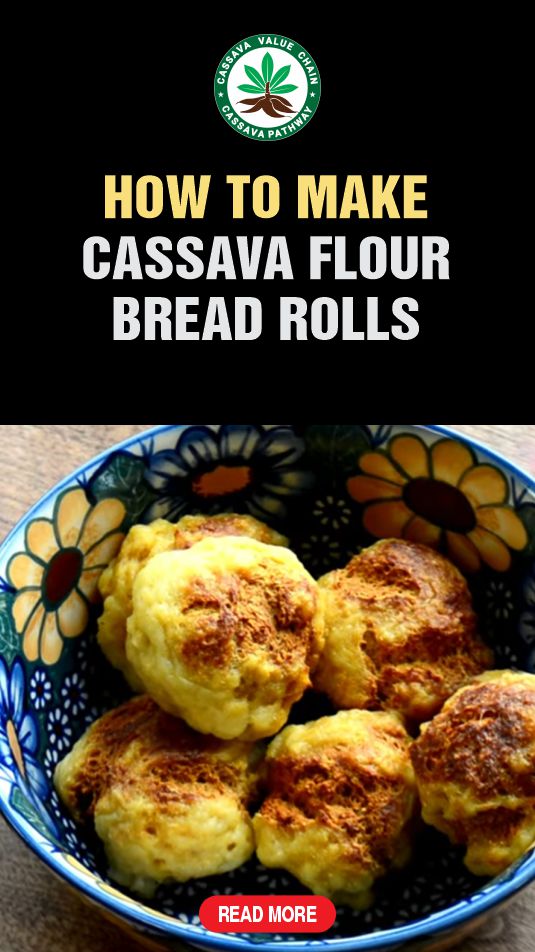
What Are Cassava Flour Bread Rolls?
Cassava flour bread rolls are a gluten-free alternative to traditional bread rolls, made from cassava flour.
These rolls are known for their soft, fluffy texture and slightly nutty flavor, making them an interesting addition to any meal.
Start With the Right Cassava Flour
Not every bag labeled cassava flour behaves the same, and this matters more for rolls than for brownies or pancakes.
Nigerian markets also sell fermented cassava flour for lafun and fufu, which carries a sour aroma unsuited to soft dinner rolls.
For baking, choose unfermented flour, sold as high-quality cassava flour (HQCF) in Nigeria or simply cassava flour in US and UK stores.
Fermentation still has benefits, according to a 2025 study in Food Science & Nutrition on cassava bread flour.
Ingredients and Their Roles
- Cassava flour:Flour from cassava forms the base, giving mild flavor, though it needs binders for structure.
- Yeast or baking powder: Yeast gives light, airy rolls through rising, while baking powder makes quicker, slightly denser ones.
- Eggs or binders: Eggs, psyllium husk, or flaxseed replace missing gluten, holding the dough together and preventing crumbling.
- Liquids (water/milk): Water hydrates the flour for a soft, tender crumb, while milk adds richness and creaminess.
- Oil or butter: Oil or butter adds moisture and softness; butter tastes richer, while oil keeps rolls lighter.
- Sweeteners and salt: Honey or sugar balances flavor and aids browning, while salt brings out cassava’s mild taste.
Step-by-Step Guide to Making Cassava Flour Bread Rolls
Follow these six steps for soft rolls, whichever leavening you choose, yeast or baking powder.
- Activate the yeast (if using): Dissolve yeast with sugar in 100°F (38°C) water and wait 5–10 minutes until it foams.
- Mix dry and wet ingredients: Whisk flour, psyllium, and salt, then stir in yeast, liquid, eggs, and oil until smooth.
- Rest and form the rolls: Rest dough ten minutes, skip kneading, then roll equal portions into balls with oiled hands.
- Proof the dough (if using yeast): Cover loosely and proof 30–45 minutes somewhere warm, until visibly puffed; gluten-free dough rarely doubles.
- Bake until golden brown: Bake at 375°F (190°C) for 20–25 minutes, until golden brown and hollow-sounding when tapped underneath.
- Optional finishing touches: Brush hot rolls with melted butter for shine, then cool 15 minutes before serving warm.
Tips for the Best Cassava Flour Bread Rolls
- For a Soft Texture: Use enough liquid and a binder like psyllium or eggs; milk adds softness and richness.
- For Better Rise: Use foamy yeast or fresh baking powder, and proof yeast dough somewhere warm and draft-free.
- For the Right Dough Consistency: Aim for soft, tacky dough; add liquid if dry, and oil your hands if sticky.
Video on How to Make Gluten-Free Cassava Flour Rolls
Frequently Asked Questions
Can I use baking powder instead of yeast in cassava flour bread rolls?
Yes, you can use baking powder for quicker rolls, but the texture will be denser compared to yeast.
Are cassava flour bread rolls gluten-free?
Yes, cassava flour is naturally gluten-free, making these bread rolls a great alternative for those with gluten sensitivities.
Can I freeze cassava flour bread rolls?
Yes, you can freeze the rolls once baked. Simply let them cool, then store them in an airtight container.
How long do cassava flour bread rolls last?
Cassava flour bread rolls typically last up to 3-4 days when stored in an airtight container at room temperature.
Conclusion
Cassava flour bread rolls offer a delicious gluten-free alternative to traditional bread, with endless possibilities for flavor variations and serving ideas.
Whether you enjoy them soft and savory with herbs or sweetened with cinnamon and honey, these rolls can be customized to suit any meal.
By following simple tips for texture, rise, and dough consistency, you can easily master making them at home.
Don’t forget to troubleshoot common mistakes, like dry or sticky dough, by adjusting the ingredients and techniques. With a bit of practice, you’ll have perfect cassava flour bread rolls every time, ready for any occasion!

Chimeremeze Emeh is a tropical crop farmer and chemical engineer from Ntigha, Isiala Ngwa North LGA, Abia State, Eastern Nigeria, specializing in cassava and palm oil, with over 30 years of hands-on experience growing, harvesting, and processing cassava. He grows TMS series, TME 419, and local traditional varieties on his own farms and operates a small-scale cassava flour and starch production business through Cassava Pathway, which he founded as a CAMA-registered agribusiness in 2024. He is also the founder of Palm Oil Pathway, where he applies the same tropical farming expertise. His farms are located in Ntigha, Abia State.