
Last updated on September 24th, 2026 at 09:46 am
Cassava flour brownies are fudgy, gluten-free chocolate squares that swap wheat for flour milled from dried cassava root. Done right, they bake up dense and glossy on top, and nobody at the table guesses they contain no grain at all.
I produce cassava flour on a small scale, so I have seen how drying and milling change its behavior in baking.
That matters here, because cassava flour brownies succeed or fail mostly on how the flour handles moisture.
This guide explains what these brownies are, why the flour works, and walks through a straightforward recipe for one 8-inch square pan.
You will also get fixes for dry or cakey results, plus vegan, nut-free, and storage options.
Everything uses standard US measures with metric weights, so bakers in America, Britain, and Nigeria can follow along quite easily.
Table of Contents
What Are Cassava Flour Brownies?
They are classic chocolate brownies made with cassava flour in place of wheat flour, usually in a slightly smaller amount.
Cassava flour is the whole root, peeled, dried, and ground, which sets it apart from tapioca starch extracted from the same plant.
Because the flour contains no gluten, these brownies suit gluten-free and grain-free diets, plus paleo kitchens with a simple sugar swap.
They are not a health food, though, since they carry roughly the same sugar, fat, and calories as any rich brownie.
Our breakdown of cassava flour nutrition facts shows what the flour itself contributes per serving.
People watching blood sugar should also read our notes on the glycemic index of cassava flour before baking a batch.
Why Cassava Flour Works in Brownies
Brownies need very little gluten structure anyway, which is why cassava flour performs better here than in yeast bread.
Their texture comes mostly from chocolate, sugar, eggs, and fat, with flour playing a small supporting role.
The catch is water absorption. A study of wheat–cassava flour blends found dough absorbed more water as the cassava share rose.
The researchers linked this to cassava’s high starch content, which binds water faster than gluten does.
How to Make Cassava Flour Brownies, Step by Step
Ingredients for Cassava Flour Brownies Recipe
These ingredients create moist, chewy, chocolate-rich brownies. Each adds texture, taste, or structure for indulgent gluten-free baking without complex preparation.
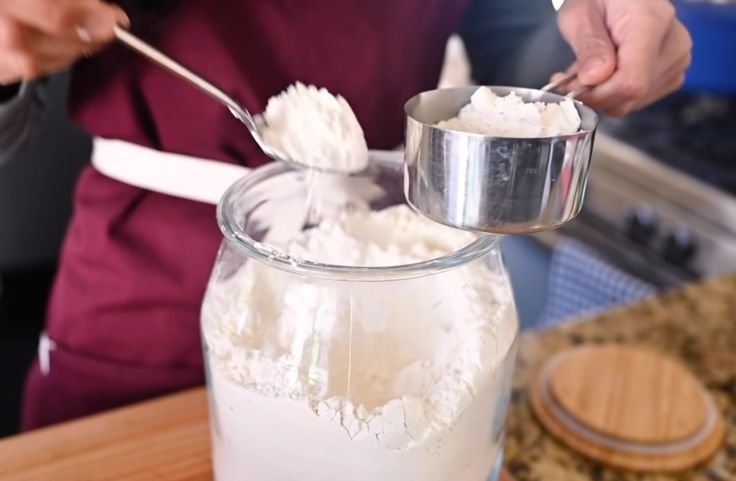
- 1 Cup Cassava Flour: Cassava flour adds structure and chewiness while staying gluten-free. Its mild flavor lets chocolate shine and creates smooth, tender batter.
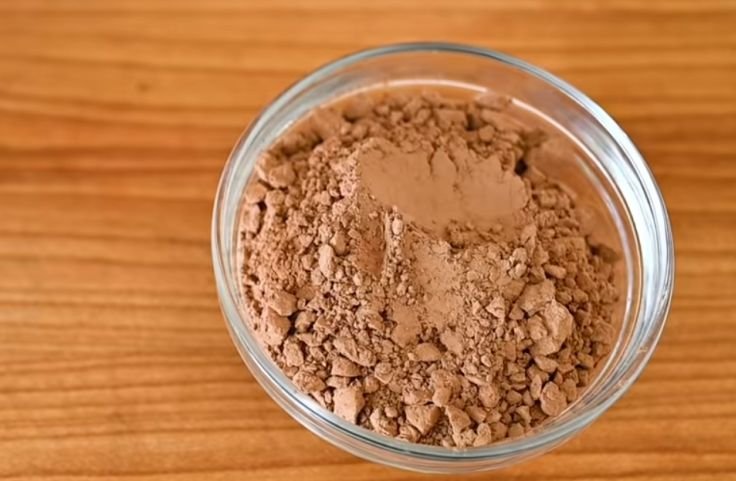
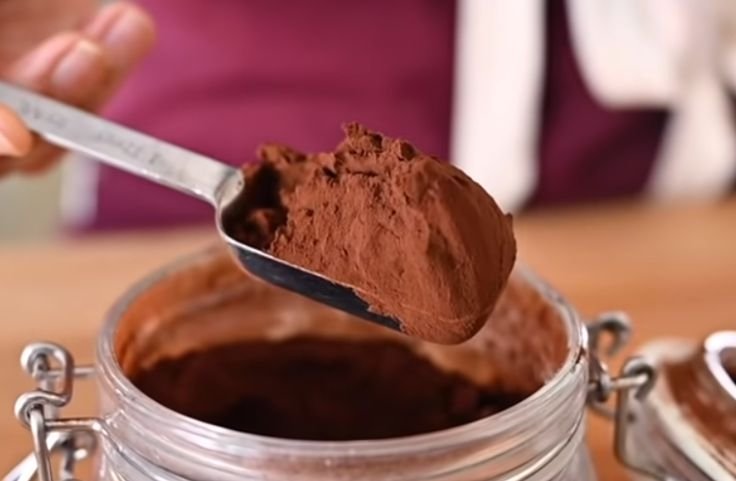
- ½ Cup Unsweetened Cocoa Powder: Unsweetened cocoa powder adds chocolate flavor and rich color, lets you control sweetness, and blends easily for classic brownie taste.
- ½ Cup Sugar (or Mix of Brown and White Sugar): Sugar sweetens and aids caramelization. Mixing brown and white sugar adds depth, keeps brownies moist, balances chocolate, and creates chewiness.
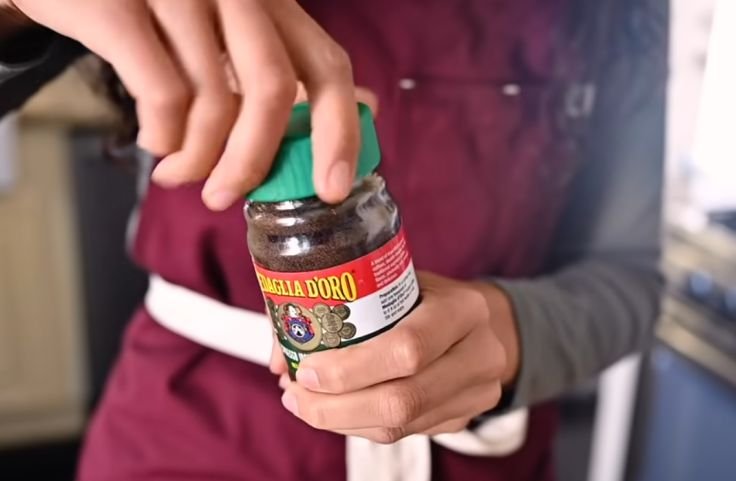
- ½ Teaspoon Espresso Powder: Espresso powder intensifies chocolate flavor without adding coffee taste. A small amount blends fully, giving brownies a more satisfying richness.
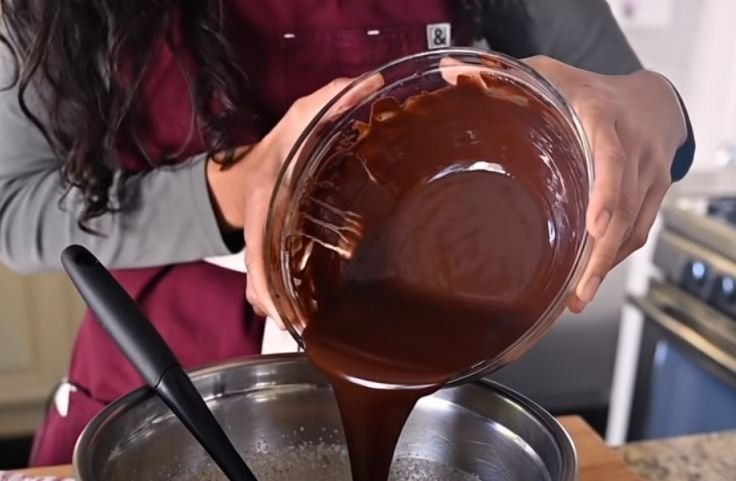
- ½ Cup Melted Dark Chocolate: Melted dark chocolate adds creaminess and extra richness, creating soft, fudgy brownies. It pairs with cocoa for a luxurious bite.
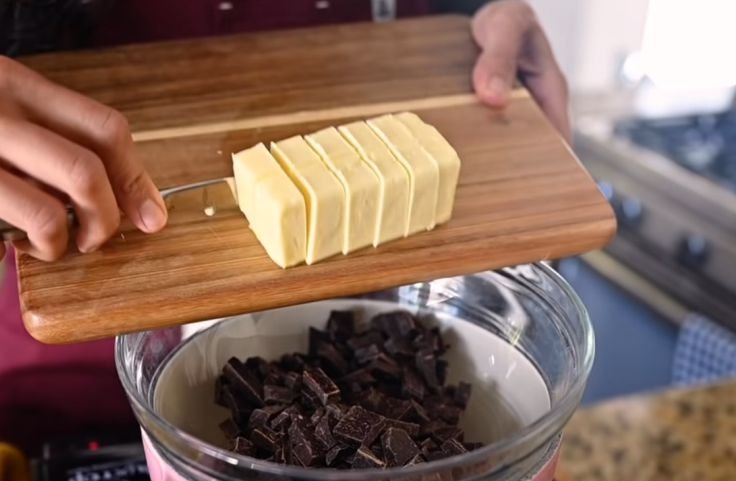
- ¼ Cup Melted Coconut Oil: Coconut oil adds moisture and tenderness, keeping brownies soft. Choose neutral or lightly flavored oil to complement, not overpower, chocolate.
- ¼ Cup Almond Butter: Almond butter adds moisture and nutty flavor, keeping brownies soft and chewy. Other nut butters work, but almond ensures consistency.
- 3 Large Eggs: Eggs bind ingredients, adding structure and moisture for soft, slightly dense brownies. Vegan bakers can substitute flaxseed or chia eggs.
- 1 Teaspoon Vanilla Extract: Vanilla adds aroma and depth, naturally enhancing sweetness. Even a small amount makes brownies taste rounder without overpowering the chocolate.
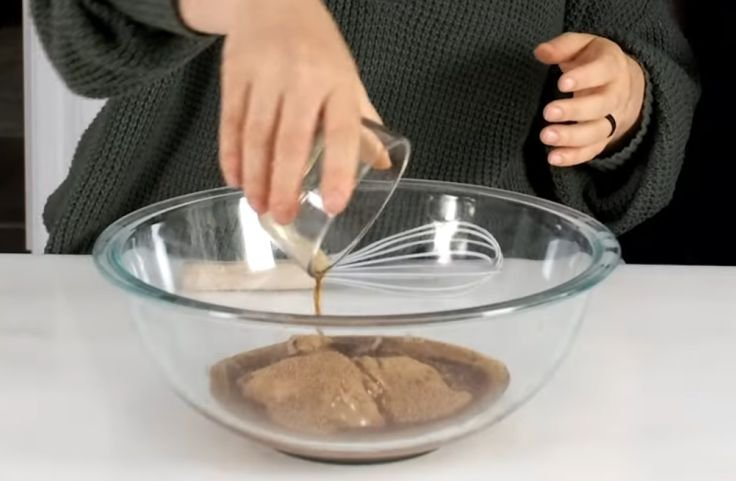
- Pinch of Salt: Salt balances sweetness and strengthens chocolate flavor. It brings out the richness of cocoa and chocolate, making the brownies taste more complex.
- Optional: Nuts or Dairy-Free Chocolate Chips: Nuts or dairy-free chocolate chips add crunch, texture, and bursts of flavor. Fold in your favorites to personalize every batch.
- Closing: Rich, chocolatey, gluten-free brownies with fudgy centers and crisp edges. The secret? Melted dark chocolate, espresso powder, and almond butter.
Step-by-Step Cassava Flour Brownie Recipe
Follow these steps to bake moist, chewy cassava flour brownies.
- Prepare Your Workspace and Ingredients: Measure carefully and preheat your oven to 350°F (175°C).
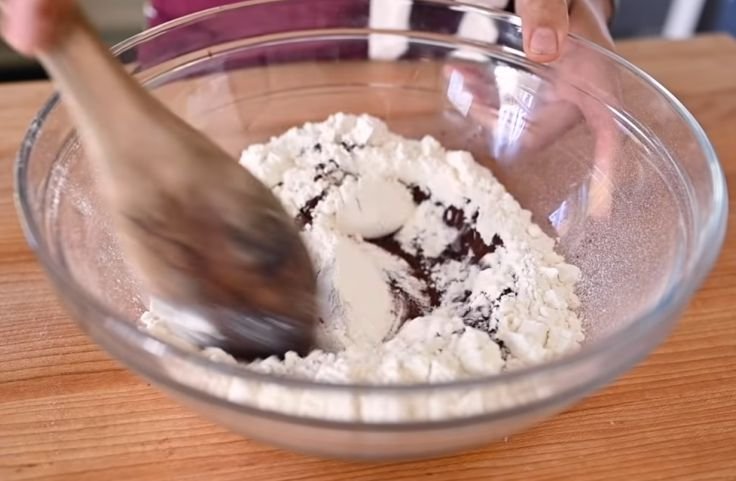
- Combine Dry Ingredients: In a medium bowl, whisk together 1 cup cassava flour, ½ cup cocoa powder, a pinch of salt, and ½ teaspoon espresso powder.
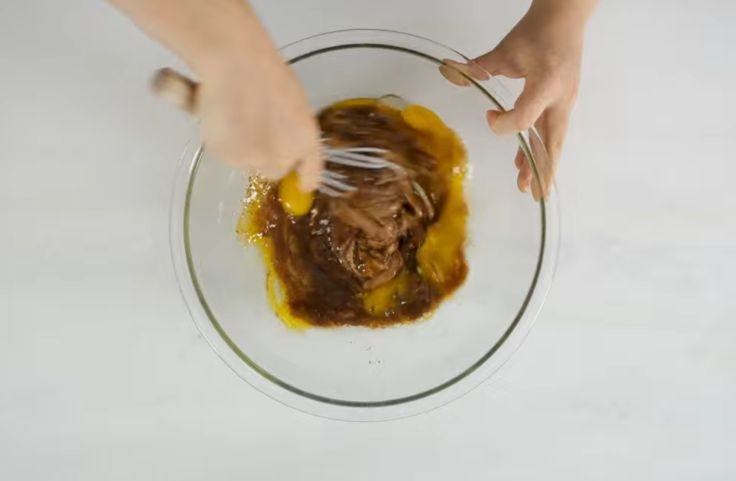
- Mix Wet Ingredients: In a separate bowl, whisk 3 large eggs, ¼ cup melted coconut oil, ¼ cup almond butter, ½ cup melted dark chocolate, ½ cup sugar, and 1 teaspoon vanilla extract.
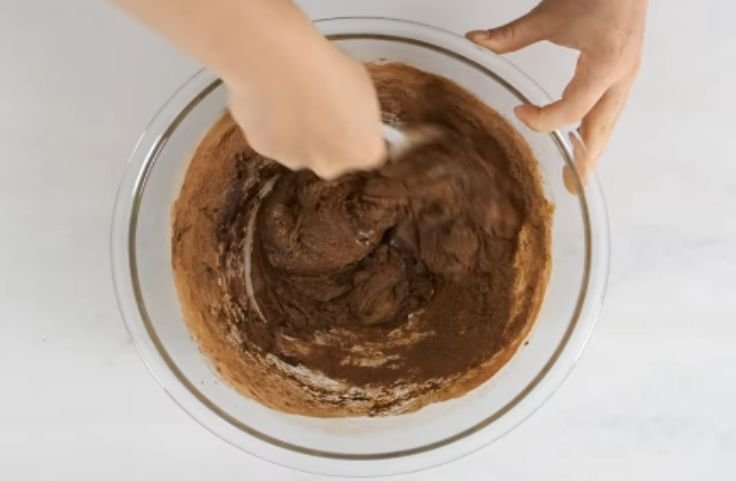
- Mix Dry Ingredients with Wet Ingredients: Gently fold the dry mixture into the wet ingredients. Mix until just combined, preserving air for a chewy texture.
- Add Optional Mix-Ins: Mix in nuts or dairy-free chocolate chips if desired. Mix-ins add texture, flavor, and visual appeal.
- Pour Batter Into Pan: Grease a baking pan and spread the batter evenly. Smooth the top lightly for uniform thickness, which ensures even baking and consistent texture.
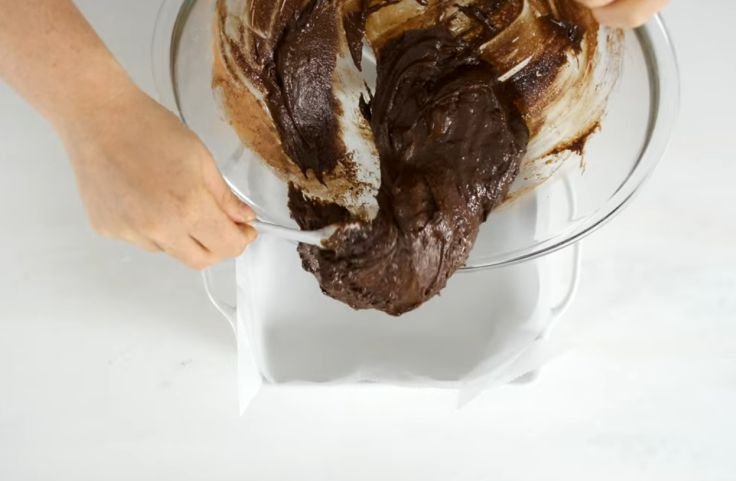
- Bake and Test for Doneness: Bake at 350°F (175°C) for 20 to 25 minutes. Check with a toothpick in the center; it should come out with a few moist crumbs.
- Cool Before Serving
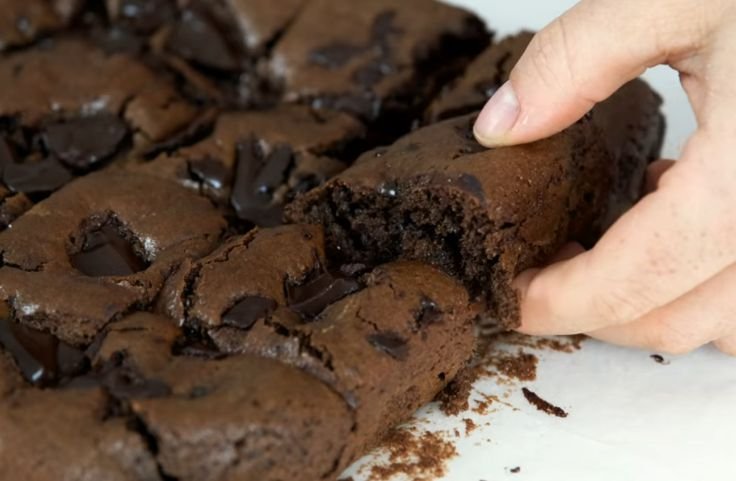
Easy Variations
For a vegan batch, replace the eggs with three flax eggs and use coconut oil with dairy-free chocolate.
Expect a softer, more fragile square, so chill the pan before cutting to get clean edges.
Leave out the almond butter and nuts, or swap in sunflower seed butter, for a fully nut-free batch.
For cakey squares, add half a teaspoon of baking powder and one extra tablespoon of cassava flour.
If you want something handheld, the same flour bakes into chewy cassava flour cookies with similar pantry ingredients.
Tips for Fudgy, Not Dry, Results
- Measure by weight when possible, because scooping cassava flour packs it down and adds too much.
- Pull the pan early rather than late, since residual heat keeps cooking the center after baking.
- If the squares taste dry, reduce the flour by two tablespoons next time instead of adding extra liquid.
- A gummy, underset middle means underbaking, so give the next batch three to five more minutes.
- Glass pans heat slowly, so add about five minutes, while dark metal pans may need checking sooner.
- A faint earthy note can come through, and espresso powder or extra vanilla masks it nicely.
Vegan Cassava Flour Brownies: A Gluten-Free Treat
Making vegan cassava flour brownies gives you a rich, chocolatey dessert without eggs or dairy.
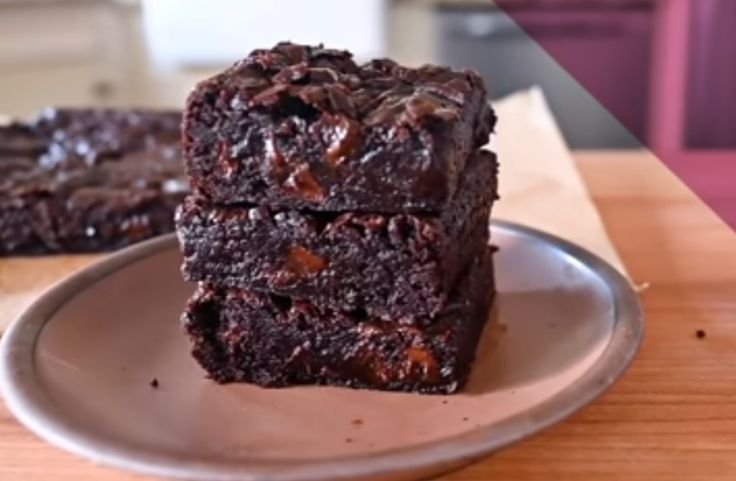
You get a gluten-free treat that stays moist and fudgy while fitting plant-based diets.
Follow this step-by-step guide to bake brownies you will enjoy sharing with family and friends.
Gather your ingredients
Start by collecting: 1 cup cassava flour, ½ cup cocoa powder, 1 cup coconut sugar, ½ teaspoon baking soda, a pinch of salt, ½ cup plant-based milk, ¼ cup melted coconut oil, 1 teaspoon vanilla extract, and dairy-free chocolate chips if you want extra chocolate flavor.
Having everything ready makes the baking process smooth and stress-free.
Prepare the baking pan and oven
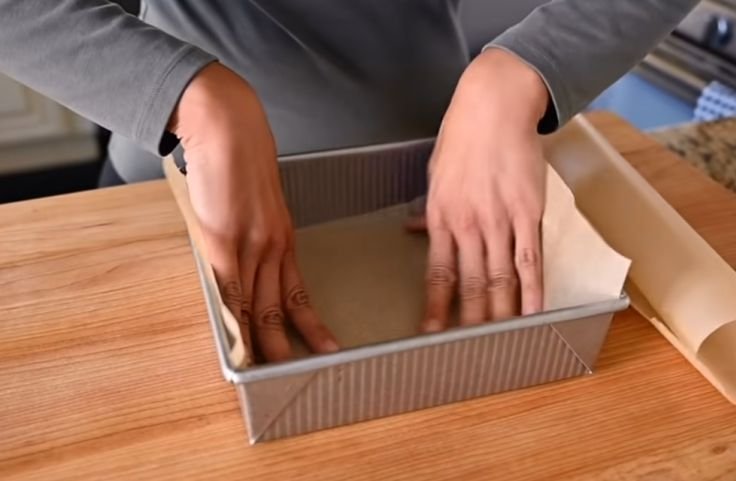
Preheat your oven to 350°F (175°C). Line an 8×8-inch pan with parchment paper or lightly oil it.
This keeps your brownies from sticking and helps them bake evenly.
Preparing your pan before mixing the batter saves time and prevents a mess later.
Mix the dry ingredients
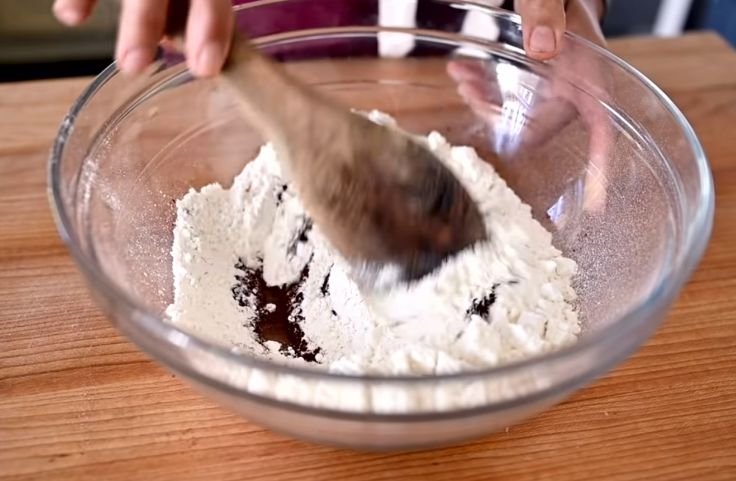
In a large bowl, combine cassava flour, cocoa powder, coconut sugar, baking soda, and salt.
Whisk them well to remove lumps and create a uniform mixture.
This step ensures even texture in your brownies and a consistent chocolate flavor in every bite.
Add wet ingredients and combine
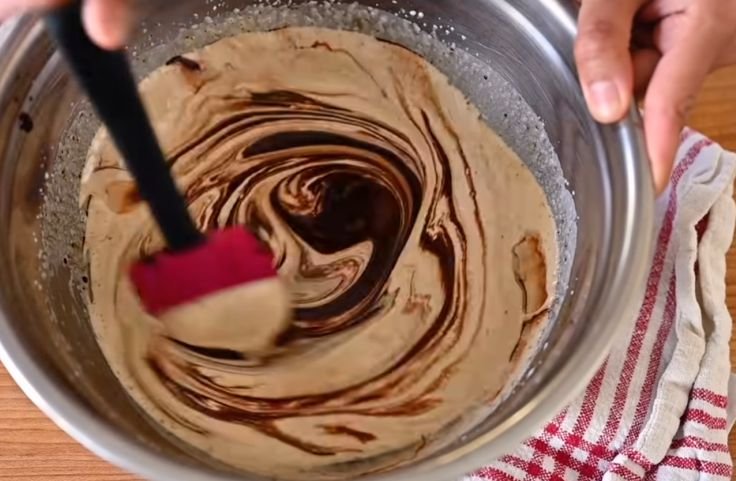
Pour in plant-based milk, melted coconut oil, and vanilla extract. Gently stir with a spatula or wooden spoon until smooth.
Avoid overmixing to keep the brownies soft and fudgy.
Fold in the chocolate chips carefully to distribute them without breaking the batter’s consistency.
Transfer and bake
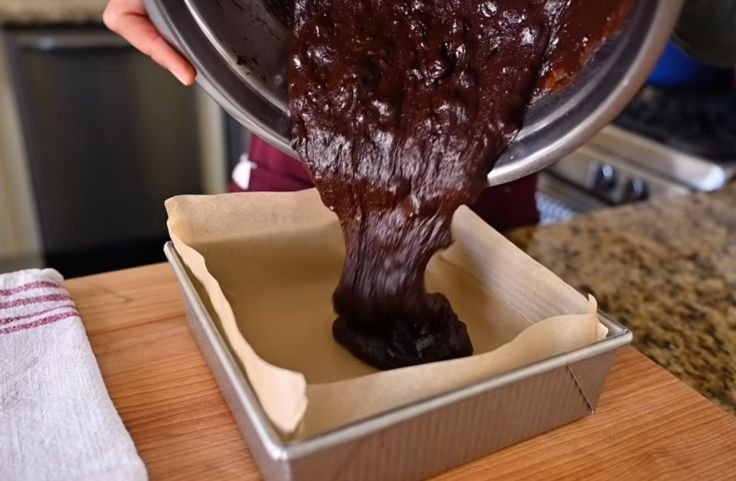
Pour the batter into the prepared pan and spread it evenly. Bake for 25-30 minutes.
Insert a toothpick in the center: it should come out clean or with a few moist crumbs.
Avoid overbaking to prevent dryness while maintaining that fudgy texture that makes brownies satisfying.
Cool and serve
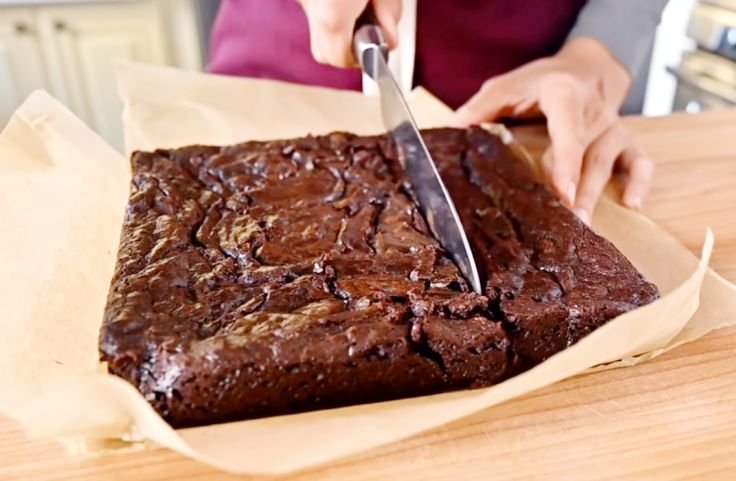
Let the brownies cool for about 10 minutes before cutting into squares.
You can add nuts, berries, or use different plant-based milks for subtle variations.
Try small tweaks to find the combination that suits your taste and dietary needs perfectly.
Common Mistakes to Avoid
Baking vegan cassava flour brownies can be fun, but small mistakes can change the outcome.
Knowing what to watch for helps you get fudgy, chocolatey brownies that hold together, stay moist, and taste great while staying plant-based and gluten-free.
Measure ingredients accurately
Using the right measurements makes a big difference. Cassava flour can vary in density, so weigh your ingredients with a kitchen scale.
Too much or too little flour, sugar, or oil changes the texture and may make your brownies dry, dense, or crumbly instead of soft and chewy.
Watch baking time closely
Underbaking is common with vegan brownies. Check them with a toothpick: it should come out with a few moist crumbs, not wet batter.
Overbaking makes them dry, underbaking leaves them gooey. Adjust your oven time to get the fudgy texture you want.
Choose the right cassava flour
Not all cassava flour is the same. Pick a finely ground variety, sometimes called tapioca flour, for smoother batter and even texture.
Using coarse or incorrect flour can create gritty brownies that affect the taste and consistency of your vegan dessert.
Avoid overmixing the batter
Mixing for too long can make your brownies tough. Stir just until the ingredients come together.
Folding in chocolate chips or nuts gently keeps the batter light, giving your brownies a soft, fudgy texture that melts in your mouth.
Prep your pan properly
Skipping parchment paper or not greasing your pan can cause brownies to stick.
Line your baking pan or lightly oil it to make cutting and serving easy.
Proper prep saves your brownies from breaking and keeps them looking neat for sharing.
Serving Suggestions
Vegan cassava flour brownies are delicious on their own, but you can serve them in ways that make each bite more enjoyable.
These ideas help you enjoy brownies at home, at gatherings, or as a satisfying snack while keeping them gluten-free and plant-based.
With plant-based ice cream
Pair your brownies with a scoop of coconut, vanilla, or chocolate vegan ice cream.
The creamy, cold texture contrasts with the fudgy brownies, creating a satisfying dessert that balances richness with smooth, plant-based flavors.
Drizzle with chocolate sauce
Top your brownies with vegan chocolate sauce for extra sweetness and a glossy finish.
You can make the sauce at home with cocoa powder and plant-based milk, adding richness without using dairy.
Serve with fresh fruit
Add slices of strawberries, blueberries, or tropical fruit like mango and kiwi.
The fresh fruit cuts through the dense chocolate, giving a light, refreshing contrast while keeping your dessert plant-based and gluten-free.
Ideal for parties and gatherings
Bring brownies to birthdays, picnics, or holiday events. Their chocolate flavor and gluten-free nature make them appealing to a wide
Storage
Keep squares in an airtight container at room temperature for up to three days, or refrigerate them for five.
For longer storage, wrap squares separately and freeze them for up to three months, then thaw at room temperature.
Chilled brownies taste denser and fudgier, which some people actually prefer straight from the fridge.
Final Thoughts
Cassava flour brownies prove that gluten-free baking does not require complicated blends or unusual ingredients.
Use a modest amount of flour, whisk the eggs hard, and rest the batter before it goes into the oven.
Pull the pan while the center still wobbles slightly, and let it cool fully before cutting.
Those habits matter more than brand choice, although weighing your flour removes most of the guesswork.
Bake a pan this week, tell me in the comments how yours turned out, and then browse our cassava flour baking ideas next.
Frequently Asked Questions
Can I use tapioca flour instead of cassava flour in brownies?
Tapioca flour is pure extracted starch, so swapping it in gives gummy squares with weak structure. Stick with cassava flour, which contains the whole root’s fiber and body.
Why are my cassava brownies dry or crumbly?
Dry squares usually mean too much flour or oven time, since cassava flour absorbs moisture quickly. Weigh the flour next time and remove the pan a little sooner.
Do brownies made with cassava flour taste different?
Chocolate, sugar, and espresso dominate the flavor, so the flour swap is hard to notice. The texture runs slightly chewier than wheat versions, which many bakers actually prefer.
Are these brownies safe for people with celiac disease?
Cassava flour contains no gluten, but celiac bakers should choose certified gluten-free flour, chocolate, and cocoa. Shared mills and equipment can sometimes introduce cross-contact with wheat during processing.

Chimeremeze Emeh is a tropical crop farmer and chemical engineer from Ntigha, Isiala Ngwa North LGA, Abia State, Eastern Nigeria, specializing in cassava and palm oil, with over 30 years of hands-on experience growing, harvesting, and processing cassava. He grows TMS series, TME 419, and local traditional varieties on his own farms and operates a small-scale cassava flour and starch production business through Cassava Pathway, which he founded as a CAMA-registered agribusiness in 2024. He is also the founder of Palm Oil Pathway, where he applies the same tropical farming expertise. His farms are located in Ntigha, Abia State.