Last updated on October 31st, 2026 at 06:32 am
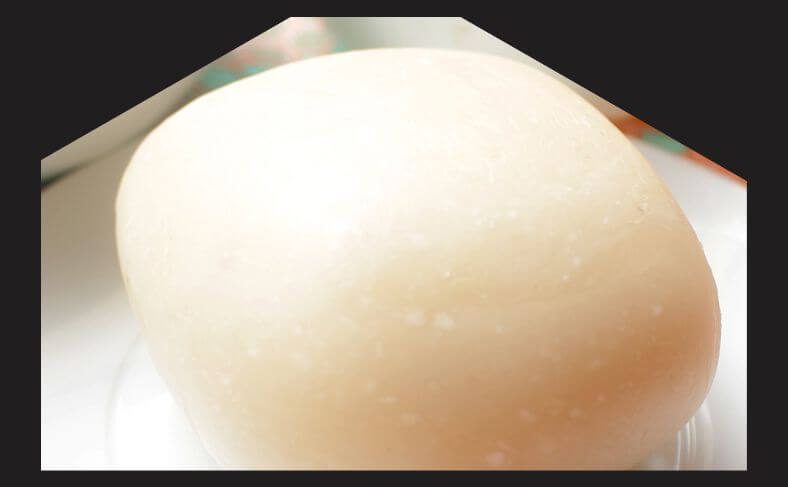
What is fufu depends on where you ask, because Ghana, Nigeria, and the Caribbean each make it differently. In my Ngwa hometown, it means akpu, a smooth fermented cassava swallow cooked in an oiled pot and eaten with ogbono soup.
Akpu is the most eaten swallow in my town in Abia State, and my family still makes it at home.
Years ago, mostly older people ate it, because the old fermenting and pounding methods gave a strong, sour smell.
Refined methods changed that, and young people in my town now eat it with interest.
This guide covers how fufu differs across Ghana, Nigeria, Central Africa, and the Caribbean, then gives my family’s full akpu method step by step.
It closes with safety research, glycemic data from Nigerian studies, serving ideas, and how fufu compares with garri and other cassava foods.
Table of Contents
What Is Fufu, Exactly?
Fufu is a soft, stretchy swallow made from starchy roots, pinched by hand to form a morsel, dipped in soup, and swallowed rather than chewed.
Wikipedia’s fufu entry traces the name to Twi, the language of Ghana’s Akan people, where a historian says it means white.
The honest answer to what is fufu therefore changes with the country, the root, and the cook.
Across West Africa, it sits beside garri, amala, and pounded yam as an everyday swallow eaten with soup.
Regional Versions of Fufu
| Region | Local name | Made from | Notes |
|---|---|---|---|
| Ghana | Fufu | Boiled cassava, sometimes with plantain or cocoyam | Pounded in a mortar, served with light or palm nut soup |
| Nigeria | Akpu or fufu | Fermented cassava only | Soaked for days, sieved, and cooked |
| Côte d’Ivoire | Foutou | Yam, cassava, plantain, or taro | A heavier paste than Ghanaian fufu |
| Cuba | Fufú | Plantain | Mashed rather than fermented |
| Haiti | Tonm tonm | Breadfruit | Served with okra stew |
| Puerto Rico | Mofongo | Fried plantain with garlic | Firmer and crustier than African fufu |
All of these regional details come from the Wikipedia entry, which also notes that Nigerian akpu is commonly eaten with egusi soup.
Cassava’s wider role in island cooking is covered in the article on cassava in Caribbean cuisine.
How My Family Makes Akpu
- Peel the roots, or soak them whole and lift off the softened skin once fermentation finishes.
- Soak the roots in a covered drum, basin, or bucket for three days in strong sun, or four when cloudy.
- Mash the softened roots and pass the mash through a sieve to remove the tough fiber.
- Drain the wet paste until most of the water has run off.
- Pour some water into a pot, then coat the pot with vegetable oil or red palm oil.
- Add the drained paste in one mass, without shaping it into balls first.
- Stir continuously over the heat for up to about 40 minutes, depending on how strong the fire is.
- Stop once the akpu is no longer sticky, which shows it is thoroughly cooked.
The oil is our secret, because it keeps the akpu from sticking and the finished swallow smells clean.
That is why I do not eat akpu anywhere outside my own home.
Older methods fermented roots with the peel on for three days, after which the peels come off on their own; the white part is pounded into a paste or rolled into balls before cooking.
Those versions smelled strong, which kept many younger people away until households refined the process.
Peeling technique is shown in the guide on peeling cassava properly, and larger sieves appear under the cassava sieving machine.
Akpu’s place among other household methods is described in the guide to traditional methods of processing cassava.
Is Fufu Safe? Cyanide and Fermentation
A 2019 study in Scientific African measured cyanide elimination of about 91 percent during fufu processing.
A 2025 systematic review in Frontiers in Sustainable Food Systems found akpu dough from mid-western Nigeria as low as 0.2 milligrams per kilogram.
The same review found cassava pastes and doughs averaging 38.1, with crushed dough from Ivory Coast reaching 79.5.
Professor Oke of the University of Ife called soaking and sun-drying for fufu the most efficient detoxification process, according to ISTRC proceedings.
No one in my town blends raw cassava into fufu, though I hear that shortcut exists in distant places.
Skipping the soak removes the step that does the most detoxifying work, so I would not recommend it.
Full methods appear in the guide on removing cyanide from cassava, with warning signs under cyanide poisoning from cassava.
Fufu and Blood Sugar
An IITA study of Nigerian staples measured fufu from three cassava varieties at glycemic indices of 86, 91, and 92.
TME 419, the variety I grow, produced fufu with a glycemic index of 86 in that study.
Smaller portions, paired with protein-rich soups such as ogbono or egusi, make a more balanced plate.
Wider health questions are covered in the guide to cassava health benefits, and fufu contains no gluten, as the post on cassava and gluten confirms.
Fufu Versus Garri
| Feature | Fufu (akpu) | Garri |
|---|---|---|
| Processing | Roots soaked and fermented, then sieved | Roots grated, pressed, fermented, and roasted |
| Form | Wet paste, cooked fresh | Dry granules |
| Preparation | Stirred in an oiled pot for up to 40 minutes | Mixed with hot water into eba |
| Storage | Eaten soon after cooking | Stores dry for long periods |
The full garri process is set out in the garri production guide.
Serving Fufu
I love akpu with ogbono soup, though it goes well with nearly every soup we cook.
Pinch a small piece with your right hand, roll it lightly, dip it in soup, and swallow it.
Packaged fufu flour is sold in some shops abroad, though I have never seen or used it.
More traditional dishes are gathered in the collection of cassava-based foods and recipes.
The root’s role in daily diets across Africa is covered in the article on cassava as a staple food.
Conclusion
Anyone asking what is fufu should picture a soft, stretchy swallow, pinched by hand and dipped in soup.
Ghana pounds boiled cassava with plantain, while Nigerian akpu relies on several days of careful soaking and fermentation.
My family drains the paste, then stirs it in an oiled, watered pot for about 40 minutes until it stops sticking.
Fermentation removes most cyanide, though fufu scores high on the glycemic index, so portion sizes really matter.
For cassava processing questions or flour and starch from Ntigha, message Cassava Pathway directly on WhatsApp.
Frequently Asked Questions
What ingredients go into fufu?
In Nigeria, fufu means fermented cassava, while Ghana pounds freshly boiled cassava with plantain or cocoyam.
Caribbean versions lean on plantain or breadfruit rather than on cassava root.
Is fufu safe to eat?
Properly fermented fufu is safe, since one study measured about 91 percent cyanide elimination.
Shortcuts that skip soaking and fermentation leave far more cyanide behind in the paste.
What is the difference between fufu and garri?
Fufu is a wet paste from soaked, fermented roots, cooked fresh in a pot.
Garri is grated, pressed, fermented, and roasted into dry granules that store very well.
Why does some fufu smell so strong?
Older methods, like fermenting roots with the peel on and molding balls, gave a strong smell.
Cooking the drained paste in an oiled pot gives a cleaner result.
Disclaimer: This article is for informational purposes only and does not constitute medical advice. The author is not a medical doctor or registered dietitian. Always consult a qualified healthcare provider before making dietary or medical decisions related to cassava consumption.

Chimeremeze Emeh is a tropical crop farmer and chemical engineer from Ntigha, Isiala Ngwa North LGA, Abia State, Eastern Nigeria, specializing in cassava and palm oil, with over 30 years of hands-on experience growing, harvesting, and processing cassava. He grows TMS series, TME 419, and local traditional varieties on his own farms and operates a small-scale cassava flour and starch production business through Cassava Pathway, which he founded as a CAMA-registered agribusiness in 2024. He is also the founder of Palm Oil Pathway, where he applies the same tropical farming expertise. His farms are located in Ntigha, Abia State.