
Last updated on August 4th, 2026 at 11:05 am
A mechanical harvester lifts cassava roots without the cuts and bruises a hand-dug harvest leaves behind. That single difference at the very start of the chain determines how much of your final flour, starch, or garri survives to market.
Modern cassava processing turns roots into flour, starch, or garri through a series of mechanized stages, each building on the last.
Rather than re-explaining how every single machine works, since dedicated posts on peeling, grinding, pressing, and drying equipment already cover that ground in depth, this guide walks through the full journey stage by stage and explains why speed, hygiene, and consistency matter at each point.
You will also learn how modern methods compare with traditional processing, covered fully in our companion guide, along with the real environmental and safety considerations that come with scaling operations up further.
Table of Contents
Why Modern Processing Matters
Modern cassava processing delivers measurable advantages over manual methods across five areas.
- Speed. Automated peeling, grating, drying, and packaging cut processing time significantly compared with hand labor.
- Consistency. Uniform drying and controlled fermentation produce flour, starch, and garri with predictable texture batch after batch.
- Shelf life and safety. Better moisture control and cleaner handling extend how long finished products stay safe to eat.
- Byproduct use. Modern lines recover fiber and effluent for animal feed, bioethanol, or biogas instead of discarding them.
- Economic reach. Larger-scale, export-ready production opens markets that raw or minimally processed cassava cannot reach.
The Modern Processing Journey, Stage by Stage
Harvesting and Initial Handling
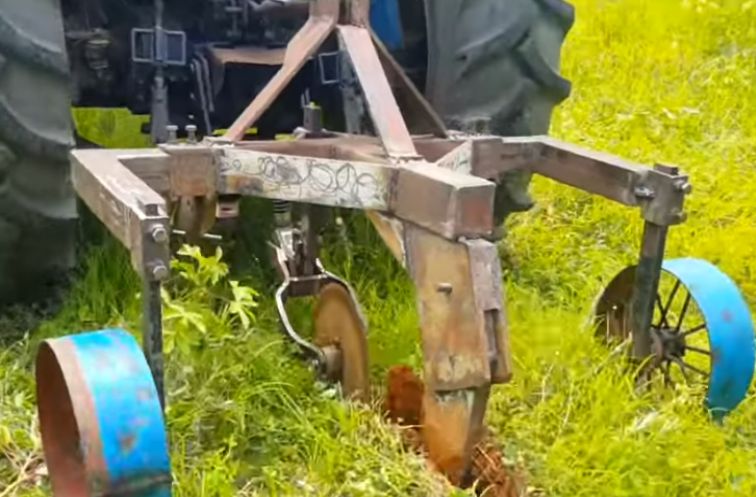
Cassava spoils quickly once pulled from the ground, so the first few hours matter as much as any later step.
Mechanical harvesters reduce the cuts and bruises hand-digging causes, and moving roots in clean, ventilated containers right after harvest limits moisture buildup and early spoilage.
Cleaning and Peeling

Mechanized washing systems use pressure jets and brushes to remove soil more thoroughly than scrubbing, while automated peelers deliver more even results with less skilled labor.
Readers wanting the full peeling process, including its safety science, should read our guide on peeling cassava root or our dedicated cassava peeling machine guide.
Grating and Crushing
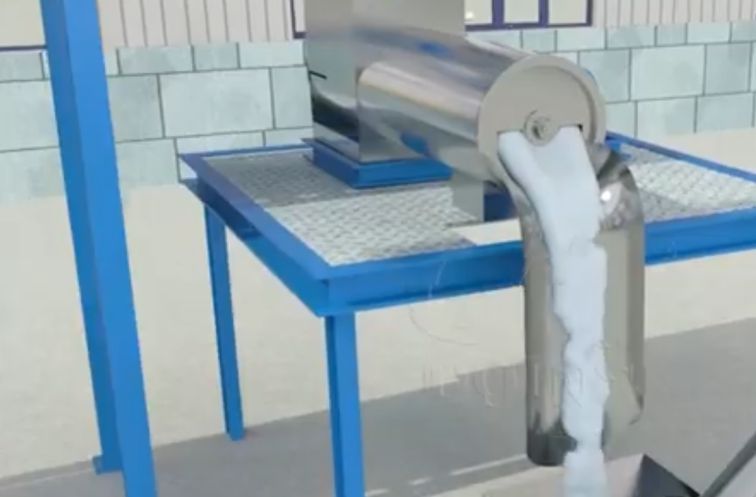
High-capacity graters break down peeled roots into pulp far faster than manual grating, supporting continuous production without bottlenecks.
The full guide to cassava grinding machines covers grater, rasper, and mill types in complete detail.
Fermentation
Fermentation converts starches into simpler sugars and acids, a step central to garri and fufu production specifically.
A peer-reviewed review of cassava detoxification confirms that fermentation substantially reduces cyanogenic compounds, published by Gavin Publishers.
Combining fermentation with other steps, including grating and drying, works better than any single method alone, per the Food and Agriculture Organization.
Modern fermentation tanks with temperature control make this process more predictable than open, uncontrolled fermentation ever could.
Dewatering
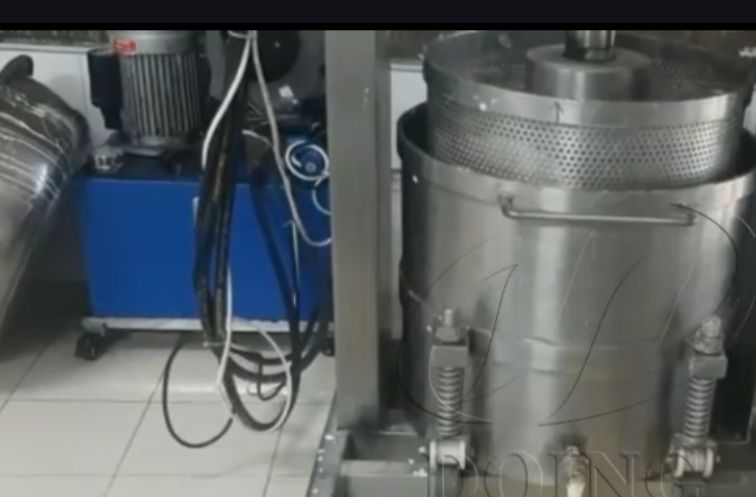
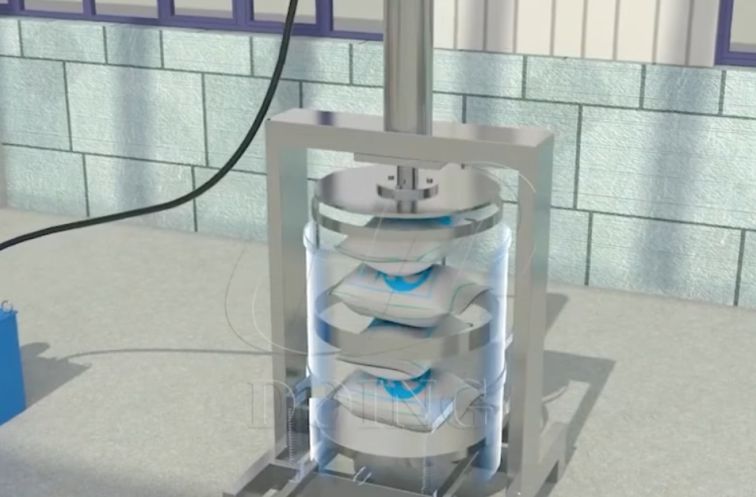
Hydraulic and screw presses remove water from grated cassava before drying, which shortens drying time considerably.
This step also reduces cyanide content by carrying away the liquid where toxins concentrate.
Our dedicated guide on the cassava pressing machine covers both press types in full.
Drying
Solar, rotary, and flash drying methods each remove moisture differently, with flash drying offering the fastest turnaround for starch and fine flour production.
Dried cassava chips should reach around 12 percent moisture for reliable milling, according to a technical overview published in ScienceDirect.
This guide on the cassava flash dryer covers this equipment in depth.
Milling and Sieving
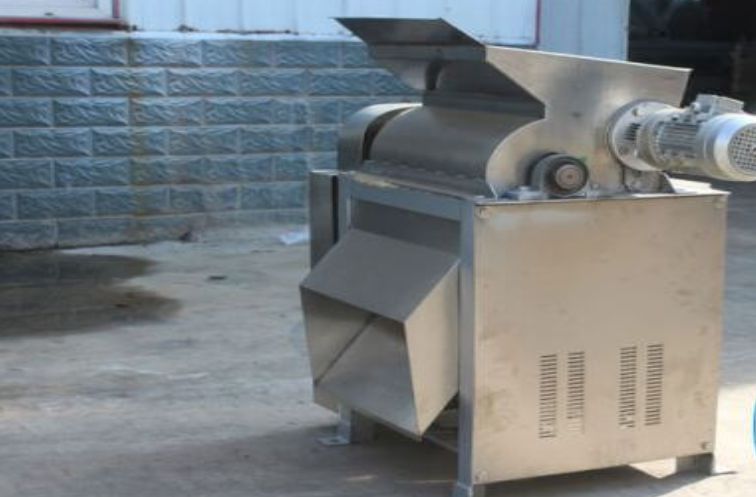
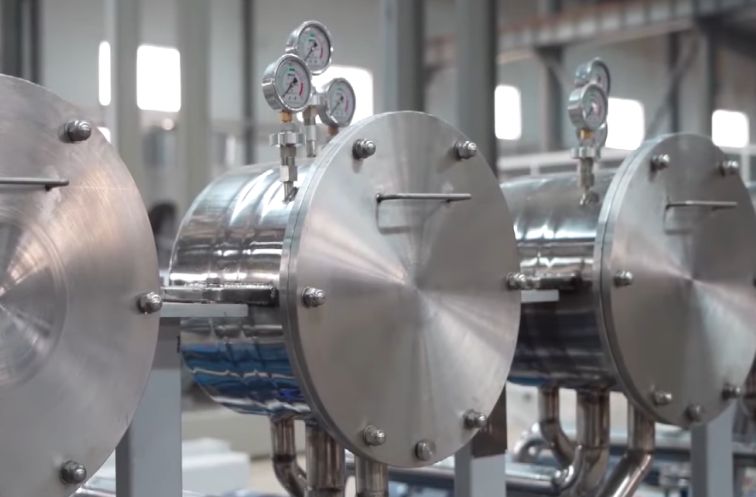
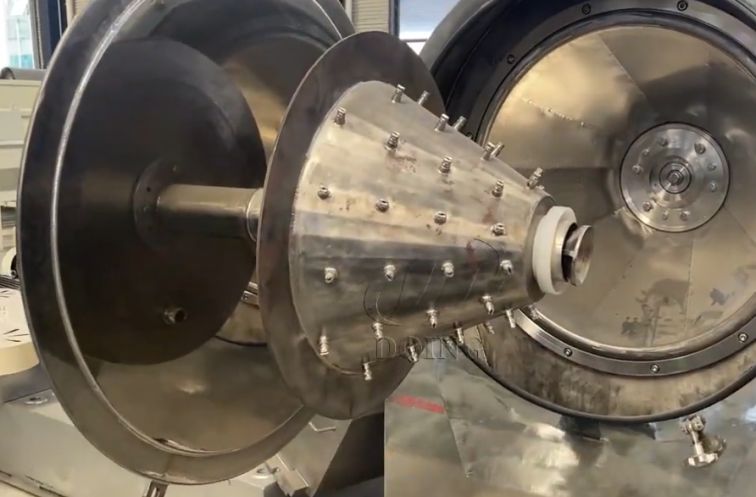
Hammer mills and disc mills reduce dried chips into fine flour, while sifting systems sort particles by size for a uniform final product.
Our dedicated guide on the cassava flour milling machine covers this entire process, including realistic costs and buying advice.
Packaging and Storage
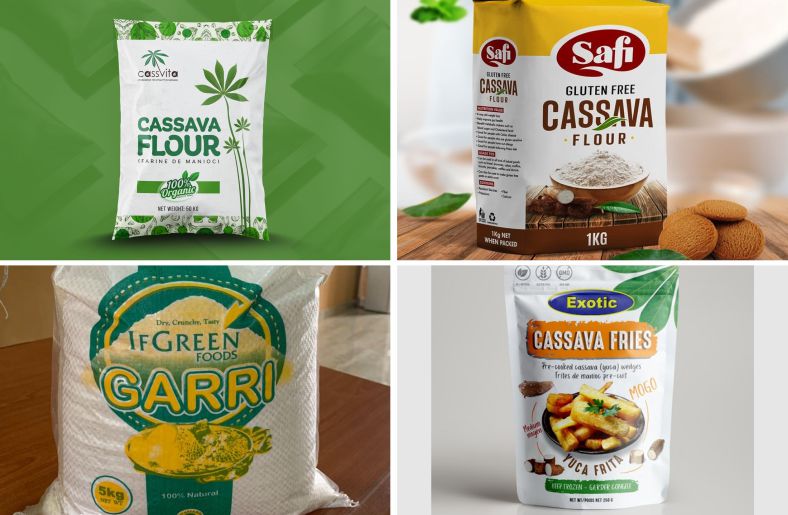
Vacuum packaging and modified atmosphere packaging both slow microbial growth and oxidation, extending shelf life well beyond what open storage achieves.
Research on modified atmosphere and vacuum packaging confirms these methods measurably extend shelf life across many food products, per a review in PMC.
Environmental and Safety Considerations
Cassava processing generates real waste, mainly peels and effluent, that must be managed rather than dumped untreated.
Recycling peels into animal feed or biogas turns this waste into a genuine byproduct rather than a disposal problem.
Water-efficient, closed-loop systems cut consumption significantly in drought-prone cassava growing regions worldwide.
Automation, meanwhile, keeps workers away from hazardous manual tasks and reduces direct exposure to cyanogenic compounds during processing.
Readers wanting the complete safety picture should read our guide on removing cyanide from cassava root.
Conclusion
Modern cassava processing works because each mechanized stage builds on the one before it, from mechanical harvesting through to sealed, shelf-stable packaging.
Speed and hygiene matter at every step, since delays or contamination anywhere in the chain cost you yield, safety, or both.
Automation reduces waste, protects workers from exposure, and opens doors to export markets that demand consistent, traceable products.
None of this replaces the value of traditional methods entirely; it scales what already works.
Frequently Asked Questions
Why is modern cassava processing better than traditional methods?
Modern methods process cassava faster and more hygienically, reducing spoilage and contamination risk while producing genuinely more consistent flour, starch, and garri than manual traditional techniques typically allow.
How does modern technology improve cassava shelf life?
Efficient drying, controlled fermentation, and vacuum or modified atmosphere packaging together extend shelf life considerably by minimizing moisture, microbial growth, and oxygen exposure throughout both storage and transport.
What makes cassava suitable for international export?
Hygienic mechanized processing, consistent quality control, and traceability systems help modern cassava products increasingly meet strict international standards, making them genuinely export-ready and competitive in today’s global markets.
Can small-scale farmers benefit from modern cassava processing?
Yes, mobile processing units, shared community equipment, and targeted training programs help smallholder farmers access modern tools, improving yield quality, reducing waste, and increasing real overall processing profits.

Chimeremeze Emeh is a tropical crop farmer and chemical engineer from Ntigha, Isiala Ngwa North LGA, Abia State, Eastern Nigeria, specializing in cassava and palm oil, with over 30 years of hands-on experience growing, harvesting, and processing cassava. He grows TMS series, TME 419, and local traditional varieties on his own farms and operates a small-scale cassava flour and starch production business through Cassava Pathway, which he founded as a CAMA-registered agribusiness in 2024. He is also the founder of Palm Oil Pathway, where he applies the same tropical farming expertise. His farms are located in Ntigha, Abia State.