Last updated on August 4th, 2026 at 10:34 am
Dried cassava chips at 12 percent moisture behave completely differently inside a mill than chips left too wet, and that single detail decides if your flour turns out fine and shelf-stable or clumped, gritty, and headed for very early spoilage.
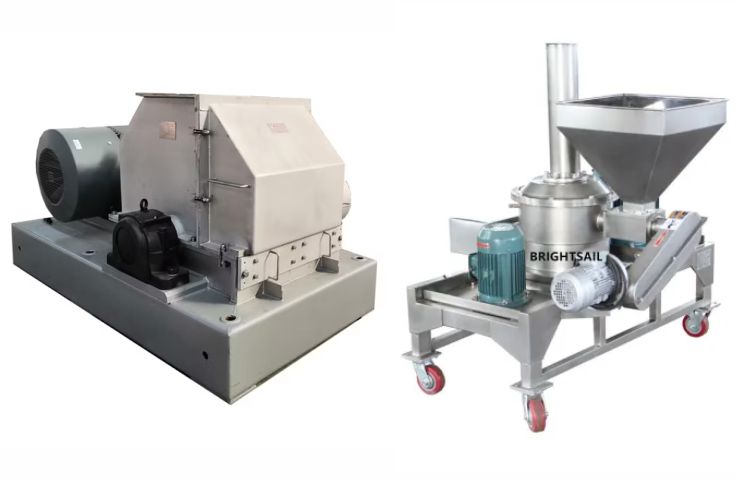
A cassava flour milling machine takes dried cassava chips and reduces them, step by step, into the fine, uniform flour that bakeries and food brands buy.
Rather than repeating the broader taxonomy of graters, raspers, and hammer mills already covered in our guide to cassava grinding machines, this post walks through the specific milling process from dried chip to packaged flour, the real costs involved, and what separates a good machine from a bad one.
You will learn exactly how moisture content affects your output, what a reliable machine costs at different scales, and where to source one with confidence.
A cassava flour milling machine earns its keep by turning bulky roots into marketable, gluten-free cassava flour that meets rising demand.
Readers wanting the full lineup of processing equipment beyond milling should also read our cassava processing equipment guide.
Table of Contents
How Cassava Flour Milling Actually Works
Drying the Chips First
Milling only works once cassava chips reach the right dryness level throughout. Dried chips at 12 percent moisture can be reduced in size and fed directly into standard milling equipment.
This achieves conversion rates above 90 percent, according to a technical overview published in ScienceDirect.
A separate drying study found that cassava chips generally settle into a 12 to 15 percent moisture range regardless of drying method, sun-dried or oven-dried.
This finding comes from research published in the International Information and Engineering Technology Association journal.
Chips left wetter than this clog machinery and shorten the finished flour’s shelf life.
Properly milled cassava flour should also fall below safe cyanogen thresholds, a benchmark detailed in processing research published by the Food and Agriculture Organization.
Feeding and Grinding
Dried chips enter the machine’s feed hopper, where consistent, even feeding produces more uniform output than dumping large batches all at once.
Inside the grinder, blades or hammers crush the chips into fine particles, sometimes passing through more than one grinding stage depending on the machine’s design.
Sorting and Collecting
A built-in sifting system separates fine flour from larger fragments, sending oversized particles back through the grinder for another pass.
Quality cassava flour typically passes through a 60 to 200 mesh screen, according to processing guidelines published by Henan Jinrui, a cassava machinery manufacturer.
Once sorted, flour moves to the output area for bagging, either by hand for small operations or through automatic filling systems at larger scale.
What to Check Before You Buy
- Grinding capacity. Match the machine’s kilograms or tons per hour rating to your actual daily volume, since overbuying capacity wastes money and underbuying creates bottlenecks.
- Power source. Electric machines run fastest with steady power, diesel models work off-grid but need fuel, and manual machines cost least but demand more labor.
- Dust control. Milling generates fine airborne particles, so machines with built-in filters or collection systems protect both worker health and product cleanliness.
- Durability. Stainless steel or iron construction resists wear from cassava’s abrasive, starchy texture far better than machines built with flimsier materials.
- Maintenance access. Machines with clear manuals, accessible parts, and locally available spare parts stay in service longer with far less downtime.
What a Cassava Flour Milling Machine Actually Costs
Smaller machines suited to home or light business use typically run between 1,000 and 5,000 dollars.
Larger commercial machines, built for higher volume and typically including continuous feed or fine particle control, range from 10,000 to over 20,000 dollars.
Build quality affects price directly, since stainless steel components cost more upfront but resist rust and wear better over years of daily use.
Automated machines that grind, sift, and sort in one pass cost more than manual, single-function models but reduce labor significantly.
Where to Source a Reliable Machine
Local agricultural equipment suppliers let you see machines in action and negotiate service arrangements before buying.
Online marketplaces expand your options considerably, though checking seller ratings and reviews matters more when buying sight unseen.
Readers wanting a curated list of established suppliers should read our guide on cassava processing equipment manufacturers.
Government agricultural programs and cooperatives sometimes offer subsidized equipment or bulk purchasing discounts worth investigating before paying full retail price.
Common Operating Challenges
- Moisture control. Chips above the target moisture range cause clumping and shorten shelf life, making consistent drying the single most important prerequisite for good milling.
- Fiber buildup. Cassava fibers clog machinery with continued use, so models with wide outlets and easy-access cleaning points reduce downtime considerably.
- Spare parts availability. Keeping belts, bearings, and other wear parts on hand prevents extended shutdowns when something eventually breaks.
- Power reliability. Unstable electricity damages motors, so diesel backup, battery systems, or voltage stabilizers protect your investment in areas with frequent outages.
Readers building out a complete flour production line should also read our guides on traditional cassava flour production and high-quality cassava flour.
Our posts on the cassava pressing machine and the cassava flash dryer cover the steps that come before milling.
Conclusion
A cassava flour milling machine earns its cost through consistent output, not just grinding power.
Dry your chips to around 12 percent moisture first, since that single detail separates smooth flour from clumped, spoiled batches.
Match the machine to your actual volume rather than buying more capacity than you need, and budget for maintenance from day one rather than treating it as an afterthought.
Buying local or importing, verify the seller’s track record before you commit money.
Frequently Asked Questions
What moisture level should cassava chips have before milling?
Cassava chips should reach around 12 percent moisture or lower before milling, since wetter chips clog the machine, cause clumping, and shorten the flour’s shelf life quite significantly.
How much does a cassava flour milling machine cost?
Small machines for home or light business use typically run between 1,000 and 5,000 dollars, while generally larger commercial machines range roughly from 10,000 to over 20,000 dollars.
What is the difference between a hammer mill and a pin mill?
A hammer mill grinds cassava quickly using fast-moving hammers, generating more heat, while a pin mill grinds more slowly but produces finer flour with noticeably less heat buildup.
How do I choose between a local and imported milling machine?
Local machines are usually easier and cheaper to service, while imported machines may offer better technology but add real extra costs for customs, shipping, and currency exchange rates.

Chimeremeze Emeh is a tropical crop farmer and chemical engineer from Ntigha, Isiala Ngwa North LGA, Abia State, Eastern Nigeria, specializing in cassava and palm oil, with over 30 years of hands-on experience growing, harvesting, and processing cassava. He grows TMS series, TME 419, and local traditional varieties on his own farms and operates a small-scale cassava flour and starch production business through Cassava Pathway, which he founded as a CAMA-registered agribusiness in 2024. He is also the founder of Palm Oil Pathway, where he applies the same tropical farming expertise. His farms are located in Ntigha, Abia State.