
Last updated on August 5th, 2026 at 08:02 am
Search for the glowing cassava dryer success story that keeps circulating online and you will not find it anywhere outside the article repeating it, yet real published research on flash dryer adoption in Nigeria tells a far more useful story.
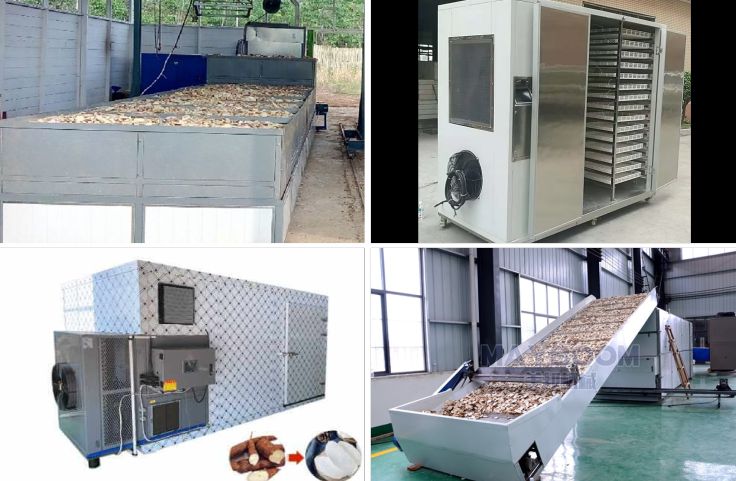
Cassava dryer machines cover five real technologies: flash, tray, rotary, cabinet, and belt, each suited to a different scale and budget.
Rather than repeating the deep buying and cost detail already covered in our dedicated guide to the cassava flash dryer, this post gives full treatment to the four types that do not have their own guide yet: tray, rotary, cabinet, and belt dryers.
You will find real published research on why some processors abandon flash dryers, information a polished success story would never mention.
Every dryer type gets an honest look at how it works and where it fits.
Table of Contents
What Is a Cassava Dryer Machine?
A cassava dryer machine is any machine that removes moisture from cassava through controlled heat and airflow, replacing weather-dependent sun drying with faster, more hygienic, uniform results.
This step fits within the broader shift toward modern cassava processing that most commercial operations now rely on.
Unlike sun drying, which can take a full day or more, machine drying typically finishes in hours regardless of weather conditions.
Why Drying Matters in Cassava Processing
Proper drying removes the moisture mold and bacteria need to grow, protecting both nutritional content and shelf life.
Dried cassava opens the door to flour, starch, chips, and animal feed, each requiring specific moisture levels to perform correctly.
Dry cassava can also sit in storage for months, giving processors flexibility to sell or process on their own schedule rather than rushing before spoilage sets in.
The Five Dryer Types
Flash Dryer

Flash dryers use high-speed hot air to dry fine cassava particles in seconds, making them ideal for high-volume starch and flour production.
Small-scale units process roughly 250 to 500 kilograms hourly, while industrial units reach 8 to 10 tons, according to research published by CIRAD.
Read the dedicated cassava flash dryer guide covers this technology, real capacity data, and buying advice in full.
Tray Dryer
Sliced cassava rests on trays inside a chamber where heated air circulates until moisture evaporates.
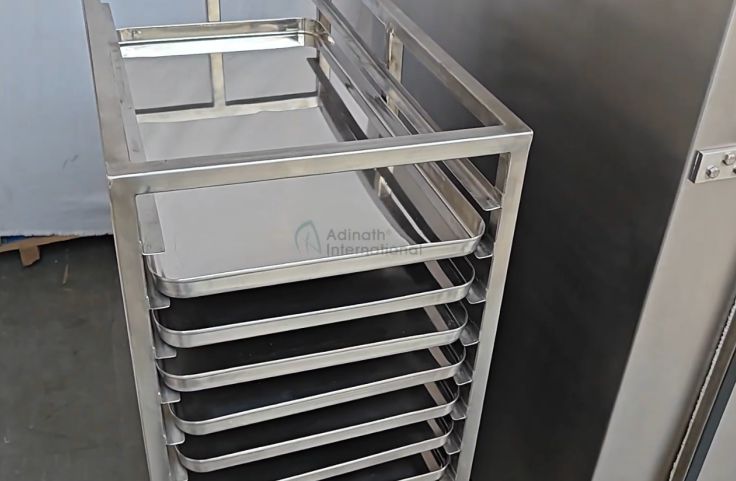
This method takes longer than flash drying but costs less and gives operators direct control over both temperature and time.
Tray dryers suit small to medium processors prioritizing energy savings over raw speed.
Rotary Dryer
A large rotating drum tumbles cassava continuously through heated air, ensuring even exposure as material moves from one end to the other.
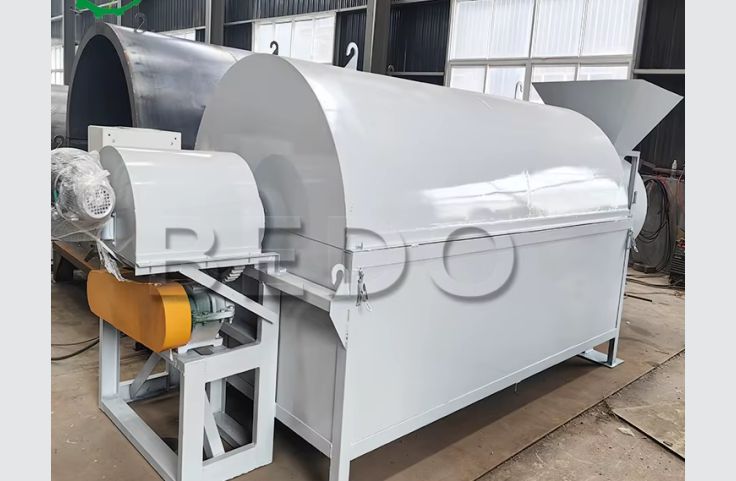
This continuous, hands-off process suits industrial-scale starch or feed production where round-the-clock output matters more than upfront simplicity.
Cabinet Dryer
Cassava slices sit in a sealed, enclosed compartment while heated air circulates through built-in ducts and fans.
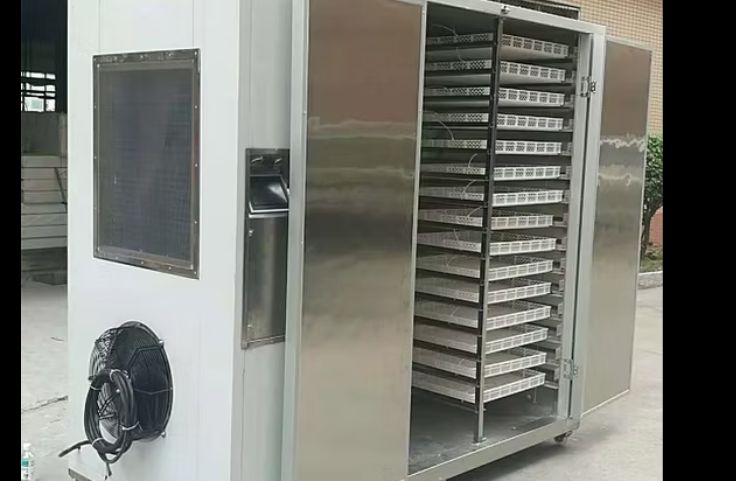
A study on a biomass-powered cabinet dryer found it reduced cassava moisture from roughly 38 percent to about 11 percent.
This particular unit operated between 50 and 115 degrees Celsius, published in MDPI.
Drying efficiencies in that same study ranged from 59 to 88 percent depending on conditions.
Cabinet dryers suit smaller, high-value batches where preserving color and flavor matters.
Belt Dryer
A moving conveyor carries sliced cassava through multiple heated zones, typically starting hot to remove surface moisture before finishing cooler for deeper drying.

This mostly automated setup suits operations needing steady volume and consistency, particularly for starch or chip production run regularly.
What Real Research Shows About Dryer Adoption
Buying a dryer alone does not automatically guarantee genuine long-term daily use.
A peer-reviewed survey of cassava processors in Nigeria found that 49 percent of firms had stopped using their flash dryers.
High processing costs tied to inefficient heat-generating components drove most of that abandonment, published by CGIAR.
The same research found 41 percent of processors would pay for technical adjustments that could improve energy efficiency by up to 40 percent.
For comparison, sun drying alone took roughly 16 hours to dry just 4.5 kilograms of peeled cassava chips in a separate performance study published on ResearchGate.
This context matters when weighing the real cost of upgrading against sun drying’s genuine limitations.
Features to Check Before Buying
- Drying capacity. Match the machine to your daily processing volume rather than the largest model on offer.
- Energy source. Solar suits sunny regions, electricity suits stable grids, and biomass works where farm waste is plentiful.
- Temperature control. Adjustable settings help you dry cassava evenly and reduce spoilage across every single batch.
- Build material. Rust-resistant materials hold up far longer in humid, heavy-use processing environments than cheaper alternatives.
Cost Guide
Entry-level dryers, including solar and manual models, typically cost between 2,000 and 5,000 dollars, suited to small-scale processors just starting out.
Mid-range mechanical or hybrid models run from roughly 5,000 to 15,000 dollars, offering better components and features like adjustable airflow.
Industrial-grade dryers start around 15,000 dollars and can exceed 25,000 dollars, built for heavy-duty, automated commercial operations.
Readers wanting a curated, verified list of established suppliers should read our guide on cassava processing equipment manufacturers.
Maintenance Tips
Clean the dryer after each major use, since cassava residue and dust can clog airflow or stick to hot surfaces.
Lubricate gears, belts, and bearings on a regular schedule, using the specific oil or grease the manufacturer recommends.
Monitor temperature consistently with built-in sensors, and train every operator on safety switches and emergency shutdown procedures.
Readers building a complete processing line should also read our guides on the cassava peeling machine, cassava sieving machine, and cassava grater machine.
Small-scale processors should also read our guide on cassava processing machines for small businesses.
Frequently Asked Questions
What is the best drying method for cassava?
The best method depends on your scale, since flash dryers suit high-volume starch and flour, while tray or cabinet dryers work much better for smaller, specialty batches instead.
How much does a cassava dryer machine cost?
Prices range from about 2,000 dollars for small entry-level models to over 25,000 dollars for industrial-grade machines, depending typically on specific capacity, features, and the energy source used.
Can a cassava dryer machine run on solar power?
Yes, some dryer models run on solar power, which works especially well in consistently sunny regions and helps genuinely reduce long-term energy costs considerably for many small processors.
How long does it take to dry cassava in a machine?
Machine drying typically takes 2 to 6 hours depending on the dryer type and load size, considerably faster than sun drying, which can take an entire full day.
Conclusion
Cassava dryer machines earn their cost by replacing days of weather-dependent sun drying with hours of controlled, predictable results.
Flash dryers suit high-volume starch and flour operations, while tray, rotary, cabinet, and belt dryers each fit different scales and budgets.
Real research shows dryer adoption is not automatic, since nearly half of surveyed Nigerian flash dryer owners stopped using theirs over cost concerns.

Chimeremeze Emeh is a tropical crop farmer and chemical engineer from Ntigha, Isiala Ngwa North LGA, Abia State, Eastern Nigeria, specializing in cassava and palm oil, with over 30 years of hands-on experience growing, harvesting, and processing cassava. He grows TMS series, TME 419, and local traditional varieties on his own farms and operates a small-scale cassava flour and starch production business through Cassava Pathway, which he founded as a CAMA-registered agribusiness in 2024. He is also the founder of Palm Oil Pathway, where he applies the same tropical farming expertise. His farms are located in Ntigha, Abia State.