Last updated on July 31st, 2026 at 08:33 pm
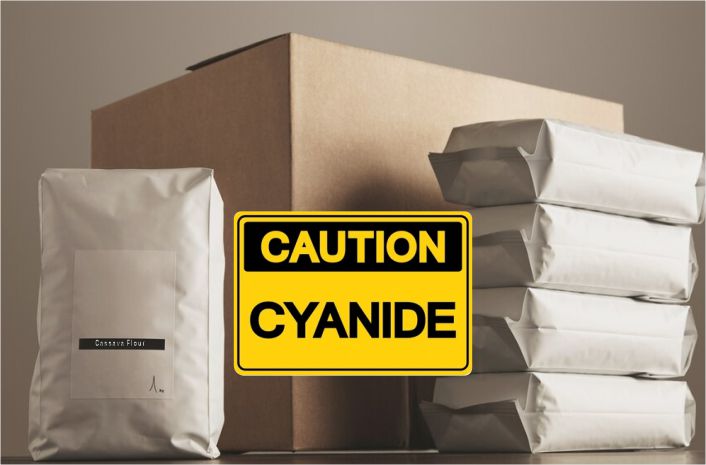
Two bags of cassava flour can sit side by side on a store shelf looking identical, yet one might carry seven times more cyanide than the other, and nothing on the label tells you which is which.
Cassava flour can contain cyanide, and the honest answer depends entirely on how it was processed, not on the flour itself.
Raw cassava contains cyanogenic glycosides that release hydrogen cyanide unless removed through proper soaking, fermenting, and drying.
Reputable manufacturers test for this and stay within official safety limits, but not every producer does.
This guide covers the real safety threshold, what actual test data show, and how to buy flour that meets the standard.
Disclaimer: This article is for informational purposes only and does not constitute medical advice. The author is not a medical doctor or registered dietitian. Always consult a qualified healthcare provider before making dietary or medical decisions related to cassava consumption.
Table of Contents
Does Cassava Flour Actually Contain Cyanide
Properly processed cassava flour is safe, since manufacturing steps like soaking and drying remove the vast majority of cyanogenic compounds before milling.
The Codex Alimentarius, the joint FAO and WHO food safety standard, sets a maximum of 10 milligrams of hydrogen cyanide per kilogram for edible cassava flour specifically.
Real test data complicates this picture, since a 2025 systematic review found cassava flour samples averaging as high as 71 milligrams per kilogram in some regions.
That gap between the regulatory standard and what some producers actually deliver is the real risk consumers face, not cassava flour as a category.
Gari carries a stricter limit of 2 milligrams of hydrogen cyanide per kilogram, and well-made batches typically test even lower than that threshold.
How to Buy Cassava Flour Safely
Buying cassava flour from established, tested brands reduces risk a great deal, since reputable manufacturers test batches specifically for cyanide residue before packaging.
The European Food Safety Authority has set an acute reference dose of 20 micrograms of cyanide per kilogram of body weight for single-exposure safety.
Third-party certifications on packaging can offer additional assurance, since they typically confirm a manufacturer follows recognized processing and testing standards.
Related Cassava Safety Risks
Home cooks working with fresh cassava before milling should follow the same soaking, fermenting, and drying steps covered in our guide to removing cyanide from cassava root.
Cyanide exposure from cassava flour specifically tends to be chronic and low-level rather than acute, since flour is typically consumed in smaller portions than fresh root.
That chronic exposure pattern is exactly what drives konzo disease in communities relying heavily on under-processed cassava products, covered fully in our konzo disease guide.
Acute poisoning from a single large exposure follows a different pattern, detailed in our guide to cyanide poisoning from cassava.
The broader question of how much raw cassava is dangerous overall is answered in our post on why cassava is poisonous.
Practical Tips for Home Use
Storing cassava flour properly after purchase does not reduce existing cyanide content, which is why sourcing quality matters more than any storage practice.
If you bake or cook with cassava flour regularly, rotating between a few trusted, tested brands adds a reasonable layer of protection.
None of this means cassava flour deserves suspicion as an ingredient, since properly processed flour has fed communities safely for generations.
The gluten-free baking market has grown specifically because well-made cassava flour performs reliably and safely when sourced correctly.
Checking for a visible quality or safety certification on packaging takes seconds and meaningfully narrows your risk before you ever open the bag.
If a specific batch of flour tastes unusually bitter, that can signal higher residual cyanogenic content and is worth treating with extra caution.
In the end, the science here is settled, cassava flour is safe when properly processed, and the responsibility for that processing sits with the manufacturer, not the consumer.
Conclusion
Cassava flour can contain cyanide, but that risk comes from incomplete processing, not from the ingredient itself.
The Codex Alimentarius sets a safety limit of 10 milligrams of hydrogen cyanide per kilogram, yet real test data shows some producers exceed that limit by a wide margin.
Buying from established, tested brands closes most of that gap for consumers.
Home processing of fresh cassava should follow the same soaking, fermenting, and drying steps that commercial producers rely on.
Choose flour from a source you trust, and cassava flour remains exactly as safe as any other gluten-free staple.
Frequently Asked Questions
Is all cassava flour safe to eat?
Properly processed cassava flour from reputable manufacturers is safe, though real test data shows some producers exceed the official cyanide safety limit for the product.
What is the official cyanide limit for cassava flour?
The Codex Alimentarius sets a maximum of 10 milligrams of hydrogen cyanide per kilogram for edible cassava flour, a standard set jointly by the FAO and WHO.
How can I tell if cassava flour is safely processed?
Buy from established brands that test for cyanide residue, and look for third-party certifications on packaging that confirm recognized processing and safety standards.
Does cooking with cassava flour remove any remaining cyanide?
Cooking may reduce cyanide slightly further, but flour should already meet safety limits before it reaches your kitchen, since baking alone cannot fully correct an unsafe batch.

Chimeremeze Emeh is a tropical crop farmer and chemical engineer from Ntigha, Isiala Ngwa North LGA, Abia State, Eastern Nigeria, specializing in cassava and palm oil, with over 30 years of hands-on experience growing, harvesting, and processing cassava. He grows TMS series, TME 419, and local traditional varieties on his own farms and operates a small-scale cassava flour and starch production business through Cassava Pathway, which he founded as a CAMA-registered agribusiness in 2024. He is also the founder of Palm Oil Pathway, where he applies the same tropical farming expertise. His farms are located in Ntigha, Abia State.