Last updated on October 23rd, 2026 at 08:29 am
A hundred grams of poorly processed bitter cassava, less than half a cup, carries enough cyanide to kill you, yet the same crop feeds hundreds of millions of people safely every single day.
Cassava is poisonous in its raw state, and that deserves a specific answer, not a vague warning. In more than 40 years of eating cassava almost daily since I was born into a farming family, I have never seen anyone in my farming community in Nigeria fall sick from it.
Maybe our processing has simply been careful enough, or maybe cassava is not as dangerous as it is made out to be.
But science tells a different story, one worth taking seriously regardless of what my own eyes have or have not seen.
This guide answers the real question directly: how much cassava will actually kill you, and how much processing changes that answer.
Table of Contents
Why Cassava Is Poisonous
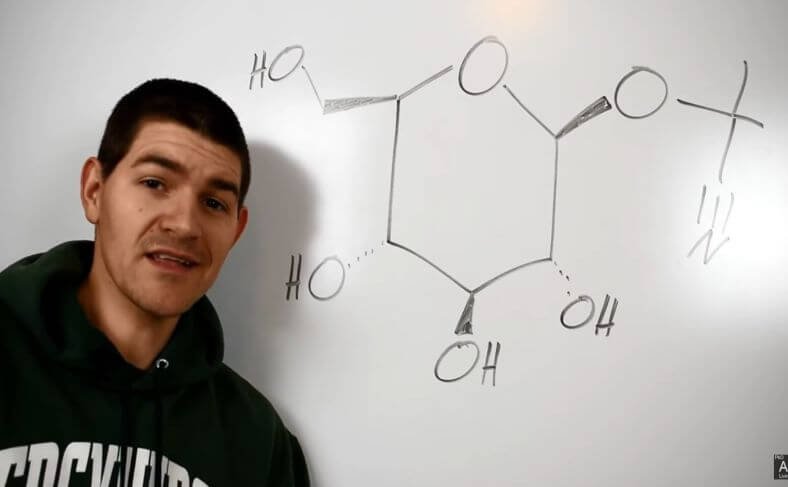
Cassava contains two cyanogenic glycosides, linamarin and lotaustralin, with linamarin making up more than 80 percent of the total in most varieties.
These compounds sit harmlessly in the plant’s cells until damage, from chopping, grating, or chewing, brings them into contact with an enzyme called linamarase.
That contact triggers a chemical reaction releasing hydrogen cyanide, a colorless, highly toxic gas with a faint bitter almond smell.
Sweet cassava contains under 50 milligrams of hydrogen cyanide per kilogram of fresh weight, the threshold set by the FAO and WHO Codex Alimentarius standard for cassava.
Bitter cassava exceeds that threshold, sometimes reaching 400 milligrams per kilogram or more in raw, unprocessed roots, the variety most likely to kill you if eaten carelessly.
How Much Cassava Will Actually Kill You
The lethal dose of hydrogen cyanide for humans falls between 0.5 and 3.5 milligrams per kilogram of body weight, according to toxicology research on cyanogenic glycosides in food.
For an average adult, that range means roughly 50 to 100 grams of improperly processed bitter cassava is enough to kill you outright.
Children face a sharply higher risk from the same serving size, since their smaller body weight concentrates the same amount of cyanide per kilogram.
A joint FAO and WHO expert committee has set a provisional tolerable daily cyanide intake to guide how much processed cassava is safe daily, detailed in WHO’s food additive database.
Boiled sweet cassava eaten in moderate portions, up to roughly 250 grams per meal, is generally considered safe for most healthy adults.
What Processing Actually Removes
Peeling strips away the outer layer, where cyanogenic compounds concentrate most heavily, cutting the total toxin load before anything else happens.
Soaking, fermenting, and thorough boiling each break down the remaining glycosides, and combined, these steps can cut cyanide content by more than 90 percent.
Boiling cassava for around 30 minutes reduces cyanide levels a great deal on its own, though pairing it with peeling and soaking works best.
Full step-by-step methods for bringing any root down to a safe level are covered in our guide on removing cyanide from cassava.
Where the Real Risk Actually Sits
Properly processed cassava flour must stay under 10 milligrams of hydrogen cyanide per kilogram, while gari carries a stricter limit of 2 milligrams per kilogram.
A 2025 systematic review found real cassava flour samples averaging as high as 71 milligrams per kilogram in some markets, a level that could genuinely kill someone eating it regularly.
That gap between the official standard and what some producers actually deliver is the real danger, not cassava as an ingredient itself.
Our guide on cassava flour and cyanide covers how to buy flour that actually meets the safety standard.
Symptoms and Long-Term Risk
Acute poisoning symptoms and the medical treatment that follows are covered in full in our guide to cyanide poisoning from cassava.
Chronic, repeated exposure from consistently under-processed cassava causes a different kind of damage, explained fully in our guide to konzo disease.
Vulnerable groups, including children, pregnant women, and people with thyroid conditions, face different risk levels, as covered in our guide to cassava root side effects.
Choosing improved, lower-cyanide cassava varieties where available adds another layer of safety, as discussed in our guide to cassava varieties.
None of this makes cassava a crop to fear, since it remains a genuine staple food precisely because processing works reliably when done properly, a fact our own introduction to cassava covers from the ground up.
Conclusion
How much cassava will kill you has a specific answer, not a vague one.
Sweet varieties stay under 50 milligrams of cyanide per kilogram, bitter varieties exceed it, and processed flour must stay under 10 milligrams per kilogram to meet international standards.
Peeling, soaking, fermenting, and cooking together bring that number down reliably, which is why this root has fed my community safely for generations.
The real risk sits in shortcuts and poor sourcing, not in cassava itself. Process it fully, buy from sources that test for cyanide, and this staple stays exactly as safe as it should be.
Frequently Asked Questions
How much raw cassava can actually kill an adult?
Around 50 to 100 grams of improperly processed bitter cassava can deliver a dose strong enough to kill an adult, though sweet varieties require far more to reach that risk.
Is sweet cassava safe to eat without cooking?
No, sweet cassava still contains cyanogenic compounds under 50 milligrams per kilogram, enough to cause illness in children or sensitive people if eaten raw.
What is the safe cyanide limit for cassava flour?
The Codex Alimentarius standard sets a maximum of 10 milligrams of hydrogen cyanide per kilogram for cassava flour, and 2 milligrams per kilogram for gari.
Why is cassava poisonous?
Cassava is poisonous because it contains cyanogenic glycosides, which can release cyanide when the plant tissue is damaged or digested.
What are the cyanogenic glycosides in cassava?
The cyanogenic glycosides in cassava are linamarin and lotaustralin, which can break down to release toxic hydrogen cyanide.
Which of the following poisons that can be found in cassava?
Cassava contains cyanogenic glycosides, which can release cyanide, a highly toxic compound that inhibits cellular respiration.
How is cyanide removed from cassava?
Cyanide is removed from cassava by peeling, soaking, drying, and cooking the root, which helps degrade the cyanogenic glycosides.

Chimeremeze Emeh is a tropical crop farmer and chemical engineer from Ntigha, Isiala Ngwa North LGA, Abia State, Eastern Nigeria, specializing in cassava and palm oil, with over 30 years of hands-on experience growing, harvesting, and processing cassava. He grows TMS series, TME 419, and local traditional varieties on his own farms and operates a small-scale cassava flour and starch production business through Cassava Pathway, which he founded as a CAMA-registered agribusiness in 2024. He is also the founder of Palm Oil Pathway, where he applies the same tropical farming expertise. His farms are located in Ntigha, Abia State.