Is Cassava Flour Whole30 Compliant?
Cassava flour is grain-free, paleo-friendly, and perfect for pancakes and tortillas. But before you toss it in your cart, there’s one question to answer: does it actually fit within Whole30’s rules?
Cassava – manihot esculenta and its value chain
Cassava Health & Nutrition brings together a collection of posts focused on the benefits of cassava, including nutritional makeup, dietary role, and health effects of cassava and cassava-based foods.
This category serves as a central hub for readers looking to understand how cassava fits into nutrition, wellness, and everyday eating patterns.
Inside this collection, you will find articles discussing the health benefits of cassava, including its role as an energy-rich staple food and its contribution to food security in many regions.
Posts also cover nutritional information such as carbohydrates, calories, fiber, vitamins, minerals, and the differences between raw cassava and processed cassava products.
The category further includes content on cassava resistant starch properties and its connection to digestion and gut health, alongside discussions about cassava’s gluten-free properties and why cassava flour and tapioca products are widely used in alternative diets.
You will also find focused posts addressing cassava safety, including cyanide compounds naturally present in cassava, proper preparation methods, and the risks associated with improper processing or consumption.
Cassava flour is grain-free, paleo-friendly, and perfect for pancakes and tortillas. But before you toss it in your cart, there’s one question to answer: does it actually fit within Whole30’s rules?
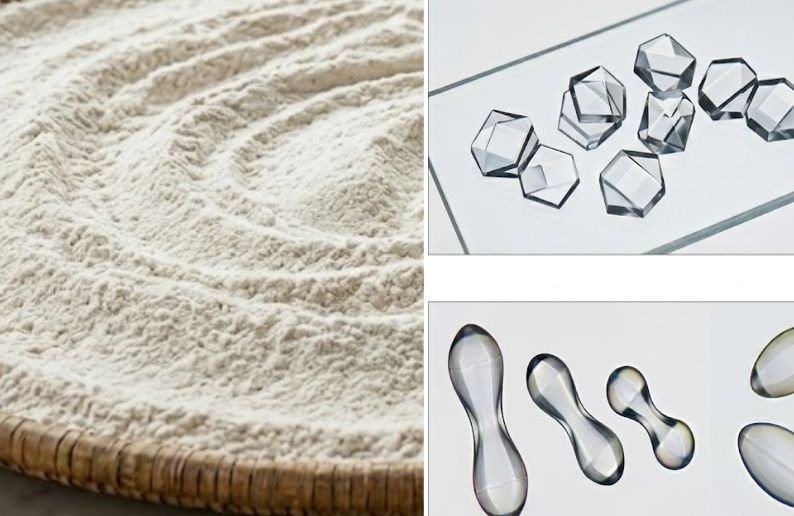
Cassava flour is winning over gluten-free kitchens across America, but on a strict low oxalate diet, one wrong flour choice can trigger kidney stones or painful joint flare-ups. Before you bake, here is what the real oxalate data actually says.
Cassava peel gets tossed aside as farm waste, but its fiber has caught the attention of nutrition researchers studying satiety, weight management, and daily energy balance. Before you assume peel and pulp behave the same way, here is what the research supports.
Growing interest in low-histamine diets has people re-checking their pantry staples, especially anyone managing mast cell activation or food sensitivities. As people pivot away from traditional grains, one question keeps coming up: does cassava flour actually belong on that list?
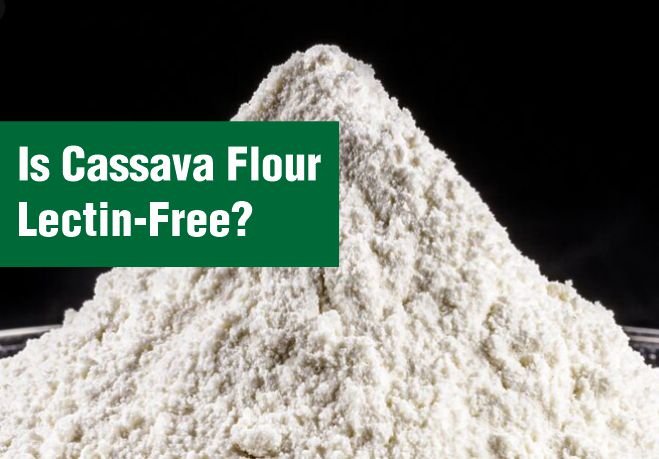
Dr. Gundry built a large following on avoiding lectins, and cassava flour sits right on his approved list. Before you stock your pantry with it, here is what the actual science behind that claim shows, and what it leaves out.
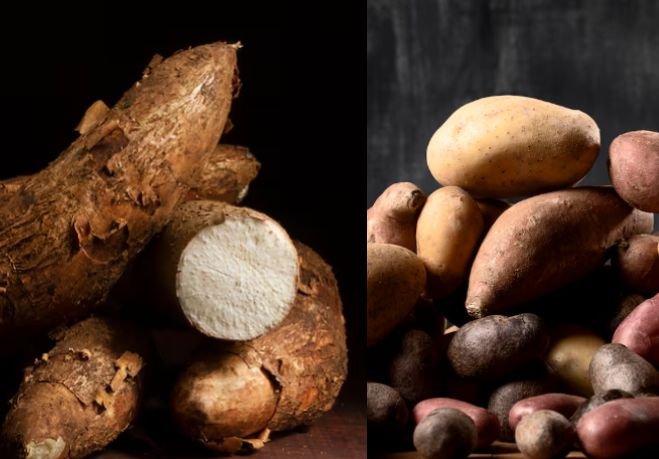
Cassava vs potato resistant starch gets framed online as a simple, one-sided contest, but the real science splits sharply by amylose content, cooking method, and which tuber actually has real human clinical trial data behind its own gut-health claims today.
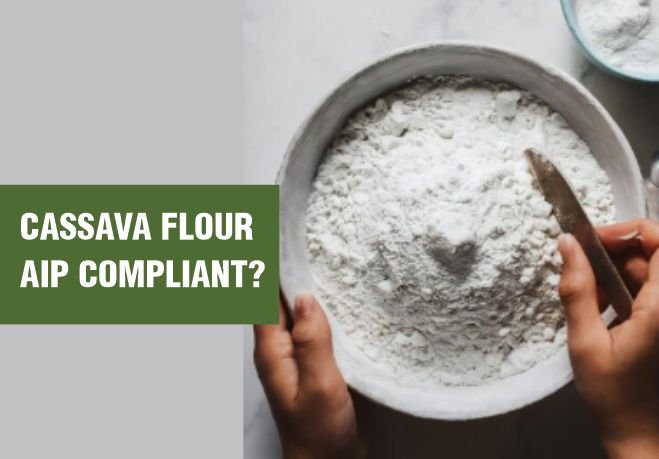
Cassava flour appears in nearly every AIP flour list, promising bread and pancakes without breaking elimination rules. Before you build meals around it, here is what the autoimmune protocol actually requires and how well cassava flour meets that bar.
Cassava flour and candida come up together constantly in wellness circles, but before you cut it from your daily diet entirely, here is what clinical research actually shows about starch, yeast, and the whole candida diet theory itself right now.
A major 2025 Consumer Reports investigation found lead in most cassava products it tested, some far above safety thresholds. Before you toss your cassava flour, here is what the actual data shows and how to eat it more safely today.

Cassava fiber content varies more than most sites admit, from 1.8 grams in raw root to a wide range in flour depending on brand. Here is where the real USDA numbers land, and where cassava fiber genuinely helps your diet.