Last updated on October 28th, 2026 at 03:10 pm
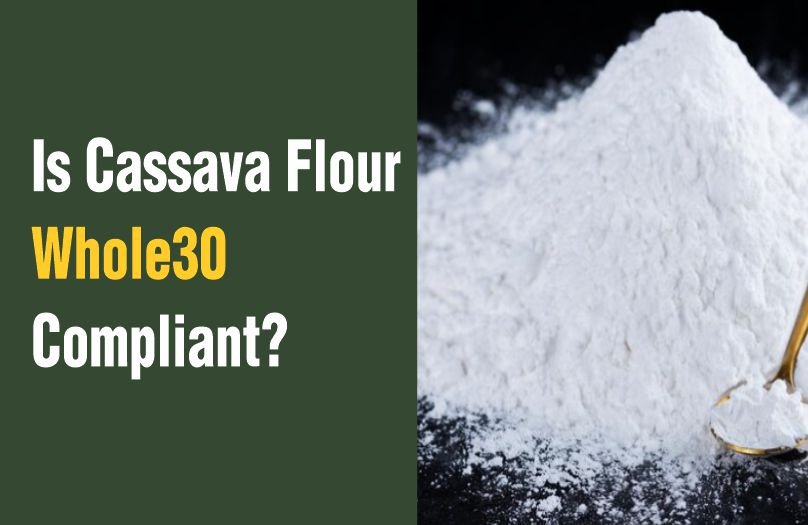
Is cassava flour Whole30 compliant, or does using it break the program’s strict rules? Whole30 says yes with context, so you may use it to coat and thicken. Tortillas, pancakes, bread, and other baked goods remain off-limits during the elimination.
I produce cassava flour in small batches in Ntigha, Abia State, so I know exactly what a pure, single-ingredient flour should contain.
Many guides wrongly tell Whole30 followers that cassava tortillas and pancakes are fine, but Whole30’s own rules say otherwise.
This article explains what the program allows, using the official Whole30 rules and its Can I Have guide rather than guesswork.
It shows practical, compliant ways to use cassava flour in your kitchen, from dredging fish to thickening stews.
It also covers label checks, common mistakes, and how to bring cassava recipes back once your thirty days are over.
Table of Contents
What Is Whole30?
Whole30 is a 30-day elimination program that removes added sugar, alcohol, grains, most legumes, dairy, carrageenan, and sulfites.
Its official rules also forbid baked goods, junk foods, and treats made with approved ingredients.
After the elimination, participants reintroduce food groups one at a time to see how each one affects them.
Cassava itself is a root vegetable, not a grain, which is why it can appear on the plan in some forms.
Is Cassava Flour Whole30 Compliant? The Official Answer
Whole30’s Can I Have guide answers “Yes, with context” for cassava flour during the elimination.
You can use it in place of breadcrumbs in meatballs, to dredge a piece of chicken, or to thicken a sauce or stew.
Baked goods, pancakes, waffles, tortillas, pizza crust, pasta, or noodles containing alternative flours are not allowed, the same guide states.
Tapioca flour, almond flour, and coconut flour receive the same answer, so cassava flour is not singled out.
Cassava chips are ruled out completely because Whole30 excludes all starchy chips during the elimination.
Why the Pancake Rule Matters
Whole30 calls its restriction on recreated treats the Pancake Rule, which replaced older talk about recreating unhealthy foods.
The rule says not to recreate or buy baked goods, treats, or foods with no brakes, even with compatible ingredients.
Its list covers bread, tortillas, wraps, crackers, pizza or pie crust, biscuits, pancakes, crepes, waffles, muffins, cookies, and brownies.
The official rules put it plainly: a pancake is still a pancake, even if it is made with coconut flour.
So the question is not only what is in your food, but also what the finished food is.
| Use of cassava flour | Allowed during the 30 days? |
|---|---|
| Dredging chicken, fish, or vegetables | Yes |
| Thickening soups, stews, and sauces | Yes |
| Binding meatballs or burgers instead of breadcrumbs | Yes |
| Tortillas, wraps, or flatbreads | No |
| Pancakes, waffles, or crepes | No |
| Bread, muffins, cookies, or crackers | No |
| Pasta or noodles | No |
| Cassava chips | No |
Why People Use Cassava Flour on Whole30
Cassava flour is grain-free, gluten-free, and nut-free, which makes it useful when almond flour is off the table because of allergies.
It has a mild flavor and fine texture, so a light dusting browns well without tasting of coconut or nuts.
Because it comes from one plant, a good brand needs only one ingredient on the label, which makes compliance checks simple.
The flour itself, its types, and its uses are explained in our complete cassava flour guide.
Compliant Ways to Use Cassava Flour
A cassava flour Whole30 kitchen relies on these uses, which stay inside the official rules.
- Coating proteins: dust chicken thighs, fish fillets, or shrimp before pan-searing for a light, golden crust.
- Thickening stews: whisk a spoonful into cold broth, then stir it into simmering soups, curries, or gravies.
- Binding meatballs: replace breadcrumbs in meatballs, burgers, or fish cakes so they hold together while cooking.
- Crisping vegetables: toss sliced zucchini or mushrooms in seasoned flour before roasting for a little extra crunch.
Whole cassava root is another compliant option, and Whole30 even suggests single-ingredient taco shells made from cassava root.
Simple preparations for the root itself appear in our guide to boiling cassava root safely.
Cassava Flour vs. Other Whole30 Flours
Whole30 treats cassava, tapioca, almond, coconut, and potato flours alike, allowing them for coating and thickening only.
Arrowroot powder is also allowed as a thickener, though Whole30 notes it is not appropriate for baked goods either.
Cassava flour uses the whole peeled root, while tapioca is the extracted starch, a difference explained in our comparison of cassava flour and tapioca flour.
For texture differences outside Whole30, see our side-by-side guides on cassava flour versus almond flour and cassava versus coconut flour.
Common Mistakes on Whole30
Most mistakes come from older blog posts that predate or ignore the official Pancake Rule.
- Making cassava tortillas: tortillas made from approved flours are still excluded during the elimination period.
- Baking occasional treats: an occasional pancake or muffin still breaks the rule, however clean the ingredients are.
- Buying blends without reading labels: some cassava baking mixes add sugar, starches, or gums that change compliance.
- Snacking on cassava chips: chips are excluded entirely, including those made only from cassava, oil, and salt.
What Pure Cassava Flour Should Look Like
The only ingredient on a cassava flour label should be cassava, with no sugar, preservatives, or other flours mixed in.
When I make high-quality cassava flour, I peel, blend, press, oven-dry, and sieve the roots three times, adding nothing else.
I also bake chin-chin and buns with my own flour, but those sweet snacks would clearly fall outside Whole30.
Safety matters too, because Codex limits hydrocyanic acid in cassava flour to 10 milligrams per kilogram, FSANZ notes.
My full process is in our guide to making high-quality cassava flour, and safety testing is covered in our explainer on cyanide in cassava flour.
After Your Whole30
Once the elimination ends, cassava flour tortillas, pancakes, and breads can return to your diet if you choose to include them.
Many people find cassava a good fit for paleo or autoimmune protocol eating afterward.
These posts on cassava and paleo diets and cassava flour on AIP explain how each plan treats it.
Conclusion
So is cassava flour Whole30 compliant for people following the program strictly?
The answer is yes, but only in context, according to Whole30’s official guides.
Use it to dredge chicken, thicken stews, or bind meatballs during your thirty days.
Leave tortillas, pancakes, breads, crackers, pasta, and cassava chips until the elimination ends, because the Pancake Rule excludes them.
Choose single-ingredient flour from a trusted producer, and read every label on blends.
If you have questions about cassava flour quality or sourcing, contact Cassava Pathway through this website, WhatsApp, or X.
Frequently Asked Questions
Can you bake with cassava flour on Whole30?
No, baking with cassava flour is not allowed during the thirty-day elimination. The Pancake Rule excludes bread, muffins, cookies, and other baked goods made from any alternative flours.
Are cassava flour tortillas Whole30 approved?
No, Whole30 lists tortillas and wraps under the Pancake Rule, even when ingredients are approved. Single-ingredient taco shells made from cassava root are allowed, according to Whole30 itself.
Is tapioca flour the same as cassava flour?
No, tapioca is starch extracted from cassava, while cassava flour uses the whole peeled root. Whole30 allows both flours for coating and thickening, but not for any baking.
What is the best way to use cassava flour during Whole30?
Use it to coat chicken or fish fillets, bind meatballs, or thicken soups, stews, and sauces. Avoid using it to recreate breads, tortillas, or snacks during the elimination.



Chimeremeze Emeh is a tropical crop farmer and chemical engineer from Ntigha, Isiala Ngwa North LGA, Abia State, Eastern Nigeria, specializing in cassava and palm oil, with over 30 years of hands-on experience growing, harvesting, and processing cassava. He grows TMS series, TME 419, and local traditional varieties on his own farms and operates a small-scale cassava flour and starch production business through Cassava Pathway, which he founded as a CAMA-registered agribusiness in 2024. He is also the founder of Palm Oil Pathway, where he applies the same tropical farming expertise. His farms are located in Ntigha, Abia State.