Last updated on September 23rd, 2026 at 03:18 pm
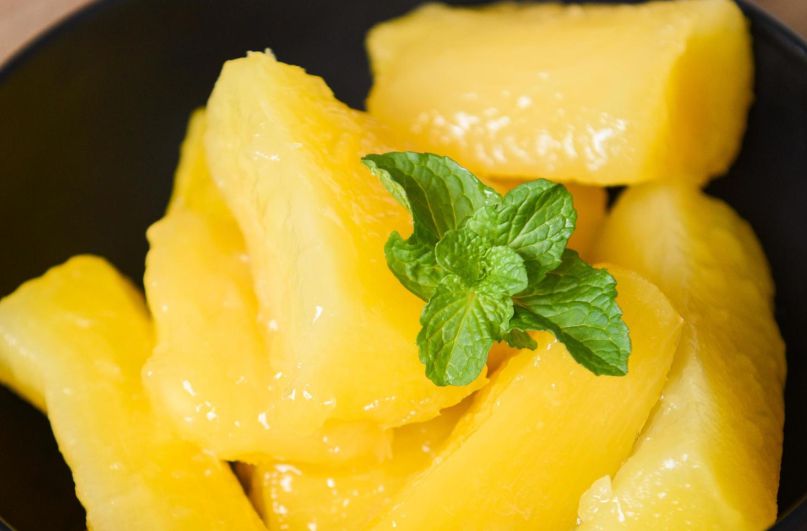
Most home cooks ruin boiled cassava long before the pot starts bubbling, by leaving the pink inner peel attached to each fresh root. Correct that habit, cut even chunks, discard the water, and yuca turns out soft, sweet, and safe.
In my cassava farming community, most roots end up as garri, fufu, or abacha rather than table food.
Boiled cassava eaten as a side dish was almost unheard of in my community until a relative tried it at home.
The whole family quickly agreed it deserved a regular place on our table, especially with spiced palm oil poured over it.
This recipe covers peeling, cutting, timing, and draining, plus the food-safety steps that separate a pleasant meal from a stomach ache.
You will find nutrition figures and serving ideas from Nigeria, Cuba, and Trinidad.
Disclaimer: This article is for informational purposes only and does not constitute medical advice. The author is not a medical doctor or registered dietitian. Always consult a qualified healthcare provider before making dietary or medical decisions related to cassava consumption.
Picking the Right Root Before You Cook
On our farm, bitter roots go straight to garri and fufu processing, where grating and fermenting do the heavy detox work.
If you cannot confirm the variety, ask the seller directly, and skip plain boiling for any root labeled bitter.
Our breakdown of what the cassava root actually is explains how the two groups differ in the field and kitchen.
What You Need
You need very little for this recipe, but freshness matters more than any seasoning you add later.
- Fresh cassava roots, about 1 kg (2.2 lb), firm to the touch with bright white or cream flesh inside.
- One teaspoon of salt for the water, which seasons the flesh evenly as it softens.
- Optional aromatics such as two crushed garlic cloves or a bay leaf, added during the last ten minutes.
- A heavy knife and a sturdy cutting board, since cassava peel is thick and the root resists thin blades.
- A large pot and a colander, so the chunks stay fully submerged and drain quickly once tender.
Harvested roots begin deteriorating within one to two days, a problem our cassava processing guide covers in detail. Dark streaks or a gray tint inside the flesh signal spoilage, and those roots belong in the compost, not the pot.
How to Prepare Cassava/Yuca/ Roots for Boiling
Preparing cassava for boiling requires careful steps to ensure optimal cooking results.
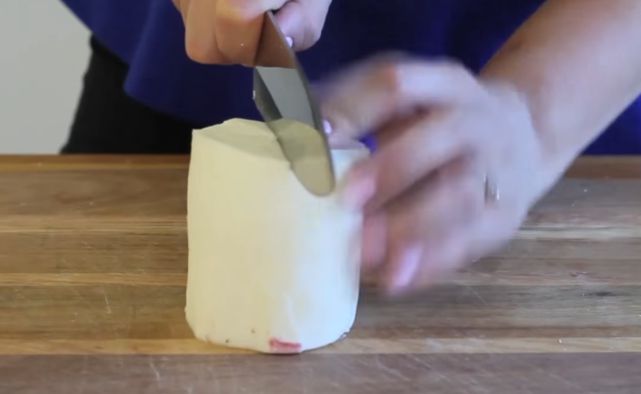
Using a sharp knife, cut off both ends of the root. Next, you need to peel the tough brown skin.
Peeling
Insert the knife under the skin at one end and carefully work the blade down the length of the root.
The skin can be quite thick, so take your time to avoid cutting into the flesh. Once you have removed the skin, you will notice the white starchy interior.

Chop to Desired Sizes
After peeling, it’s essential to chop the cassava into even-sized pieces, typically about 2 to 4 inches long.
This uniformity is crucial as it ensures that each piece cooks at the same rate, resulting in consistent texture and doneness.
As you chop, take care to remove any woody or fibrous core that might be present in the center, as these parts are not suitable for consumption.
Rinse
Once your cassava chunks are ready, rinse them thoroughly under cold running water.
This step will help eliminate any remaining dirt or residue from the peeling process.
After rinsing, your prepared cassava, yuca, or tapioca is now ready for the next stage of cooking.
Following these preparation steps diligently will pave the way to achieving a deliciously boiled dish.
Boiling Instructions for Yuca Root
- To boil your cassava roots, fill a large pot with enough water to cover the cassava pieces completely.
- Place the pot on the stove and turn the heat to high, bringing the water to a vigorous boil.
- For additional flavor, consider adding a pinch of salt to the boiling water. This is optional, but it can improve the overall taste of the finished dish.
- Once the water reaches a full boil, carefully add the cassava pieces to the pot.
- Allow the cassava to cook for a duration of 15 to 30 minutes, depending on the thickness of your pieces.
The cassava is ready when it becomes fork-tender, indicating that it has absorbed enough moisture and cooked through.
During the final few minutes of cooking, you may choose to add flavoring agents such as crushed garlic, bay leaves, or fresh herbs.
These additions can impart a richer taste to the cassava.
Drain the cassava in a Colander
Once cooked to perfection, carefully drain the cassava in a colander. Allow it to sit for a minute to ensure any excess water is removed.
The boiled cassava can then be served as is or mashed, offering a delightful side dish or a base for various toppings.
Serving Suggestions

Boiled cassava roots can be enjoyed in numerous ways. Its mild flavor and unique texture make it an excellent complement to a variety of dishes.
One popular method is to serve it as a delightful side dish, accompanied by different of dipping sauces.
1. Garlic Aioli and Herb Butter Toppings
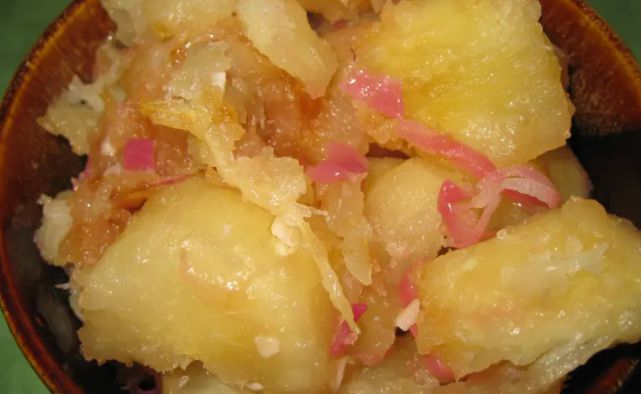
- Enhance the natural flavor of boiled cassava with a flavorful garlic aioli or spicy mayo for a creamy, tangy twist.
- Dress it up with melted butter and fresh herbs like parsley or cilantro for a fragrant and rich topping.
- Experiment with herbs like dill or basil to create unique profiles that make cassava stand out.
2. Boiled Cassava in Stews
- Add boiled cassava to stews or casseroles for extra texture and heartiness.
- Let it absorb savory broths and spices to serve as a satisfying base.
- Try it in a Brazilian-inspired chicken stew for a comforting, flavorful meal.
3. Boiled Cassava Root with Red Oil Sauce

While this might sound weird to you, red oil sauce prepared with fresh red palm oil blended with garlic, ginger, fresh pepper, and salt is a delight.
It gives the same refreshing taste when used for boiled yams or plantain.
After adding the spices and salt to the red oil, preheat it to let the oil melt and become thin, then put your boiled cassava in it and leave it to sit for five minutes, enough time to absorb the spiced oil, and you are good to go.
4. Paired with Grilled Meats
- Serve boiled cassava as a side dish with grilled meats or roasted vegetables.
- Its mild flavor and starchy texture complement the smokiness of barbecue dishes.
- Pair it with marinated chicken, beef, or veggie skewers for a balanced, crowd-pleasing plate.
Storage and Reheating Tips
- Steaming: Steaming is an excellent way to reheat cassava while maintaining its moisture and texture. Place the pieces in a steamer basket over boiling water for 5 to 10 minutes until warmed through.
- Boiling: For a quick reheat, immerse cassava in boiling water for a few minutes. Be careful not to overcook, as it may become mushy.
- Microwaving: Microwaving is a fast and convenient option. Place cassava in a microwave-safe dish, add a splash of water, cover it, and heat for 2 to 3 minutes. Check frequently to avoid overcooking.
Final Thoughts From the Farm
Boiled cassava rewards a little patience at the cutting board far more than any fancy seasoning ever will.
Peel away both layers, cut even chunks, simmer with the lid ajar, and always pour the cooking water away.
Keep portions sensible, pair them with protein and vegetables, and remember that chilled leftovers may digest more slowly.
When you want more ideas, our cassava recipe collection has fried, baked, and steamed dishes ready.
Try the spiced red oil version this week, then tell me in the comments which sauce your family preferred.
Frequently Asked Questions
How long should I boil cassava until it is soft?
Most sweet cassava chunks need 20 to 30 minutes of steady simmering. Start testing at 20 minutes; a fork should slide through easily, with edges beginning to crack.
Can you eat cassava that is undercooked?
Undercooked cassava can keep cyanogenic compounds and a hard, chalky center, so avoid eating it. Return any firm pieces to simmering water until each one turns fully tender.
Is boiled yuca healthier than fried yuca?
Boiling adds no fat, so boiled yuca carries noticeably fewer calories than fried yuca. Pair either version with protein and vegetables to keep the meal balanced and filling.
Can I freeze cassava after boiling it?
Yes, cooled cooked cassava freezes well for about two months in airtight bags. Reheat it by steaming or microwaving rather than reboiling, which leaves the outer layer watery.

Chimeremeze Emeh is a tropical crop farmer and chemical engineer from Ntigha, Isiala Ngwa North LGA, Abia State, Eastern Nigeria, specializing in cassava and palm oil, with over 30 years of hands-on experience growing, harvesting, and processing cassava. He grows TMS series, TME 419, and local traditional varieties on his own farms and operates a small-scale cassava flour and starch production business through Cassava Pathway, which he founded as a CAMA-registered agribusiness in 2024. He is also the founder of Palm Oil Pathway, where he applies the same tropical farming expertise. His farms are located in Ntigha, Abia State.