Cassava and Pregnancy: What a 30-Year Cassava Farmer Wants You to Know

Last updated on June 30th, 2026 at 10:14 am

Last Updated on 30th June, 2026 by Chimeremeze Emeh

Nearly 20,000 people search for this question every month, yet most articles give vague answers. Here is what a cassava farmer who has watched three generations of pregnant women in his own family eat cassava safely actually knows about cassava and pregnancy.

Cassava is a staple root crop feeding over 800 million people worldwide, and pregnant women across Africa, Asia, the Caribbean, and Latin America eat it daily without harm.

Yet many expecting mothers searching online find conflicting, vague answers about whether cassava is actually safe.

The honest answer is that properly prepared cassava can be a reasonable part of a pregnancy diet, while raw or poorly processed cassava carries genuine risk.

The difference comes down to which variety you choose and how you prepare it.

This guide explains exactly what cassava offers nutritionally, what risks deserve real caution, and how to prepare it safely, drawing on both published research and three decades of farming experience.

Health Disclaimer

The information in this article is for educational purposes only and does not constitute medical or dietary advice. Content on Cassava Pathway is based on published research, traditional food practices, and the author’s 30 years of hands-on cassava farming and processing experience in Eastern Nigeria. It is not a substitute for professional medical advice, diagnosis, or treatment. If you have a medical condition, are pregnant, are managing diabetes or any chronic illness, or are considering significant dietary changes, always consult a qualified healthcare provider or registered dietitian before acting on anything you read here.

Can Pregnant Women Eat Cassava?

Yes, pregnant women can eat cassava when it is properly prepared, though preparation matters more than the cassava itself.
is cassava good for pregnancy

Cassava comes in two broad categories: sweet varieties with relatively low cyanide content, and bitter varieties that carry much higher cyanide levels and require extensive processing.

The cassava itself is not inherently dangerous. The risk comes almost entirely from inadequate preparation, particularly eating it raw or undercooked.

Pregnant women should exercise extra caution with any cassava of unknown variety, any homemade cassava product from an unverified source, and any cassava that has not been fully cooked through.

Nutritional Value of Cassava During Pregnancy

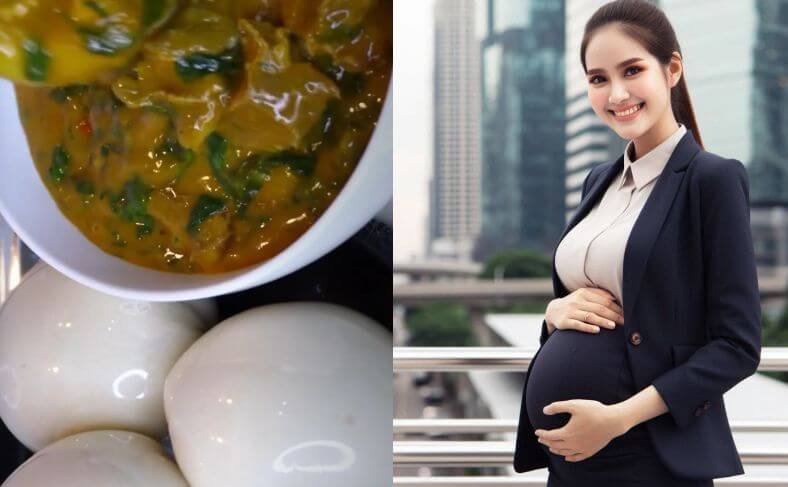
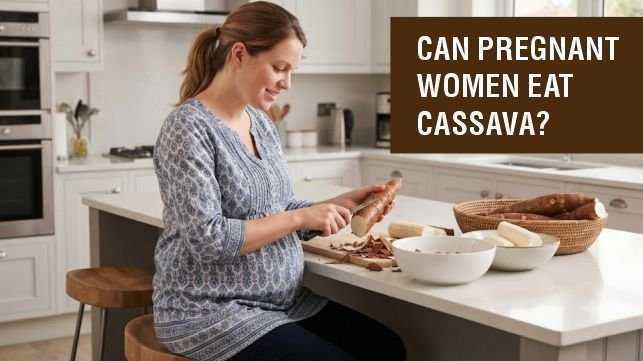
A pregnant lady showing how cassava and pregnancy interact

Carbohydrates for Energy

Cassava root is dense in starch, providing roughly 160 calories per 100 gram cooked serving, almost entirely from carbohydrates.

For a full breakdown, see our complete cassava nutritional information guide.

This makes it a useful energy source during pregnancy, when caloric needs rise to support fetal growth and increased maternal metabolism.

Pairing cassava with protein and fiber slows digestion and helps avoid the blood sugar spikes that starchy foods can otherwise cause.

Vitamin C

Cassava contains a meaningful amount of vitamin C, an antioxidant that supports immune function during pregnancy.

Vitamin C also assists the body in absorbing iron from plant-based foods, which is useful since iron requirements increase substantially during pregnancy.

It additionally plays a role in collagen formation, supporting tissue repair and skin elasticity as the body changes.

Potassium

Cassava provides a modest amount of potassium, a mineral involved in regulating blood pressure, muscle contractions, and nerve signaling.

Adequate potassium intake may help reduce the leg cramps many pregnant women experience, particularly in the second and third trimesters.

This connects to broader questions about cassava and high blood pressure management.

Resistant Starch and Digestive Health

Raw cassava contains a notable amount of resistant starch, a type of starch that resists digestion and can support gut bacteria.

However, full cooking, which is required for safety, gelatinizes most of this starch, meaning cooked cassava offers a more modest digestive benefit than raw resistant starch figures might suggest.

The fiber that remains after cooking still supports regular digestion, which is useful given how common constipation is during pregnancy.

Naturally Gluten-Free

Cassava contains no gluten, making it a safe carbohydrate option for pregnant women managing celiac disease or gluten sensitivity.

Health Benefits of Cassava During Pregnancy According to Scientific Studies

Scientific studies corroborate how cassava benefits pregnancy. Research published in the Journal of Gynecology and Obstetrics underscores the positive impacts of dietary fiber in preventing constipation during pregnancy.

Another study in the American Journal of Clinical Nutrition highlights the importance of folate in reducing congenital disabilities.

Moreover, minerals like calcium and magnesium found in cassava have been shown to improve maternal health outcomes.

A pregnant woman who eats cassava

Provides Energy for Mother and Baby

The carbohydrate density in cassava supports the increased metabolic demands of pregnancy, helping sustain energy for both maternal activity and fetal growth.

See our full overview of cassava health benefits for more.

Helps Meet Increased Calorie Needs

Pregnancy calorie needs rise notably in the second and third trimesters, and cassava’s energy density can help meet that increased demand when paired with other nutrient-dense foods.

Supports Healthy Digestion

Combined with vegetables, legumes, or other fiber sources, cassava can contribute to a digestion-friendly diet during pregnancy.

Supports Immune Health

The vitamin C content, combined with adequate caloric intake generally, supports a functioning immune system during a period when the body is under additional physiological demand.

Affordable and Accessible Staple Food

In many regions of the world, cassava remains one of the most affordable and reliably available sources of calories, which matters significantly for food security during pregnancy in lower-income households.

This is part of why cassava plays such a central role across the cassava value chain in developing economies.

Is Cassava Safe During Pregnancy?

The scientific and food safety consensus is that properly processed cassava is safe to eat during pregnancy.

Cassava during pregnancy - A pregnant woman who eats cassava

The risk lies specifically in raw or inadequately processed cassava, since cassava is poisonous only when this step is skipped.

Cassava naturally contains cyanogenic glycosides, compounds that release hydrogen cyanide when plant cells are disrupted through cutting, chewing, or crushing.

Cooking and traditional processing methods substantially reduce these compounds.

The World Health Organization sets a safe cyanogen limit of 10 parts per million in cassava flour intended for consumption, a benchmark several countries use to regulate cassava-based food products.

Risks of Eating Cassava During Pregnancy

Cyanide Poisoning from Improperly Prepared Cassava

Cyanogenic glycosides convert to hydrogen cyanide when cassava tissue is disrupted, and consuming significant amounts of improperly processed cassava can cause cyanide exposure.

Symptoms of cyanide exposure include nausea, dizziness, headache, and in severe cases, more serious neurological effects.

Research examining dietary cyanogen exposure in pregnant populations in the Democratic Republic of Congo found measurable associations between high cyanogen exposure and reduced early childhood neurodevelopment outcomes, which is why pregnant women specifically should avoid raw or undercooked cassava entirely.

Nutrient Imbalance

Cassava is calorie-dense but low in protein, fat, and several essential micronutrients.

Relying on cassava as a primary food source during pregnancy, rather than as one component of a varied diet, can contribute to nutrient gaps.

Blood Sugar Considerations

Many cassava-based foods carry a moderate to high glycemic index, meaning they can raise blood sugar relatively quickly, particularly in their more processed forms like garri or cassava flour products.

Our detailed cassava glycemic index guide explains this further.

Pregnant women managing gestational diabetes should monitor portion sizes carefully and pair cassava with protein, healthy fats, and fiber to slow the glycemic response.

Risk from Processed Cassava Snacks

Fried cassava chips and heavily processed cassava snacks often carry higher sodium content and unhealthy fats from frying oils, and frying is also the least effective cooking method for reducing cyanogenic compounds.

Sweet Cassava vs Bitter Cassava During Pregnancy

In my family’s farm in Ntigha, Isiala Ngwa North, we have grown sweet cassava for household meals for generations, including during my mother’s and sisters’ pregnancies, and non had

Sweet varieties carry roughly 20 to 50 milligrams of cyanide per kilogram, according to the Hong Kong Centre for Food Safety, while bitter varieties can exceed 1,000 milligrams, per this review on cyanide in cassava.

Sweet cassava, peeled and thoroughly cooked, is the safest choice for pregnant women and the variety most common in the United States, UK, and Canadian markets.

For the full breakdown, see our sweet versus bitter cassava guide.

FeatureSweet CassavaBitter Cassava
Cyanide contentRoughly 20 to 50 mg/kgCan exceed 1,000 mg/kg
Preparation neededPeeling and thorough cookingSoaking, fermentation, drying
Safety for pregnancyGenerally safer when cooked properlySafe only after extensive processing
Common usesBoiled, roasted, bakedFlour, garri, fufu, starch

How to Prepare Cassava Safely During Pregnancy

While there is no special way to prepare cassava for pregnancy, there are cautions to be taken.

  • Peel thoroughly. Remove the outer skin completely, since cyanogenic compounds concentrate most heavily near the surface.
  • Wash well. Rinse the peeled root thoroughly to remove dirt and any surface residue before cutting.
  • Soak when appropriate. Soaking cut cassava in water for several hours allows water-soluble cyanogenic compounds to leach out, particularly important for bitter varieties.
  • Ferment if required. Traditional fermentation, the method used to produce garri and fufu across West Africa, is one of the most effective ways to reduce cyanide content and is part of why these foods have remained safe dietary staples for generations.
  • Dry properly. Sun drying or mechanical drying, used in producing cassava flour and chips, further reduces cyanogenic compounds when done thoroughly.
  • Cook completely. Boiling, steaming, or baking cassava until fully soft significantly reduces remaining cyanide content. Frying is the least effective method and should be limited.
  • Never eat raw cassava. Raw cassava retains its full cyanogenic glycoside content and should never be consumed, particularly during pregnancy.

Safe Cassava Foods During Pregnancy

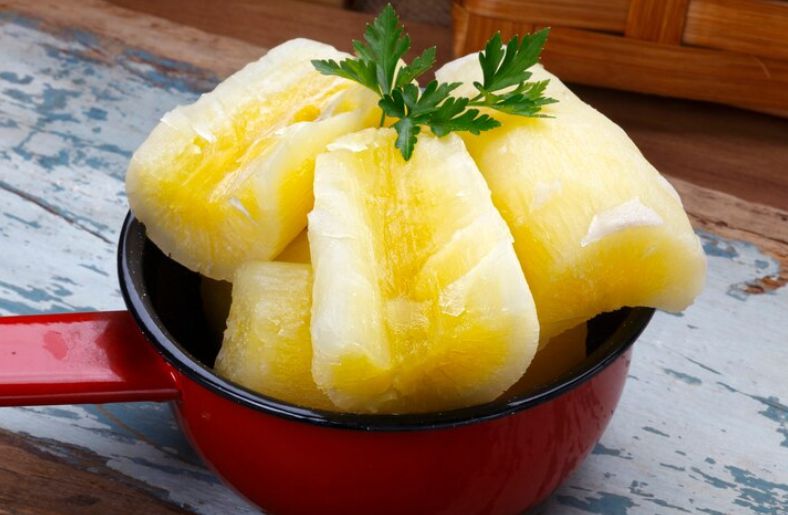
  • Boiled cassava is one of the simplest and safest preparation methods, fully softening the root and reducing cyanide content effectively.
  • Steamed cassava offers similar safety benefits to boiling while retaining slightly more texture and some nutrients.
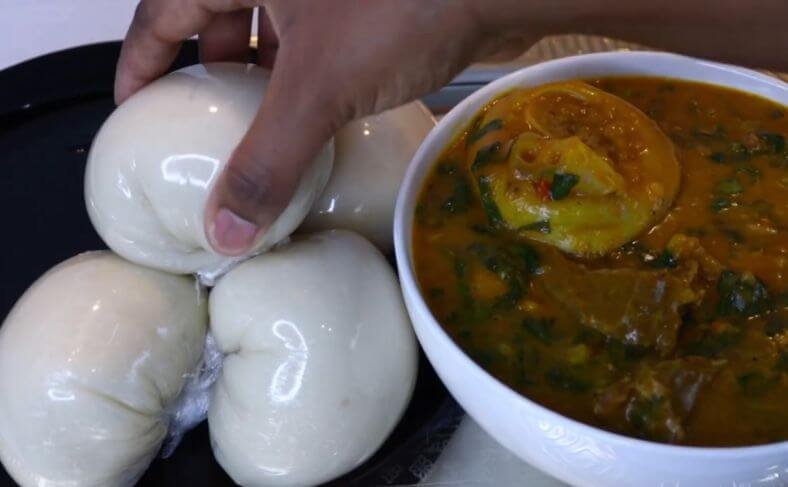
  • Garri, when properly fermented and processed through traditional methods, is safe and has been a dietary staple for pregnant women across West Africa for generations. Learn more in our complete garri guide.
  • Fufu, made from properly fermented and cooked cassava, is similarly safe when prepared through traditional methods.
  • Tapioca, derived from cassava starch rather than the whole root, carries minimal cyanide risk because processing extracts pure starch, separating it from the cyanogenic compounds.
  • Cassava flour products, including cassava bread and baked goods made from properly processed flour, are generally safe, though portion size should still account for overall carbohydrate intake.

Cassava Foods to Limit or Avoid During Pregnancy

  • Raw cassava in any form should never be eaten, as it retains full cyanogenic glycoside content.
  • Undercooked cassava that has not been boiled, steamed, or baked until fully soft may retain unsafe levels of cyanogenic compounds.
  • Homemade cassava products from unknown sources carry an uncertain processing history and should be avoided unless you can confirm proper preparation.
  • Deep-fried cassava snacks retain more cyanogenic compounds than boiled or steamed preparations and often carry excess sodium and unhealthy fats.
  • Cassava products with excess added sugar, such as some commercial cassava-based desserts, should be limited as part of general pregnancy nutrition guidance around added sugar intake.

Cassava and Gestational Diabetes

Cassava carries a moderate to high glycemic index depending on preparation, meaning it can raise blood sugar relatively quickly when eaten alone.

Women managing gestational diabetes should keep portions modest and always pair cassava with protein, healthy fats, and fibre-rich vegetables to slow glucose absorption.

Spacing cassava consumption away from other high-glycemic foods within the same meal can also help maintain more stable blood sugar levels throughout the day.

How Much Cassava Can Pregnant Women Eat?

There is no single universal serving limit established for cassava during pregnancy.

Reasonable guidance suggests a moderate portion, roughly half a cup to one cup of cooked cassava, as part of a varied meal rather than a primary food source.

Dietary variety matters more than any single serving number.

Cassava should complement, not replace, other carbohydrate sources, proteins, and vegetables across the week.

Pregnant women with specific health conditions, including gestational diabetes or any digestive concerns, should ask their healthcare provider for individualized portion guidance.

Best Foods to Eat with Cassava During Pregnancy

  • Lean proteins such as fish, chicken, eggs, or beans help balance cassava’s high carbohydrate content and slow blood sugar response.
  • Leafy green vegetables add iron, folate, and fiber that cassava alone does not provide in significant amounts.
  • Healthy fats from sources like olive oil, avocado, or nuts support nutrient absorption and add satiety to a cassava-based meal.
  • Fruits rich in vitamin C can further support iron absorption when eaten alongside cassava and other plant-based foods.
  • Iron-rich foods, since cassava itself is a poor iron source, help fill a nutritional gap that matters significantly during pregnancy.

Key Takeaways

Properly processed sweet cassava can be a reasonable, energy-providing part of a pregnancy diet when peeled, cooked thoroughly, and eaten in moderation.

Raw or inadequately processed cassava, particularly bitter varieties, carries genuine cyanide risk and should always be avoided.

Cassava offers energy but limited protein, so pairing it with protein-rich foods, vegetables, and healthy fats matters for balanced nutrition.

Women managing gestational diabetes should watch portion sizes and pairing carefully.

When prepared correctly, cassava has fed pregnant women safely across generations, including in my own family.

Frequently Asked Questions

Can pregnant women eat boiled cassava?

Yes, boiled cassava is one of the safest preparation methods. Choose sweet varieties, peel thoroughly, and cook until completely soft before eating.

Is garri safe during pregnancy?

Yes, garri made through traditional fermentation and processing is safe during pregnancy and has been a dietary staple for generations across West Africa.

Can cassava cause miscarriage?

There is no credible evidence that properly prepared cassava causes miscarriage. The real risk comes from raw or severely undercooked cassava containing high cyanide levels.

Is tapioca safe during pregnancy?

Yes, tapioca made from extracted cassava starch carries minimal cyanide risk and is generally considered safe in moderation during pregnancy.

Can pregnant women eat cassava flour?

Yes, properly processed cassava flour is safe during pregnancy and can be used in baking, though portions should fit within overall carbohydrate goals.

Is bitter cassava dangerous during pregnancy?

Bitter cassava carries significantly higher cyanide content and requires extensive processing before it is safe. Sweet cassava is the safer choice for pregnant women.

Can cassava affect fetal development?

Properly prepared cassava has not been shown to affect fetal development. High cyanide exposure from raw or poorly processed cassava is a documented risk factor.

Is cassava good for morning sickness?

There is no established evidence that cassava specifically relieves morning sickness. Bland, easily digestible foods in general may help, but this is not unique to cassava.