Last updated on August 10th, 2026 at 04:32 pm
Red palm oil, the ingredient that gives cassava leaves stew its signature color, carries roughly 15 times more carotenoids than carrots and 300 times more than tomatoes, according to Malaysian palm oil research, making it more than a flavor choice.
That carotenoid content matters because fat-soluble vitamins like A need dietary fat to absorb properly, which is exactly what this stew’s rich, oil-heavy cooking method genuinely provides throughout the entire finished dish.
This guide covers the traditional ingredients, step-by-step preparation, and regional variations found across Liberia, Congo, and Sierra Leone.
You will find genuine serving pairings, from rice to fufu to plantains, plus the actual distinction between this stew and its lighter cousin, cassava leaves soup.
If you are cooking this exact dish for the very first time or refining a long-standing family recipe today, the details below actually matter.
Table of Contents
What Is Cassava Leaves Stew?
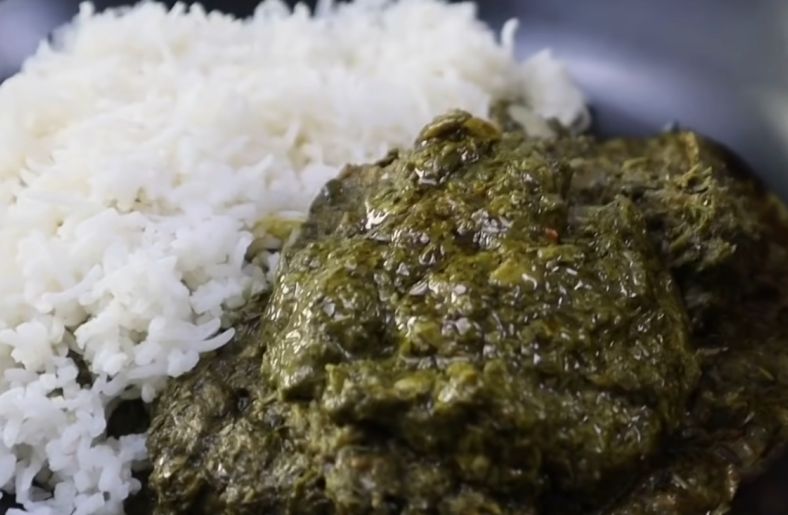
This traditional dish combines finely pounded or blended cassava leaves with palm oil, chili, onions, and seasonings, cooked into a thick, hearty result.
Meat, fish, or smoked ingredients commonly deepen the flavor, and the finished dish carries an earthy taste with a satisfying, concentrated texture.
It differs from cassava leaves soup mainly through liquid ratio and cooking time, covered in full further below.
Read more about the broader botanical and safety picture in our general guide on cassava leaves.
Traditional Ingredients
Fresh or frozen leaves form the base, with fresh leaves typically pounded or blended before cooking begins.
Red palm oil delivers the dish’s characteristic bold color and rich, unmistakable flavor.
Its natural fat content genuinely helps the body absorb fat-soluble vitamins from the meal, according to research on carotenoid bioavailability published in Nutrition Reviews.
This oil specifically carries far more carotenoids than common vegetables, a comparison confirmed by nutritional analysis published by the Malaysian Palm Oil Council.
Protein options include goat meat, beef, or smoked fish, each bringing distinct texture and depth.
Chopped onions, garlic, and fresh chili build the seasoning base, while crushed groundnuts or egusi add optional thickness and nutty flavor.
Readers wanting more cassava leaf dishes should browse our full cassava leaves recipes collection.
How to Make Cassava Leaves Stew
- Clean and prepare the leaves. Rinse thoroughly, remove tough stems, and chop finely or blend for a smoother texture. Readers wanting the complete detoxification technique should read our guide on how to cook cassava leaves.
- Boil your protein. Cook goat, beef, chicken, or smoked fish in seasoned water for roughly 30 minutes, keeping the broth for later.
- Build the base in palm oil. Fry onions until soft, then add garlic, ginger, and hot pepper for about five minutes.
- Combine and simmer. Add the boiled protein with its broth, stir in the prepared leaves, and simmer gently for about 30 minutes.
- Adjust and finish. Taste for salt and heat, and look for the oil rising to the top as a sign the stew is ready.
Serving Suggestions
Rice remains the most common pairing, with white rice soaking up the stew’s flavor while brown rice adds nuttiness and extra fiber.
Fufu, made from cassava, yam, or plantain, offers a smooth, stretchy texture that works well for scooping the stew by hand.
Boiled yam brings a mild, slightly sweet contrast that holds its form without turning mushy.
Fried or boiled plantains add a sweet counterpoint that many households save for parties and family gatherings specifically.
Cassava Leaves Stew vs Soup
Stew and soup share the same leafy base but differ meaningfully in texture and cooking approach.
Stew cooks longer with less liquid, producing a thick, concentrated result with a higher ratio of leaves to broth.
Soup cooks faster with more liquid, delivering a lighter, broth-forward result that lets the leaves and spices shine without heaviness.
Choosing between them typically comes down to appetite, occasion, or how filling you want the meal to feel.
If you want the dedicated soup recipe, read our guide on cassava leaves soup.
Regional Variations
Liberian versions lean rich and meaty, typically combining palm oil, chili, and assorted proteins like beef, chicken, or dried fish into a thick, well-seasoned sauce.
Congolese pondu relies on smoked or dried fish for a smoky, salty edge, traditionally served alongside cassava root itself.
Sierra Leonean cooks frequently add peanut butter for a creamy, nutty upgrade that also boosts the dish’s fat and protein content.
Read the dedicated Congolese recipe guide on pondu.
Nutrition and Safety
Cassava leaves themselves are never eaten raw, since proper boiling removes the cyanogenic compounds linamarin and lotaustralin before they can release toxic cyanide, according to detoxification research published in PubMed.
Once safely prepared, this stew delivers iron, plant-based protein, and fiber alongside whatever protein you choose to add.
The leaves themselves carry meaningful phenolic and antioxidant activity, according to research published in PMC.
Readers wanting the full detoxification science should read our guide on removing cyanide from cassava root.
Readers wanting the complete nutrition breakdown and health-benefit science should read our guide on health benefits of cassava leaves.
Storage and Reheating
Cool leftovers completely before transferring to an airtight container, where they keep in the refrigerator for up to three days or in the freezer for about a month.
Reheat gently over low heat, stirring occasionally, and add a splash of water if the stew has thickened too much during storage.
Conclusion
Cassava leaves stew rewards genuine attention to technique, from properly detoxifying the leaves to building flavor through palm oil, protein, and regional seasoning choices.
Red palm oil specifically earns its place by carrying far more carotenoids than common vegetables, genuinely boosting vitamin A absorption alongside flavor.
Serve it with rice, fufu, boiled yam, or plantains depending on tradition or personal preference at home.
Regional variations from Liberia, Congo, and Sierra Leone each offer a genuinely distinct take worth trying.
Frequently Asked Questions
Can I use frozen cassava leaves for stew?
Yes, frozen leaves genuinely work well and honestly save valuable preparation time, since they typically arrive already chopped and safe to cook straight from your freezer at home.
Is cassava leaves stew safe to eat?
Yes, when properly cooked. Boiling genuinely removes the toxic compounds that raw leaves contain, so never eat cassava leaves raw regardless of how the dish is eventually prepared.
What proteins work best in cassava leaves stew?
Goat meat, beef, chicken, and smoked fish are all genuinely popular choices, each adding distinct flavor and texture, so choose based on current availability and personal preference today.
What should I serve with cassava leaves stew?
Rice, fufu, boiled yam, and fried plantains all pair genuinely well, with fufu specifically offering the most traditional hand-scooping experience across many West and Central African households today.

Chimeremeze Emeh is a tropical crop farmer and chemical engineer from Ntigha, Isiala Ngwa North LGA, Abia State, Eastern Nigeria, specializing in cassava and palm oil, with over 30 years of hands-on experience growing, harvesting, and processing cassava. He grows TMS series, TME 419, and local traditional varieties on his own farms and operates a small-scale cassava flour and starch production business through Cassava Pathway, which he founded as a CAMA-registered agribusiness in 2024. He is also the founder of Palm Oil Pathway, where he applies the same tropical farming expertise. His farms are located in Ntigha, Abia State.