Last updated on August 11th, 2026 at 09:25 am
Blanching frozen cassava leaves for 10 full minutes removes roughly 57 percent of free cyanide and about 60 percent of bound cyanide, according to peer-reviewed research, meaning a quick 5 to 7 minute stir-fry afterward leaves toxic compounds genuinely intact.
That genuine gap between partial and complete detoxification truly matters more than convenience, since frozen leaves still require thorough cooking time at home despite being pre-blanched during commercial processing.
This guide covers how to judge quality at the store, how long properly packaged leaves actually last in your own freezer, and the full cooking time genuinely needed for lasting safety overall.
You will find honest storage duration backed by standard freezer-safety guidance, plus culinary applications that go well beyond a quick reheat.
Convenience does not eliminate the ongoing need for thorough cooking, regardless of what the packaging seems to imply.
Table of Contents
Assessing Quality Before You Buy
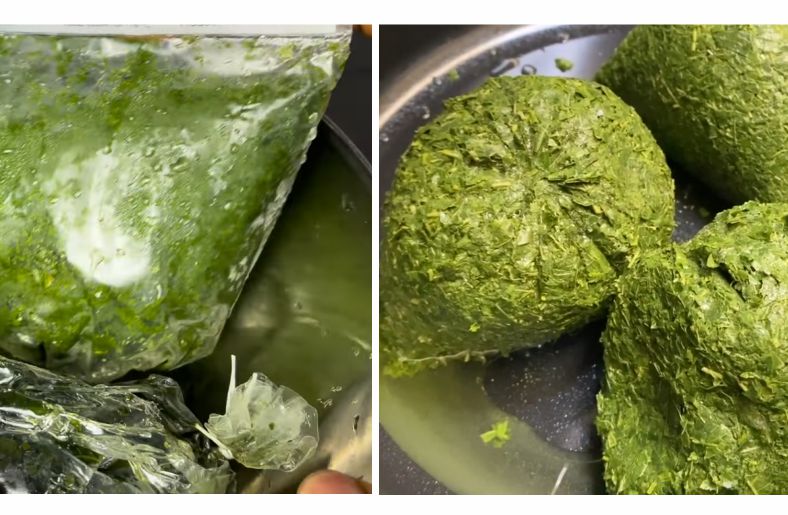
Choose sealed packages that feel firm with no visible ice crystals or frost buildup, since excess ice signals temperature fluctuation during storage.
Deep green color without pale patches or discoloration indicates the leaves were processed and frozen promptly after harvest.
Check packing dates when available, since fresher freezing dates generally deliver better flavor and texture once thawed.
Ingredient lists should stay simple, ideally listing only cassava leaves or salt, since excess additives can affect both flavor and quality.
Readers wanting the broader botanical picture should read our general guide on cassava leaves.
The Safety Step Blanching Does Not Complete
Blanching alone reduces free cyanide by about 57 percent and bound cyanide by about 60 percent, according to research published in PubMed.
Traditional Mpondu preparation combines that blanching step with an additional 20 to 80 minutes of boiling to reach genuinely safer cyanide levels, the same research confirms.
Cassava leaf sap contains linamarin and lotaustralin, compounds that release toxic hydrogen cyanide without adequate cooking, according to separate research published in PubMed.
Treat “pre-blanched” as a head start, not a finish line, and cook frozen leaves thoroughly regardless of package claims.
Read more about how cassava leaves benefit health.
Honest Storage Duration
Properly packaged and consistently frozen cassava leaves can last up to 12 months in a home freezer, consistent with standard guidance for blanched frozen vegetables generally.
Keeping the freezer at a steady, cold temperature matters more than any single storage duration number, since fluctuation accelerates quality loss regardless of the date on the package.
Once thawed, cook leaves promptly rather than refreezing, since repeated temperature cycling degrades both texture and flavor noticeably.
Combining blanching with additional heat treatments achieves considerably better cyanogen reduction than blanching alone, according to research published in ScienceDirect.
Cooking Frozen Leaves the Right Way
Thaw slowly in the refrigerator overnight for the best texture, or use a cold water bath for about 30 minutes if time is short.
Cyanide loss during cooking occurs largely through volatile hydrogen cyanide escaping into cooking water and steam, according to processing research published by the FAO.
Regardless of thawing method, plan for genuine cooking time afterward rather than a brief reheat, since blanching alone leaves meaningful cyanide behind.
Simmering in soups or stews for the fuller detoxification range genuinely matters here, not just the five to seven minutes some quick recipes suggest.
Here is a comprehensive post about the cassava leaves.
Culinary Applications
Frozen leaves work well in traditional dishes once fully cooked, cutting prep time without cutting corners on safety.
If you want specific recipes, read our guides on pondu, cassava leaves stew, cassava leaves soup, or browse our full cassava leaves recipes collection for regional and modern options alike.
Conclusion
Frozen cassava leaves offer genuine convenience, but pre-blanching during commercial processing only completes part of the safety work required before eating.
Full cooking time still matters at home, not just a quick reheat, regardless of what packaging or quick recipes suggest.
Properly stored leaves last up to 12 months in a steady, cold freezer, with quality mattering as much as any single date.
Choose sealed, frost-free packaging with simple ingredient lists for the best results.
Frequently Asked Questions
How long can frozen cassava leaves stay in the freezer?
Properly packaged leaves can genuinely last up to a full 12 months at a steady, cold temperature, though quality gradually declines the longer they stay frozen in storage.
Do frozen cassava leaves still need to be cooked?
Yes, blanching during commercial processing only removes a portion of the total cyanide content, so full cooking remains genuinely necessary at home even though the leaves arrive pre-blanched.
Can I substitute frozen cassava leaves for spinach or kale?
Yes, in many cooked recipes generally, though cassava leaves genuinely carry a much stronger flavor and require considerably longer cooking time than either spinach or kale typically does.
Is a quick stir-fry enough to make frozen cassava leaves safe?
No, blanching alone genuinely leaves meaningful cyanide content behind, so a brief stir-fry without any additional simmering time does not fully complete the entire detoxification process safely enough.

Chimeremeze Emeh is a tropical crop farmer and chemical engineer from Ntigha, Isiala Ngwa North LGA, Abia State, Eastern Nigeria, specializing in cassava and palm oil, with over 30 years of hands-on experience growing, harvesting, and processing cassava. He grows TMS series, TME 419, and local traditional varieties on his own farms and operates a small-scale cassava flour and starch production business through Cassava Pathway, which he founded as a CAMA-registered agribusiness in 2024. He is also the founder of Palm Oil Pathway, where he applies the same tropical farming expertise. His farms are located in Ntigha, Abia State.