Last updated on August 10th, 2026 at 04:42 pm
Cassava leaves soup gets boiled for just 10 to 20 minutes in many quick recipes, yet peer-reviewed research shows the same leaves may need up to 120 minutes of boiling, combined with pounding, to reliably clear cyanogenic compounds before eating.
That genuine gap between quick recipe instructions and verified safety research matters more than flavor alone, since this dish genuinely spans different cultures with genuinely different techniques and approaches.
This guide covers the genuine ingredients, exact preparation steps, and four distinct regional versions, from Sierra Leonean plasas to Indonesian daun singkong specifically.
You will find honest cooking times grounded in verified detoxification science, plus serving pairings specific to each regional style found here.
If you already know this specific dish quite well, or are trying it out for the very first time today, the details below genuinely change the outcome.
Table of Contents
Soup vs Stew: The Genuine Difference
This dish uses more liquid and a shorter cooking time than cassava leaves stew, producing a lighter, broth-forward result that lets the leaves and spices come through clearly.
Texture stays adjustable, since more broth, oil, or paste shifts the dish from light soup toward thick stew territory.
Readers wanting the fuller stew comparison should read our guide on cassava leaves stew.
Check out the dedicated Congolese recipe for pondu.
Ingredients
Fresh or pounded leaves form the base, with young leaves cooking faster and delivering a smoother final texture.
Broth options range from plain water to meat stock to coconut milk, each shifting the dish’s richness and regional character significantly.
Protein choices include smoked fish, beef, goat, or shrimp, while onion, garlic, ginger, and chili build the seasoning foundation.
Palm oil, groundnut paste, or fermented seasonings like ogiri add richness, thickness, and the tangy depth many regional versions depend on.
If you want the broader botanical picture, please read our general guide on cassava leaves.
How to Prepare It
- Clean and detoxify the leaves. Combined pounding and boiling for 10 to 120 minutes removes cyanogenic compounds effectively, according to research published in ScienceDirect. Readers wanting the complete technique should read our guide on how to cook cassava leaves.
- Build the aromatic base. Heat palm oil or groundnut oil, then soften chopped onion, garlic, and ginger before adding tomatoes if desired.
- Add leaves and protein. Stir in the prepared leaves and pre-cooked protein, then add enough liquid to cover everything and simmer 30 to 45 minutes.
- Adjust texture and taste. Stir in peanut butter or palm oil for extra body, balancing bitterness with a touch of sugar or lemon if needed.
Regional Variations
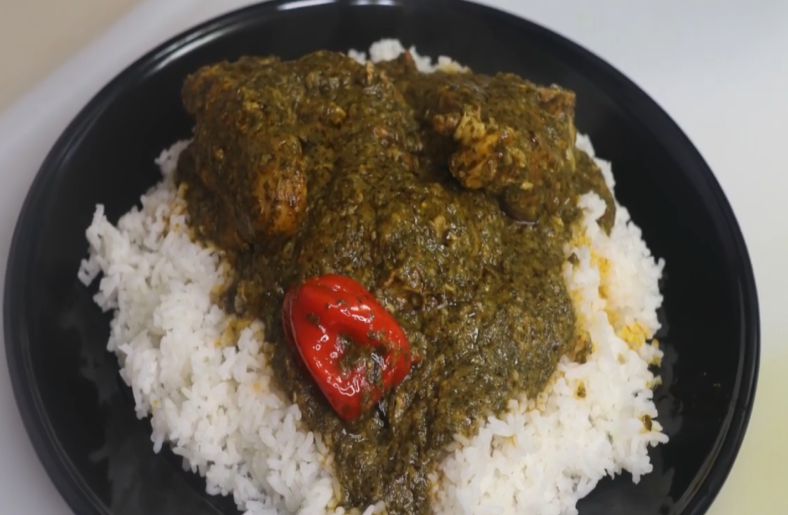
Sierra Leonean plasas combines cassava leaves with palm oil and groundnut paste for a smooth, nutty, filling result typically paired with rice.
Congolese Pondu
Congolese pondu leans on smoked fish and sometimes okra or bitter eggplant, creating a deep, smoky dish traditionally served with rice, plantains, or fufu.
Liberian Cassava Leaf Soup
Liberian versions push bolder heat and thicker texture, using fresh or dried fish alongside hot peppers and bouillon.
Indonesian Cassava Leaf Soup
Indonesian daun singkong swaps palm oil for coconut milk, adding galangal, turmeric, and lemongrass for a lighter, brighter result typically paired with fried tofu or tempeh.
Coconut milk’s fat content similarly supports absorption of fat-soluble vitamins from the leaves, according to nutrition research published by Healthline.
Serving Suggestions
Rice remains the most universal pairing across every regional version of this dish, soaking up broth regardless of style.
Fufu and boiled plantains suit the African variations specifically, while fried tofu or tempeh complement the Indonesian version’s lighter, coconut-based profile.
Readers wanting fuller pairing detail, including boiled yam, should read our guide on cassava leaves stew, or browse our full cassava leaves recipes collection.
Nutrition and Safety
Cassava leaves are never safe raw, since they contain linamarin and lotaustralin, cyanogenic glycosides that release toxic cyanide without adequate preparation, according to research published in PubMed.
Readers wanting the full detoxification science should read our guide on removing cyanide from cassava root.
Once properly detoxified, this dish delivers meaningful plant protein, iron, and antioxidant compounds, according to nutritional analysis published in PMC.
Readers wanting the complete health-benefit science and nutrition data should read our guide on the health benefits of cassava leaves.
Storage and Reheating
Cool the soup completely before storing in a sealed container, where it keeps in the refrigerator for up to three days.
Reheat gently on the stove with a splash of water or broth to restore texture without drying out the dish.
Conclusion
Cassava leaves soup genuinely spans cultures, from Sierra Leonean plasas to Congolese pondu to Indonesian daun singkong, each reflecting local ingredients and technique.
Combined pounding and boiling for up to 120 minutes handles detoxification properly, longer than many quick recipes actually recommend.
Broth choice, from water to coconut milk, defines each regional identity as much as the leaves themselves do.
Serve with rice universally, or fufu, plantains, and tofu depending on the specific regional style you choose.
Frequently Asked Questions
Is cassava leaves soup safe to eat?
Yes, once properly detoxified through combined pounding and thorough boiling together, though the process genuinely takes considerably longer than many quick recipes actually suggest for full, complete safety.
Can I make cassava leaves soup without meat?
Absolutely, tofu, mushrooms, or tempeh genuinely work quite well with vegetable broth, delivering solid body and flavor without needing any animal protein whatsoever in the entire finished dish.
What does cassava leaves soup taste like?
It carries an earthy, slightly bitter overall base genuinely balanced by palm oil or coconut milk, with each regional version adding distinct nutty, smoky, or bright citrus notes.
Can I freeze leftover cassava leaves soup?
Yes, this soup genuinely freezes quite well when cooled completely first, stored properly in sealed airtight containers, and reheated gently with a little added liquid to restore texture.

Chimeremeze Emeh is a tropical crop farmer and chemical engineer from Ntigha, Isiala Ngwa North LGA, Abia State, Eastern Nigeria, specializing in cassava and palm oil, with over 30 years of hands-on experience growing, harvesting, and processing cassava. He grows TMS series, TME 419, and local traditional varieties on his own farms and operates a small-scale cassava flour and starch production business through Cassava Pathway, which he founded as a CAMA-registered agribusiness in 2024. He is also the founder of Palm Oil Pathway, where he applies the same tropical farming expertise. His farms are located in Ntigha, Abia State.