Last updated on August 11th, 2026 at 09:37 am
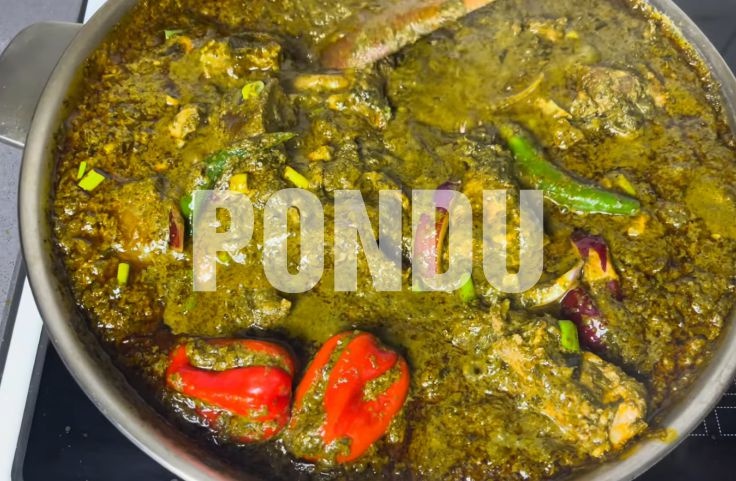
Pondu turns simple cassava leaves into a rich, earthy Congolese stew, slow-cooked with palm oil, onions, garlic, and smoked fish, a dish that brings families together around one shared pot, still carrying generations of tradition across Central Africa and beyond.
Pondu, known across the Democratic Republic of Congo as saka saka, turns humble cassava leaves into one of Central Africa’s most recognized comfort dishes.
While I have not tried this recipe for the first time, it is very popular across West Africa and Central Africa.
This guide gives insight into the ingredients, the cooking method, and the cultural weight behind pondu, drawing on real cooking practice alongside nutrition research.
New to cassava leaves or a longtime cook of saka saka, this recipe gives you a reliable path to the dish, from prep to plate.
Disclaimer: This article is for informational purposes only and does not constitute medical advice. The author is not a medical doctor or registered dietitian. Always consult a qualified healthcare provider before making dietary or medical decisions related to cassava consumption.
Table of Contents
What Is Pondu (Saka Saka)?
Pondu, also called saka saka, is a Congolese stew built from boiled, chopped cassava leaves.
It is the recognized national dish of Congo, and cooks across the country serve it daily.
Many households add smoked fish, dried catfish, or beef to the pot, which deepens the flavor and turns the stew into a full, protein-rich meal.
Getting familiar with the leaves themselves helps before cooking, so start with a look at the cassava leaf itself and how it grows on the plant.
Origins and Why Pondu Matters
Cassava reached the region that is now Congo through Portuguese traders in the sixteenth century, and it quickly became the backbone of the local food system.
Cassava now supplies more than 1,000 calories per person daily in Congo, per an FAO regional review of cassava consumption in Africa.
Cassava paste, served alongside pounded cassava leaves, functions as the national dish.
Processing keeps women busy for hours daily, per World Food Programme field reporting from the Bouenza region.
Cooking pondu together remains a shared task in many families, turning meal preparation into a small act of community rather than solitary kitchen work.
Ingredients You Will Need
A proper batch of pondu starts with fresh, young cassava leaves, ideally the tender top growth rather than tougher, older leaves further down the stem.
Palm oil supplies the dish’s bright color and rounded, nutty flavor, and Congolese cooks rarely hold back when pouring it into the pot.
Onions and garlic build the aromatic base, while chili brings adjustable heat depending on how bold you want the final stew to taste.
Smoked fish or meat rounds out the dish with a savory depth that plain greens alone cannot deliver on their own.
Optional additions like peanut butter, okra, or eggplant let you adapt pondu to ingredients already sitting in your kitchen.
Shopping list for a standard pot:
- Fresh cassava leaves, roughly one pound, or frozen leaves already chopped and ready to cook
- Palm oil, about half a cup, for color, aroma, and traditional flavor
- One onion and three to four garlic cloves, finely chopped
- Smoked fish, dried catfish, or beef, prepared according to your preference
- Chili pepper or ground pepper, adjusted to your own heat tolerance
- Salt and seasoning cubes, added gradually and tasted as you go along
For a wider view of these leaves, other cassava leaf dishes across the continent are worth a look before you shop.
Cassava Leaves Nutrition: What You Are Actually Eating
Cassava leaves carry far more nutritional weight than most people expect from a leafy vegetable that grows alongside a starchy root crop.
A 2025 nutrient analysis of cassava leaves in Sierra Leone found protein from 23 to nearly 30 percent, with notable vitamin A, C, calcium, and iron.
That data comes from a study published in a peer-reviewed food science journal.
FAO compositional data shows cassava leaves carry higher lysine than the reference protein pattern, which matters for plant-based protein sources.
That protein density explains why cassava leaves remain a staple in Congo, Sierra Leone, Liberia, and Guinea, supplementing diets built around starchy roots.
See the dedicated post on cassava leaves nutritional facts, or review the documented health benefits of cassava leaves for more depth.
Preparing Cassava Leaves Safely
Raw cassava leaves contain cyanogenic glycosides, natural compounds that release cyanide if the leaves are eaten without proper cooking.
Research on cassava processing methods, published in a peer-reviewed agricultural journal, confirms that soaking followed by boiling removes cyanide more effectively than either step performed alone.
Traditional Congolese preparation already builds in this safety margin, since pondu recipes call for a long boil before the leaves ever reach the frying pot.
Never skip the initial boiling step, and always discard the first boiling water rather than reusing it in the final dish.
For the core boiling and prep techniques that apply across cassava leaf dishes, this site’s cooking guide walks through timing and texture in more detail.
Step-by-Step Pondu Recipe
- Rinse the cassava leaves thoroughly under running water to remove sand, grit, and any lingering dirt from the field or market.
- Boil the leaves in a large pot of water for 30 to 45 minutes, until they turn tender and the color deepens slightly.
- Drain the leaves completely, let them cool, then chop them finely so the fibers break down and blend smoothly into the finished stew.
- Heat palm oil in a clean pot, then add chopped onions and garlic, stirring until they soften and release their aroma.
- Stir the chopped cassava leaves into the oil, coating them fully, and let the mixture cook gently over low heat.
- Season with salt, seasoning cubes, and chili, then add your chosen protein and simmer for another 15 to 20 minutes.
- Taste and adjust the seasoning before serving, since the balance of salt, heat, and smokiness defines a good pot of pondu.
A pressure cooker or Instant Pot shortens this process considerably, since the leaves and protein can finish cooking together in 10 to 15 minutes once sealed.
Best Pairings for Pondu
Pondu rarely stands alone on a Congolese table, and the right side dish rounds out both the texture and the meal.
Fufu remains the classic match, since its smooth, starchy texture works well for scooping up the rich, oily stew.
Rice, plain or jollof-style, soaks up extra sauce and adds a lighter contrast to the concentrated flavor of the leaves.
Boiled plantains bring natural sweetness that balances the savory, earthy profile of the finished stew.
This site covers the classic fufu pairing with cassava leaves in a dedicated post. A separate guide explains fufu itself for anyone new to the swallow.
How Pondu Compares to Other Cassava Leaf Dishes
Pondu differs from other cassava leaf dishes mainly through its slow cooking time and generous palm oil, which give it a signature thick, creamy texture.
Liberian and Sierra Leonean dishes cook faster and lean on vegetable or groundnut oil, changing both color and flavor.
A lighter, broth-based soup version exists as well, for anyone who prefers a thinner consistency over pondu’s thick, stew-like body.
Storage and Reheating
Cool pondu to room temperature before sealing it in an airtight container, since trapped steam can encourage spoilage in the fridge.
Refrigerated pondu keeps well for up to a week, and many cooks report the flavor deepens by the second or third day.
Frozen pondu holds its quality for about three months if portioned into smaller containers with minimal trapped air.
Reheat gently on the stove with a splash of water or broth, since high heat can dull the flavor and dry out the leaves.
Conclusion
Pondu proves cassava leaves, given time and the right technique, become one of Central Africa’s most satisfying dishes.
From boiling the leaves to a slow simmer in palm oil, every step builds toward a stew that tastes like tradition.
Pondu remains one of the clearest examples of how a humble green carries nutrition and culture.
Gather fresh cassava leaves, palm oil, and smoked fish, then bring this Congolese classic to your table this week.
Frequently Asked Questions
What is pondu made of?
Pondu is a Congolese stew made from boiled, chopped cassava leaves simmered slowly in palm oil with onions, garlic, chili, and typically smoked fish or meat for depth.
Why is saka saka culturally important in Congo?
Saka saka carries deep meaning in Congo because it stands as the country’s true national dish, prepared regularly for family meals, weddings, and community gatherings across many generations.
How does pondu differ from other cassava leaf stews?
Pondu differs from other cassava leaf dishes mainly through its slow cooking method and generous palm oil, giving it a noticeably thicker, richer texture than lighter, quicker-cooked stews.
What sides pair best with pondu?
Pondu pairs well with fufu, rice, or boiled plantains, and many Congolese households also serve it alongside chikwangue, ginger beer, palm wine, or a cold local lager beer.

Chimeremeze Emeh is a tropical crop farmer and chemical engineer from Ntigha, Isiala Ngwa North LGA, Abia State, Eastern Nigeria, specializing in cassava and palm oil, with over 30 years of hands-on experience growing, harvesting, and processing cassava. He grows TMS series, TME 419, and local traditional varieties on his own farms and operates a small-scale cassava flour and starch production business through Cassava Pathway, which he founded as a CAMA-registered agribusiness in 2024. He is also the founder of Palm Oil Pathway, where he applies the same tropical farming expertise. His farms are located in Ntigha, Abia State.