Last updated on July 12th, 2026 at 10:07 am
A root that Latino and West African households have cooked with for generations, most Americans know it as yuca, now shows up in gluten-free flour and bubble tea shops nationwide, and almost none of that growth started in a farm field.
Cassava, called yuca throughout most of the United States, has deep roots in Latin America, Africa, and Southeast Asia, but its American story is newer and moving fast.
What started as a staple in Latino, Caribbean, and West African immigrant kitchens has grown into a mainstream ingredient in gluten-free flours, paleo snacks, bubble tea, and industrial food manufacturing.
As a cassava farmer and processor in Nigeria, I process the same crop that ends up in American kitchens as flour, tapioca starch, and frozen yuca.
That production-side view, not a grocery store aisle or a health blog, is what informs this guide.
Table of Contents
Where Yuca Grows in the U.S.
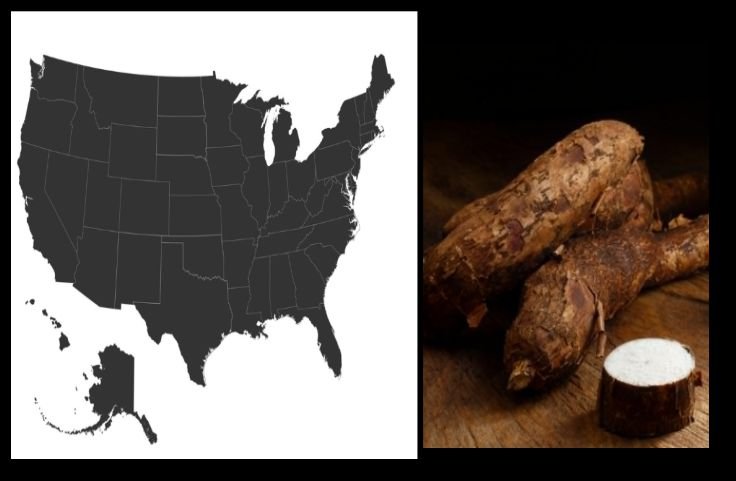
Yuca needs warm, frost-free conditions year-round, which limits large-scale cultivation to USDA Zones 9 through 11, mainly southern Florida, parts of Texas, Puerto Rico, and Hawaii.
Puerto Rico and Hawaii have grown cassava as a genuine food crop for generations, while Florida and Texas are newer entries driven mostly by demand.
Urban gardeners and homesteaders drive most of the current interest outside these regions, since commercial cultivation in the mainland U.S. remains small and largely experimental.
Our full guide to where cassava grows in the U.S. breaks down growing zones, soil needs, and regional trials in complete detail.
Florida specifically offers some of the strongest growing conditions in the country, covered fully in our dedicated guide to growing cassava in Florida.
Yuca in the American Kitchen
Yuca flour, chips, fries, and tapioca pearls have each carved out their own niche, from gluten-free baking aisles to bubble tea shops nationwide.
Its rise tracks closely with the gluten-free, paleo, and Whole30 movements, since cassava flour behaves more like wheat flour than most grain-free alternatives on the market.
Fresh and frozen yuca root itself remains a separate, smaller category, sold mainly in Latin American, African, and Asian grocery stores rather than mainstream chains.
Our full guide to cassava and the American gluten-free lifestyle covers this connection and every major product form in depth.
For specific dishes and recipes gaining ground in American kitchens, from yuca fries to cassava pancakes, see our full cassava recipes guide.
Is Cassava (Yuca) Safe to Eat in the U.S.
Sweet cassava, the variety sold in nearly every U.S. grocery store, carries far lower cyanogenic compounds than bitter cassava and is safe once properly prepared.
The FDA classifies cassava derivatives like tapioca starch as Generally Recognized as Safe when processed correctly.
Imported products must meet cyanide safety checks before entering the country.
Peeling, soaking, and thorough cooking remain necessary regardless of variety, and raw yuca should never be eaten in any quantity, sweet or bitter.
Our full breakdown of preparation methods and the science behind them is covered in our guide on how to remove cyanide from cassava root.
Cassava’s Economic Potential in the U.S.
Most cassava products sold in the U.S. are imported, primarily from Nigeria, Thailand, and Indonesia, since domestic cultivation remains minimal and largely experimental at present.
Rising freight costs and growing demand for gluten-free, alternative starches are pushing renewed attention toward small-scale domestic production wherever the climate actually allows it.
Labor costs run higher than mechanized U.S. staples like corn or soy, since yuca still requires real hand labor at planting and harvest.
Our full analysis of if cassava makes sense as a U.S. cash crop covers the real costs, buyers, and margins involved.
Yuca and American Cultural Communities
Nigerian, Brazilian, Haitian, and Dominican households have kept yuca at the center of family meals for generations, long before it reached mainstream American shelves.
Fufu, garri, pão de queijo, cassava bread, and boiled yuca with onions each carry distinct regional identities within these communities, not one shared dish.
Ethnic markets in Miami, Houston, New York, and Los Angeles remain the most reliable places to find fresh roots, flour, garri, and frozen yuca.
That cultural foundation is a large part of why cassava is gaining ground now, as covered in our post on why Americans should pay attention to cassava.
Cassava Products on American Shelves
Yuca flour and tapioca starch are now stocked in Whole Foods, Sprouts, and other health food chains, alongside long-standing availability in ethnic grocery stores nationwide.
Brand quality varies enough that buying the wrong bag can ruin a recipe, since some products labeled cassava are actually just tapioca starch in disguise.
Our full cassava flour buying guide covers specific brands, real pricing, and what to check on the label before you buy.
Why Cassava Still Isn’t Mainstream
Limited awareness, strict import regulations, and unfamiliarity with safe preparation have kept yuca from matching crops like potatoes or corn in the American diet.
Corn, wheat, and potatoes took root early in American agriculture and never left room for a tropical crop with a much shorter domestic growing season.
None of these barriers are permanent, and growing demand for gluten-free, allergen-friendly ingredients is closing that gap steadily year over year.
Our full guide on why cassava isn’t more popular in the United States covers each barrier and what is actually changing.
Conclusion
Cassava, or yuca as most Americans know it, still has a small footprint in the United States, but it is real and growing on its own terms.
Immigrant communities kept it alive for generations before gluten-free demand gave it a second, much larger audience, and both are now driving its momentum together.
Where it grows, how it is regulated, and who buys it are all covered in the dedicated guides linked throughout this page.
Start with whichever question actually brought you here, growing it, cooking with it, or investing in it, and go deeper from there.
Frequently Asked Questions
Where does cassava (yuca) grow in the United States?
Cassava grows in warm, frost-free regions like southern Florida, parts of Texas, Puerto Rico, and Hawaii, mainly within USDA Zones 9 through 11.
Is cassava sold in the U.S. safe to eat?
Yes, properly processed cassava sold in U.S. stores meets FDA safety standards, though raw yuca should never be eaten regardless of variety.
Why isn’t cassava more common in American grocery stores?
Limited awareness, strict import regulations, and unfamiliarity with safe preparation have kept cassava from matching mainstream staples, though demand is rising steadily.
Is yuca the same thing as cassava?
Yes, yuca is simply the common American name for cassava root, though in stores tapioca usually refers to the starch, not the whole root.
Can You Grow Cassava in Your Backyard in the U.S.?
Yes, especially in southern states like Florida or Texas. The climate must be warm, frost-free, and allow at least eight months for cassava to mature.
Where Can You Buy Fresh Cassava in the U.S.?
You’ll find fresh cassava in Latin American, African, or Asian grocery stores, and in the international produce section of some large U.S. supermarket chains.
Is Tapioca the Same as Cassava in U.S. Markets?
In the U.S., tapioca usually refers to starch or pearls made from cassava root, not the whole root itself, which is sold as “yuca” or “cassava.”
How Do You Store Cassava in American Homes?
Store whole roots in a cool, dry pantry for a few days. Cassava flour should be sealed tightly and stored in a cupboard or fridge.
Why Isn’t Cassava More Popular in the U.S.?
Limited awareness, fewer commercial recipes, and concerns over safety in raw form keep cassava from matching the popularity of mainstream staples like potatoes.



Chimeremeze Emeh is a tropical crop farmer and chemical engineer from Ntigha, Isiala Ngwa North LGA, Abia State, Eastern Nigeria, specializing in cassava and palm oil, with over 30 years of hands-on experience growing, harvesting, and processing cassava. He grows TMS series, TME 419, and local traditional varieties on his own farms and operates a small-scale cassava flour and starch production business through Cassava Pathway, which he founded as a CAMA-registered agribusiness in 2024. He is also the founder of Palm Oil Pathway, where he applies the same tropical farming expertise. His farms are located in Ntigha, Abia State.