Last updated on July 12th, 2026 at 11:52 am
A crop that feeds close to a billion people across three continents remains a stranger to most American grocery shoppers, and the reason has less to do with the plant itself than with which crops got a head start.
Cassava is not unpopular in the United States because it lacks value; it is unpopular because corn, wheat, and potatoes have dominated American agriculture long before cassava had a chance to compete.
Cassava feeds nearly a billion people across Africa, Asia, and Latin America today, yet remains genuinely unfamiliar to most American shoppers.
This guide covers the actual history and consumer perception behind that gap, not the business case for growing cassava here, which our guide on cassava as a U.S. cash crop covers separately.
Table of Contents
Why Corn, Wheat, and Potatoes Won
Corn, wheat, and potatoes took root in American agriculture early, backed by a suitable climate and decades of infrastructure built around growing them.
Cassava never had that early window, since it needs a tropical or subtropical climate that only exists in a small corner of the country.
By the time gluten-free and alternative starch demand created a real opening, American agriculture already had deep, established supply chains for its traditional staples.
Cassava’s American presence instead grew through immigrant communities, Nigerian, Brazilian, Haitian, and Caribbean households, who kept it alive in kitchens rather than in fields.
The Consumer Perception Problem
Cassava reads as exotic or foreign to most American shoppers, unlike quinoa or kale, which had deliberate health-trend marketing behind their mainstream adoption.
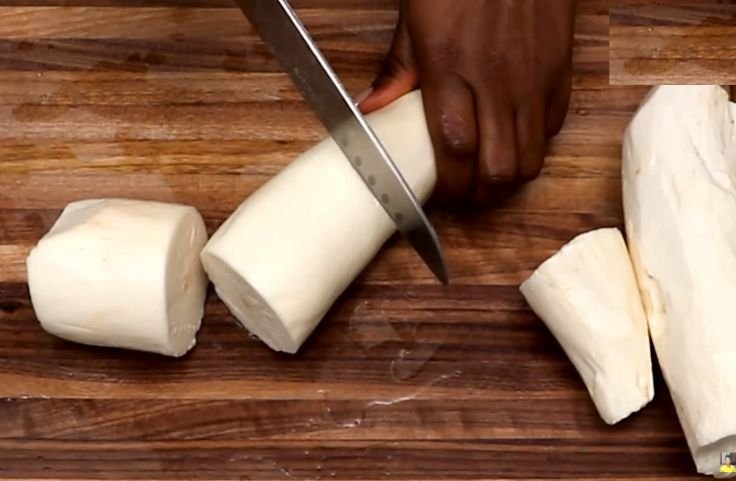
That unfamiliarity means fewer recipes, less shelf space, and a real hesitation to try an ingredient shoppers have never cooked with before.
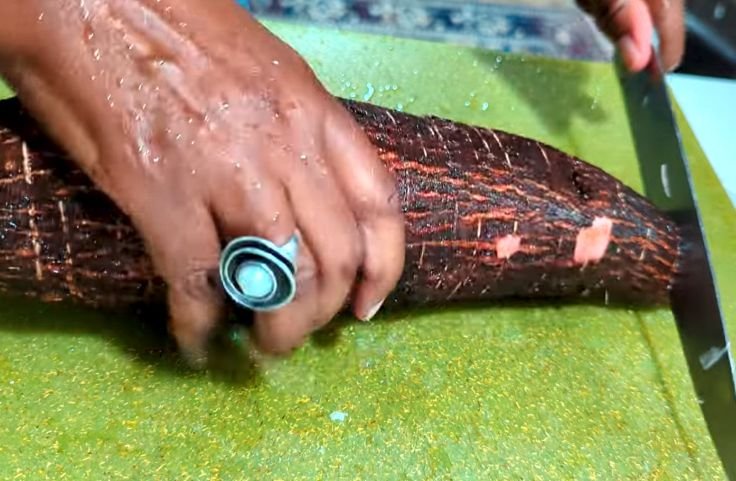
Raw cassava’s natural toxins add a second barrier, since most consumers have no context for why proper preparation matters before they ever pick up a root.
Outside ethnic grocery stores, shoppers rarely encounter cassava at all, which keeps the unfamiliarity cycle intact regardless of how well the ingredient actually performs.
Why Access Remains Limited
Nearly all cassava sold in the U.S. is imported, since domestic cultivation remains small and regionally limited.
Our guide to cassava as a U.S. cash crop covers why.
That import dependence means cassava competes for shelf space against domestic staples with far shorter, cheaper supply chains already in place.
What Is Actually Changing
Gluten-free demand has given cassava its first real mainstream opening, since cassava flour performs closer to wheat than most alternatives on the market.
Our full guide to cassava and the gluten-free lifestyle covers exactly how that shift is playing out in American kitchens.
Growing immigrant populations are expanding demand for authentic cassava dishes, not just flour, pushing more of it into mainstream grocery chains each year.
None of these barriers are permanent, and our guide on reasons Americans should give cassava a real shot covers what makes the case worth revisiting now.
Conclusion
Cassava’s absence from the American mainstream comes down to timing, not merit.
Corn, wheat, and potatoes had a head start, and unfamiliarity plus limited access kept cassava on the sidelines long after it had proven itself everywhere else.
Gluten-free demand is finally giving it a real opening, one recipe and one grocery aisle at a time.
The barriers are real but not permanent, and the crop that feeds nearly a billion people elsewhere is slowly finding its footing here too.
Frequently Asked Questions
Why hasn’t cassava caught on in the United States?
Corn, wheat, and potatoes were established in American agriculture long before cassava had any real opportunity, leaving little room for a new tropical staple crop.
Is cassava considered an exotic ingredient in the U.S.?
Yes, most American shoppers view cassava as unfamiliar or foreign, unlike ingredients such as quinoa that received deliberate health-trend marketing over the past decade.
Why is cassava hard to find in regular grocery stores?
Most cassava sold in the U.S. is imported, and it competes for shelf space against domestic staples with shorter, cheaper, already-established supply chains.
Is cassava becoming more popular in American kitchens?
Yes, rising gluten-free demand and growing immigrant communities are both expanding cassava’s presence in mainstream grocery stores and recipes gradually.

Chimeremeze Emeh is a tropical crop farmer and chemical engineer from Ntigha, Isiala Ngwa North LGA, Abia State, Eastern Nigeria, specializing in cassava and palm oil, with over 30 years of hands-on experience growing, harvesting, and processing cassava. He grows TMS series, TME 419, and local traditional varieties on his own farms and operates a small-scale cassava flour and starch production business through Cassava Pathway, which he founded as a CAMA-registered agribusiness in 2024. He is also the founder of Palm Oil Pathway, where he applies the same tropical farming expertise. His farms are located in Ntigha, Abia State.