Last updated on August 14th, 2026 at 10:15 am
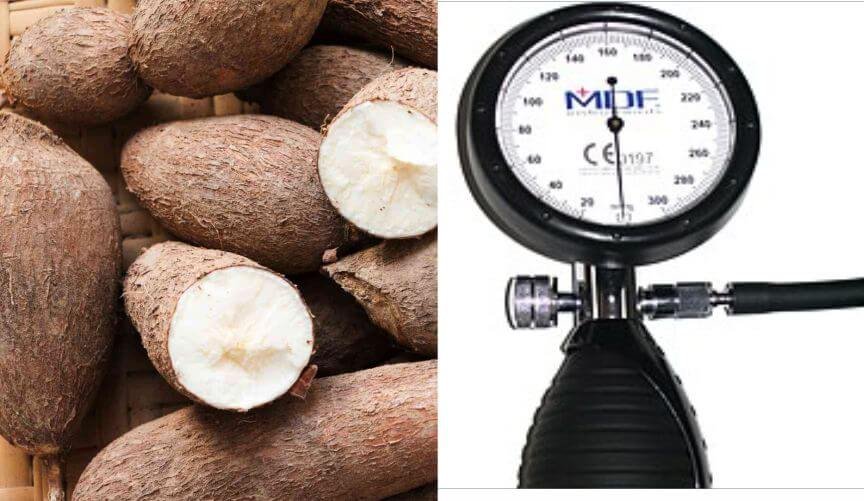
Cassava is often praised as a natural fix for high blood pressure. The truth is more nuanced. Here’s what real, peer-reviewed research says potassium actually does, and how cassava genuinely fits into a heart-healthy diet.
High blood pressure affects over a billion people worldwide, and many turn to food first when looking for ways to manage it.
Cassava will come up in these conversations, credited with everything from lowering cholesterol to reducing inflammation.
Some of these claims hold up under scrutiny. Many do not.
Cassava does contain real potassium, a nutrient with solid clinical evidence linking higher intake to healthier blood pressure as part of a balanced diet.
What lacks support is the idea that cassava itself, as a specific food, has been clinically proven to lower blood pressure on its own.
This guide separates what the research actually shows from what remains unproven, so you can make an informed choice.
Health Disclaimer
The information in this article is for educational purposes only and does not constitute medical or dietary advice. Content on Cassava Pathway is based on published research, traditional food practices, and the author’s 30 years of hands-on cassava farming and processing experience in Eastern Nigeria. It is not a substitute for professional medical advice, diagnosis, or treatment. If you have a medical condition, are pregnant, are managing diabetes or any chronic illness, or are considering significant dietary changes, always consult a qualified healthcare provider or registered dietitian before acting on anything you read here.
Table of Contents
What the Research Actually Shows
Potassium has genuine, well-documented evidence behind it. A meta-analysis of randomized controlled trials published in PLOS ONE found that potassium supplementation can reduce blood pressure in people with and without hypertension, particularly when sodium intake is also high.
A separate clinical study examining postprandial vascular effects found that a high-potassium meal improved blood vessel function in patients with treated hypertension, supporting a real physiological mechanism.
Cassava root does contain a meaningful amount of potassium, so it can contribute to overall potassium intake as part of a varied diet. More on cassava nutrients.
What does not exist is a credible clinical trial testing cassava specifically, as a whole food, against blood pressure outcomes.
Health fact-checking organizations, including Africa Check, have specifically investigated and found no evidence supporting claims that cassava or cassava leaves cure or treat hypertension.
Be skeptical of any article citing a specific cassava blood pressure study without linking to the actual peer-reviewed source.
Potassium and Sodium Balance: What Is Established
The mechanism connecting potassium to blood pressure is real and reasonably well understood.
Potassium helps the kidneys excrete excess sodium and supports blood vessel relaxation, both of which can contribute to healthier blood pressure readings over time.
This means a diet generally higher in potassium-rich foods, including cassava alongside vegetables, fruits, and legumes, may support better blood pressure management as part of a broader dietary pattern.
The benefit comes from overall dietary potassium, not from cassava as a unique or special source.
What Remains Unproven About Cassava and Blood Pressure
Claims that cassava specifically lowers cholesterol, reduces inflammation through antioxidants, or improves insulin sensitivity in ways that directly affect blood pressure are not supported by dedicated clinical research on cassava itself.
These mechanisms are plausible in a general nutritional sense, since fiber and antioxidants broadly support cardiovascular health, but no study has isolated cassava consumption and demonstrated these specific outcomes.
One published cross-sectional study examining a population using cassava as a staple food found no significant difference in blood pressure compared to control groups, which does not support the idea that cassava actively lowers blood pressure in regular consumers.
Frequently Asked Questions
Can cassava reduce blood pressure?
Cassava contains potassium, which has real evidence for supporting healthy blood pressure as part of an overall diet. No clinical trial has proven cassava itself reduces blood pressure directly.
Who should not eat cassava?
People with iodine or protein deficiency, thyroid conditions, or those who are pregnant should exercise particular caution and consult a healthcare provider before regular cassava consumption.
Does cassava raise cholesterol?
There is no strong clinical evidence that cassava specifically lowers or raises cholesterol. Its fiber content may offer modest general cardiovascular support as part of a balanced diet.
Is there real scientific proof that cassava treats high blood pressure?
No. Fact-checking organizations have specifically reviewed and rejected claims that cassava treats hypertension. Potassium itself has evidence; cassava as a specific treatment does not.
Conclusion
Cassava contains potassium, and potassium has genuine, peer-reviewed evidence supporting blood pressure management as part of a varied diet.
What cassava does not have is direct clinical proof that it lowers blood pressure on its own, despite many articles implying otherwise.
The honest takeaway is that cassava can be a reasonable part of a potassium-conscious, balanced diet, not a treatment for hypertension.
Speak with your healthcare provider about your specific blood pressure management plan before making significant dietary changes.



Chimeremeze Emeh is a tropical crop farmer and chemical engineer from Ntigha, Isiala Ngwa North LGA, Abia State, Eastern Nigeria, specializing in cassava and palm oil, with over 30 years of hands-on experience growing, harvesting, and processing cassava. He grows TMS series, TME 419, and local traditional varieties on his own farms and operates a small-scale cassava flour and starch production business through Cassava Pathway, which he founded as a CAMA-registered agribusiness in 2024. He is also the founder of Palm Oil Pathway, where he applies the same tropical farming expertise. His farms are located in Ntigha, Abia State.