Last updated on July 5th, 2026 at 06:26 am
Last Updated on 30th June, 2026 by Chimeremeze Emeh
Cassava and prostate health are gaining attention as researchers look into whether this starchy root, especially when boiled, could play a role in supporting or affecting prostate wellness.
Men search for this question daily, hoping a starchy root can somehow replace medical treatment.
You have probably read somewhere that cassava kills cancer cells because it releases cyanide inside the body once digested.
That claim spreads fast across forums and social posts aimed at men worried about their rising prostate cancer risk.
I farm cassava in Abia State, Nigeria, and I hold a chemical engineering degree, so I understand both the plant and the chemistry behind these viral claims.
This article walks through what the actual peer-reviewed research shows, what a documented case report found when a real patient tried this approach, and what cassava can realistically still do for your prostate health today.
Disclaimer: This article is for informational purposes only and does not constitute medical advice. The author is not a medical doctor or registered dietitian. Always consult a qualified healthcare provider before making dietary or medical decisions related to cassava consumption.
Table of Contents
What People Actually Claim About Cassava and Prostate Cancer
Prostate cancer is the second most diagnosed cancer in men worldwide, according to GLOBOCAN estimates published in CA: A Cancer Journal for Clinicians.
It accounts for roughly 7.3 percent of all new cancer cases diagnosed globally in 2022.
The American Cancer Society reports that incidence is rising fastest in parts of Africa, Asia, and Latin America.
That scale of diagnosis is exactly why desperate searches for a cheap, natural fix keep circulating online.
The cassava claim usually goes like this: cassava root contains cyanogenic compounds that release hydrogen cyanide, and cyanide is toxic enough to destroy fast-growing cancer cells before healthy cells notice.
Some posts point to traditional use in parts of Africa and Asia as proof this already works.
Others cite isolated laboratory findings and stretch them into a full treatment claim.
None of these sources mention that the compound behind the theory is the same one that makes raw cassava dangerous to eat.
We cover that danger fully in our guide to cassava root side effects and warnings.
A Farmer’s View on the Cancer Claims
I have grown and eaten cassava my entire life, and I have heard the cancer-curing claims repeated confidently in my own community for years.
As someone who also studied chemical engineering, I understand why the cyanide-cancer theory sounds convincing.
But understanding a chemical mechanism in a lab is very different from proving a food cures disease in a human body.
I would never tell a man with prostate cancer to rely on cassava instead of his doctor, and neither should this article.
The Chemistry Behind the Claim: Linamarin and Hydrogen Cyanide
Cassava root naturally contains a compound called linamarin, a cyanogenic glycoside that makes up roughly ninety percent of the plant’s total cyanogenic content.
When cassava tissue is crushed, chewed, or digested, an enzyme called linamarase breaks down linamarin and releases hydrogen cyanide.
This is the same toxin responsible for cyanide poisoning cases in people who eat improperly processed cassava.
This is a real chemical process, not folklore, and it is exactly why proper preparation matters so much before cassava reaches your plate.
We break down the full detoxification process in our guide on how to remove cyanide from cassava root.
The cancer claim borrows this fact about toxicity and leaps to an unproven conclusion, assuming that a poison affecting cells indiscriminately can somehow be aimed only at tumors.
What the Only Human Case Report Actually Found
There is exactly one published human case report testing this idea directly, and it does not support the cancer-fighting claim.
Physicians Abeygunasekera and Palliyaguruge documented the case in the Journal of Pharmaceutical Technology and Drug Research in 2013.
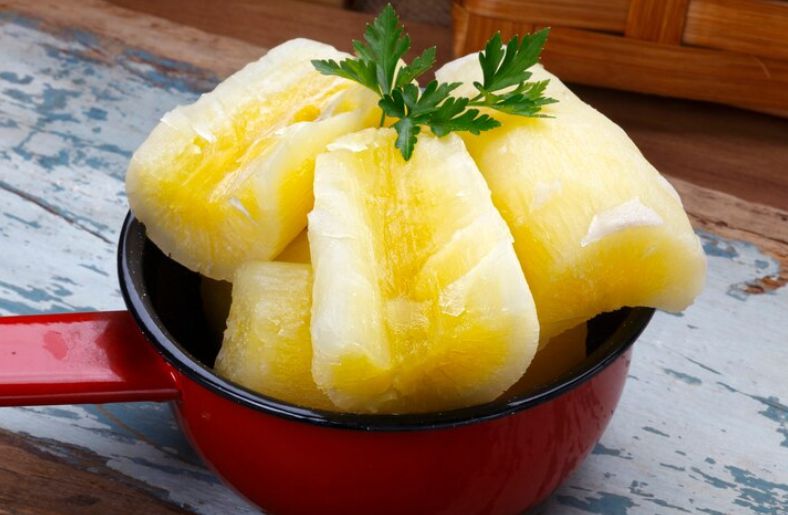
Their patient had hormone-resistant prostate cancer and consumed large quantities of boiled cassava root, hoping it would control his disease.
His serum PSA level, the standard marker doctors use to track prostate cancer activity, kept climbing throughout the period he ate cassava this way.
The authors concluded plainly that cassava failed to control his cancer, and they published the case specifically to guide other patients considering the same approach.
A single case alone cannot settle a scientific question on its own.
But it remains the closest thing to real-world human evidence this claim has ever produced, and the result argues against it.
What’s Really Behind Prostate Cancer?
Prostate cancer doesn’t happen overnight. It’s linked to several things: age, genetics, hormone changes, and lifestyle.
But two major players in the background are oxidative stress and inflammation.
Here’s what that means:
- Oxidative stress: This happens when your body has more free radicals than antioxidants. Over time, that imbalance can damage your cells.
- Inflammation: Chronic inflammation in the prostate can slowly damage tissue and create an environment where cancer might grow.
That’s why many people turn to anti-inflammatory foods or antioxidants in hopes of lowering their risk.
That’s where cassava comes in, but there’s more to the story.
Does Cassava Kill Cancer Cells in a Lab Dish?
Laboratory research tells a more complicated story than either side of the online debate usually admits.
Some in-vitro studies have found that purified linamarin or cassava-derived cyanide extracts show toxicity against certain cancer cell lines grown in a dish.
That includes glioblastoma brain cancer cells, according to research published through the National Library of Medicine.
Earlier laboratory work found similar cytotoxic effects on colon, breast, and leukemia cell lines.
These findings matter for future drug research, since scientists are studying isolated and controlled doses of these compounds as possible leads for targeted cancer therapies.
What none of these studies show is any evidence involving prostate cancer cells specifically, human trials, or safe dosing in a living person.
A cell dying in a petri dish under a controlled cyanide dose tells us very little about what eating boiled cassava root does inside a man’s body.
What Cassava Can Realistically Offer Your Prostate and Overall Health
Cassava is not a cancer treatment, but it does carry real nutritional value worth knowing about.
Our full breakdown of the health benefits of cassava and its complete nutritional information covers this in depth.
Here is what applies most directly to general prostate and metabolic health:
- Cassava root supplies resistant starch, a type of fiber linked to improved gut health and steadier blood sugar response.
- The leaves, though less commonly eaten outside parts of Africa, carry antioxidant compounds covered in our guide to the health benefits of cassava leaves.
- Cassava is naturally gluten-free, making it a workable carbohydrate base for men managing weight or blood sugar, a topic we cover for cassava and diabetics.
- It supplies vitamin C and modest amounts of folate alongside its carbohydrate content.
None of these benefits translate into cancer prevention or treatment on their own, and no serious nutrition body claims otherwise.
Foods With Actual Evidence Behind Prostate Health
If you want dietary choices with real research behind them, tomatoes are a far stronger example than cassava.
Cooked tomato products are rich in lycopene, an antioxidant studied for its link to prostate health.
A review from the American Institute for Cancer Research found men with higher lycopene intake had a meaningfully lower prostate cancer risk across dozens of population studies.
Cruciferous vegetables like broccoli and cabbage carry compounds linked to slower prostate cancer cell growth in multiple studies as well.
Neither of these foods is a guaranteed cure, and researchers are careful to say more clinical trial evidence is still needed.
But they carry a research record cassava simply does not have for this specific condition, and that difference matters when men are choosing where to place their hope.
How to Prepare Cassava Safely If You Choose to Eat It
Whatever your view on the cancer claims, cassava deserves proper handling if it is part of your regular diet.
- Never eat cassava root raw, since unprocessed roots carry the highest cyanogenic glycoside levels, a risk we detail in is cassava root safe to eat raw.
- Peel, soak, and thoroughly cook cassava before eating it, following the steps in our cyanide removal guide.
- Buy cassava flour only from reputable producers, since proper processing is what makes the final product safe, as we explain in does cassava flour contain cyanide.
- Watch for symptoms of cyanide exposure such as nausea, dizziness, or headache after eating poorly processed cassava, covered fully in our guide to cyanide poisoning from cassava.
- If you manage diabetes or another condition affected by starchy carbohydrates, review our page on cassava root side effects and warnings before adding it regularly to your diet.
Eaten this way, cassava stays what it has always been for millions of households, a safe and dependable staple, not a cure sitting quietly in your kitchen.
Final Thoughts
Cassava will not cure or prevent prostate cancer, and no peer-reviewed study supports that claim today.
What it can offer is fiber, resistant starch, and antioxidants in a balanced diet.
The one documented case of a man using boiled cassava against hormone-resistant prostate cancer ended with his PSA rising further.
If you are managing a prostate condition, do not substitute cassava or any single food for treatment.
Talk openly to your urologist about your diet, continue all prescribed treatment, and let cassava remain a nourishing staple food in your kitchen.
Frequently Asked Questions
Can eating cassava every day affect my prostate?
Eating cassava daily in moderation may support prostate health through fiber and antioxidants, but it’s not proven to prevent or cause prostate issues alone.
Is boiled cassava better for prostate health than fried cassava?
Yes, boiled cassava is safer and retains more beneficial resistant starch, while frying can add unhealthy fats and reduce some nutrients important for prostate health.
What’s the safest way to eat cassava for health benefits?
Peel, soak if needed, and boil cassava thoroughly to remove toxic cyanide compounds, ensuring it’s safe and retains fiber and nutrients beneficial for overall health.
Are there studies linking cassava to prostate cancer prevention?
Currently, no strong scientific studies conclusively link cassava consumption to prostate cancer prevention; research is limited and evidence remains mostly anecdotal or theoretical.




Chimeremeze Emeh is a tropical crop farmer and chemical engineer from Ntigha, Isiala Ngwa North LGA, Abia State, Eastern Nigeria, specializing in cassava and palm oil, with over 30 years of hands-on experience growing, harvesting, and processing cassava. He grows TMS series, TME 419, and local traditional varieties on his own farms and operates a small-scale cassava flour and starch production business through Cassava Pathway, which he founded as a CAMA-registered agribusiness in 2024. He is also the founder of Palm Oil Pathway, where he applies the same tropical farming expertise. His farms are located in Ntigha, Abia State.