Last updated on July 17th, 2026 at 07:14 am
It is a casual skill to know when cassava is ready for harvest in my cassava farming community in Abia State, Nigeria. I have farmed cassava since childhood, five plots a year, and I read a cassava readiness by its leaves, stems, and soil before I ever measure months. Here is exactly what to look for and why the timing changes everything.
We keep about five plots going every year, so a mature farm is almost always ready when we need food.
Every other month, we go to one of our small cassava farms to harvest half of the cassava for subsistence use.
Within three months, a particular farm would have been emptied, sustaining the family.
One of the key areas of cassava cultivation is identifying the right time to harvest cassava roots.
That habit taught me to read a cassava plant by its leaves, stems, and the soil around the base, rather than by counting months on a calendar.
This guide walks through those visual and tactile signs, the timing window backed by agronomic research, and what happens to roots and income when harvest is delayed too long.
Table of Contents
How I Learned to Read a Cassava Farm is Ready for Harvest
Reading a cassava farm is a skill I built before I had a name for it.
My family has farmed five plots every year since I was a child, and because we stagger planting, some part of our land is always at a different growth stage.
That rotation means a mature farm is nearly always available when we need food.
So I learned to judge readiness from the stem, the leaves, and the soil, rather than from a planting date written down somewhere.
My mother could walk into a farm and tell within minutes if it was ready.
After three decades of farming and processing cassava through Cassava Pathway, that same instinct now guides my own harvest calls.
Cassava Growth Stages at a Glance
Cassava generally needs eight to twelve months before it’s ready for harvest.
The full maturity window can run from six months to two years, depending on variety, climate, and soil conditions, according to the Food and Agriculture Organization.
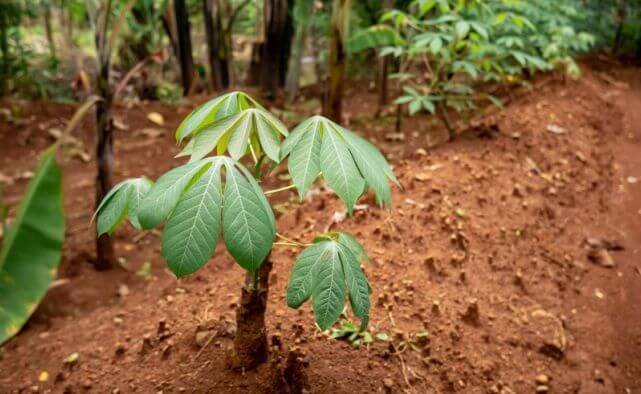
Growth moves through four phases: establishment, vegetative growth, root bulking, and maturity, and each stage changes how the plant looks and feels.
For a full breakdown of each stage, including how long it lasts and what signs to watch for, see our dedicated guide to cassava growth stages and adaptability.
Visual Signs Cassava Is Ready to Harvest
While a seasoned farmer like my mother could tell by a glance across the farm, a few clear indicators help anyone else spot readiness, too.
Changes in Leaf Color
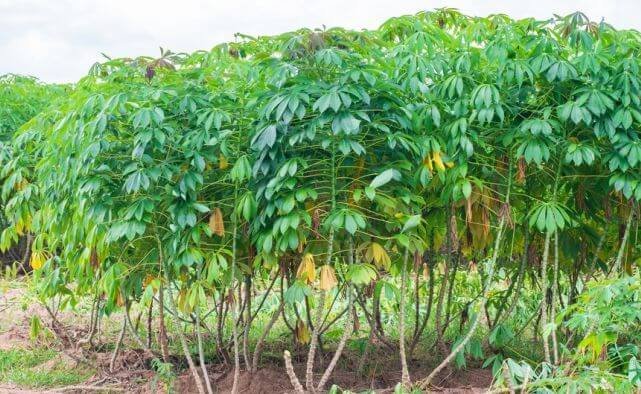
One of the earliest signs that cassava is ready to be harvested is a shift in leaf color.
Mature leaves turn from bright green to a duller, darker shade as the plant nears the end of its growth cycle.
The leaves also tend to grow larger before they begin to drop from the lower stem.
That leaf drop, paired with the color change, is a reliable early clue that harvest time is close.
Stem Condition
Another clue sits in the stems themselves, since cassava stems thicken and firm up as the plant matures, losing the soft, green look of a young plant.
Mature stems usually turn a woodier brown and feel noticeably sturdier when handled.
These stem changes reflect the plant’s overall health and its readiness for harvest.
Root Development
Root development is the clearest visual sign of maturity, though roots stay mostly underground until harvest.
In my community, farmers practice harvest testing, carefully digging up a few tender roots from a mound and covering the mound back with soil so the rest keep growing.
This tradition began partly out of food scarcity, but it also works as a practical way to gauge how far a farm has matured.
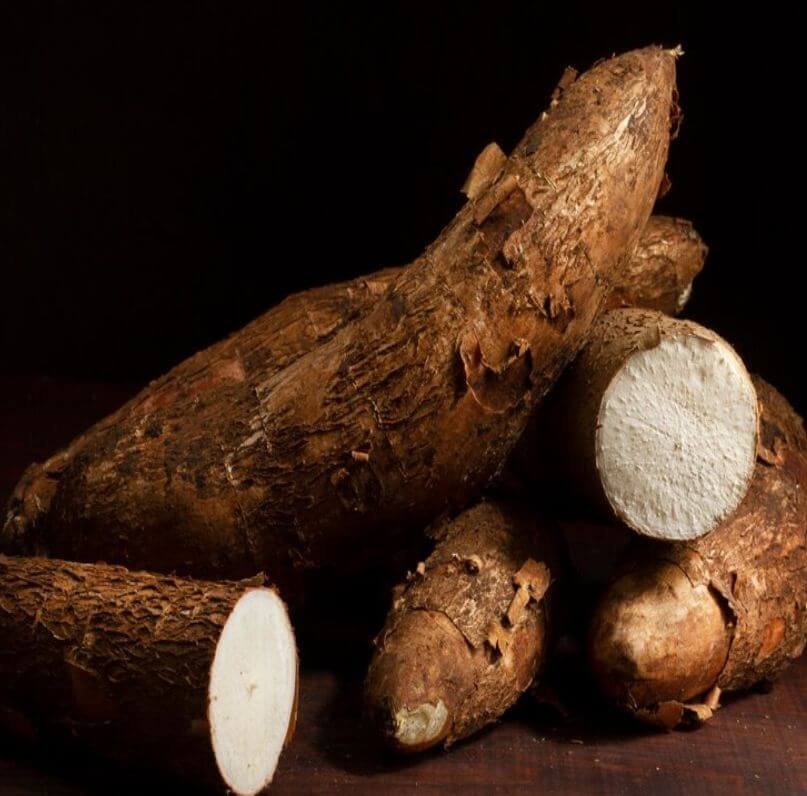
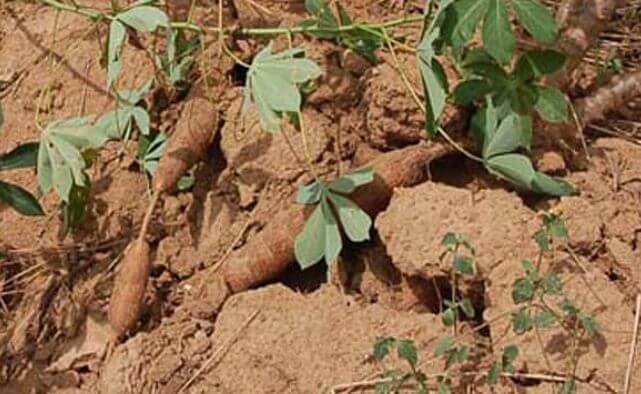
When roots are ready, they swell noticeably near the base of the stem, and portions may even push through the soil surface.
Mature roots also develop a smoother, more defined surface compared to the rough, thin roots of an immature plant.
Tactile Signs Cassava Is Ready to Harvest
Visual clues work best alongside a few tactile checks you can do by hand.
Texture
Tactile signs rely on touch rather than sight, so gently press a few roots at the base of the plant to check their firmness.
Roots that feel firm and solid have usually matured, while roots that feel soft or spongy likely need more time.
Check several roots across the mound, since maturity can vary within the same plant.
The Ease of Pulling
Ready roots tend to come out of the ground with relative ease when you tug on the plant.
If a root resists or needs excessive force to pull free, it likely needs more time in the ground.
This resistance test works well alongside the soil-cracking sign we cover next.
Inspecting the Surrounding Soil
As a kid, I could tell cassava was ready by the cracks that formed in the soil around the base of the stem, especially during dry seasons.
Swelling roots push the surrounding soil upward until it splits, and sometimes a portion of the root becomes visible.
Dry, loose soil also makes harvesting physically easier, so if the ground gives way without much digging, that is a good sign the roots are mature.
Timing for Harvesting
Cassava does not follow one single fixed timeline from planting to harvest.
The Food and Agriculture Organization notes that harvest can happen anywhere from six months to two years, with most farms averaging around twelve months. See how to harvest cassava.
For the varieties I grow, TMS 419 and TME 419, I find the eight-to-twelve-month range gives the best balance of yield and root quality.
Waiting longer lets starch accumulate further, but it also raises the risk of pest damage and root decline, covered in the next section.
Dry seasons are usually the best time to harvest, since wet soil causes roots to decay faster and makes digging harder.
If your region gets steady rainfall, wait until conditions dry out a little before pulling roots.
Soil type, local climate, and the specific variety planted should all factor into your harvest decision, alongside the visual and tactile signs covered above.
Consequences of Late Harvesting
Decline in Root Quality
Leaving mature roots in the ground past their harvest window triggers a process researchers call post-harvest physiological deterioration, or PPD.
Cornell University’s Gore Lab explains that PPD begins as vascular streaking inside the root, a blue or black discoloration that makes the flesh unpalatable and unmarketable.
Roots left too long in the field can also turn fibrous and woody, losing the texture needed for products like garri and fufu. See my recent cassava harvest.
Pest and Disease Risk
Delayed harvest also raises exposure to pest infestations and diseases, particularly root-knot nematodes and cassava mealybugs.
A field study published in the journal Plants found untreated cassava plots lost between 21 and 64 percent of marketable root weight to nematode damage over a twelve-month growing cycle.
Prolonged exposure to wet soil can also cause root rot, which can make an entire plant unharvestable and erase a season’s income.
For smallholder farmers who depend on cassava as a staple crop, that kind of loss can be difficult to recover from.
Conclusion
Reading a cassava farm does not require decades of farming, though decades help.
Watch the leaves for color change and drop, check the stems for thickness, and inspect the roots for swelling, smoother skin, and easy pulling.
Cracked soil and firm texture simply confirm what your eyes already suspect. Harvest during the dry season when possible, and remember that timing shifts with variety, soil, and climate.
Frequently Asked Questions
How long does cassava take to mature before harvest?
Cassava usually needs eight to twelve months to mature, though the range runs from six months to two years depending on variety, climate, soil, and farming practices used.
What are the first visible signs cassava is ready to harvest?
Look for leaves shifting from bright green to a darker shade, followed by leaf drop, thicker and woodier stems, and roots swelling near the base of the plant.
What happens if I harvest cassava too late?
Late harvest triggers post-harvest physiological deterioration, causes roots to turn fibrous and woody, and raises exposure to nematodes, mealybugs, and root rot that can ruin an entire crop.
Is it better to harvest cassava in the dry or wet season?
Dry season harvesting is usually better, since wet soil causes roots to decay faster, makes digging harder, and increases the risk of physical damage during the harvesting process.


Chimeremeze Emeh is a tropical crop farmer and chemical engineer from Ntigha, Isiala Ngwa North LGA, Abia State, Eastern Nigeria, specializing in cassava and palm oil, with over 30 years of hands-on experience growing, harvesting, and processing cassava. He grows TMS series, TME 419, and local traditional varieties on his own farms and operates a small-scale cassava flour and starch production business through Cassava Pathway, which he founded as a CAMA-registered agribusiness in 2024. He is also the founder of Palm Oil Pathway, where he applies the same tropical farming expertise. His farms are located in Ntigha, Abia State.