Last updated on July 17th, 2026 at 08:06 am
Cassava carries a real environmental footprint, but it shifts sharply depending on where and how it is grown. Land use, soil depletion, water demand, and emissions all look different on a smallholder plot than on a commercial starch farm.
My chemical engineering background shapes how I think about soil chemistry and farm inputs.
Cassava’s environmental footprint spans several distinct areas: land use and deforestation, soil health under continuous cropping, water demand, pesticide and herbicide reliance, and greenhouse gas emissions.
Each factor behaves differently depending on farming scale, from a smallholder’s small plot to a commercial operation supplying starch factories.
This guide walks through each cassava farming environmental impact factor using peer-reviewed research and field data, then covers the sustainable practices that measurably reduce cassava’s footprint.
Table of Contents
Cassava’s Environmental Footprint, Factor by Factor
Cassava sits within a much larger cassava farming picture that spans cultivation, processing, and trade.
Its environmental footprint depends heavily on region, scale, and farming method, which is why blanket statements about the crop rarely hold up well.
The sections below break down each major factor using verified, peer-reviewed sources.
1. Land Use and Deforestation
Cassava’s land use footprint varies enormously by region, and the global data points to a genuinely mixed picture rather than a single number.
According to an FAO global assessment of cassava production, the crop has had a minimal effect on biodiversity across most growing regions worldwide.
Thailand stands out as the clear exception, where cassava-driven cropland expanded from roughly 460,000 hectares in 1974 to 1.6 million hectares by 1988.
That expansion was driven by government policy encouraging farmers to clear forest for cassava export production, not by the crop’s inherent land needs.
Readers curious about the wider cassava value chain challenges behind regional land pressure can find more detail there.
2. Soil Health and Nutrient Depletion Under Continuous Cropping
Continuous cassava cropping on the same plot depletes soil potassium fast, since the crop is a heavy potassium extractor by nature.
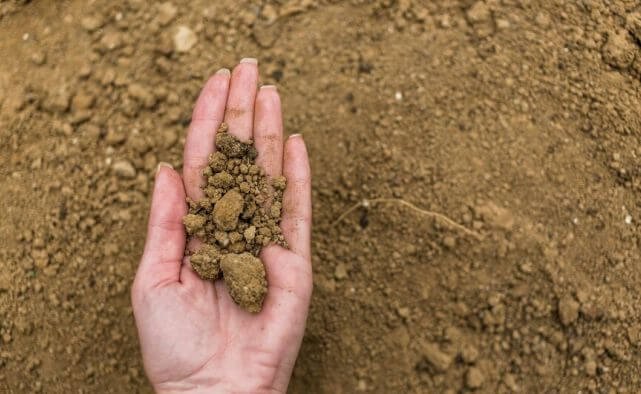
Field trials tracking cassava yields over repeated planting cycles found yields dropped by more than 600 kilograms per hectare by the third year of continuous monocropping.
That decline was traced largely to falling potassium and magnesium levels, according to research on potassium nutrition in cassava.
On my own farm, I rotate cassava with legumes specifically to interrupt that decline before it shows up in root size.
Read the guide on rotating cassava with other crops, which walks through timing and crop pairing in detail.
For readers still choosing a plot, our breakdown of what soil cassava actually needs covers texture, drainage, and pH requirements.
3. Water Use and Drought Tolerance
Cassava generally needs less water than most competing staple crops, since it tolerates drought and marginal soil better than rice, maize, or sugarcane.
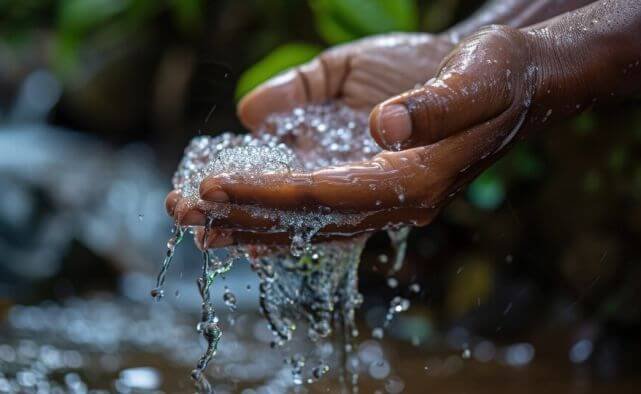
The plant produces more energy per unit of land than other crops under water-stressed, marginal conditions, according to a drought tolerance review in Frontiers.
This resilience is exactly why cassava thrives in the semi-arid Sahel and drought-prone parts of East Africa, where rice, maize, and sugarcane struggle.
That does not mean cassava needs zero water, since yields still improve with irrigation during establishment.
Read the guide to ideal climate conditions for cassava farming, which covers rainfall and temperature ranges by region.
4. Pesticide and Herbicide Use
Most smallholder cassava farming worldwide uses minimal purchased chemical inputs, since the crop was bred and selected for resilience on marginal land with little intervention.
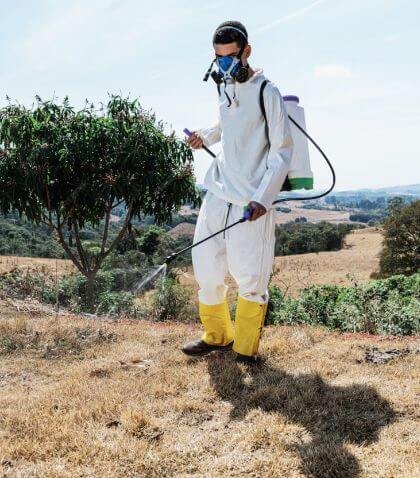
Commercial-scale operations growing cassava for starch export or animal feed are the ones more likely to apply pesticides and herbicides at volume.
Weeds pose the bigger practical threat during the first several months after planting, before the canopy closes and shades out competition.
Our guide to non-chemical weed control strategies covers intercropping and timing methods that reduce herbicide dependence.
Where pest pressure does require treatment, our full guide on identifying and treating cassava pests and diseases covers targeted options.
5. Greenhouse Gas Emissions
Cassava generally carries a lower carbon footprint than many staple crops, largely because it needs less synthetic fertilizer and thrives without heavy machinery.
Nitrogen fertilizer use is still the main direct emissions source when it does get applied, since nitrogen-based fertilizers release nitrous oxide during breakdown in the soil.
Tillage also releases stored soil carbon, so minimal-till approaches reduce a farm’s overall footprint further.
Composting cassava peels and stems instead of burning them cuts emissions while replacing purchased fertilizer.
Our guide on turning cassava waste into organic fertilizer explains the process.
6. What Intercropping and Rotation Data Actually Show
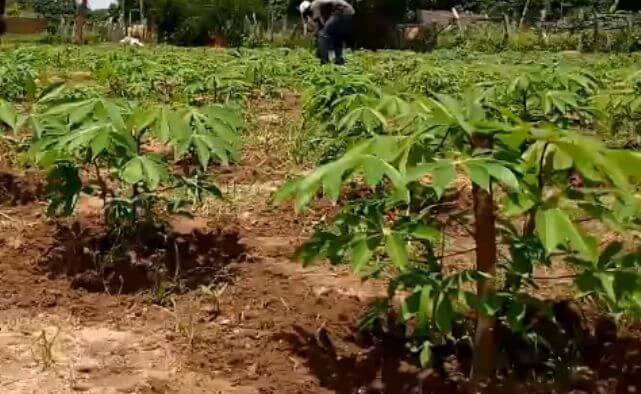
Peer-reviewed field trials on cassava intercropped with peanut found higher available nitrogen, potassium, and soil pH than cassava grown alone, per research published in BMC Biotechnology.
These are measured soil chemistry changes rather than general assumptions about what intercropping does.
Legume intercropping, in particular, adds nitrogen back into the soil through root nodulation, offsetting some of what continuous cassava cropping removes.
Explore the full framework for building a more sustainable cassava operation, which covers intercropping alongside several other proven methods.
Read more about the importance of cassava intercropping.
7. Building a Lower-Impact Cassava Operation
Reducing cassava’s environmental footprint comes down to a handful of proven, low-cost practices rather than expensive new technology.
Farmers scaling from a small plot into commercial cassava production benefit most from building these habits early, before monoculture patterns set in.
- Rotate cassava with legumes every two to three seasons to rebuild nitrogen and potassium naturally.
- Choose climate-resilient cassava varieties suited to your rainfall pattern instead of forcing an unsuitable one.
- Compost peels, stems, and leaves on-site rather than burning or discarding them.
- Reserve pesticide and herbicide use for confirmed outbreaks rather than routine, calendar-based spraying.
- Leave forest buffers around new plots instead of clearing to the property line.
None of these practices requires abandoning cassava as a crop, only farming it with more intention than the previous season.
Final Word From Cassava Pathway
Cassava’s environmental footprint depends more on regional context and farming scale than on anything inherent to the crop itself.
Land clearing, water use, and pesticide reliance are real risks in specific regions and specific farming systems, not universal facts about cassava everywhere it grows.
On my own farm, rotation and composting have done more for soil health than any single input change.
If you grow cassava at any scale, start by tracking which of these seven factors applies most to your own plot, then fix that one first.
Frequently Asked Questions
How much forest has cassava farming actually cleared?
Global data shows cassava has had a minimal effect on biodiversity in most regions, with Thailand as the clear exception at roughly 1.6 million hectares by 1988.
Does cassava farming use more water than other staple crops?
No, cassava generally needs less water than competing staples, since it tolerates drought and marginal soil better than rice, maize, or sugarcane.
Does growing cassava require heavy pesticide use?
Most smallholder cassava farming uses minimal chemical inputs, though large commercial operations growing cassava for export tend to apply more pesticides and herbicides.
What is the most effective way to reduce cassava’s environmental impact?
Rotating cassava with legumes rebuilds soil nutrients naturally, and peer-reviewed intercropping trials show measurable improvements in nitrogen, potassium, and soil pH.

Chimeremeze Emeh is a tropical crop farmer and chemical engineer from Ntigha, Isiala Ngwa North LGA, Abia State, Eastern Nigeria, specializing in cassava and palm oil, with over 30 years of hands-on experience growing, harvesting, and processing cassava. He grows TMS series, TME 419, and local traditional varieties on his own farms and operates a small-scale cassava flour and starch production business through Cassava Pathway, which he founded as a CAMA-registered agribusiness in 2024. He is also the founder of Palm Oil Pathway, where he applies the same tropical farming expertise. His farms are located in Ntigha, Abia State.