Last updated on August 5th, 2026 at 01:32 pm
Search around and you will find small tapioca pearls credited with 358 calories per 100 grams cooked, yet that figure actually describes the dry, uncooked pearl, since water absorbed during boiling cuts the real cooked number by more than half.
Getting basic facts wrong is common with this ingredient, from calorie counts that mix up dry and cooked weight to cooking times that vary by two or three times across different sources.
This guide sorts through those inconsistencies with verified nutrition data, a corrected simmering time backed by the detailed cooking process itself, and honest guidance on what actually sets small pearls apart from their instant and large-pearl relatives.
You will find real cooking ratios, common mistakes worth avoiding, and storage guidance that keeps pearls fresh.
Readers wanting the instant variety specifically should read our guide on instant tapioca pearls.
Table of Contents
What Are Small Tapioca Pearls?
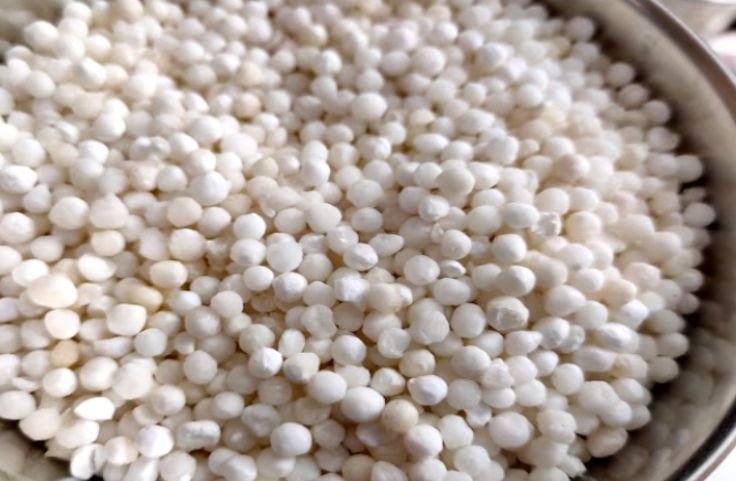
Small tapioca pearls are tiny, round starch balls made from cassava root that cook into a chewy texture used in desserts, puddings, and bubble tea.
Their smaller size lets them absorb flavor more evenly and cook faster than large pearls.
They still require real simmering time rather than the near-instant preparation of precooked varieties.
Readers wanting the broader pearl category should read our main guide on tapioca pearls, or our general guide on tapioca for the full product family.
What Sets Small Tapioca Pearls Apart
- Texture. Soft yet gently chewy, blending smoothly into desserts, beverages, and soups without the denser bite of large pearls. Starch composition and added modifiers directly affect this cooking behavior and final texture, according to peer-reviewed research published in ScienceDirect.
- Cooking time. Small pearls genuinely need 15 to 30 minutes of active simmering, not the 5 to 10 minutes sometimes claimed. That much shorter window applies specifically to precooked instant pearls instead of these.
- Appearance. Pearls turn translucent and plump as they cook, giving finished dishes a glossy, appealing look.
Best Uses for Small Tapioca Pearls
Tapioca pudding remains the classic application, where pearls absorb milk and sweetener into a creamy, chewy dessert.
Their soft texture also suits baby food and meals for elderly individuals, since they digest easily when mixed into purees or porridge.
Soups and stews gain body from small pearls without overpowering other flavors, particularly in coconut milk-based dishes common across Asian cuisines.
Readers wanting more recipe ideas should read our guide on tapioca pearl recipes.
Cooking Instructions
Use 8 cups of water per cup of dry small tapioca pearls, giving each pearl enough room to cook evenly without sticking.
Bring water to a full boil before adding pearls, then stir gently to prevent clumping as they begin cooking.
Reduce heat to medium and simmer for 15 to 30 minutes, checking occasionally until pearls feel chewy yet tender throughout.
Drain and rinse under cold water immediately once done, which stops cooking and removes excess surface starch.
Common Mistakes to Avoid
- Overcooking. Pearls turn mushy past their ideal point, so taste-test regularly rather than relying on the clock alone.
- Undercooking. Hard, opaque centers mean pearls need more time; they should look fully translucent before draining.
- Wrong pearl type. Small and large pearls cook differently, so swapping sizes mid-recipe throws off both timing and texture.
Storage and Shelf Life
Store dry, unopened pearls in an airtight container in a cool, dry place, where they stay usable for up to two years.
Once opened, use pearls within six months for best quality and texture.
Cooked pearls have a much shorter window, ideally eaten within four to six hours, or refrigerated in a sealed container for up to three days.
Reheat gently in warm water or by steaming, since microwaving tends to damage their texture noticeably.
Where to Buy Small Tapioca Pearls
Asian grocery stores typically stock small tapioca pearls in baking or dessert sections, sometimes labeled as mini tapioca, sago, or sabudana.
Readers unfamiliar with these regional naming differences should read our comparison of tapioca versus sago for clarity.
Online retailers and specialty baking sites offer detailed descriptions and reviews, helping you confirm size and quality before buying.
Readers wanting to make pearls from scratch instead should read our guide on making boba tapioca pearls at home.
The Real Nutrition Numbers
Cooked small tapioca pearls contain roughly 130 to 150 calories per 100 grams, according to nutritional analysis published by SnapCalorie.
This is a meaningfully lower figure than the dry-weight number commonly repeated online.
Dry, uncooked tapioca pearls carry a considerably higher calorie density of about 358 per 100 grams, according to nutrition data published by Eat This Much.
Pearls are naturally gluten-free, made almost entirely from carbohydrates with minimal protein, fat, or fiber, a property confirmed in nutritional analysis published by FoodStruct.
Readers wanting the full troubleshooting picture for texture problems should read our guide on troubleshooting tapioca balls.
Conclusion
Small tapioca pearls earn their place between instant convenience and large-pearl chewiness, cooking in 15 to 30 minutes, not the five to ten some sources wrongly claim.
Their real calorie count runs closer to 130 to 150 per 100 grams cooked, not the 358 describing the dry version.
Use 8 cups of water per cup of pearls, simmer patiently, and rinse once translucent.
Store dry pearls up to two years unopened, and eat cooked batches within six hours.
Frequently Asked Questions
What are small tapioca pearls made of?
Small tapioca pearls are made from cassava root starch, and they genuinely cook into a chewy texture that blends well in many puddings, desserts, and traditional bubble tea.
How long do small tapioca pearls take to cook?
Small tapioca pearls typically take 15 to 30 minutes of simmering to cook fully, not the far too brief five to ten minutes some sources still mistakenly claim.
Can small tapioca pearls be stored after cooking?
Cooked small tapioca pearls should be eaten within four to six hours for genuinely best texture, or refrigerated in an airtight, sealed container for up to three days.
What is the real calorie count for small tapioca pearls?
Cooked small tapioca pearls contain roughly 130 to 150 calories per 100 grams, not the 358 calories commonly cited, which actually describes the dry, uncooked pearl entirely.

Chimeremeze Emeh is a tropical crop farmer and chemical engineer from Ntigha, Isiala Ngwa North LGA, Abia State, Eastern Nigeria, specializing in cassava and palm oil, with over 30 years of hands-on experience growing, harvesting, and processing cassava. He grows TMS series, TME 419, and local traditional varieties on his own farms and operates a small-scale cassava flour and starch production business through Cassava Pathway, which he founded as a CAMA-registered agribusiness in 2024. He is also the founder of Palm Oil Pathway, where he applies the same tropical farming expertise. His farms are located in Ntigha, Abia State.