Tapioca Syrup vs Agave Syrup
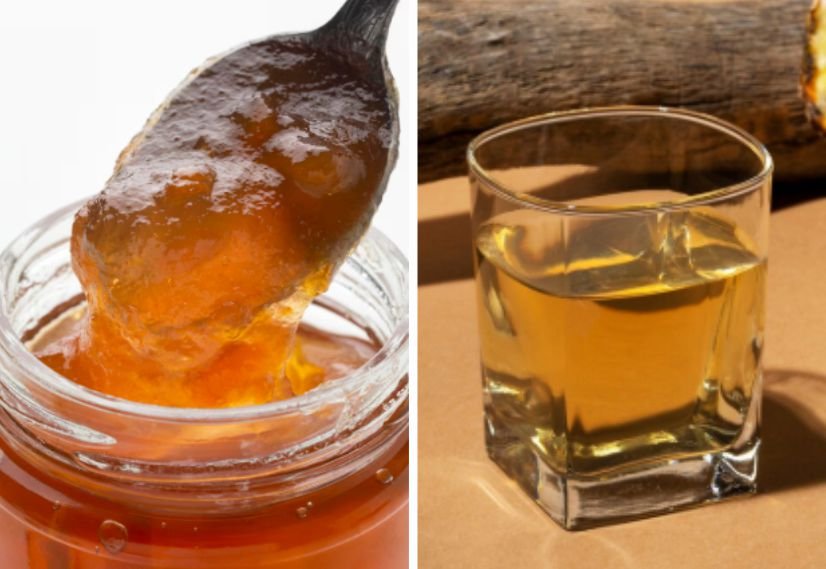
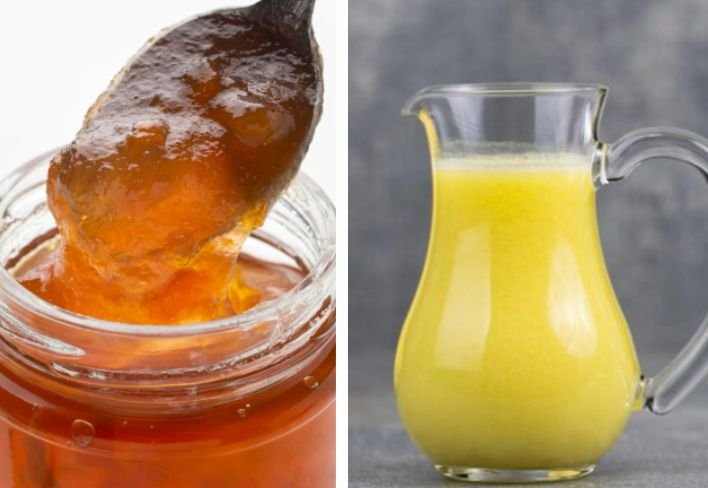
Tapioca syrup vs agave syrup compares sweetness, flavor, glycemic impact, and cooking performance to help you choose the right sweetener.
Cassava – manihot esculenta and its value chain
Tapioca Starch is a structured collection of posts focusing on the properties, uses, and applications of starch derived from cassava roots.
This category brings together individual articles that explore tapioca starch from different practical and industrial perspectives.
It includes posts on how tapioca starch is produced, its physical characteristics, and how it behaves in food preparation and processing.
You will also find content covering its role as a thickening agent in soups, sauces, baking, and gluten-free cooking, where it is widely used as a functional ingredient.
Beyond culinary use, this hub also features articles on industrial and commercial applications of tapioca starch, including its use in paper production, textiles, adhesives, and biodegradable products.
Each post focuses on a specific use case or property, allowing readers to understand its versatility without merging everything into a single explanation.
This category is designed as a reference collection rather than a guide, helping readers explore tapioca starch topics through individual posts.
It does not overlap with general cassava farming or processing categories, but instead highlights one important derivative product in detail through multiple focused articles.
Tapioca Starch serves as an organized knowledge hub within the broader cassava ecosystem, connecting food science, industrial usage, and everyday applications into a single structured archive of content.
Tapioca syrup vs agave syrup compares sweetness, flavor, glycemic impact, and cooking performance to help you choose the right sweetener.
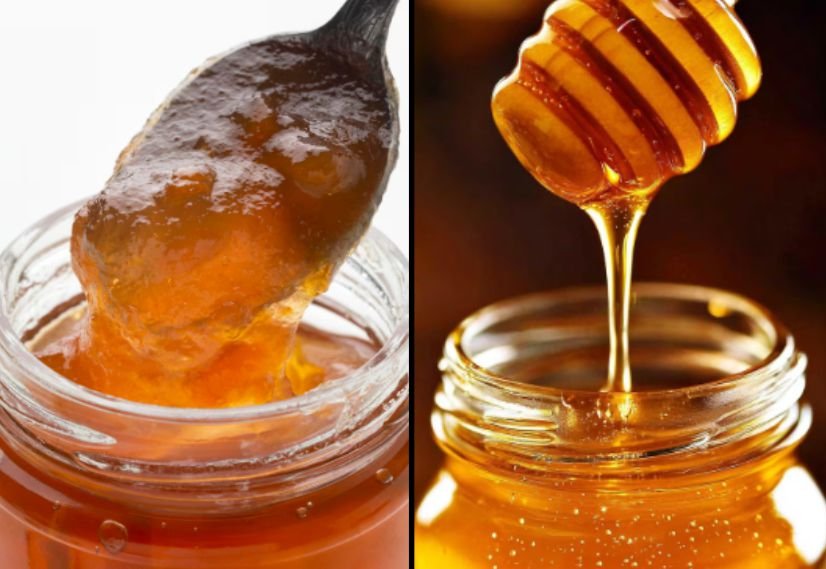
Tapioca syrup vs honey argument offers a clear look at sweetness, texture, and cooking performance so you can choose the best natural sweetener.
Is tapioca syrup low FODMAP? Find out how this natural sweetener affects digestion, and see if it fits your sensitive diet today.
How to make tapioca syrup at home can transform your recipes with natural sweetness and smooth texture, so grab the ingredients and start today!
Tapioca syrup solids enhance sweetness, texture, and moisture in baking, beverages, and snacks. Here’s everything to know.
Tapioca syrup vs corn syrup reveals key differences in sweetness, sourcing, and perception, helping you choose smarter options for food products, recipes, and labels today.
The global tapioca market landscape reveals rising demand for cassava starch and flour. See how you can tap into growth today.
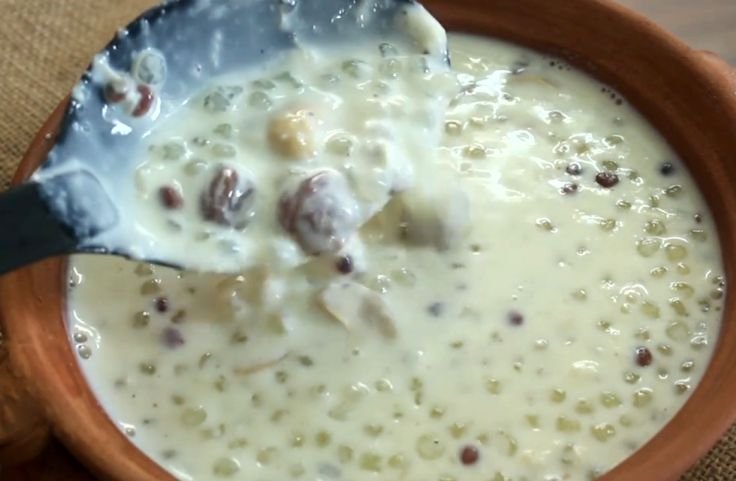
Culinary uses of tapioca transform simple recipes into smooth, creamy, and delicious dishes, making your cooking flexible, satisfying, and naturally gluten-free.
One ingredient, three names, and a reach most people never notice. Tapioca thickens your pie, gives bubble tea its chew, and quietly powers pharmaceutical tablets and cardboard glue. Few people realize all three trace back to one humble tropical root.
A starch that feeds over a billion people and still gets misunderstood in every grocery aisle. Cassava starch offers real health benefits like digestive and dietary advantages, but it carries real limits too, and knowing both sides matters more than a marketing claim ever will.