Last updated on August 7th, 2026 at 10:55 am
Tapioca syrup solids and liquid tapioca syrup share the same starting starch, yet drying removes enough water to concentrate calories significantly per gram, a distinction manufacturers measure precisely using dextrose equivalent levels ranging widely from DE24 to DE95 today.
That DE range matters because it determines how a specific batch of solids performs in your formulation, from mild bulking agents to genuinely sweet finishing powders.
This guide covers what tapioca syrup solids actually are, how drying changes their nutrition and function compared to liquid syrup, and which manufacturers genuinely supply them across the United States market.
Readers wanting the liquid syrup production process should read our dedicated guide on that specific topic instead of expecting it fully repeated here.
You will find genuine functional applications across baking, beverages, and confectionery, plus honest comparisons against corn syrup solids and maltodextrin.
Table of Contents
What Are Tapioca Syrup Solids?
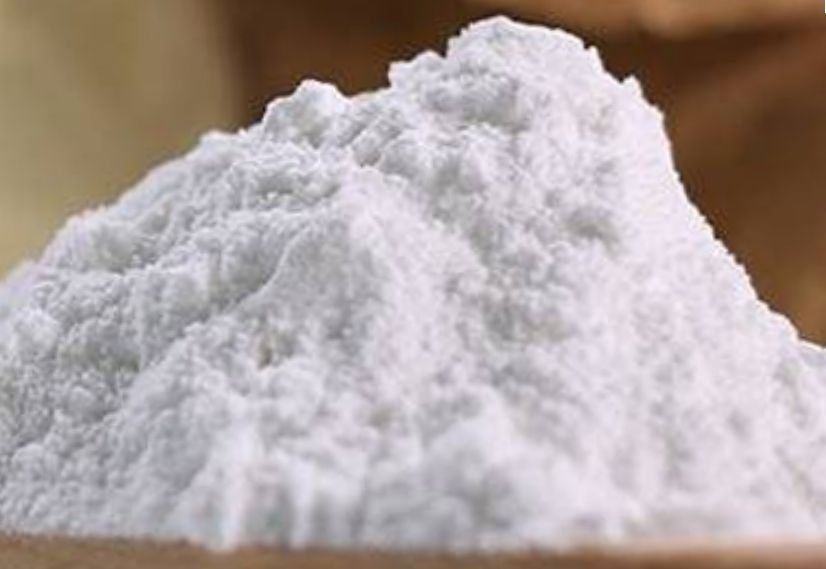
Tapioca syrup solids are a powdered form of tapioca syrup created by drying the liquid syrup while preserving its sweetness and functional properties.
They come as powder, flakes, or granules, making them easier to store, measure, and blend than liquid syrup.
Readers wanting the full liquid syrup picture should read our guide on tapioca syrup uses and properties.
Solids vs Liquid Syrup
Solids provide concentrated sweetness without adding extra moisture, giving precise control over texture and consistency that liquid syrup cannot match in dry formulations.
Their powdered form dissolves or blends efficiently, delivering predictable results in recipes that specifically require reduced water content.
Readers wanting the liquid syrup production process, from starch extraction through enzymatic conversion, should read our guide on how to make tapioca syrup at home.
Nutrition Profile
Tapioca syrup solids are mainly composed of sugars, delivering concentrated energy and natural sweetness with minimal protein, fiber, or vitamin content.
Their caloric density per gram runs higher than liquid syrup, since drying removes water while sugar content stays concentrated in the remaining powder.
Carbohydrates make up the bulk of the product, allowing precise portioning without the moisture that liquid syrup would otherwise add to a formulation.
Readers wanting the digestive science behind tapioca-based sweeteners should read our guide on tapioca syrup and FODMAP content.
How Solids Are Made
Liquid tapioca syrup goes through the same starch extraction and enzymatic conversion process covered in our homemade syrup guide, then concentration removes excess water before drying begins.
Traditional drying produces flakes or granules, while spray-drying creates fine powders that dissolve quickly in solution.
Each method affects solubility, particle size, and final texture, so manufacturers choose based on the intended application.
Sieving ensures uniform particle size, and packaging protects the finished powder from moisture absorption during storage.
Readers wanting the broader tapioca product family should read our general tapioca guide.
Functional Benefits and Applications
Solids deliver predictable sweetness while replacing part of table sugar without altering recipe texture in most formulations.
Readers comparing tapioca sweeteners more broadly should read our guides on tapioca syrup versus agave and tapioca syrup versus honey.
Moisture retention keeps baked goods and snacks soft and chewy, while low moisture content in the powder itself extends shelf life and resists clumping.
In confectionery, solids genuinely control crystallization in candies and gummies without altering flavor.
In bakery applications, they retain moisture in cookies and cakes while supporting structure in gluten-free products.
Beverages benefit from quick dissolution in instant mixes and powdered drinks without clumping.
Verified Manufacturers and Suppliers
Malt Products Corporation produces TapRite tapioca syrups and solids at its Dayton, Ohio facility, offering multiple dextrose equivalent profiles for texture and browning control.
Sweet Additions supplies TapiDex tapioca syrup solids made in the USA, ranging from low-sweetness bulking agents to moderately sweet DE28 powders.
FoodGuys, a bulk ingredient supplier operating since 1991, sources tapioca syrup solids alongside its broader tapioca syrup lineup for manufacturers.
GluCorp manufactures both conventional and USDA-certified organic tapioca syrup solids for bakery, beverage, and infant nutrition applications.
Solids vs Other Syrup Solids
Compared to corn syrup solids, tapioca syrup solids offer a cleaner, less intense sweetness while dissolving just as easily into formulations.
Maltodextrin delivers bulk and mild sweetness but lacks the binding and moisture-retaining properties tapioca syrup solids provide.
Ciranda specifically markets its tapioca syrup solids as a non-GMO replacement for corn syrup solids, since genetically modified tapioca is not commercially available.
Readers wanting the liquid-form comparison should read our guide on tapioca syrup versus corn syrup.
Conclusion
Tapioca syrup solids exist because drying liquid syrup creates a powder that measures precisely, stores easily, and controls moisture liquid syrup simply cannot.
Verified manufacturers like Malt Products, Sweet Additions, FoodGuys, and GluCorp supply these powders across dextrose equivalent ranges suited to specific applications, from mild bulking agents to sweet powders.
They outperform corn syrup solids on cleaner sweetness and offer binding properties maltodextrin lacks.
Choose based on your formulation’s moisture tolerance and desired sweetness.
Frequently Asked Questions
Can tapioca syrup solids replace liquid syrup in all recipes?
Tapioca syrup solids can genuinely replace liquid syrup in many baked goods and beverages, though they may not prevent crystallization in candies as effectively as liquid syrup does.
Are tapioca syrup solids gluten-free?
Yes, tapioca syrup solids are naturally gluten-free, making them genuinely suitable for gluten-free baking, beverages, and snacks without compromising texture, structure, or overall sweetness in most everyday recipes.
What does DE mean on a tapioca syrup solids label?
Dextrose equivalent measures how completely starch has been converted into sugars, with higher DE numbers indicating sweeter, more soluble powders and lower DE numbers indicating milder bulking agents.
Are there dietary restrictions to consider with tapioca syrup solids?
Tapioca syrup solids are plant-based, gluten-free, and generally allergen-friendly, though people monitoring sugar or carbohydrate intake should still account for their genuinely high sugar content in daily totals.

Chimeremeze Emeh is a tropical crop farmer and chemical engineer from Ntigha, Isiala Ngwa North LGA, Abia State, Eastern Nigeria, specializing in cassava and palm oil, with over 30 years of hands-on experience growing, harvesting, and processing cassava. He grows TMS series, TME 419, and local traditional varieties on his own farms and operates a small-scale cassava flour and starch production business through Cassava Pathway, which he founded as a CAMA-registered agribusiness in 2024. He is also the founder of Palm Oil Pathway, where he applies the same tropical farming expertise. His farms are located in Ntigha, Abia State.