Last updated on August 6th, 2026 at 10:43 am
Agave syrup pours thick and clings to whatever it touches, while tapioca syrup runs thin and light, a texture gap real enough that swapping one for the other in a glaze or marinade can quietly ruin an entire finished dish.
That difference in body and cling is only one of several that separate these two sweeteners in kitchen use.
This guide compares taste, texture, culinary performance, storage, and nutrition side by side, so you know which syrup fits which recipe.
Glycemic index is one factor worth knowing, and agave stays consistently low while tapioca varies by manufacturer, but our dedicated guide on tapioca’s glycemic index covers that science in more depth than a comparison page should.
Readers wanting FODMAP or gluten-free specifics should read those dedicated guides too. Choosing well starts with knowing what each syrup does in your recipe.
Table of Contents
Tapioca Syrup and Agave Syrup at a Glance
Tapioca syrup, also called cassava syrup, comes from cassava root starch through enzymatic hydrolysis, resulting in a light, mildly sweet, neutral-flavored liquid.
Readers wanting the full product family should read our general tapioca guide. Agave syrup comes from the agave plant’s filtered sap, delivering a sweeter taste with light floral notes.
Readers wanting the full production and uses picture should read our guide on tapioca syrup uses and properties.
Taste and Texture
Tapioca syrup stays neutral, blending into recipes without adding aroma, while agave syrup brings noticeable floral or fruity notes that show up clearly in drinks and desserts.
Agave also tastes sweeter due to higher fructose content, meaning smaller amounts typically achieve similar sweetness.
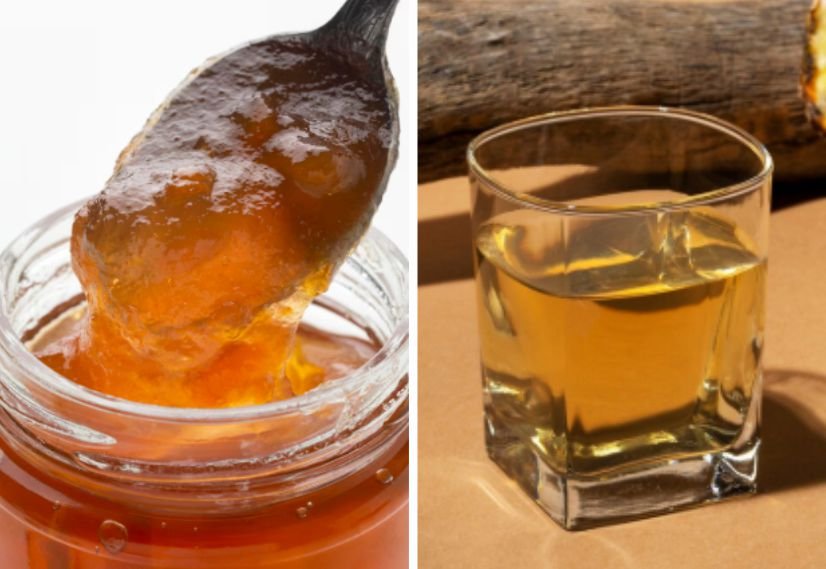
On texture, tapioca syrup pours thin and light, while agave runs thicker and more viscous, affecting how each behaves in glazes, marinades, and cold beverages.
The Real Nutrition Numbers
A quarter cup of tapioca syrup runs roughly 168 calories, compared to about 194 calories for the same amount of table sugar.
This specific figure comes directly from production data published by Sweetener Products.
Tapioca syrup is produced through enzymatic hydrolysis of cassava starch, resulting in a sugar profile dominated by glucose rather than fructose.
Agave syrup, by contrast, runs roughly 56 percent fructose by composition, according to nutritional data published on Wikipedia.
Readers wanting the broader health picture for tapioca-based products should read our guide on health benefits of tapioca.
Glycemic Index
Agave syrup consistently measures between 10 and 19 on the glycemic index across independent testing, according to nutritional analysis published on Wikipedia.
Tapioca syrup has no single agreed value, since composition varies meaningfully by manufacturer.
Values range from roughly 50 in specially processed versions to near 100 in glucose-heavy ones, according to sources including the Healthy Home Economist and WellND.
Readers wanting the full science and testing methodology should read our dedicated guide on the glycemic index of tapioca starch.
Culinary Uses
Tapioca syrup works well in cookies, bars, and chewy desserts, since it controls crystallization and adds structure without overpowering flavor.
Agave syrup suits cakes and soft pastries where lighter sweetness and even browning matter more than firm structure.
For beverages, agave dissolves easily into cold drinks and smoothies, while tapioca performs better in hot drinks or thick blends.
When swapping one for the other, expect to adjust volume, since tapioca syrup tastes noticeably less sweet than agave.
Storage and Shelf Life
Tapioca syrup stays stable for long periods due to low moisture, resisting fermentation when sealed tightly and kept from heat and direct sunlight.
Agave syrup also stores well, though crystallization can occur with temperature swings, an issue gentle warming reverses without affecting flavor.
Both syrups last longest in airtight containers stored in a cool, dry place, with refrigeration optional but helpful for slowing texture changes.
Health Considerations
Tapioca syrup is naturally gluten-free and low FODMAP, since its simple glucose-based sugars digest more easily than high-fructose sweeteners.
Readers wanting the complete digestive science should read our guides on if tapioca syrup is low FODMAP and whether tapioca has gluten.
Agave syrup’s high fructose content can affect liver processing and insulin sensitivity with heavy, regular use, making moderation genuinely important regardless of its low glycemic index.
Readers comparing tapioca against other sweeteners should also read our guide on tapioca syrup versus corn syrup.
Conclusion
Tapioca syrup and agave syrup behave differently in nearly every practical way: texture, flavor, and sweetness intensity shift depending on heat or cold.
Use tapioca syrup where neutral flavor and firm texture matter, like cookies and bars, and agave where floral notes and easy dissolving help, like smoothies and drinks.
Glycemic index varies by product too, so check our dedicated guide rather than relying on one number here. Store both in airtight, cool, dry conditions for freshness.
Frequently Asked Questions
Can tapioca syrup replace agave syrup 1:1 in recipes?
Tapioca syrup can generally replace agave syrup in a 1:1 ratio, but expect adjustments for sweetness, moisture, and browning, since tapioca tastes genuinely noticeably less sweet overall anyway.
Which is healthier for daily use?
Agave syrup consistently tests at a genuinely low glycemic index of 10 to 19, while tapioca syrup varies widely, so check labels and monitor your own personal response.
Are there recipes where one works better than the other?
Tapioca syrup suits baked goods and neutral-flavor desserts needing firm structure, while agave syrup excels genuinely in quick beverages and easy smoothies needing light floral sweetness instead too.
Why does texture matter when choosing between these two syrups?
Agave’s thick, clinging texture suits glazes and marinades needing body, while tapioca’s thin, light flow works genuinely better in cold drinks and delicate glazes that need easy pouring.

Chimeremeze Emeh is a tropical crop farmer and chemical engineer from Ntigha, Isiala Ngwa North LGA, Abia State, Eastern Nigeria, specializing in cassava and palm oil, with over 30 years of hands-on experience growing, harvesting, and processing cassava. He grows TMS series, TME 419, and local traditional varieties on his own farms and operates a small-scale cassava flour and starch production business through Cassava Pathway, which he founded as a CAMA-registered agribusiness in 2024. He is also the founder of Palm Oil Pathway, where he applies the same tropical farming expertise. His farms are located in Ntigha, Abia State.