Last updated on September 22nd, 2026 at 06:23 pm
Learning how to make tapioca syrup at home comes down to one visual cue most recipes skip: the slurry shifts from opaque and watery to glossy and translucent, the exact moment that reliably signals your syrup is nearly fully done.
That visual shift from cloudy to glossy is the kind of detail generic recipes gloss over, yet it determines if your syrup turns out thin and watery or properly thickened.
This post discusses every stage of learning how to make tapioca syrup at home: preparing the base, cooking and extracting starch, an optional fermentation step, straining for clarity, and reducing to correct thickness.
You will find the mistakes that ruin texture and flavor, plus brief storage guidance once syrup is finished.
Readers wanting the FODMAP picture should read our dedicated guide on that topic. Technique matters more than shortcuts.
Table of Contents
What Tapioca Syrup Is Made Of
Glucose makes up the largest share of tapioca syrup, delivering gentle sweetness without a sharp aftertaste or fructose content.
Maltose adds mild depth and slows crystallization, while water content controls thickness and flow throughout the finished syrup.
This composition traces directly to the enzymatic hydrolysis process that converts cassava starch into syrup, according to production data published by Sweetener Products.
This same glucose-dominant profile is also why tapioca syrup fits many low-FODMAP diets, a topic covered in our guide on tapioca syrup and FODMAP content.
Readers wanting the full nutritional breakdown should read our tapioca nutrition facts guide.
Ingredients and Tools You Will Need
Tapioca starch or cassava flour forms the base, with clean, filtered water transforming that starch into syrup during cooking.
A saucepan, whisk, fine-mesh strainer, and sealed storage jar cover the core equipment for consistent results.
Optional natural enzymes encourage gentle starch conversion, adding subtle sweetness depth beyond basic heat alone.
Readers wanting the broader tapioca product family should read our general tapioca guide.
The Process, Step by Step
Heating transforms cassava starch through gelatinization, the process where starch granules absorb water and swell until the mixture turns glossy, according to starch science published in ScienceDirect.
- Mix the base. Slowly add tapioca starch into water while stirring continuously, creating a lump-free slurry ready for cooking.
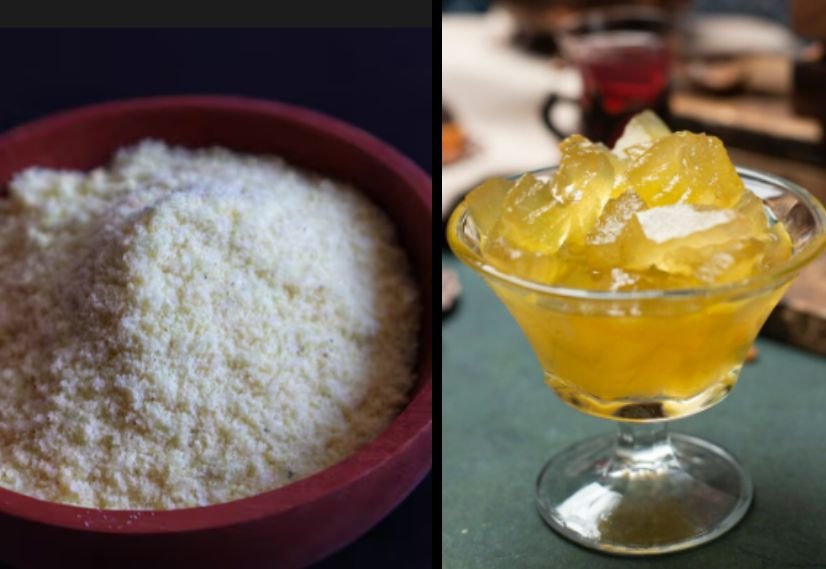
- Cook and extract. Heat gradually over medium heat, stirring constantly, until the mixture turns from opaque and watery to glossy and translucent.
- Ferment if desired. Natural enzymes convert starch into simpler sugars over 15 to 20 minutes at a warm, stable temperature.
- Strain thoroughly. Pour through a fine-mesh strainer or cheesecloth, pressing gently to remove lumps and plant fibers completely.
- Reduce and thicken. Simmer gently, stirring frequently, until the syrup coats the back of a spoon at your desired thickness.
- Cool completely. Let syrup reach room temperature before transferring to storage, since bottling warm syrup traps condensation that encourages spoilage.
- Store correctly. Refrigerate in a sealed jar for one to three months of usable life, since room temperature storage only lasts about one to two weeks without preservatives, according to storage research published by Tasting Table. This refrigerated range aligns with medium-sugar syrup data published by Foods Guy.
Common Mistakes to Avoid
- Overcooking or undercooking. Cooking too long darkens syrup and creates burnt flavor, while undercooking leaves it thin and watery.
- Using too much water. Excess water dilutes sweetness and slows reduction, so measure the starch-to-liquid ratio carefully.
- Skipping proper straining. Coarse filtering leaves lumps and fibrous bits that a fine-mesh sieve or cheesecloth would otherwise catch.
- Bottling warm syrup. Trapped condensation from unfinished cooling encourages mold growth well before the jar is ever opened.
Conclusion
Making tapioca syrup at home comes down to watching for the transformation from cloudy to glossy, straining thoroughly, and reducing patiently until the syrup coats a spoon.
Refrigerate finished syrup for one to three months of usable life, since room temperature storage only lasts about one to two weeks without preservatives.
Avoid overcooking, excess water, and coarse straining, since each mistake affects final texture and flavor.
Freezing extends usable life several months further when needed.
Frequently Asked Questions
Can I use tapioca flour instead of starch?
Yes, tapioca flour can substitute tapioca starch, though results may differ slightly, since flour tends to thicken faster, affecting your final syrup texture and clarity in most recipes.
What is the correct process for cooking the slurry?
Heat the slurry gradually over medium heat, stirring constantly, until the mixture eventually shifts from opaque and watery to fully glossy and translucent, signaling the final readiness stage.
How long does homemade tapioca syrup last?
Refrigerated syrup lasts one to three months in a sealed jar, while room temperature storage lasts only about one to two weeks before quality usually noticeably declines overall.
Can I make tapioca syrup vegan or sugar-free?
Tapioca syrup is naturally vegan already, and making it sugar-free requires enzyme-treated starch conversion paired with low-calorie sweeteners, keeping final texture and sweetness balanced in every single batch.

Chimeremeze Emeh is a tropical crop farmer and chemical engineer from Ntigha, Isiala Ngwa North LGA, Abia State, Eastern Nigeria, specializing in cassava and palm oil, with over 30 years of hands-on experience growing, harvesting, and processing cassava. He grows TMS series, TME 419, and local traditional varieties on his own farms and operates a small-scale cassava flour and starch production business through Cassava Pathway, which he founded as a CAMA-registered agribusiness in 2024. He is also the founder of Palm Oil Pathway, where he applies the same tropical farming expertise. His farms are located in Ntigha, Abia State.