Last updated on August 6th, 2026 at 04:40 am
My first batch of tapioca puffs made from starch fresh off my own farm turned out awful, yet the very same recipe worked beautifully once I understood how a starch’s actual age genuinely changes how much water it properly needs.
That single lesson from my own farm changes how you should approach this guide: cassava starch behaves differently depending on how long it has sat since processing, and recipes rarely mention this.
This post covers the real ingredients and method behind tapioca puffs, backed by peer-reviewed research showing that moisture content directly controls puffing quality during frying.
You will also find honest comparisons against cassava chips, crackers, and sabudana, plus flavor variations from around the world.
If you process your own starch or buy it, knowing about freshness before you start mixing saves you from a wasted, disappointing first batch.
If you are new to cassava starch, also called tapioca, start here.
Table of Contents
What Are Tapioca Puffs?
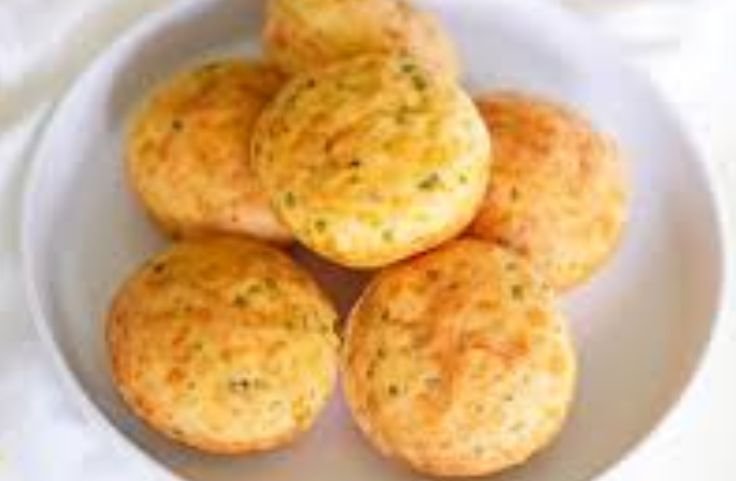
Tapioca puffs are airy, bite-sized snacks made from tapioca starch that puff up dramatically when fried, creating a crisp yet delicate texture.
Unlike dense cassava chips, puffs are light and easy to digest, with a flavor-absorbing quality that suits both sweet and savory seasoning.
Why Starch Freshness Genuinely Matters
Cassava starch that has just been processed has a different moisture content than starch that has sat on a shelf for months, even when neither has spoiled.
Moisture content is a critical parameter controlling how well cassava starch puffs during frying.
This directly affects expansion, porosity, and final crispness, according to peer-reviewed research published in PMC.
This is why the same recipe can behave completely differently depending on how old your starch is.
Adjust water gradually rather than following a fixed ratio, especially with starch you processed yourself.
Ingredients
- Tapioca starch. The core ingredient, providing the binding structure that creates the signature airy crunch when puffed. Tapioca starch shows notably better swelling and expansion ability than sago, rice, corn, or wheat starch, according to a review of puffed cracker science published on ResearchGate.
- Water. Hydrates the starch into a workable dough, with moisture playing a genuinely central role in gelatinization, according to research published in ScienceDirect.
- Oil or butter. Adds richness, prevents sticking during shaping, and contributes to golden color and a crisp outer layer.
- Salt. Balances the mild, naturally bland taste of tapioca starch, making the finished snack more genuinely satisfying.
- Eggs (optional). Improve elasticity and softness in some regional variations, though traditional puffs are made without them.
How Tapioca Puffs Are Made
- Mix the dough. Combine tapioca starch with warm water, adjusting the amount based on how fresh your starch actually is.
- Add butter and salt. Melted butter prevents dryness while salt balances the mild cassava flavor throughout the dough.
- Form the pieces. Roll small balls or thin rounds, keeping hands lightly greased to prevent sticking during shaping.
- Dry completely. Air-dry for several hours or use a dehydrator, removing excess moisture so pieces puff correctly later.
- Fry or bake. Deep-fry until golden and puffed, or bake at high heat for a lighter, slightly denser result.
- Season while warm. Add chili powder, garlic salt, or your preferred spice blend immediately after cooking for best adhesion.
Tapioca Puffs vs. Other Tapioca Snacks
Puffs stand apart through their airy, hollow structure, distinct from denser cassava chips, flakier crackers, or chewy sabudana pearls.
Readers wanting the full comparison against crackers specifically should read our guide on cassava crackers.
Those interested in the chewy pearl variety instead should read our guide on tapioca sabudana, or try our sabudana khichdi recipe for a savory application.
Flavor Variations Around the World
Plain salted puffs highlight the pure, airy crunch of cassava with minimal interference from other flavors.
Spicy masala blends dominate across parts of Asia, while cheese-flavored versions have become popular worldwide for their creamy, savory appeal.
Seaweed and prawn flavors reflect coastal cuisines, and tropical regions typically blend in corn or native spices for local character.
Readers wanting more cassava starch applications should read our guides on tapioca crepes and tapioca dumplings, or our recipe collection on tapioca pearls for more ideas.
Are Tapioca Puffs Healthy?
Tapioca puffs are naturally gluten-free, a property confirmed in nutritional analysis published by FoodStruct, making them suitable for gluten-sensitive diets.
They are high in carbohydrates for quick energy but genuinely low in protein, fiber, and other nutrients.
They genuinely work better when paired with vegetables or protein than eaten entirely alone.
Fried puffs carry more fat and calories than baked versions, so home preparation lets you control oil use directly.
Conclusion
Tapioca puffs reward attention to one detail most recipes skip: starch age changes how much water your dough needs to puff correctly.
Fresh starch and shelf-aged starch are not interchangeable without adjustment; peer-reviewed research on moisture content confirms matters for puffing quality.
Mix, form, dry thoroughly, then fry or bake until golden and crisp.
Season generously while warm, with chili, cheese, or herbs, and store finished puffs in an airtight container for three to five days.
Frequently Asked Questions
Are tapioca puffs the same as prawn crackers?
Tapioca puffs look similar to prawn crackers but are entirely plant-based and made without any seafood, so their texture is genuinely alike though the flavor differs much noticeably.
Can I bake tapioca puffs instead of frying them?
Yes, you can bake tapioca puffs, though frying genuinely gives better expansion and crunch, since baking still requires high heat and results in noticeably denser texture each time.
Do tapioca puffs expand a lot while cooking?
Yes, tapioca puffs expand significantly when exposed to high heat, especially in hot oil, since their moisture content and starch structure cause them genuinely to puff quite rapidly.
How long do tapioca puffs stay crisp?
Homemade tapioca puffs genuinely stay crisp for about three to five days when stored properly in an airtight container, since moisture and humidity cause them to gradually soften.

Chimeremeze Emeh is a tropical crop farmer and chemical engineer from Ntigha, Isiala Ngwa North LGA, Abia State, Eastern Nigeria, specializing in cassava and palm oil, with over 30 years of hands-on experience growing, harvesting, and processing cassava. He grows TMS series, TME 419, and local traditional varieties on his own farms and operates a small-scale cassava flour and starch production business through Cassava Pathway, which he founded as a CAMA-registered agribusiness in 2024. He is also the founder of Palm Oil Pathway, where he applies the same tropical farming expertise. His farms are located in Ntigha, Abia State.