
Last updated on July 6th, 2026 at 08:49 am
I don’t know if I would have the opportunity to make khichdi in my kitchen, but I make the starch used to make the pearls. Here is a full walkthrough of the dish, built on real technique, not guesswork borrowed from somewhere else.
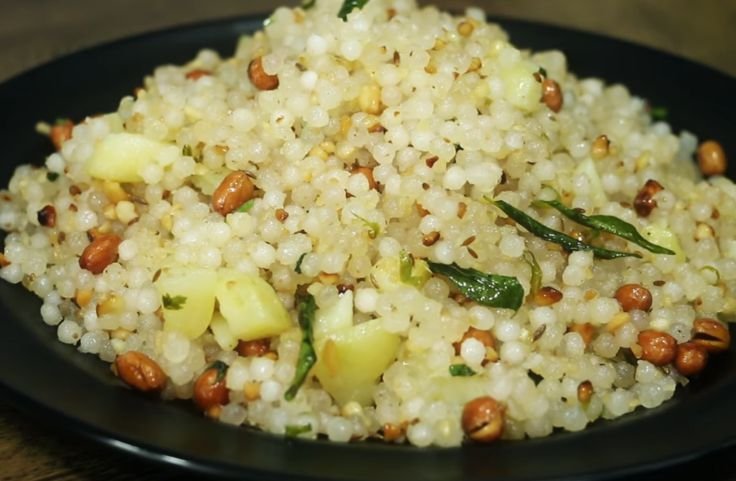
Sabudana khichdi blends soaked tapioca pearls with roasted peanuts, boiled potatoes, and mild spices into a dish that is light, gluten-free, and satisfying.
It is a common choice during Hindu fasting periods like Navratri, since it provides energy without using grains, but it works just as well as an everyday breakfast or snack.
The pearls themselves come from cassava starch, the same raw material I process into flour and starch through the Cassava Pathway, though pearling and drying differ from how I handle starch on my own farm.
This guide walks through the ingredients, the full method, and how to fit khichdi into a balanced diet.
Disclaimer: This article is for informational purposes only and does not constitute medical advice. The author is not a medical doctor or registered dietitian. Always consult a qualified healthcare provider before making dietary or medical decisions related to cassava or tapioca consumption.
Table of Contents
What is Sabudana Khichdi?
Sabudana khichdi is a popular Indian dish made from soaked sabudana, cooked with roasted peanuts, boiled potatoes, mild spices, and fresh herbs.
It is light and gluten-free, and it is commonly eaten during Hindu fasting periods like Navratri because it provides energy without relying on grains.
The pearls turn soft and slightly chewy when cooked, while the peanuts add crunch and flavor, and a squeeze of lemon juice at the end brightens the whole dish.
What is Sabudana Khichdi Made Of?
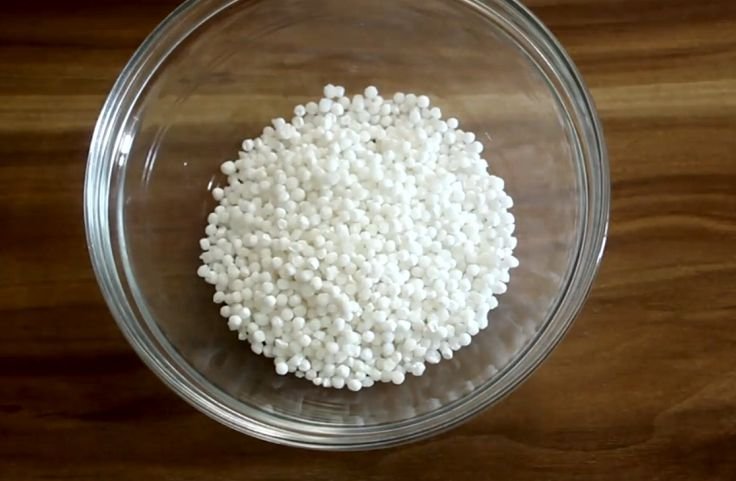
Sabudana (tapioca pearls): the star of the dish. Use medium-sized pearls and soak for four to six hours until soft. Rinse well beforehand to remove excess starch so the pearls stay separate while cooking.
Potatoes: cut into small cubes for even cooking, and pan-fry lightly before adding to prevent them from turning mushy. They give the dish body and make it more filling for fasting days.
Roasted peanuts: coarsely ground to coat the sabudana and add crunch. Roasting them at home instead of buying them pre-roasted gives a richer, fresher flavor.
Green chilies: adjust to taste, sliced for subtle heat or finely chopped for more intensity. Sauté with the potatoes so the heat spreads evenly through the dish.
Curry leaves: added early during tempering for maximum aroma. Fresh leaves work best, though dried ones are a reasonable substitute.
Ghee or oil: ghee adds a traditional richness, while oil gives a lighter result. Heat it well before tempering the spices.
Cumin seeds: roasted briefly in hot ghee or oil until aromatic, adding a warm, earthy base note that pairs well with potatoes and peanuts.
Salt: for fasting preparations, use sendha namak (rock salt), which aligns with traditional vrat food rules in many Indian households.
Lemon juice: added fresh after the heat is off, to lift the dish and cut through the richness of the ghee or oil.
Related: How to Make the Perfect Sabudana Vada
How to Make Sabudana Khichdi
Step 1: Soak the sabudana. Rinse under running water until it runs clear, then soak in just enough water to cover the pearls for four to six hours, or overnight in a cool place. They should turn soft and plump without breaking down.
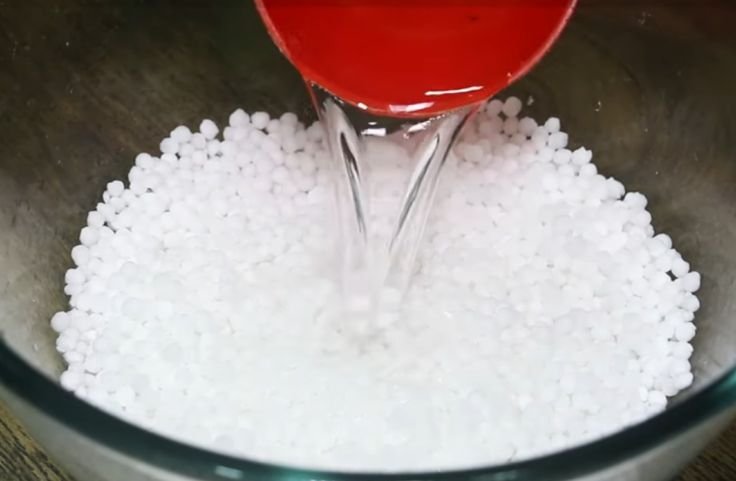
Step 2: Drain and test. Drain in a sieve and press gently to remove extra water. Press a few pearls between your fingers; they should mash easily with no hard white center. If they still feel wet, spread on a cloth for ten minutes and fluff with a fork.
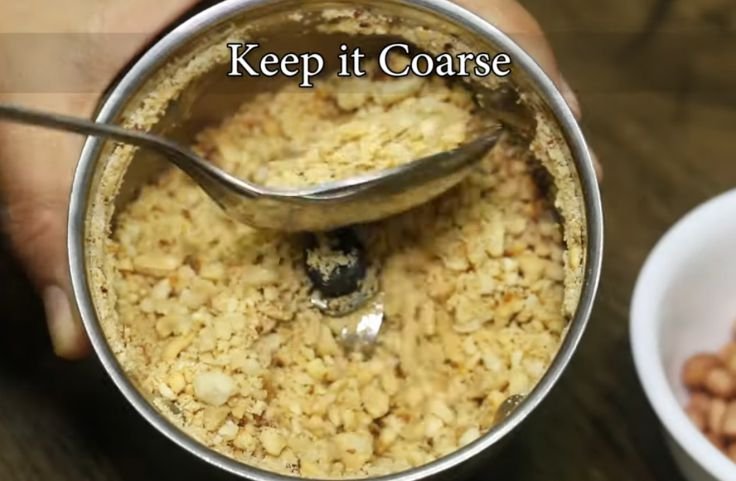
Step 3: Roast and crush the peanuts. Roast raw peanuts in a dry pan until golden and fragrant, then let them cool fully before crushing coarsely, keeping some texture rather than a fine powder.
Step 4: Prep potatoes and spices. Boil, peel, and lightly mash the potatoes so they bind without turning pasty. Chop the chilies and coriander, and measure out the cumin and salt ahead of time.
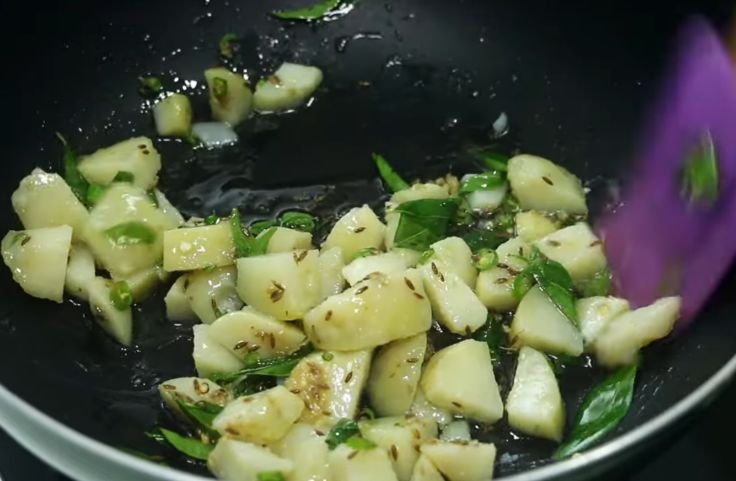
Step 5: Temper the spices. Heat ghee or oil, add cumin seeds until they sputter, then add chilies and curry leaves briefly to release their aroma without burning.
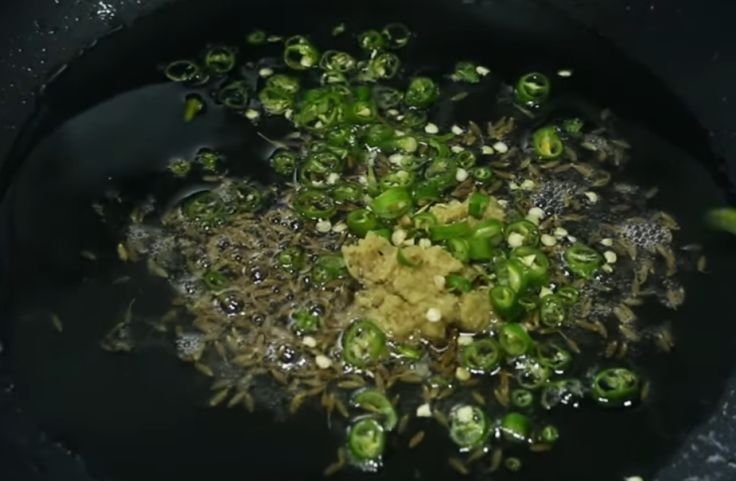
Step 6: Cook the potato and peanut base. Add the mashed potatoes and crushed peanuts, stirring for two to three minutes until the raw potato smell is gone. Add diced capsicum or peas here if you want more color and fiber.
Step 7: Add the sabudana. Lower the heat, add the drained pearls, and stir gently to coat them in the potato and peanut mix. Cook for three to five minutes, stirring often, until the pearls turn translucent with no chalky center left. Add a splash of water and cover briefly if the mixture looks dry.
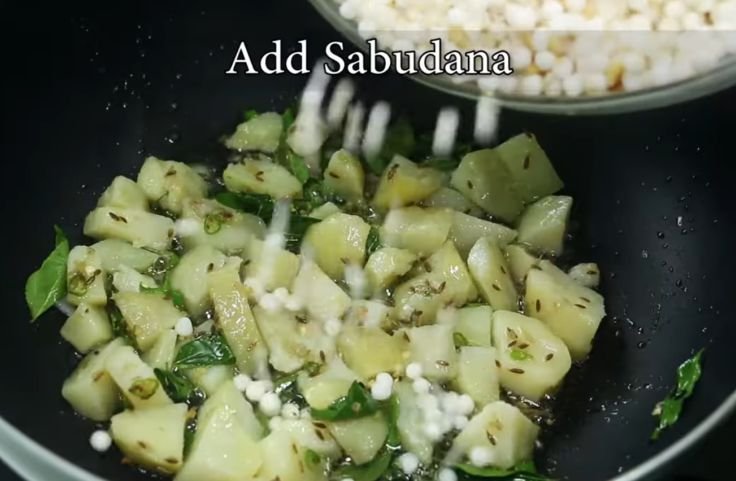
Step 8: Garnish and serve. Fold in chopped coriander and fresh lemon juice. Serve hot with plain yogurt or green chutney. Leftovers keep in the fridge for up to 24 hours and reheat well in a pan.
Calories and Fitting It Into Your Diet
A cup of sabudana khichdi, about 150 to 200 grams, contains roughly 250 to 350 calories, depending on the ingredients used.
Sabudana itself contributes 180 to 210 calories per serving, mainly from carbohydrates that provide quick energy.
Roasted peanuts add another 100 to 110 calories along with protein and healthy fats, while a small potato adds 40 to 50 calories.
Cooking fat matters too, since one tablespoon of ghee adds about 120 calories compared to roughly 100 for oil.
Sabudana khichdi is naturally gluten-free, which works well for people with celiac disease or gluten sensitivity, but it is low in both protein and fiber on its own.
It also carries a high glycemic index, so people managing diabetes should eat it in small portions and pair it with protein or fiber-rich sides, ideally with guidance from a healthcare provider.
If you are watching your weight, keeping portions to about one cup, pairing it with yogurt or lentils, and using less oil during cooking all help it fit into a balanced plan without giving up the dish entirely.
Conclusion
Sabudana khichdi turns a handful of simple ingredients, tapioca pearls, potatoes, and peanuts, into a dish that works equally well for fasting days and ordinary mornings.
Getting the soaking and draining steps right does more for the final texture than any other part of the recipe.
From there, the tempering and cooking come together quickly.
Adjust portions and sides to fit your own goals, whether that means more vegetables, less oil, or a side of yogurt for protein.
Try it once with the exact steps above, then adjust the spice level and sides to make it your own.
Frequently Asked Questions
How many calories are in 100 grams of sabudana khichdi?
There are approximately 150 to 180 calories in 100 grams of sabudana khichdi, depending on the amount of oil, potatoes, and peanuts used in the recipe.
Is sabudana khichdi good for weight loss?
It is high in carbohydrates and calories, so it is not ideal for weight loss unless the portion is controlled and paired with protein-rich sides.
Can people with diabetes eat sabudana khichdi?
Sabudana has a high glycemic index, which can raise blood sugar quickly, so people with diabetes should eat it sparingly and with medical guidance.
How do I make sabudana khichdi healthier?
Use less oil, add more vegetables, reduce the potato quantity, and roast the peanuts instead of frying them. Serving it with yogurt adds useful protein.



Chimeremeze Emeh is a tropical crop farmer and chemical engineer from Ntigha, Isiala Ngwa North LGA, Abia State, Eastern Nigeria, specializing in cassava and palm oil, with over 30 years of hands-on experience growing, harvesting, and processing cassava. He grows TMS series, TME 419, and local traditional varieties on his own farms and operates a small-scale cassava flour and starch production business through Cassava Pathway, which he founded as a CAMA-registered agribusiness in 2024. He is also the founder of Palm Oil Pathway, where he applies the same tropical farming expertise. His farms are located in Ntigha, Abia State.