

Last updated on July 6th, 2026 at 08:24 am
I have never shaped a thalipeeth in my own kitchen, but I process the exact starch these pearls come from. Here is the full recipe, explained with real knowledge of how the starch actually behaves.
Sabudana thalipeeth is a popular choice during fasting days like Navratri, since it provides steady energy without breaking dietary rules built around avoiding grains.
The pearls start as cassava starch, the same raw material I extract in my own small operation through Cassava Pathway, even though pearling and drying differ from the way I process starch for flour.
This guide covers the ingredients, the full method, and the mistakes most likely to affect texture.
Disclaimer: This article is for informational purposes only and does not constitute medical advice. The author is not a medical doctor or registered dietitian. Always consult a qualified healthcare provider before making dietary or medical decisions related to cassava or tapioca consumption.
Table of Contents
What is Sabudana Thalipeeth?
Sabudana thalipeeth is a traditional Maharashtrian flatbread made with soaked tapioca pearls, mashed potatoes, and crushed peanuts, creating a balance of soft, chewy, and mildly crunchy textures.
It is most often prepared during fasting periods such as Navratri and Ekadashi, making it a naturally gluten-free, energy-rich alternative to grain-based flatbreads.
Pan-cooked until golden at the edges, it works well for breakfast, snacks, or a light meal during religious observances.
Ingredients You’ll Need
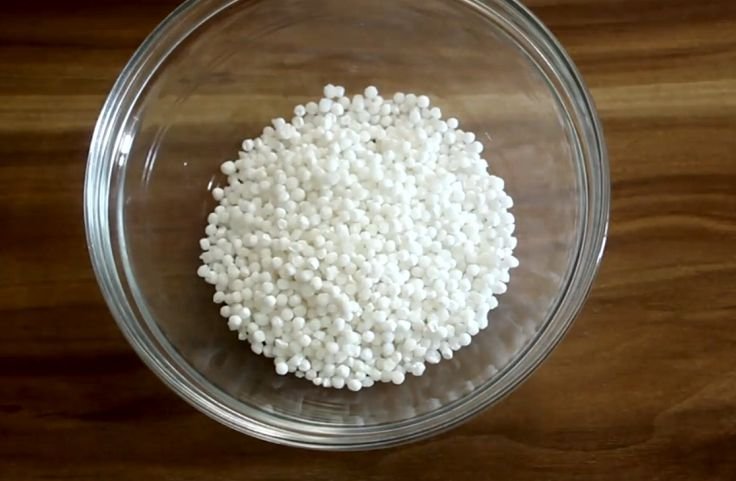
- Soaked sabudana: soaked overnight until soft and plump, forming the chewy base of the flatbread. Properly soaked pearls keep the dough from turning dry or crumbly.
- Boiled potatoes: act as the natural binder in place of flour, adding creaminess and helping the outside crisp up during cooking.
- Crushed roasted peanuts: add crunch and protein, with roasting beforehand bringing out a richer, more savory flavor than raw peanuts would give.
- Rock salt (sendha namak): used during fasting since it aligns with traditional dietary rules, with a cleaner, milder taste than table salt.
- Green chilies: finely chopped so the heat spreads evenly, adjustable to taste and a small source of vitamins alongside the flavor they add.
- Cumin and coriander seeds: lightly crushed to release their aroma, adding warmth and depth while also aiding digestion during fasting.
- Ghee or oil: used for pan-frying until golden and crisp, with ghee giving a richer flavor and oil a lighter result.
How to Make Sabudana Thalipeeth
Step 1: Soak the sabudana. Rinse until the water runs clear, then soak in just enough water for four to six hours or overnight. The pearls should soften without breaking apart. Drain any extra water before mixing.
Step 2: Prepare the dough. Combine the soaked sabudana with mashed potatoes, crushed peanuts, rock salt, and chopped coriander, mixing gently by hand until well combined. Add a spoonful of water only if the dough feels too dry.
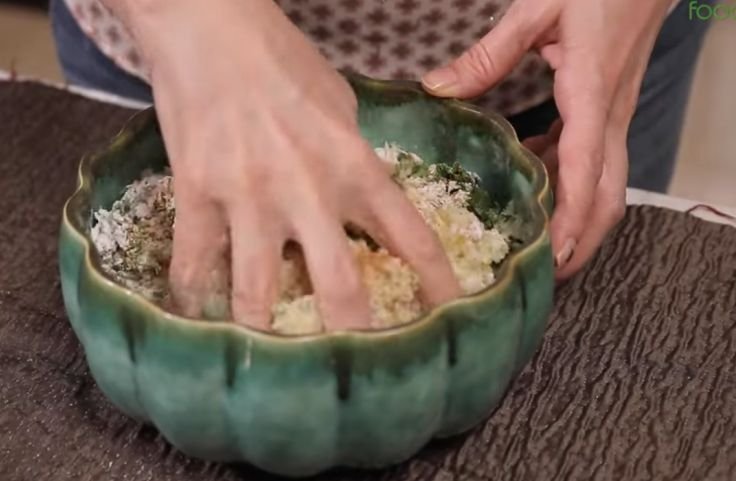
Step 3: Shape the thalipeeth. Divide the dough into small balls, then flatten each on a lightly oiled surface to about a quarter-inch thick, keeping the thickness even so it cooks through cleanly.
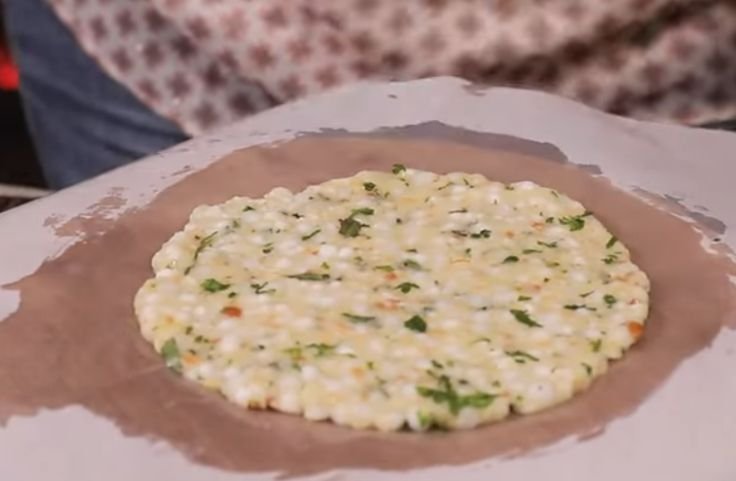
Step 4: Cook until crisp. Heat a flat pan with a little oil or ghee, then cook each side for three to four minutes until golden brown, flipping gently to avoid breaking. Drain briefly on paper towels before serving hot.

Serving Ideas
Sabudana thalipeeth pairs well with fresh yogurt, whose mild tang balances the crisp edges and soft center, or with a green chutney made from coriander, mint, chilies, and lemon for a sharper, zestier bite.
It also holds up well on its own with a cup of tea, or alongside a vegetable curry or light soup when you want it to anchor a full meal rather than serve as a snack.
Common Mistakes to Avoid
Over-soaking the sabudana makes the pearls mushy, which causes the dough to fall apart during cooking. Two to four hours is usually enough; drain thoroughly before mixing.
Using raw peanuts flattens the flavor. Roasting them first and grinding coarsely gives a deeper taste and better texture throughout the dough.
Rolling the thalipeeth too thick leaves the center undercooked while the outside over-crisps. Aim for about a quarter-inch thickness for even cooking.
Conclusion
Sabudana thalipeeth comes down to two things done well: properly soaked pearls and an evenly thin shape before frying.
Get those right, and the crisp-outside, soft-inside texture follows naturally.
Serve it with yogurt, chutney, or a simple curry, and keep portions moderate if you are watching your carbohydrate intake, since it is calorie-dense like most sabudana dishes.
Make a batch this week using the steps above, then adjust the thickness and binder to match your own kitchen’s habits.
Frequently Asked Questions
Can I make sabudana thalipeeth without potatoes?
Yes, boiled yams or grated raw banana both work as substitutes. They help bind the mixture while keeping it gluten-free and suitable for fasting.
How long can I store sabudana thalipeeth dough?
The dough keeps in the fridge for up to 24 hours in an airtight container. Bring it back to room temperature before shaping and cooking it.
Is sabudana thalipeeth good for weight loss?
It is calorie-dense and high in carbohydrates, so it is not ideal for weight loss unless you use less oil and keep portions smaller.
Can I freeze sabudana thalipeeth?
Yes, cooked thalipeeth freezes well. Let them cool completely, wrap individually, and freeze for up to a month, then reheat on a pan before serving.



Chimeremeze Emeh is a tropical crop farmer and chemical engineer from Ntigha, Isiala Ngwa North LGA, Abia State, Eastern Nigeria, specializing in cassava and palm oil, with over 30 years of hands-on experience growing, harvesting, and processing cassava. He grows TMS series, TME 419, and local traditional varieties on his own farms and operates a small-scale cassava flour and starch production business through Cassava Pathway, which he founded as a CAMA-registered agribusiness in 2024. He is also the founder of Palm Oil Pathway, where he applies the same tropical farming expertise. His farms are located in Ntigha, Abia State.