
Last updated on July 6th, 2026 at 09:38 am
I have never made a bowl of kheer in my own kitchen, but I process the exact starch these pearls come from. Here is the full recipe, grounded in real knowledge of how the starch itself behaves.
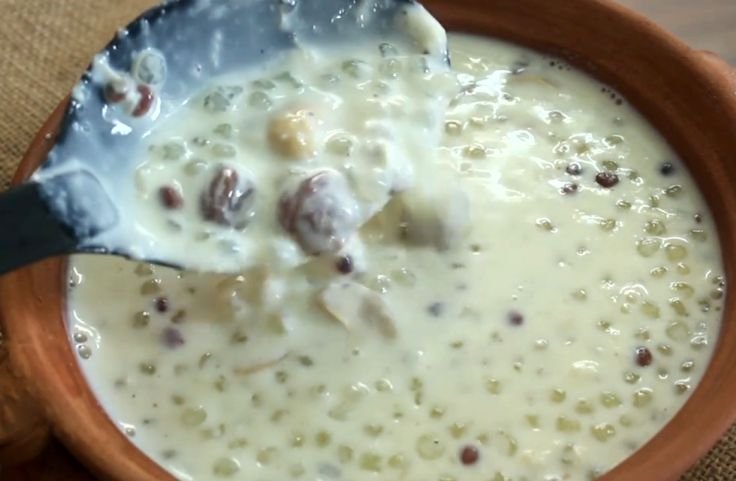
Sabudana kheer turns soaked tapioca pearls into a creamy dessert, simmered in milk with cardamom, cashews, and raisins, and it is a fixture during Navratri, Ekadashi, and other fasting days.
Its star ingredient, sabudana, comes from cassava starch, the same raw material I extract in my own small operation through Cassava Pathway, even though the pearling process is different from how I dry starch for flour.
Simple ingredients carry the whole dish: milk, sugar, cardamom, and the pearls themselves, which swell into a soft, pudding-like texture as they cook.
This guide walks through the ingredients and method so you can recreate it at home.
Disclaimer: This article is for informational purposes only and does not constitute medical advice. The author is not a medical doctor or registered dietitian. Always consult a qualified healthcare provider before making dietary or medical decisions related to cassava or tapioca consumption.
What is Sabudana Kheer?
Sabudana kheer is a creamy Indian dessert made by simmering soaked sabudana in milk, sweetened with sugar, and flavored with cardamom, often finished with ghee-roasted nuts and raisins.
It is especially popular during fasting periods like Navratri and Ekadashi, since it provides energy while staying within traditional dietary rules.
The pearls turn soft and translucent as they cook, giving the kheer its distinctive mouthfeel against the aromatic milk base.
Ingredients
Ingredients
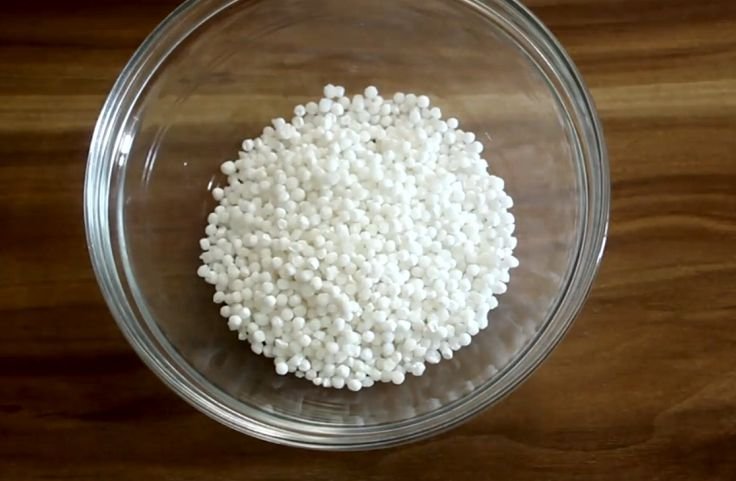
It absorbs the flavors of milk and spices beautifully. Its neutral taste makes it ideal for both sweet and savory dishes, but here, it forms the comforting base of the dessert.
Full-Fat Milk (1 liter)
Full-fat milk gives the dish a creamy consistency and acts as the liquid foundation that carries all other ingredients.
It thickens naturally as it simmers with the sabudana, creating a rich and velvety texture.
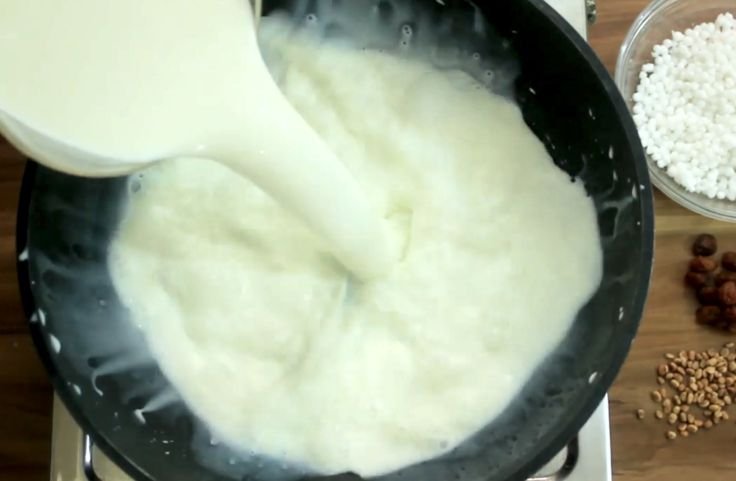
The fat content in the milk also enhances the aroma and mouthfeel, making the kheer luscious and satisfying without needing cream or added thickeners.
Cashew Nuts (2 tablespoons)
Cashews are lightly toasted before being added to the kheer to bring a buttery, nutty flavor and slight crunch.
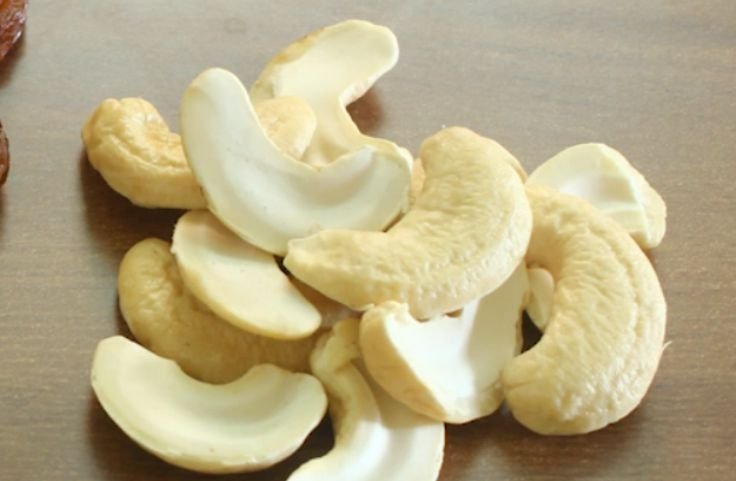
They provide a textural contrast to the soft sabudana and creamy milk.
In traditional Indian desserts, cashews are used to add richness and depth, and they hold up well in hot milk without turning mushy.
Chironji (1 tablespoon)
Chironji, also known as charoli seeds, is a classic Indian sweet ingredient with a subtle, earthy taste and soft, nut-like bite.
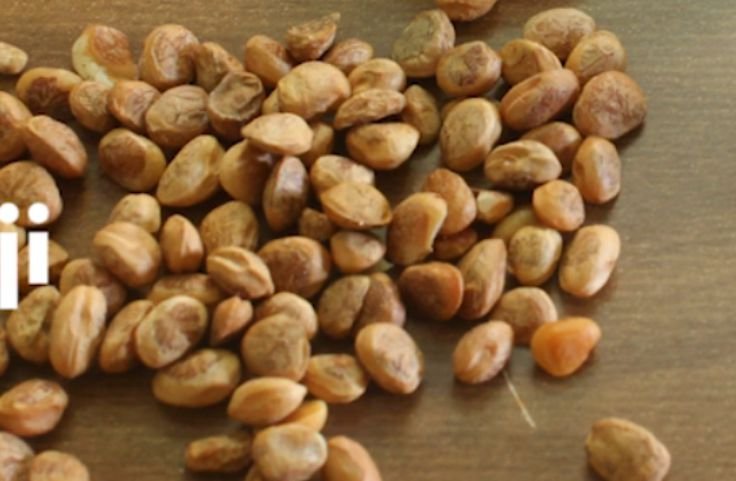
When cooked in milk, it releases a light flavor that complements both cardamom and nutmeg.
It’s small, but its presence adds authenticity and enhances the traditional flavor profile of sabudana kheer.
Raisins (2 tablespoons)
Raisins add natural sweetness and chewy texture. When simmered in milk, they plump up and release their sugars, adding small bursts of flavor with every spoonful.
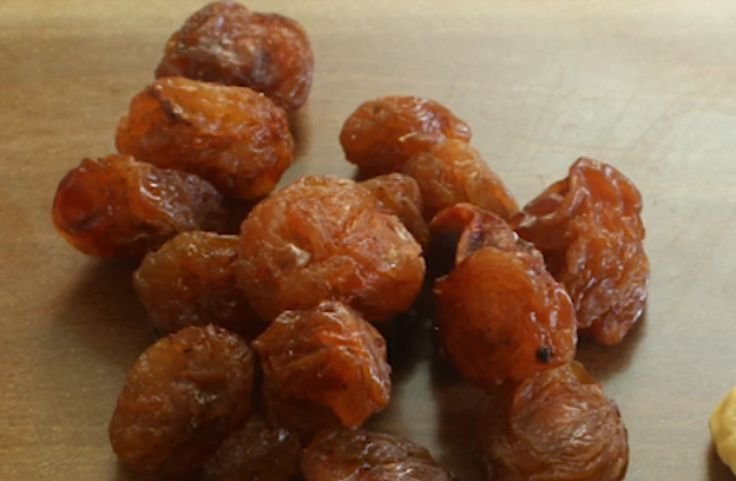
They pair beautifully with the richness of cashews and the spice notes from cardamom and nutmeg, making them a gentle, sweet surprise in this comforting dessert.
Cardamom Powder (¼ teaspoon)
Cardamom powder brings a gentle floral aroma and warm sweetness that elevates the entire dish.
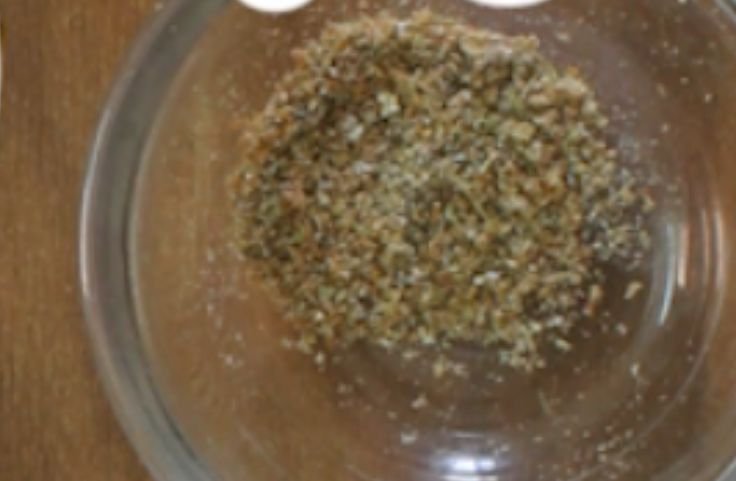
It harmonizes with the milk, nuts, and sabudana, making the kheer aromatic and inviting.
Just a small amount is enough to make a big impact, as it infuses the milk during simmering and leaves a lingering, soothing aftertaste.
Nutmeg Powder (A pinch)
Nutmeg is potent and should be used sparingly. A small pinch adds a slightly sweet, woody-spicy warmth that deepens the flavor.
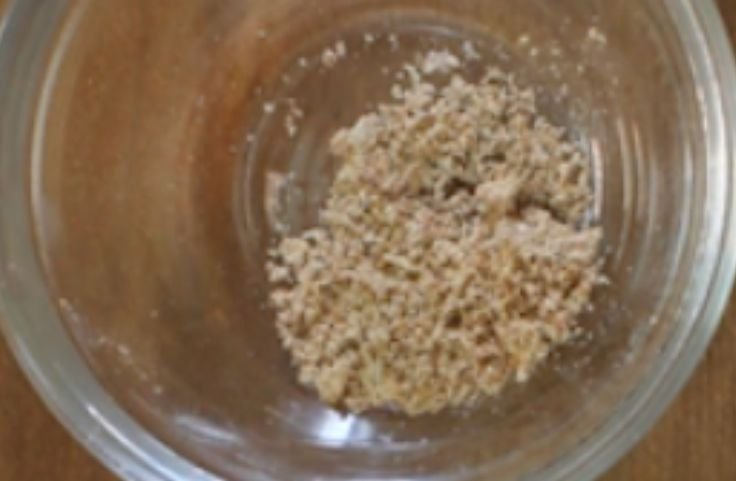
It works alongside cardamom to provide complexity, giving the kheer a classic Indian dessert taste that’s comforting and nostalgic.
Nutmeg also enhances the richness of the milk and pairs beautifully with raisins.
Sugar
Sugar sweetens Tapioca Sabudana Kheer, enhancing its flavor and balancing the starchiness of the tapioca pearls.
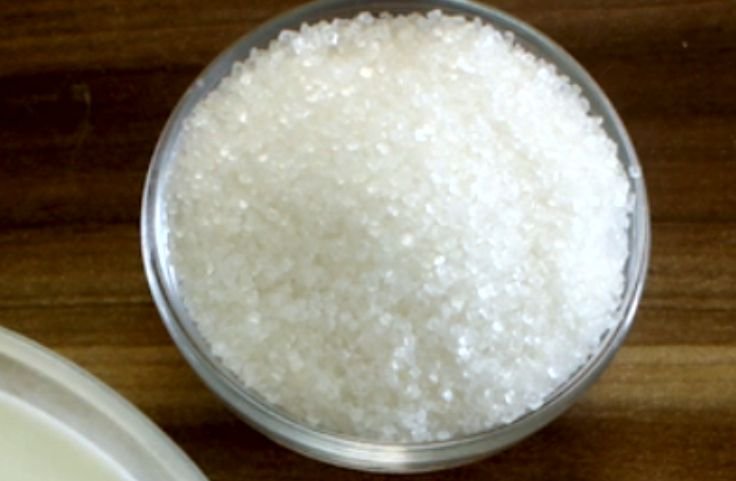
It dissolves easily during simmering, blending seamlessly into the creamy milk base.
The sweetness complements the richness of the nuts and the aroma of cardamom, making the dessert more indulgent and satisfying.
How to Make Tapioca Sabudana Kheer Step by Step
Step 1: Soak the Sabudana
Place the sabudana in a bowl and rinse it well under running water 2–3 times until the water is clear.
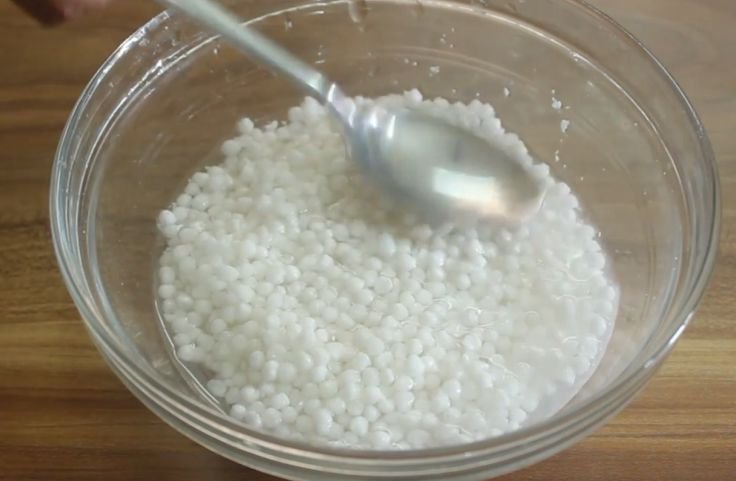
This helps remove excess starch. Soak the sabudana in just enough water to cover it for 4–5 hours, or overnight.
After soaking, they should be soft to the touch and separate easily.
Step 2: Prepare the Nuts and Raisins
Heat a dry pan over a low flame and lightly toast the cashew nuts, chironji, and raisins for 2–3 minutes until they release their aroma and turn slightly golden.
This optional step enhances their flavor and prevents them from becoming soggy when added to the milk.
Set aside the toasted mix for use later in the recipe.
Step 3: Boil the Milk
Pour 1 liter of full-fat milk into a deep, heavy-bottomed pan.
Turn the heat to medium and bring the milk to a gentle boil while stirring occasionally.
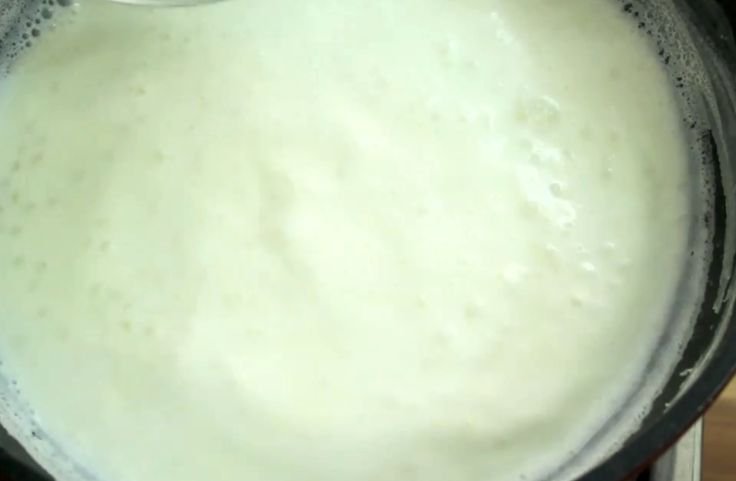
This prevents the milk from catching at the bottom or forming a thick skin.
Once the milk is hot and bubbling, it’s ready for the soaked sabudana.
Step 4: Add the Soaked Sabudana
Gently add the drained, soaked sabudana into the boiling milk. Stir well to distribute the pearls evenly.
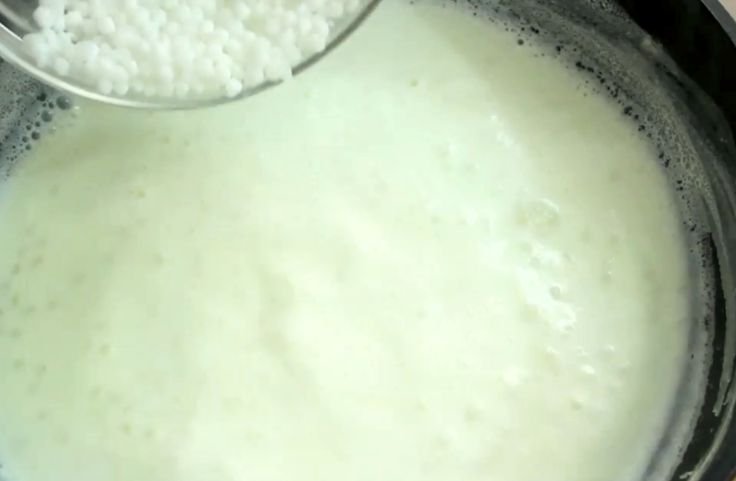
Lower the heat and let it simmer for 20–25 minutes. Stir occasionally to prevent sticking.
As the sabudana cooks, it will turn translucent, and the milk will naturally thicken into a smooth, pudding-like consistency.
Step 5: Mix in the Dry Ingredients
Once the sabudana is fully cooked and the kheer has thickened, stir in the toasted cashews, chironji, and raisins.
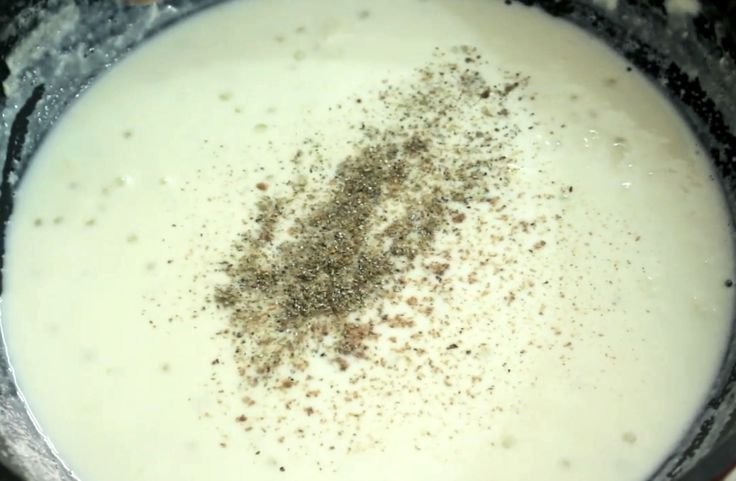
Add the cardamom powder and a small pinch of nutmeg powder.
Mix everything gently and simmer for another 3–5 minutes.
This allows the nuts and spices to blend well into the milk.
Step 6: Serve the Kheer
Turn off the heat and let the kheer rest for a few minutes. You can serve it warm for a cozy dessert or refrigerate it to enjoy chilled later.
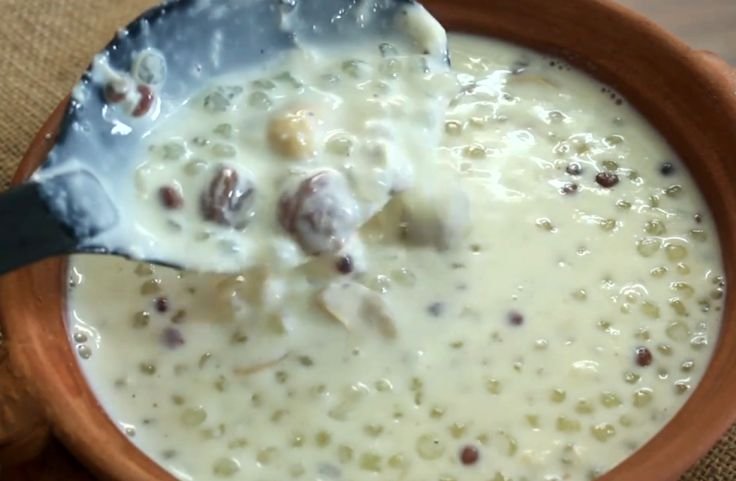
Add sugar, jaggery, or condensed milk if you prefer it sweetened. Stir well before serving, and garnish with extra nuts if desired.
Soaking Sabudana Properly
Rinse the pearls in a fine-mesh sieve to remove excess starch, then soak using a 2:1 ratio of water to sabudana, keeping the pearls fully submerged.
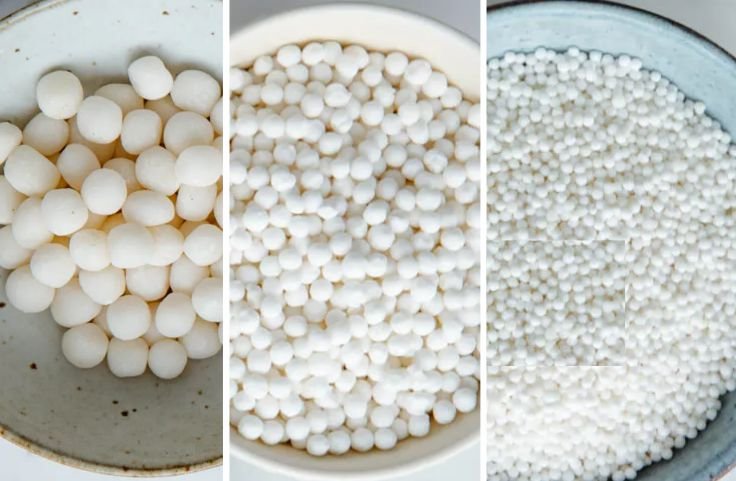
Small pearls usually need two to three hours, while larger ones take longer, up to six hours total.
Press a pearl between your fingers to check; it should feel soft, not firm or mushy.
Getting this step right is most of what determines whether the finished kheer turns out smooth and creamy.
Tips for Better Results
Heat the milk slowly to avoid curdling or burning, and add sugar only after the pearls turn translucent and fully cooked, since adding it too early can interfere with cooking and curdle the milk.
Let the kheer thicken gradually rather than over high heat, and remember it continues to thicken as it cools, so aim for a texture that is creamy but still pourable.
Finish with cardamom and ghee-roasted nuts for aroma and a bit of textural contrast.
Variations Worth Trying
Swap sugar for jaggery for a deeper, more mineral-rich sweetness, adding it once the kheer has cooled slightly so it does not curdle the milk.
Coconut milk or almond milk both work well for a dairy-free version, with coconut milk giving a tropical note and almond milk a lighter, nuttier one.
A few strands of saffron or a splash of rose water added near the end give the dish a more festive lift without changing the core recipe.
A pressure cooker also works if you are short on time, cutting the simmering stage down significantly while still producing a thick, creamy result.
Storage
Store leftover kheer in an airtight container in the fridge for up to three to four days.
Reheat gently on low heat, stirring to avoid curdling, and loosen with a splash of milk if it has thickened too much.
Freezing is possible but can affect texture, so fresh is best when you have the option.
Conclusion
Sabudana kheer rewards patience at the soaking and simmering stages far more than at any single ingredient choice.
Rinse the pearls well, keep the milk on a gentle simmer, and add sugar only once the pearls are fully cooked, and the rest of the recipe comes together easily.
Whether you serve it warm during a fast or chilled after a family meal, the base method stays the same.
Try the classic version first, then experiment with jaggery, coconut milk, or saffron once you know how the pearls behave in your own kitchen.
Frequently Asked Questions
How long should sabudana be soaked for kheer?
Sabudana should soak for two to six hours depending on pearl size. It should turn soft and press easily between your fingers without becoming mushy.
Why is my sabudana kheer too thick?
Overcooking or skipping the rinse before soaking usually causes this. Add warm milk to loosen the texture, and always rinse the pearls thoroughly before you soak them.
Can I make sabudana kheer without sugar?
Yes, jaggery, dates, or a sugar substitute all work in place of refined sugar, giving you a fasting-friendly or lower-sugar version of the same dessert.
Is sabudana kheer served hot or cold?
Both are traditional. Serve it hot for warmth and comfort, or chill it first for a cooling dessert, depending on the season and your own preference.





Chimeremeze Emeh is a tropical crop farmer and chemical engineer from Ntigha, Isiala Ngwa North LGA, Abia State, Eastern Nigeria, specializing in cassava and palm oil, with over 30 years of hands-on experience growing, harvesting, and processing cassava. He grows TMS series, TME 419, and local traditional varieties on his own farms and operates a small-scale cassava flour and starch production business through Cassava Pathway, which he founded as a CAMA-registered agribusiness in 2024. He is also the founder of Palm Oil Pathway, where he applies the same tropical farming expertise. His farms are located in Ntigha, Abia State.