Last updated on July 9th, 2026 at 10:35 pm
Waffles were never part of Nigerian cooking where I farm, but curiosity about cassava’s possibilities pushed me to master both versions, cassava flour and tapioca, and each one taught me something completely different about this root I know so well.
Cassava flour waffles and tapioca waffles both start from the same root, yet they cook, taste, and feel different once they leave the waffle iron.
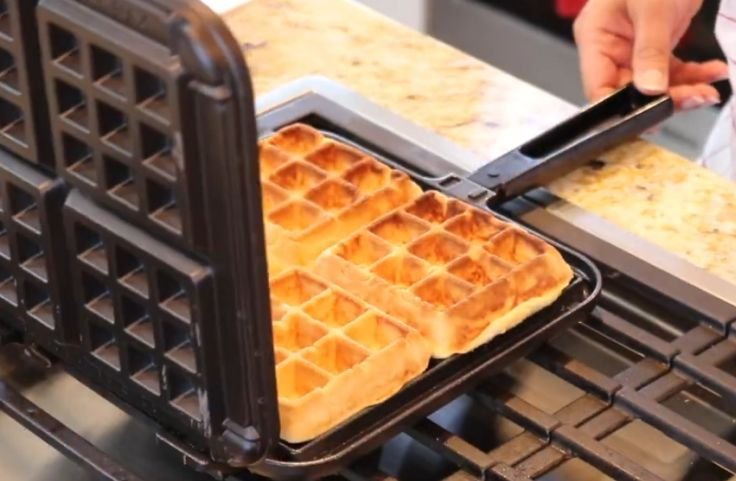
Cassava flour waffles use cassava flour, giving a light, slightly nutty waffle close to a classic wheat version.
Tapioca waffles use pure starch instead, producing a chewier, glassier bite with a crisp shell.
Neither dish was a part of my family kitchen, since waffles simply were not part of Nigerian cassava cooking.
I tested both anyway, since cassava always sits in abundance on my farm, and this guide covers both in full.
Table of Contents
What Are Cassava Flour Waffles and Tapioca Waffles?
Cassava flour waffles are waffles made with dried, milled cassava root flour mixed with eggs, milk, and a leavening agent into a batter, producing a light, gluten-free waffle with a crisp edge and a soft, slightly nutty center that closely resembles a classic wheat waffle.
Tapioca waffles are made using tapioca flour or starch instead of whole-root cassava flour, blended into a similar egg-and-milk batter, cooking into a chewier, glassier waffle with a notably crisp shell and a stretchy, almost translucent interior once fully set.
Both versions stay completely free of gluten, a point covered fully in our cassava gluten guide.
Cassava Flour Waffles Recipe
Our full cassava flour guide explains how this flour is milled before it reaches your kitchen.
Ingredients
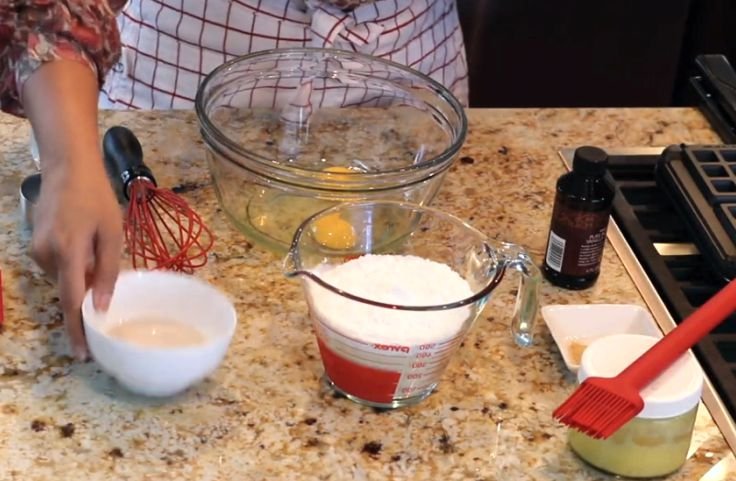
- 1 cup cassava flour
- 2 large eggs
- 1 cup milk or a dairy-free alternative
- 2 tablespoons honey or maple syrup
- 2 tablespoons oil or melted butter
- 1 teaspoon baking powder
- Pinch of salt
- Optional: 1/2 teaspoon cinnamon or a splash of vanilla extract
Step 1: Gather Your Ingredients
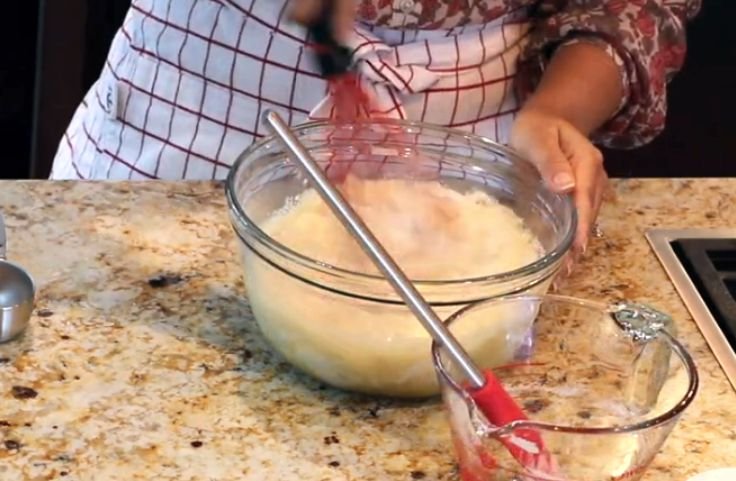
Start by measuring 1 cup of cassava flour, 2 large eggs, 1 cup of milk of your choice, 2 tablespoons of honey or maple syrup, 1 teaspoon of baking powder, and a pinch of salt.
Place everything in a mixing bowl and stir until you have a smooth batter.
Step 2: Preheat the Waffle Iron
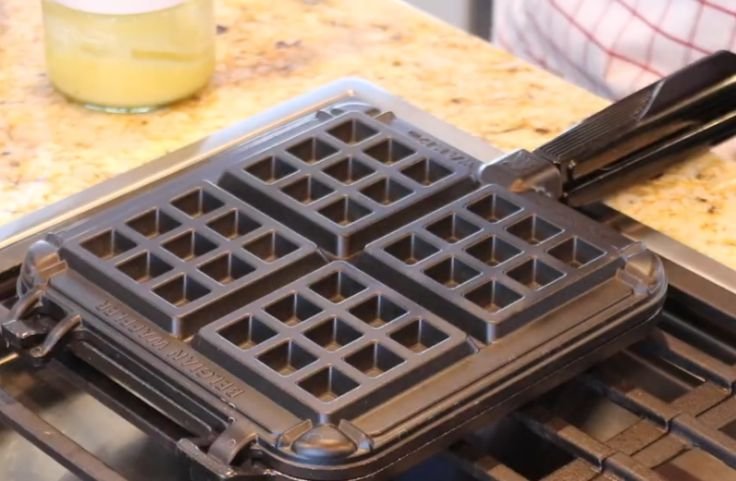
Before pouring the batter, heat your waffle iron according to the instructions for your model.
Preheating is important because it gives the waffles crisp edges and an even golden color.
Lightly grease the plates with oil or spray to keep the waffles from sticking.
Step 3: Cook the Waffles
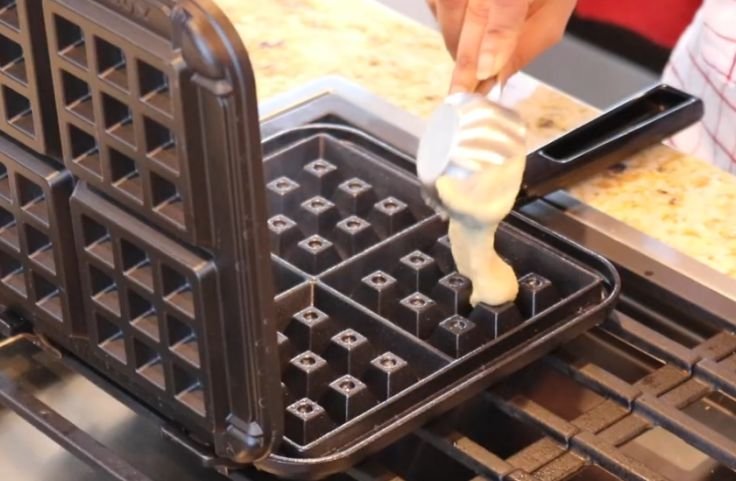
Pour the batter into the center of the waffle iron without overfilling, since the batter spreads as it cooks.
Close the lid and let them cook for 3 to 5 minutes. Watch the color closely.
They should look golden brown when ready to serve.
Step 4: Perfect the Texture
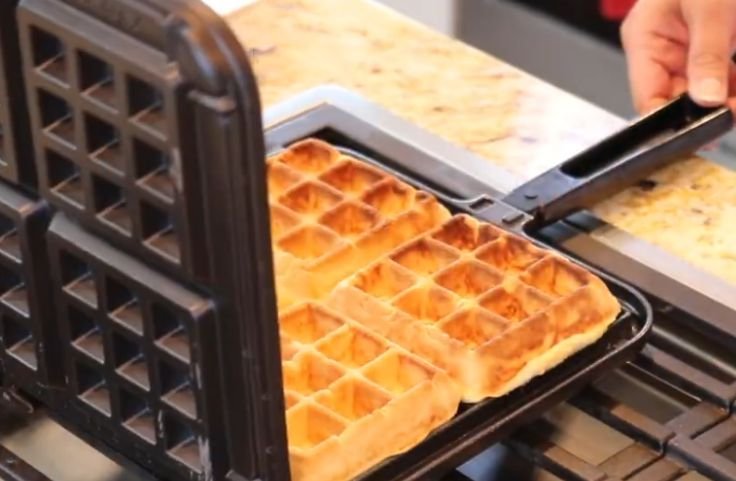
If you enjoy crispier edges, let the waffles cook slightly longer, but be careful not to burn them.
Remove the waffles gently and place them on a wire rack instead of stacking them.
This prevents steam from making the texture soggy.
Step 5: Serve with Toppings
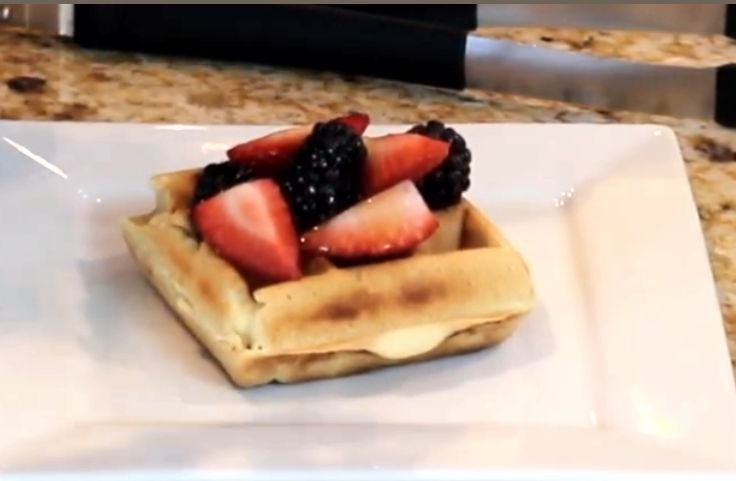
Your cassava flour waffles are ready to eat. Serve them warm with fresh fruit, yogurt, nut butter, or syrup.
You can keep them plain or add sweet or savory toppings to suit yo
Tapioca Waffles Recipe
Our guide to how tapioca starch and flour are made explains the extraction process behind this batter.
Ingredients
- 1 cup tapioca flour, also called tapioca starch
- 2 large eggs
- 3/4 cup milk or a dairy-free alternative
- 2 tablespoons oil or melted butter
- 1 tablespoon honey or maple syrup
- 1 teaspoon baking powder
- Pinch of salt
Step-by-step method
- Combine the tapioca flour, baking powder, and salt in a large mixing bowl
- Whisk the eggs, milk, oil, and honey together in a separate bowl
- Pour the wet ingredients into the dry ingredients and stir until a smooth, slightly thinner batter forms
- Let the batter rest for five minutes, since tapioca hydrates faster than cassava flour
- Preheat the waffle iron and lightly grease the plates with oil or cooking spray
- Pour the batter into the center of the iron without overfilling
- Close the lid and cook for three to four minutes, watching closely since tapioca browns faster
- Remove the waffle carefully, since the chewier structure stays softer than a cassava flour waffle straight off the iron
- Place on a wire rack to cool slightly before serving
How Cassava Flour and Tapioca Waffles Differ
| Trait | Cassava Flour Waffles | Tapioca Waffles |
|---|---|---|
| Batter behavior | Thick, holds its shape once poured | Thinner and stickier, spreads faster on the iron |
| Structure | Light and slightly dense, close to a wheat waffle | Chewier and glassier, with a stretchy interior |
| Taste | Mild and subtly nutty | Nearly neutral, taking on toppings and mix-ins easily |
| Crispness | Crisp edge that holds well after cooling | Very crisp shell, but softens faster once off the iron |
| Cooking time | Browns evenly over three to five minutes | Browns faster, needs closer watching to avoid burning |
Tips for the Perfect Texture
- Let the batter rest: 10 to 15 minutes for cassava flour, 5 minutes for tapioca, so the flour or starch hydrates fully
- Avoid overmixing: stop stirring once the wet and dry ingredients combine, since small lumps disappear during cooking
- Adjust consistency: add a little water or milk if the batter feels too thick, or extra flour or starch if it feels too thin
- Watch tapioca closely: it browns faster than cassava flour and can burn if left too long on the iron
Flavor Variations to Try
- Cinnamon and vanilla: a warm, classic combination that suits both batters equally well
- Banana or blueberry: folded into either batter for natural sweetness and bursts of fruit
- Savory herbs and cheese: rosemary, thyme, or shredded cheddar work best in the cassava flour version, which holds mix-ins more easily
- Chocolate chip: melts into pockets of sweetness in either batter, best for a dessert-style waffle
These variations also fit neatly into paleo and grain-free eating, covered further in our cassava paleo recipes guide.
Topping Ideas
- Fresh fruit: strawberries, blueberries, or sliced banana for color and natural sweetness
- Syrups and nut butters: maple syrup, honey, almond butter, or peanut butter
- Yogurt and granola: coconut yogurt with a scoop of granola for crunch and creaminess
- Savory options: a fried egg or sliced avocado for a filling, non-sweet plate
Storage and Reheating
Cool waffles completely on a rack before storing, since trapped steam turns them soggy.
Refrigerate in an airtight container with parchment paper between layers for up to three days.
Freeze in a single layer, then transfer to a freezer-safe bag for up to three months.
Reheat in a toaster or oven rather than a microwave, since dry heat restores the crisp edge that a microwave tends to soften.
Are These Waffles Healthy? Nutrition at a Glance
- Gluten-free: both versions meet FDA standards of under 20 parts per million of gluten
- Calories: roughly 150 to 200 per waffle, depending on mix-ins and toppings
- Carbohydrates: about 35 to 40 grams per cassava flour waffle, providing steady energy through the morning
- Protein: modest, around 2 to 4 grams per waffle from the eggs and milk, lower than a wheat waffle
- Fiber: cassava flour waffles carry more fiber than tapioca waffles, since starch extraction strips fiber from the tapioca version
- Micronutrients: cassava flour is not fortified with iron or B vitamins the way wheat flour often is, according to USDA FoodData Central reference values
Cassava Flour Waffles Without Eggs
Eggs normally hold waffle batter together and add moisture, so an egg-free version needs a substitute that can do both jobs at once.
Ingredients
- 1 cup cassava flour
- 1 cup milk or a dairy-free alternative, such as almond, oat, or coconut milk
- 2 tablespoons oil or melted coconut oil
- 2 tablespoons maple syrup
- 1 1/2 teaspoons baking powder
- Pinch of salt
- One egg replacer: 2 tablespoons ground flaxseed or chia seeds mixed with 5 tablespoons water, or 1/2 cup mashed ripe banana or unsweetened applesauce, or 3 tablespoons whipped aquafaba
Step-by-step method
- If using flaxseed or chia, mix it with water first and let it sit for 5 to 10 minutes until it forms a gel
- Combine the cassava flour, baking powder, and salt in a large mixing bowl
- Whisk the milk, oil, maple syrup, and your chosen egg replacer together in a separate bowl
- Pour the wet ingredients into the dry ingredients and stir until a smooth batter forms
- Let the batter rest for 10 to 15 minutes, so the flour fully hydrates
- Preheat the waffle iron and lightly grease the plates with oil or cooking spray
- Pour the batter into the center of the iron without overfilling
- Close the lid and cook for three to five minutes, until golden and fully set
- Remove carefully, since egg-free waffles can be a little more delicate straight off the iron
- Place on a wire rack to cool slightly before serving
Choosing a substitute
- Flaxseed or chia: reliable binding with a subtle nutty taste, though the edges stay softer than an egg-based waffle
- Applesauce or banana: adds moisture and natural sweetness, trading some crispness for a more tender bite
- Aquafaba: whipped chickpea liquid, generally the best of the three for restoring crispness and a lighter rise
Conclusion
Cassava flour waffles and tapioca waffles prove one root can behave in two completely different ways, once milling and starch extraction take separate paths.
The flour version rewards familiarity, giving a light, mildly nutty waffle close to what most people already expect.
The starch version rewards adventure, with a chewier, glassier bite that behaves nothing like a classic waffle.
Neither dish belongs to my community’s food history, but curiosity and abundant cassava carried me through both anyway. Pick either batter, cook your first waffle this weekend, and taste the difference.
Frequently Asked Questions
What is the difference between cassava flour waffles and tapioca waffles?
Cassava flour waffles use milled whole-root flour and taste light and slightly nutty, while tapioca waffles use pure starch for a chewier, glassier texture with a crisp shell.
Are cassava flour and tapioca waffles gluten-free?
Yes, both cassava flour and tapioca starch come from the same gluten-free root, meeting FDA standards of less than twenty parts per million, making them safe for celiac disease.
Can I make these waffles without eggs?
Yes, replace eggs with flaxseed meal, chia seeds mixed with water, mashed banana, or aquafaba, all fully covered in our vegan cassava flour waffles guide for exact ratios.
How long do these waffles stay fresh?
Cooled waffles of either type stay fresh for up to three days refrigerated in an airtight container, or up to three months frozen in a sealed freezer bag.



Chimeremeze Emeh is a tropical crop farmer and chemical engineer from Ntigha, Isiala Ngwa North LGA, Abia State, Eastern Nigeria, specializing in cassava and palm oil, with over 30 years of hands-on experience growing, harvesting, and processing cassava. He grows TMS series, TME 419, and local traditional varieties on his own farms and operates a small-scale cassava flour and starch production business through Cassava Pathway, which he founded as a CAMA-registered agribusiness in 2024. He is also the founder of Palm Oil Pathway, where he applies the same tropical farming expertise. His farms are located in Ntigha, Abia State.