Last updated on August 6th, 2026 at 05:08 am
Recipes for tapioca bubble tea disagree sharply on water ratios, some call for four cups per cup of pearls, yet pearls that genuinely need a full 25 minutes plus resting time actually call for far closer to double that amount.
Bubble tea was genuinely foreign to my cassava farming community and to Nigeria as a whole until fairly recently.
As a farmer curious about new uses for cassava, I tried making pearls from my own farm’s starch, and my first batch fell short of what I expected.
Subsequent attempts revealed the real tricks: proper hydration, timing, and patience matter more than any single ingredient.
This guide discusses the corrected water ratio, verified calorie ranges, and the actual steps that turn homemade pearls and brewed tea into something worth every sip.
Bubble tea deserves a real try, done genuinely properly.
Table of Contents
What Is Tapioca Bubble Tea?
Tapioca bubble tea, also called boba or pearl milk tea, is a Taiwanese drink that blends brewed tea with milk or fruit flavors.
Chewy tapioca pearls made from cassava starch add the drink’s signature texture and bite.
Readers wanting the full science and types of pearls used should read our main guide on tapioca pearls.
Our general tapioca guide covers the entire product family in more depth.
Origin of Tapioca Bubble Tea
Tapioca bubble tea began in Taiwan during the 1980s, combining tea, milk, and chewy pearls into one refreshing drink.
Its customizable flavors and distinctive texture spread across Asia and beyond, eventually becoming a genuine global trend with countless regional variations.
How to Make Tapioca Bubble Tea at Home
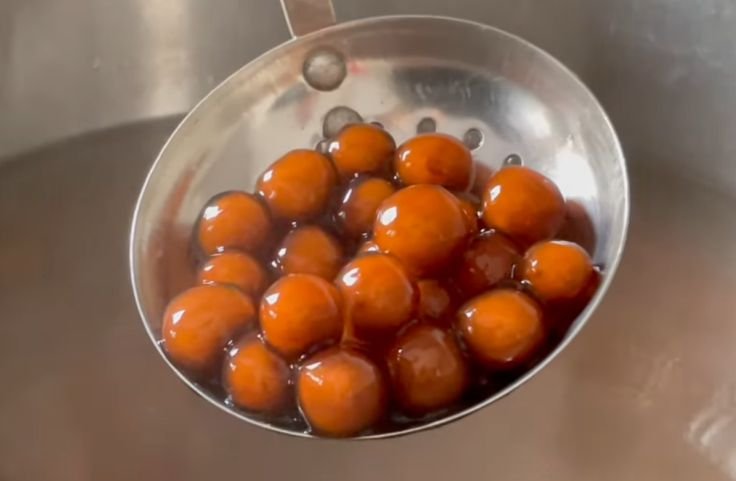
- Cook the pearls. Use roughly 8 cups of water per cup of traditional tapioca pearls, not the 4 cups some recipes wrongly suggest, since that lower ratio applies specifically to precooked instant pearls instead. This matches serving and preparation guidance from commercial suppliers like SAC Food Supplies. Boil uncovered for 25 to 30 minutes, then rest off heat for 10 to 15 minutes before rinsing.
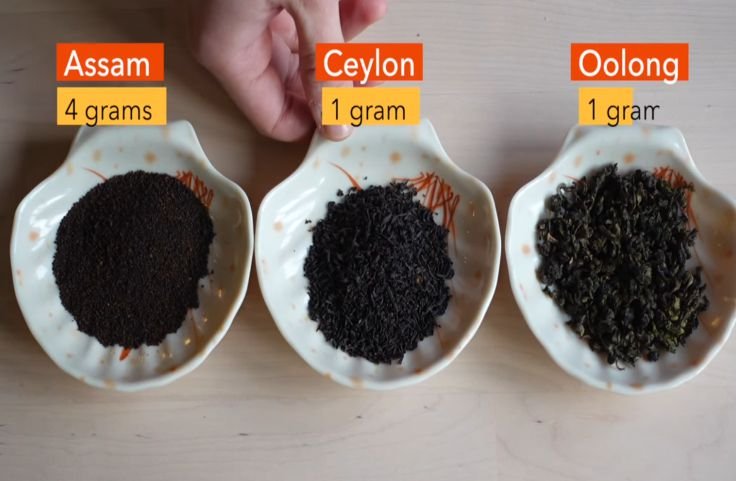
- Brew the tea. Steep black, green, or oolong tea for 5 to 10 minutes depending on desired strength, then cool to room temperature before assembling.
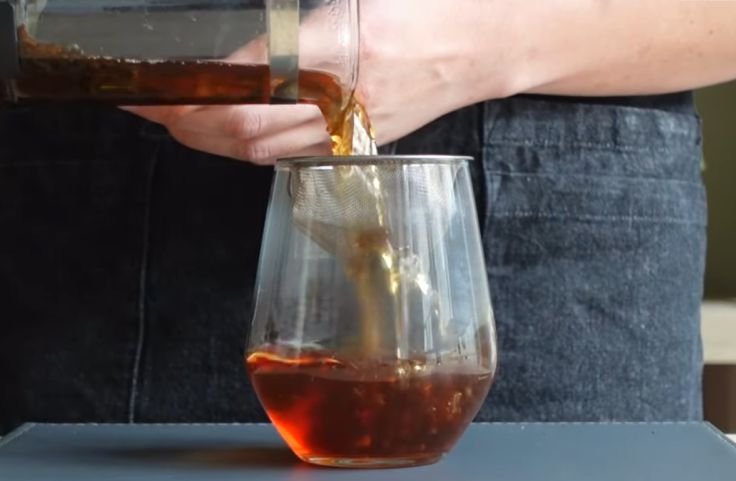
- Mix in milk and sweetener. Add whole, almond, or oat milk along with sugar, honey, or flavored syrup, tasting as you adjust the balance.
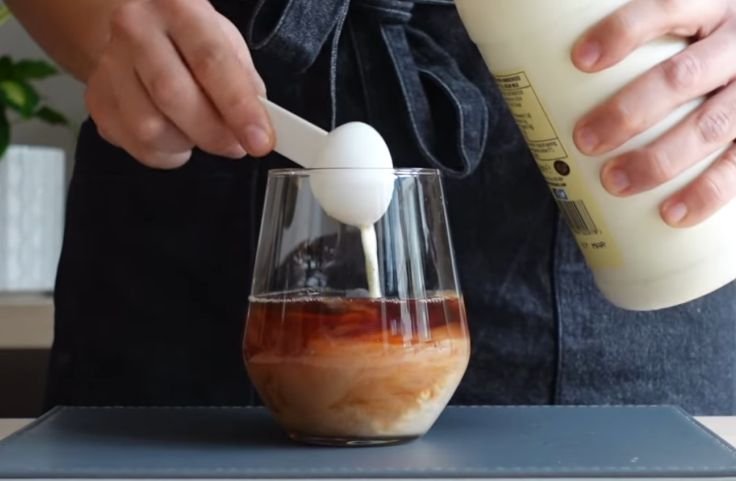
- Assemble and serve. Spoon cooked pearls into a glass, add ice if desired, pour in sweetened tea, and serve with a wide straw.
Popular Variations
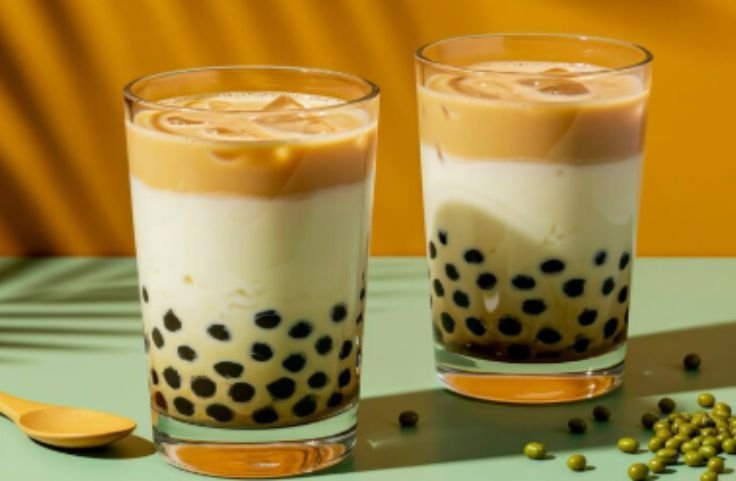
Classic milk tea pairs black tea with milk and sweetener for a smooth, full-bodied base that suits chewy pearls well.
Brown sugar boba simmers pearls directly in caramelized syrup for a deep, slightly smoky sweetness.
Taro and matcha versions offer earthy alternatives, while fruit teas skip the milk entirely for a lighter, brighter drink.
Readers wanting more ways to use pearls beyond drinks should read our guide on tapioca pearl recipes.
Our guide on tapioca sabudana covers a genuinely chewy, savory alternative worth trying.
Tips for the Best Homemade Boba
Choose pearl size based on available time: large, traditional pearls need real cooking time, while instant pearls suit quicker preparation.
Store cooked pearls in sugar syrup at room temperature rather than the refrigerator, since cold air makes them hard and unpleasant to chew.
Brew tea stronger than you might expect, since milk and sweeteners dilute flavor considerably once mixed in.
If you want the size-specific cooking details, read our guides on large and small tapioca pearls.
The Real Nutrition Numbers
A standard 16-ounce bubble tea typically contains 200 to 450 calories, according to nutrition analysis published by KimEcopak.
Most of that total comes from milk and sugar rather than the pearls themselves, a finding consistent with peer-reviewed research on boba tea nutrition published in PMC.
Tapioca pearls are naturally gluten-free, a property confirmed in nutritional analysis published by FoodStruct.
Reducing sugar level, skipping syrups, or choosing smaller sizes meaningfully lowers the total without sacrificing the chewy texture that makes bubble tea worth drinking.
Conclusion
Tapioca bubble tea earns its worldwide popularity honestly, blending chewy pearls, brewed tea, and customizable sweetness into something genuinely satisfying every time.
Use roughly 8 cups of water per cup of traditional pearls, not the 4 some recipes wrongly claim, since these pearls need a full 25 to 30 minutes plus resting time to cook through properly.
A standard 16-ounce serving realistically runs 200 to 450 calories, mostly from sugar and milk rather than the pearls themselves.
Frequently Asked Questions
Can I use instant tapioca pearls for bubble tea?
Yes, instant tapioca pearls are convenient and cook faster, usually within 5 to 10 minutes, working quite well for homemade bubble tea with genuinely minimal prep time overall.
How long do cooked pearls last for bubble tea?
Cooked tapioca pearls stay genuinely fresh for about 4 to 6 hours at room temperature, since refrigeration hardens them quite noticeably, so it’s best to serve them soon.
Can I freeze or refrigerate tapioca bubble tea?
Refrigerating tapioca bubble tea is genuinely fine, though the pearls will harden noticeably, while freezing is not recommended at all since it completely ruins the entire boba texture.
What’s the best tea to use for boba?
Strong black tea, like Assam or Ceylon, is the classic choice, though green tea, jasmine, or oolong also genuinely work well depending on your personal flavor preference too.

Chimeremeze Emeh is a tropical crop farmer and chemical engineer from Ntigha, Isiala Ngwa North LGA, Abia State, Eastern Nigeria, specializing in cassava and palm oil, with over 30 years of hands-on experience growing, harvesting, and processing cassava. He grows TMS series, TME 419, and local traditional varieties on his own farms and operates a small-scale cassava flour and starch production business through Cassava Pathway, which he founded as a CAMA-registered agribusiness in 2024. He is also the founder of Palm Oil Pathway, where he applies the same tropical farming expertise. His farms are located in Ntigha, Abia State.