Last updated on October 22nd, 2026 at 04:41 pm
Most cassava foods and products, like tapioca snacks, were alien to my cassava farming community in Nigeria until I started researching and writing about cassava, and eventually began to try most of the foods. And I have always gotten them right, especially the tapioca snacks.
Tapioca snacks span far more ground than bubble tea alone, showing up as fried chips in Nigeria, cheese bread in Brazil, and fasting fritters in India.
While most of these snacks are still not popular in Nigeria, I love to play around with them to give my family a variety of snacks away from what is already around us.
And what makes it interesting is that the base ingredient – cassava root is abundantly available.
This guide covers tapioca snacks by region, shares homemade ideas, and links to deeper guides for chips, puffs, crepes, crackers, and more.
Disclaimer: This article is for informational purposes only and does not constitute medical advice. The author is not a medical doctor or registered dietitian. Always consult a qualified healthcare provider before making dietary or medical decisions related to cassava or tapioca consumption.
What Are Tapioca Snacks?
Tapioca snacks are treats made from tapioca starch extracted from cassava root, ranging from crisp chips to chewy pearls and baked cheese rolls.
They are naturally gluten-free and can lean sweet or savory depending on preparation.
Their neutral flavor takes on whatever seasoning, syrup, or filling surrounds them, which is why the same starch shows up in such different dishes worldwide.
Tapioca Snacks Around the World
Every region that grows or imports cassava turns tapioca into its own signature snack, and the eight below are worth knowing.
Brazil: Pão de Queijo
Pão de queijo, or Brazilian cheese bread, began in Minas Gerais during the 1700s, when cooks lacked wheat flour and turned to cassava starch instead. This history comes from Wikipedia’s entry on the dish.
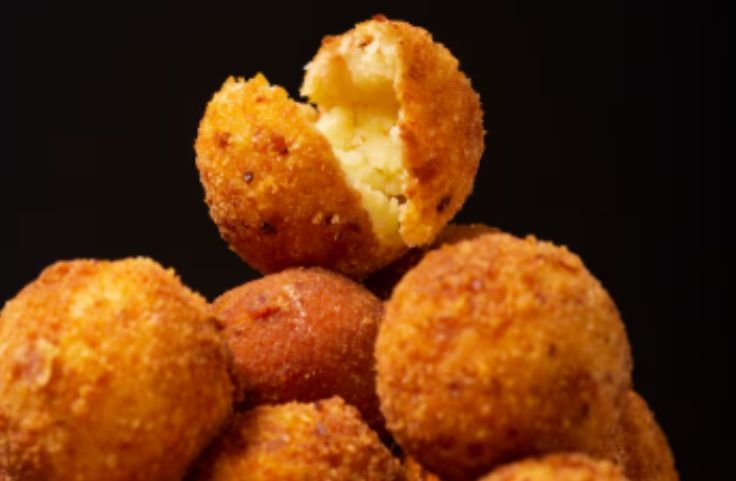
Cheese was added later, once regional dairy production grew enough to make it widely available.
The tapioca starch base is what gives the bread its stretchy, chewy bite, and its total absence of gluten.
Latin America Beyond Brazil: Pan de Yuca and Chipa
Brazil is not alone in turning cassava starch into cheese bread, since Ecuador and Colombia bake a close cousin called pan de yuca.
Paraguay bakes a firmer, ring-shaped version called chipa, which actually predates Spanish colonization.
Early chipa was pressed around a stick and cooked over an open fire, according to Bradt Guides’ history of the dish.
Cheese and eggs were added only after Spanish settlers introduced dairy farming to the region.
India: Sabudana Vada
Sabudana vada is a fried fritter made from soaked tapioca pearls, mashed potatoes, and roasted peanuts.
Tapioca pearls entered India through imports from Southeast Asia.
Commercial production only began in Salem, Tamil Nadu, in the 1940s, according to The Better India’s history of sabudana.
Since sabudana contains no grain, it fits the dietary rules observed during Hindu fasting periods like Navratri.
Thailand: Tapioca Dumplings
Known as kanom sai sai, these Thai dumplings wrap a tapioca flour skin around sweet coconut or savory pork and peanut fillings.
They steam until the skin turns nearly see-through. They are a common street food, served warm and eaten in a few quick bites.
Indonesia: Cireng, Cilok, and Cimol
Indonesia’s West Java region produces a whole family of tapioca street snacks known locally as jajanan aci.
Cireng is tapioca dough fried into crisp discs, while cilok is boiled into chewy, skewered balls served with peanut sauce.
Cimol takes the same dough and deep-fries it into small, puffy balls instead, according to TasteAtlas’s coverage of West Java street food.
All three trace back to Sundanese vendors selling affordable snacks near schools and markets.
Taiwan: Boba Pearls
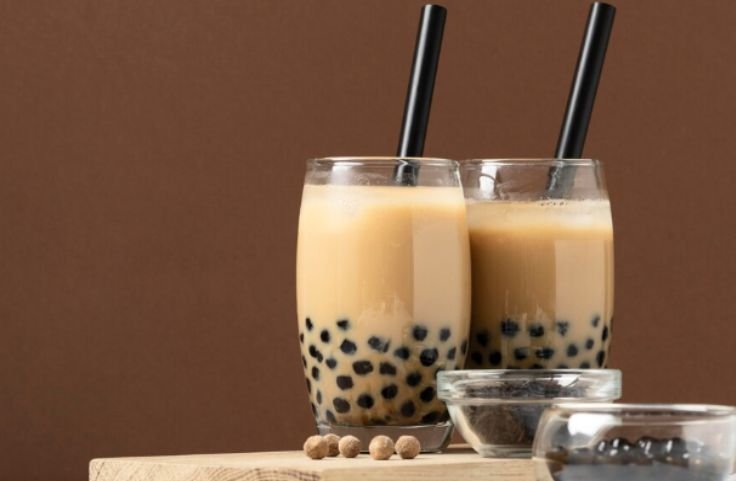
Boba pearls, boiled tapioca starch spheres, gave rise to bubble tea in 1980s Taiwan before spreading worldwide. See more about bubble tea with boba pearls here.
Philippines: Taho and the Sago
Many beloved Filipino desserts, like taho, halo-halo, and mango sago, traditionally use sago pearls from the sago palm rather than cassava-based tapioca.
Cassava tapioca arrived in Southeast Asia during the colonial era and became a common substitute for sago, according to Wikipedia’s entry on tapioca pearls.
Today, many packaged “sago” products sold abroad are actually tapioca, so reading the ingredient label matters if you want the traditional palm-based version.
Tapioca Snacks Compared at a Glance
| Region & Snack | Base Starch | Sweet or Savory | Texture |
|---|---|---|---|
| Brazil: Pão de Queijo | Cassava starch | Savory | Chewy, cheesy |
| Latin America: Pan de Yuca, Chipa | Cassava starch | Savory | Chewy with a crisp shell |
| India: Sabudana Vada | Tapioca pearls | Savory | Crisp outside, soft inside |
| Thailand: Kanom Sai Sai | Tapioca flour | Sweet or savory | Soft, nearly translucent |
| Indonesia: Cireng, Cilok, Cimol | Tapioca starch (aci) | Savory | Chewy to crisp |
| Taiwan: Boba Pearls | Tapioca starch | Sweet | Chewy and springy |
| Nigeria: Pap | Fermented cassava | Mildly sweet | Smooth and soft |
| Philippines: Taho, Halo-Halo | Sago, often substituted with tapioca | Sweet | Soft and chewy |
Homemade Tapioca Snack Ideas
If you want to make your own tapioca snacks, a few ideas below have full dedicated guides elsewhere on this site.
A few others are simple enough to cover here in full.
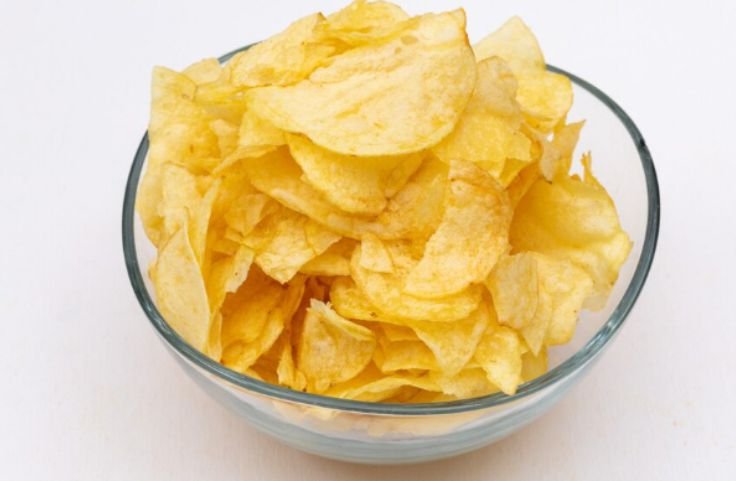
- Crispy Tapioca Chips. Thin slices of soaked, dried, and fried cassava starch dough make one of the simplest tapioca snacks. For the complete recipe, safety notes, and calorie breakdown, see our dedicated tapioca chips guide.
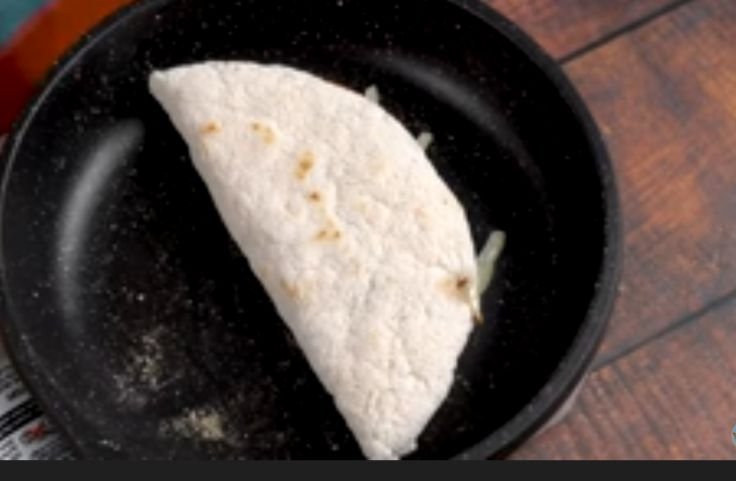
- Tapioca Crepes. A thin batter of tapioca flour and water cooks into a stretchy wrap suited to both sweet and savory fillings.
- Tapioca Crackers. Baked from tapioca flour, water, and seasonings until golden and crisp, these pair well with soups or dips on their own.
- Tapioca Tortillas. Tapioca starch dough rolled thin and cooked on a hot skillet makes a stretchy, gluten-free wrap.
- Savory Tapioca Puffs. These bite-sized puffs start as a tapioca flour dough filled with cheese or vegetables before baking or frying. Our tapioca puffs guide covers filling options, baking times, and texture troubleshooting.
- Tapioca Waffles. A tapioca flour batter poured into a hot waffle iron turns crisp outside and soft inside, no wheat needed.
- Tapioca Pudding Bites. Cook tapioca pearls in milk with sugar and vanilla until thick, then chill the mixture in a tray until firm enough to cut into squares.
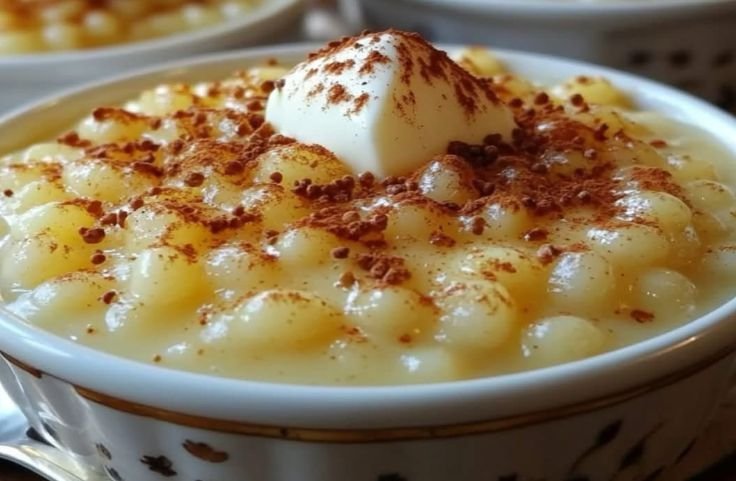
- Tapioca Cheese Balls. Small balls of tapioca starch dough studded with cheese puff up golden and gooey when fried or baked, similar to Brazilian pão de queijo but bite-sized.
- Tapioca Pancakes. Tapioca flour or starch swaps easily into pancake batter for a slightly chewy, naturally gluten-free stack.
Sweet vs Savory Tapioca Pairings
Sweet pairings lean on coconut milk, palm sugar, vanilla, and fresh fruit like mango or berries for a chilled, comforting finish.
Savory pairings lean on cheese, herbs like thyme or rosemary, and dipping sauces built from soy sauce or chili paste. Both directions showcase the same chewy texture, just pointed toward different cravings.
Are Tapioca Snacks Easy to Digest?
Plain tapioca starch is confirmed low FODMAP at typical serving sizes by Monash University’s FODMAP research program, explaining why most tapioca snacks sit gently on sensitive stomachs.
This changes once sugar, dairy, or high-FODMAP additives enter the recipe, so the snack matters as much as the starch itself. For a full nutrient breakdown across tapioca’s different forms, see our tapioca nutrition facts guide.
Conclusion
Tapioca snacks connect a single starchy root to kitchens on nearly every continent, from Brazilian cheese bread to Nigerian porridge and Indian fasting fritters.
Most plain tapioca snacks digest easily and fit gluten-free diets, though added sugar, frying oil, and fillings change that picture fast.
If you want the full recipe for chips, crepes, crackers, or puffs, our dedicated guides cover each in more depth than a roundup like this one can.
Try one homemade idea from this guide and see how far one root can travel.
Frequently Asked Questions
What are the most popular tapioca snacks around the world?
Popular tapioca snacks include Brazilian pão de queijo, Indian sabudana vada, Thai tapioca dumplings, Taiwanese boba pearls, and Nigerian tapioca porridge, each rooted in local ingredients and traditions.
Are tapioca snacks easy to digest?
Yes, tapioca starch is confirmed low FODMAP by Monash University research at typical serving sizes, making plain tapioca snacks gentle on sensitive digestive systems for most healthy people.
What is sabudana vada and why is it eaten during fasting?
Sabudana vada is a fried Indian fritter made from soaked tapioca pearls and potatoes, eaten during Hindu fasting periods like Navratri since grains are avoided during that time.
Can I make tapioca chips, crepes, or crackers at home?
Yes, all three are simple to make at home from tapioca starch or flour; see our dedicated guides for exact recipes, ratios, and cooking times for each snack.
What are tapioca snacks made of?
Tapioca snacks are typically made from tapioca starch derived from cassava. Ingredients like water, salt, and sometimes cheese or sugar enhance flavor and texture.
Are tapioca snacks gluten-free?
Yes, tapioca snacks are naturally gluten-free. Tapioca comes from cassava root, which does not contain gluten, making it ideal for gluten-sensitive individuals.
How do you make savory tapioca snacks?
Savory tapioca snacks can be pan-fried with oil, herbs, and spices like garlic, chili flakes, or pepper. Serve with sauces for extra flavor and depth.
Are tapioca snacks healthy?
Tapioca snacks are low in fat and gluten-free, but can be high in carbs. Add protein or fiber-rich ingredients to create a more balanced option.

Chimeremeze Emeh is a tropical crop farmer and chemical engineer from Ntigha, Isiala Ngwa North LGA, Abia State, Eastern Nigeria, specializing in cassava and palm oil, with over 30 years of hands-on experience growing, harvesting, and processing cassava. He grows TMS series, TME 419, and local traditional varieties on his own farms and operates a small-scale cassava flour and starch production business through Cassava Pathway, which he founded as a CAMA-registered agribusiness in 2024. He is also the founder of Palm Oil Pathway, where he applies the same tropical farming expertise. His farms are located in Ntigha, Abia State.