Last updated on July 9th, 2026 at 08:01 pm
Cassava flour dumplings and tapioca dumplings are not traditional dishes where I farm in Abia State, but my love for cassava pushes me to try every recipe this abundant root can become, and both are absolutely worth making at home.
Cassava flour dumplings and tapioca dumplings both come from the same root, yet they taste and feel completely different in the mouth.
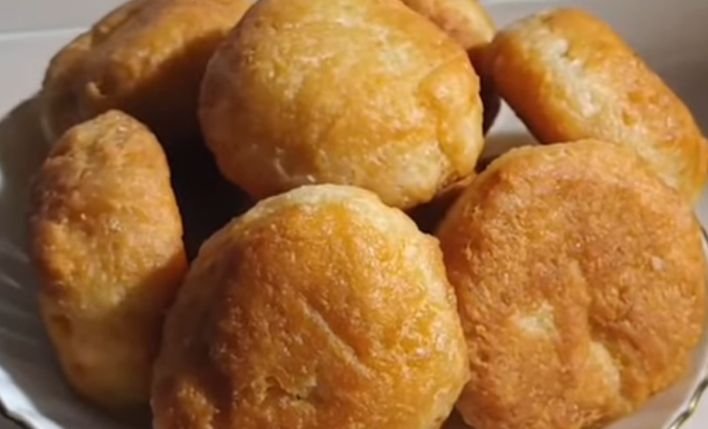
Cassava flour dumplings use milled, dried whole root, giving a soft, slightly earthy bite that holds its shape in soup.
Tapioca dumplings use pure starch instead, gelatinized into a chewy, almost translucent wrapper popular across Thailand, Vietnam, and Laos.
Neither dish grew up in my kitchen in Ntigha, Abia State, since my community turns cassava into garri, fufu, and flour rather than dumplings. I tried both purely because cassava sits in abundance on my farm, and curiosity wins.
Disclaimer: This article is for informational purposes only and does not constitute medical advice. The author is not a medical doctor or registered dietitian. Always consult a qualified healthcare provider before making dietary or medical decisions related to cassava consumption.
Table of Contents
What Are Cassava Flour Dumplings and Tapioca Dumplings?
Dumplings are small portions of dough, made from flour, starch, or a similar base, shaped into balls or wrapped around fillings, then boiled, steamed, fried, or baked until cooked through.
And cassava flour and tapioca starch can pull that off.
Cassava flour dumplings and tapioca dumplings share one parent plant but diverge completely once processing begins.
Cassava flour comes from the whole dried root, milled fine, and retains fiber, minerals, and a faint earthy flavor.
Tapioca starch comes from the same root but strips away everything except pure carbohydrate during extraction.
Our cassava flour versus tapioca flour comparison breaks these differences down ingredient by ingredient.
Researchers studying gluten-free cassava doughs found that higher cassava flour content raises dough viscosity and structure.
Cassava flour dumplings hold their shape in a pot of soup, since the fiber gives some backbone to the dough.
Tapioca dumplings behave more like a gel, turning glassy and stretchy once heat gelatinizes the starch completely.
The two dumpling styles differ in a few practical ways worth knowing before you shop for ingredients:
| Dumpling Type | Appearance & Texture | Filling Style |
|---|---|---|
| Cassava flour dumplings | Opaque, soft, and slightly chewy, made from whole-root flour | Hold fillings loosely inside a soft dough ball |
| Tapioca dumplings | Translucent, glassy, and very chewy, made from pure starch | Wrap fillings in a thin, stretchy, almost see-through skin |
Neither dough is objectively better, since they solve different problems in the kitchen.
Cassava flour suits anyone wanting a forgiving, soup-ready dumpling with minimal technique.
Tapioca starch suits anyone chasing the specific glassy chew found in Southeast Asian street food, at the cost of a slightly steeper learning curve.
Most cooks eventually keep both in their pantry, reaching for whichever fits the meal in front of them.
Cassava Flour Dumplings Recipe
Cassava flour dumplings come together quickly, and the dough behaves much like a soft, gluten-free bread dough.
Our full cassava flour guide explains how this flour is milled and graded before it reaches your kitchen.
You need nothing more specialized than a mixing bowl, a pot or steamer, and clean hands for shaping.
Ingredients
- 2 cups cassava flour
- 3/4 cup water or plant-based milk, added gradually
- 1/2 teaspoon salt
- 1 tablespoon oil, optional, for a softer dough
- Optional additions: mashed sweet potato, pumpkin, or chopped herbs
Step-by-step method
- Combine the cassava flour and salt in a large mixing bowl
- Add water or plant-based milk gradually, mixing until a soft, pliable dough forms
- Knead briefly until the dough is smooth and holds together without cracking
- Let the dough rest for five to ten minutes so the moisture distributes evenly
- Divide the dough into portions roughly the size of a golf ball
- Roll each portion into a smooth ball, or shape into discs or ovals
- Drop the shaped dumplings into gently boiling water and cook for 10 to 12 minutes, until they float
- Alternatively, steam the dumplings in a lined steamer basket for about 15 minutes, until cooked through
- Drain or remove from the steamer, then serve in soup, stew, or sauce
Beyond the basic boiled version, cassava flour dumplings adapt easily to other cooking methods:
- Fried dumplings: shape the dough, then deep-fry until the outside turns golden and crisp
- Stuffed dumplings: fill the dough with vegetables, beans, or lentils before sealing and cooking
Tapioca Dumplings Recipe
Tapioca dumplings work differently from the start, since the dough is pure starch rather than whole-root flour.
Hot water gelatinizes the starch almost instantly, turning loose powder into a stretchy, workable dough within minutes.
Some traditional recipes use soaked tapioca pearls instead of starch powder, which produces a slightly bumpier, more textured wrapper, but the starch-powder method below is easier for a first attempt and gives more consistent results.
This version follows the savory, pork-and-shrimp style found across Thailand, Vietnam, and Laos.
Ingredients
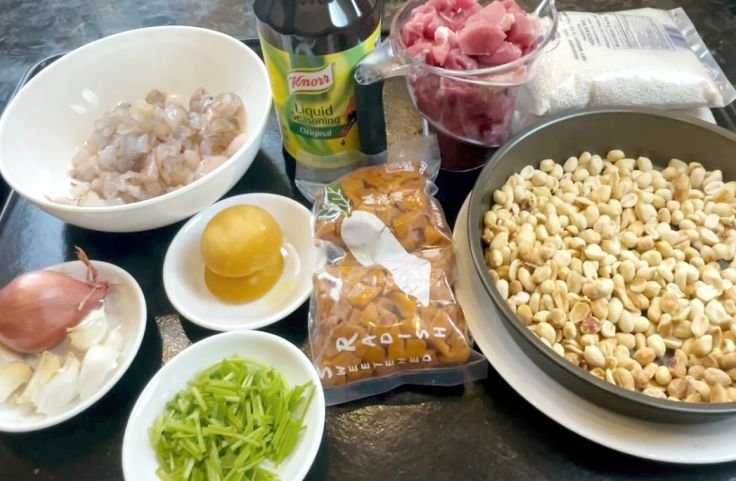
- 4(14 oz) bags small tapioca starch
- 1 cup hot water, just boiled
- 1/2 teaspoon salt
- 200 grams minced pork or shrimp, or a mix of both
- 2 cloves garlic, minced
- 1 shallot, minced
- 1 tablespoon fish sauce or soy sauce
- Black pepper, to taste
- Oil, for cooking the filling and for sealing the dumplings
Prepare the Tapioca Pearls
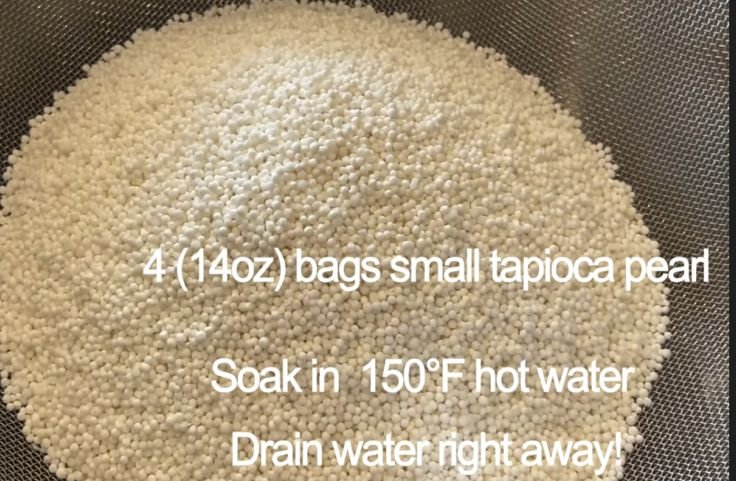
Rinse small tapioca pearls. Simmer in plenty of water until mostly translucent with a tiny white core (8–12 minutes).
Turn off the heat, cover 5 minutes to finish. Drain, rinse under cold water, and set aside to prevent clumping.
Prep Aromatics and Seasoning
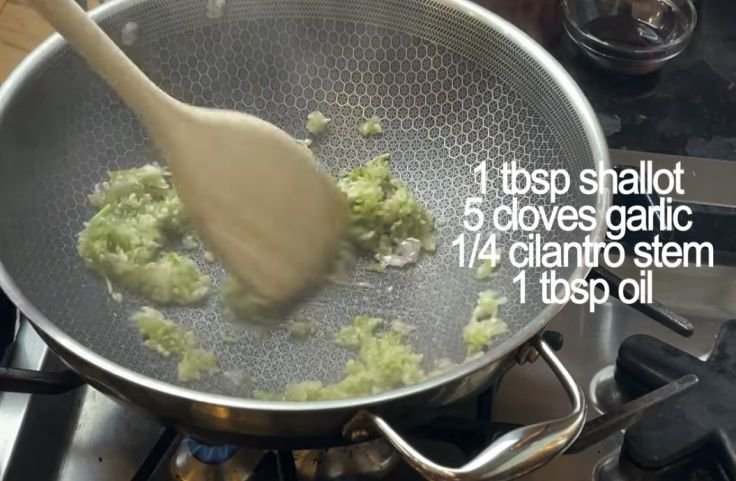
Finely mince garlic and shallot; chop cilantro stems. Combine with a pinch of black pepper and a tiny pinch of salt (if using). This aromatic mix will season all savory fillings.
Pork Filling
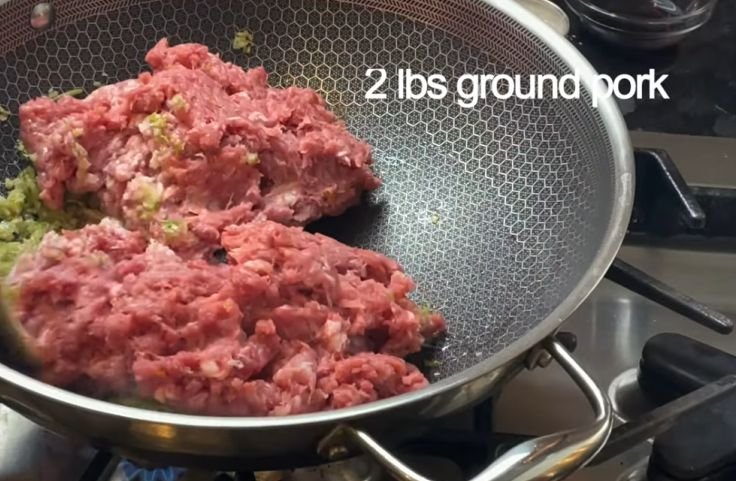
Sauté a little oil, then soften half of the garlic–shallot mix. Add minced pork and stir-fry until no longer pink.
Season with black pepper and chopped cilantro stems. Cook off moisture; cool completely.
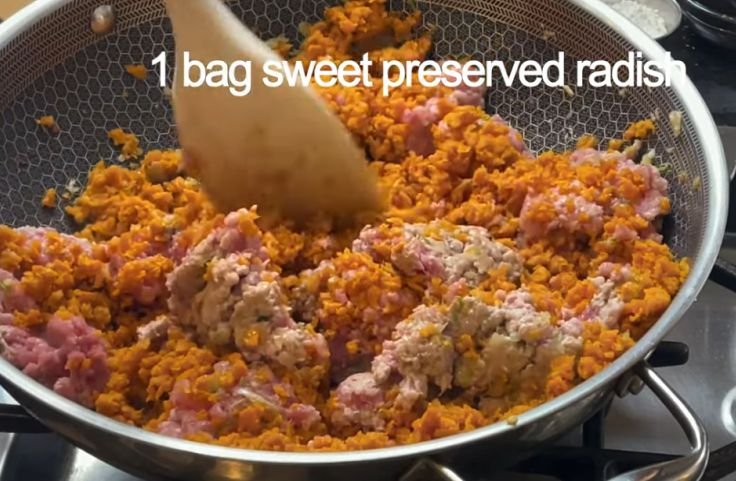
Add Preserved Shredded Radish
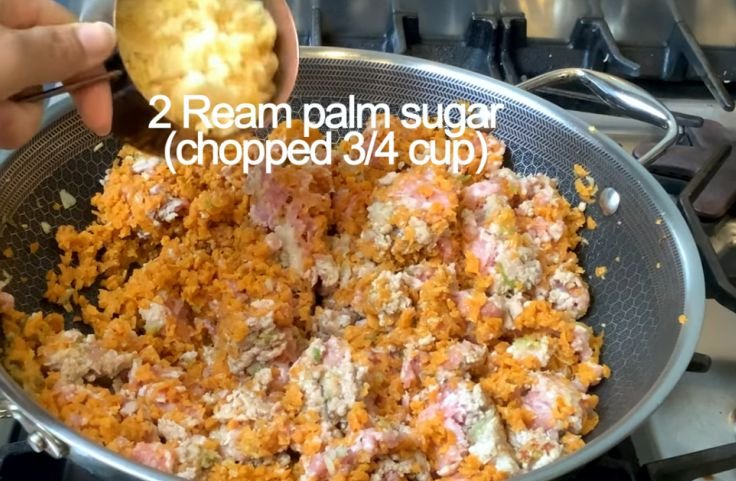
Add Palm Sugar
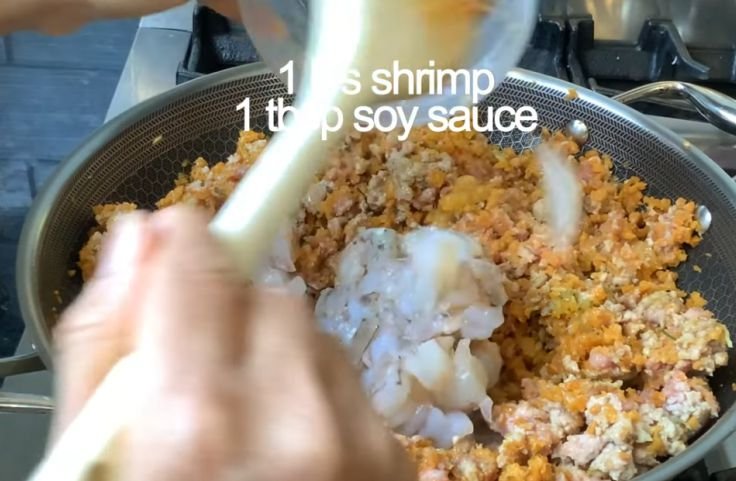
Add Shrimp
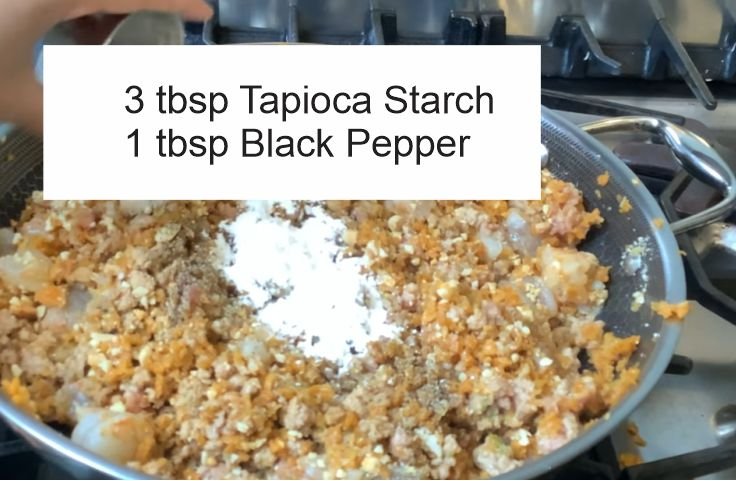
Add Tapioca Starch and Black Pepper
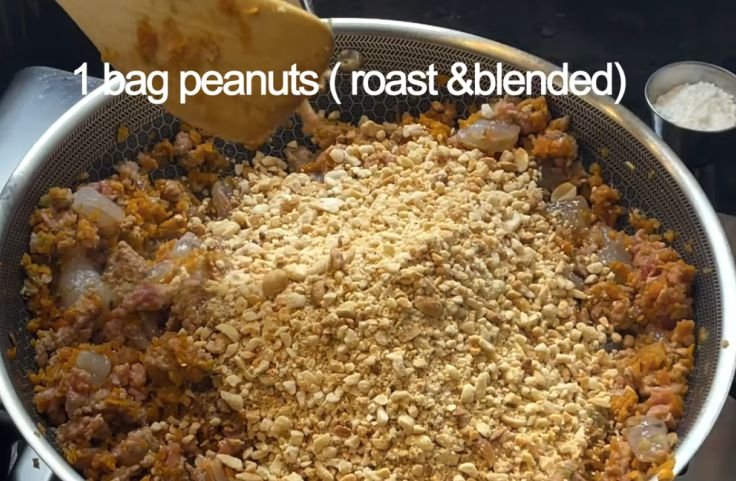
Add Roasted and Blended Peanuts
Combine the Entire Mixture and Continue Cooking
When thoroughly cooked and tender, turn off the heat and allow to cool before molding into desired balls.
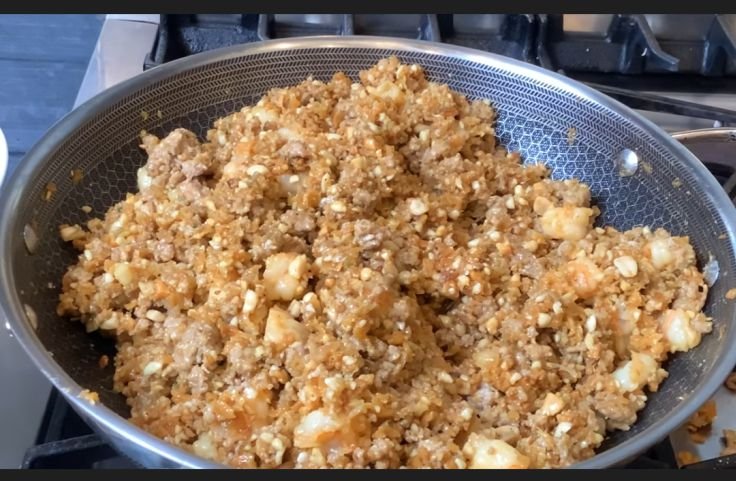
Turn off the Heat and Allow to Cool
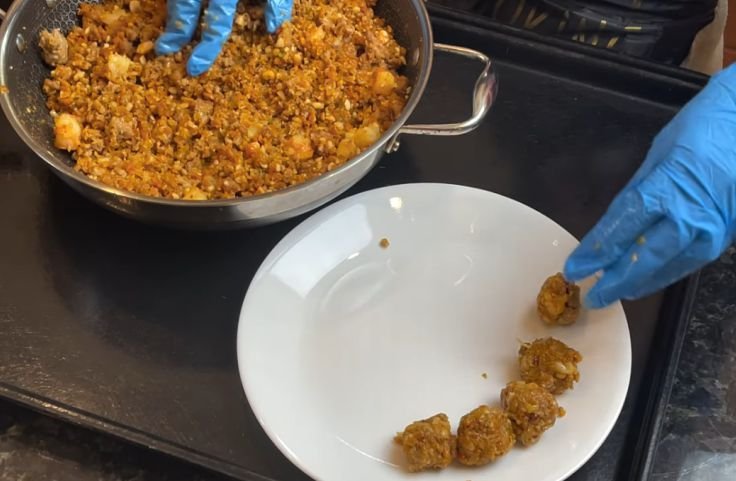
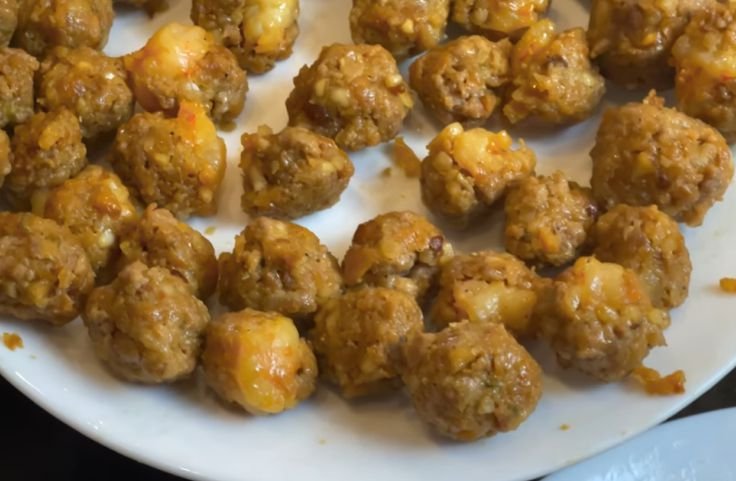
Mold the fillings into Your Desired Balls
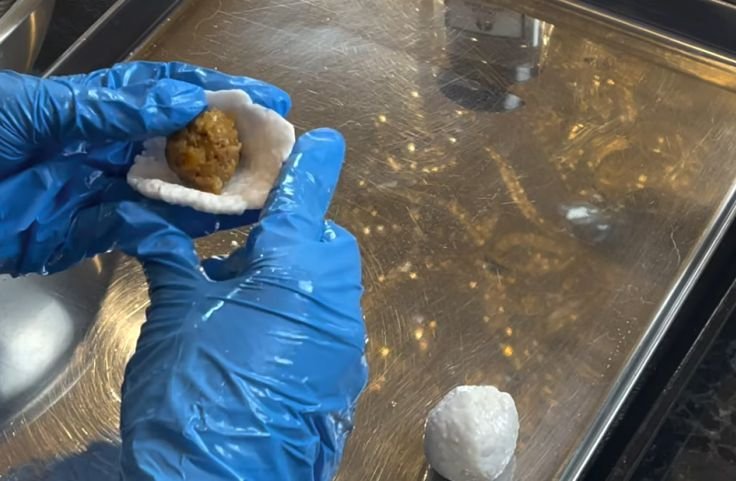
Fill into Flattened Tapioca Pearls and Seal
Place a small spoon of your filling in the center of the molded and flattened tapioca pearls (do not overfill). Bring edges up, pinch, and twist to seal.
Smooth seams with lightly oiled fingers. For pearls-in-dough, press gently so pearls don’t poke through.
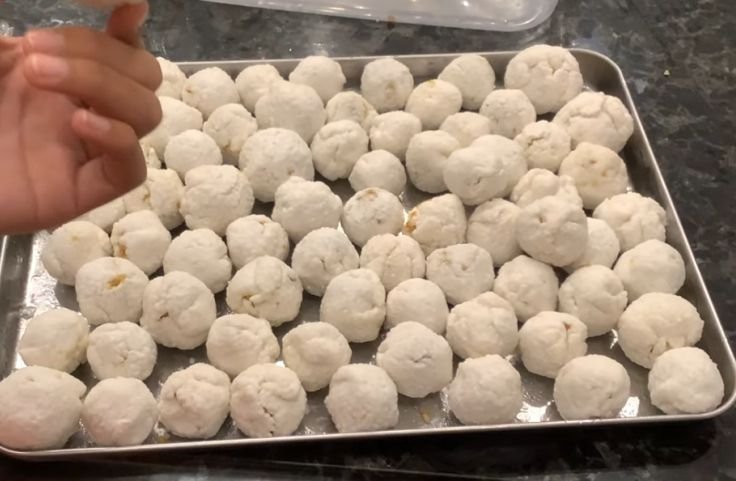
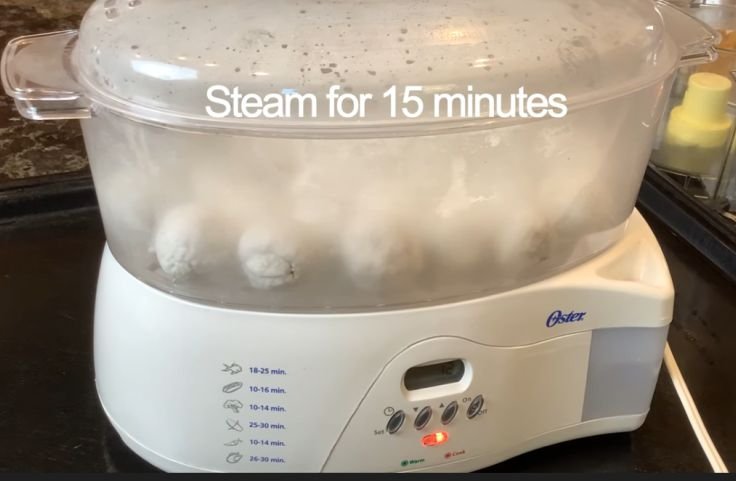
Steam Until Translucent
Steam over medium-high heat until wrappers turn glossy and translucent: 8–12 minutes for small dumplings, 12–15 for larger.
Pork/veg should be hot and cooked through; shrimp should be opaque.Oil to Prevent Sticking
Brush a steamer tray/linen or banana leaves with a thin film of oil. Lightly oil the dumplings’ bottoms so they release cleanly after cooking and keep a glossy finish.
Rest, Release, and Serve
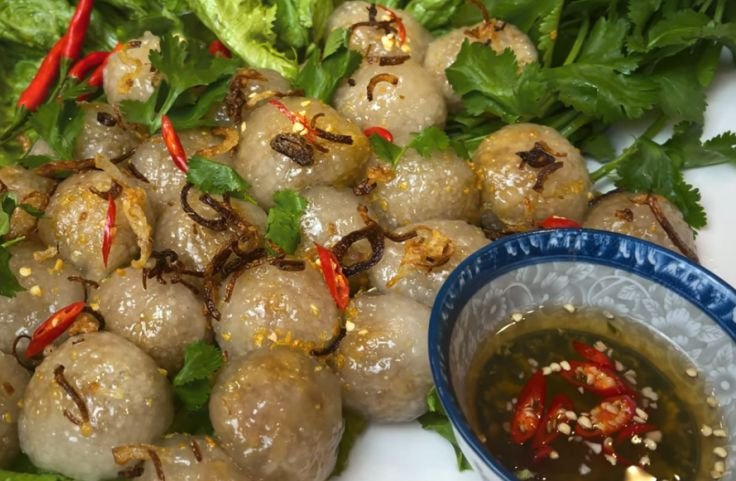
Let dumplings rest 2 minutes to firm, then lift with an oiled spatula. Top savory dumplings with fried shallots and a crack of black pepper; serve with a light dip (soy + water + sugar + lime/black pepper).
Our guide to how tapioca starch and flour are made explains the extraction process behind this dough.
Regional Variations Around the World
Southeast Asia holds the deepest tradition of tapioca dumplings, and each country adds its own filling and presentation:
- Thai sakoo sai moo: seasoned pork wrapped in tapioca dough, steamed until the skin turns glassy, then served with fresh chili, cilantro, and lettuce for wrapping
- Vietnamese banh bot loc: a central-Vietnamese dish filling the same dough with shrimp and pork belly, traditionally topped with fried shallots and a tangy fish sauce dip
- Lao khao nom sakoo: a close relative, often finished with crushed peanuts and pickled radish, served alongside fresh herbs for wrapping into small bites
- Caribbean cassava dumplings: grated cassava pressed into dumplings for soups, using whole root instead of pure starch, and cooked directly in the simmering broth
Our cassava-based foods guide covers garri, fufu, and other cassava staples alongside dishes like these.
Serving Suggestions for Both Dumpling Types
Cassava flour dumplings and tapioca dumplings reward slightly different serving styles, given how differently the two doughs behave once cooked, and choosing the wrong pairing is an easy way to waste a good batch.
Cassava flour dumplings soak up broth well, so they suit hearty company:
- Vegetable or bean soups: the soft, chewy dumpling absorbs the broth and adds substance to every spoonful
- Coconut-based stews: the mild dough balances creamy, spiced coconut sauces without competing for attention
- Tomato-based sauces: the dumpling nestles into a robust sauce and soaks up its tangy, savory notes
- Sautéed greens or spiced tofu: these add protein and freshness alongside the dumpling’s starch
Tapioca dumplings, by contrast, shine as a standalone snack or appetizer rather than a soup addition:
- Soy dipping sauce: gives a savory depth that complements the mild filling inside
- Chili oil: adds a spicy kick that cuts through the chewy, glassy wrapper
- Fresh herbs and lettuce: cilantro, mint, and lettuce leaves brighten the dish and add crunch
- Fried shallots: a traditional topping across Thailand, Vietnam, and Laos, adding both crunch and aroma
Common Mistakes to Avoid
Getting either dumpling right depends more on small technique details than on the ingredient list itself, which is good news since both recipes use short, inexpensive ingredient lists.
A few small mistakes account for most of the disappointing batches of either dumpling:
- Too much liquid in cassava flour dough, which turns the mixture sticky and hard to shape
- Over-kneading cassava flour dough, which produces dense rather than soft dumplings
- Undercooking tapioca dough, leaving a raw, starchy core inside the finished wrapper
- Skipping the rest period, which makes shaping harder and leaves cooking uneven
- Oversized tapioca dumplings, where the thin wrapper bursts before the filling fully cooks
Nutrition Snapshot
Cassava flour dumplings and tapioca dumplings share a gluten-free base, but their nutrition profiles differ once you look closer.
Cassava flour retains fiber, potassium, and resistant starch from the whole root, according to USDA FoodData Central reference values.
Tapioca starch is nearly pure carbohydrate, since extraction removes fiber along with the peel and cellular material.
A randomized trial published on PubMed found that a fiber high in resistant starch lowered post-meal blood sugar and insulin responses.
This does not make cassava a low-glycemic food outright, since preparation method changes the final effect substantially.
Boiling, cooling, and reheating cassava flour dumplings can increase resistant starch content further, since starch partly recrystallizes as it cools.
Tapioca dumplings, being closer to pure starch, do not offer this same fiber advantage, though they remain naturally free of gluten and common allergens.
For a full nutrient breakdown by serving size, our cassava flour nutrition facts page goes further into the numbers, also check health benefits of tapioca starch (tapioca).
Storage and Reheating
Both dumpling types store well, though tapioca dumplings need slightly more care once refrigerated.
Cool dumplings completely before storing, since trapped heat creates condensation that turns the surface soggy.
Refrigerated dumplings of either type stay fresh for two to three days in an airtight container.
For longer storage, freeze dumplings in a single layer before transferring them to a freezer-safe bag or container, where they keep for up to three months.
Steaming is the best way to reheat either type, since it restores softness without drying the dough out.
A damp paper towel and short microwave bursts work in a pinch, though the texture never quite matches fresh steaming.
For frozen tapioca dumplings specifically, thaw them in the fridge overnight before reheating, since cooking straight from frozen tends to crack the thin wrapper.
Conclusion
Cassava flour dumplings and tapioca dumplings prove one root can behave in two completely different ways, once flour milling and starch extraction take separate paths.
The flour version rewards patience with a soft, forgiving dough that holds its shape in soup.
The starch version rewards precision, since hot water and careful kneading decide if the wrapper turns glassy or falls apart.
Neither dish belongs to my community’s food history, but curiosity and abundant cassava pushed me to master both anyway.
Pick either dough and cook your first dumplings for dinner.
Frequently Asked Questions
What is the difference between cassava flour dumplings and tapioca dumplings?
Cassava flour dumplings use milled whole-root flour and taste soft and slightly earthy, while tapioca dumplings use pure starch that turns glassy, chewy, and nearly translucent once steamed.
Are cassava flour and tapioca dumplings gluten-free?
Yes, both cassava flour and tapioca starch come from the same gluten-free root, making properly prepared dumplings safe for celiac disease and gluten sensitivity, though manufacturing can vary.
Can I make tapioca dumplings vegan?
Yes, replace the pork or shrimp filling with mushrooms, tofu, or seasoned vegetables, and use plant-based oil, since the tapioca dough itself already contains no animal ingredients whatsoever.
How long do cassava flour and tapioca dumplings last in the fridge?
Cooled dumplings of either type stay fresh for two to three days in an airtight container in the fridge, or up to three months safely in the freezer.
How should I store leftover dumplings?
Cool dumplings completely, store in airtight containers in the fridge for up to three days, or freeze for longer. Reheat by steaming to retain softness.
Why are my dumplings dense or sticky?
Dense dumplings often result from over-kneading, while sticky dough usually means too much liquid. Adjust gradually and knead lightly for tender, chewy results.



Chimeremeze Emeh is a tropical crop farmer and chemical engineer from Ntigha, Isiala Ngwa North LGA, Abia State, Eastern Nigeria, specializing in cassava and palm oil, with over 30 years of hands-on experience growing, harvesting, and processing cassava. He grows TMS series, TME 419, and local traditional varieties on his own farms and operates a small-scale cassava flour and starch production business through Cassava Pathway, which he founded as a CAMA-registered agribusiness in 2024. He is also the founder of Palm Oil Pathway, where he applies the same tropical farming expertise. His farms are located in Ntigha, Abia State.