
Last updated on August 6th, 2026 at 05:56 am
Two real cassava grits products on store shelves list calorie counts more than double apart, one at roughly 157 per 100 grams, the other closer to 339, proof that processing genuinely matters far more than any single label ever admits.
That gap matters if you’re tracking intake or feeding a family on a budget, since one brand delivers roughly double the energy of another for the same serving size.
We discuss the real nutrition range across actual products, the types of grits available, correct cooking ratios, honest safety guidance for infants, and common mistakes worth avoiding.
You will also find genuine culinary uses, flavor pairings, and proper storage advice throughout.
This content offers general educational information only, not personalized medical advice.
Always confirm directly with a pediatrician before introducing cassava grits or any new food to an infant’s diet.
Table of Contents
What Are Cassava Grits?
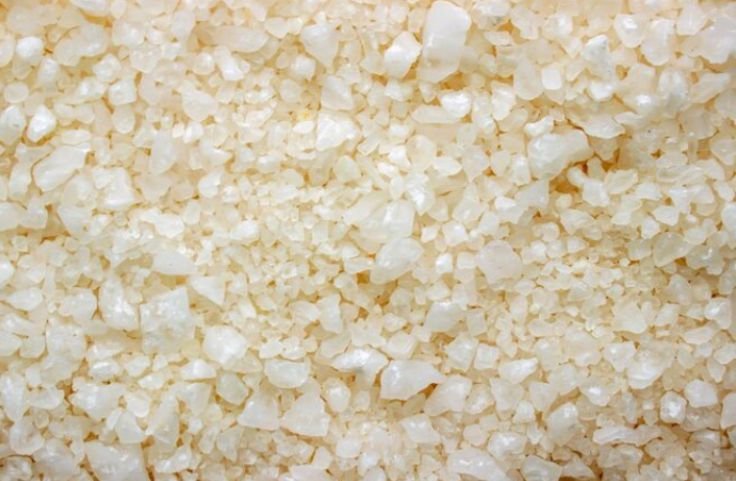
Cassava grits are coarse granules made from the cassava root, distinct from garri or cassava flakes, offering a gluten-free and mild-flavored base for cooking.
Their texture sets them apart from cassava flour and tapioca pearls, giving them a flexible role in both traditional and modern recipes.
Readers wanting the flour comparison should read our guides on cassava flour and cassava flour versus tapioca flour.
The Real Nutrition Range
Calorie density varies considerably by brand and processing method, not a fixed number as many sources suggest.
One dried cassava grits product lists 157 calories per 100 grams, according to nutritional data published by Tropical Sun.
A different commercial cassava grits product lists 339 calories per 100 grams instead, according to nutrition analysis published by Eat This Much.
Both are low in protein and fat, high in carbohydrates, and naturally gluten-free, a property confirmed in nutritional analysis published by FoodStruct.
Always check the specific product label rather than assuming a universal figure.
Types of Cassava Grits
Fine grits absorb water quickly for a soft, porridge-like consistency, working well in fufu or baking where tenderness matters most.
Medium grits hold slightly more structure, cooking into something similar to polenta that suits casseroles and side dishes.
Coarse grits take longer to cook and deliver a hearty, rustic texture suited to gluten-free savory cakes or thick side dishes.
How to Cook Cassava Grits
Use roughly 4 cups of water per cup of grits, adjusting slightly for thicker or lighter results depending on preference.
This mechanized approach mirrors techniques covered in our guide on modern cassava processing methods generally.
Add grits gradually to boiling water while stirring constantly to prevent lumps from forming.
Lower heat, cover, and simmer for 15 to 20 minutes, stirring occasionally until the texture turns smooth and neither watery nor dry.
Adjust consistency at the end with added water for thinner results or extra simmering time to thicken.
Culinary Uses and Flavor Pairings
Breakfast porridges work well with fruit, nuts, or warming spices like cinnamon stirred in after cooking.
Savory bowls pair naturally with poached eggs, sautéed greens, roasted vegetables, or legumes for a complete meal.
Coconut milk creates a genuinely smooth dessert base, especially when sweetened lightly and topped with toasted coconut flakes.
Soups and stews benefit from grits stirred in directly, since they thicken liquids while absorbing surrounding flavors well.
Health Considerations
Cassava grits are naturally gluten-free and generally easy to digest, making them suitable for people managing celiac disease or general gluten sensitivities.
Their mild fiber content supports digestion, though pairing them with protein and vegetables creates more balanced, complete meals overall.
Proper processing matters significantly for safety, since inadequately processed cassava products can retain harmful residual compounds, according to processing guidance from the Food and Agriculture Organization.
Readers wanting the complete safety picture should read our guide on removing cyanide from cassava root.
This matters even more for infants, whose smaller body size means less tolerance for any processing shortcuts.
Always choose grits from reputable, established brands, and consult a pediatrician directly before introducing any cassava product to an infant’s diet.
Buying and Storing
Check labels for 100 percent cassava with no additives, choosing established brands specializing in gluten-free products where possible.
Readers wanting the equipment behind commercial processing should read our processing equipment guide.
Inspect for a clean, neutral aroma and smooth texture, avoiding products showing discoloration, clumping, or unusual odors.
Store in airtight, opaque containers in a cool, dry space away from light and humidity, where grits stay usable for up to a year.
Cassava grits also freeze well without meaningfully affecting texture or flavor once thawed and cooked properly.
Common Mistakes to Avoid
- Too much liquid. Excess water makes grits runny and mushy, so add liquid gradually and adjust as needed.
- High heat. Cooking too fast leaves centers undercooked while exteriors overcook, so use medium to low heat instead.
- Skipping stirring. Irregular stirring creates lumps and uneven cooking, so stir consistently throughout the entire process.
- Wrong grind size. Fine grits suit creamy porridge while coarse grits hold structure better in hearty meals.
Conclusion
Cassava grits vary in calorie density depending on brand and processing, from around 157 to nearly 340 per 100 grams, so check labels rather than assuming a fixed number.
Fine grits suit porridge, medium grits work well in casseroles, and coarse grits hold up in hearty dishes.
Use roughly 4 cups of water per cup of grits, stir constantly, and simmer 15 to 20 minutes for a smooth result.
Infant feeding decisions deserve a pediatrician’s direct input first.
Frequently Asked Questions
Are cassava grits gluten-free?
Yes, cassava grits are naturally gluten-free, providing a genuinely excellent alternative for individuals managing celiac disease or gluten sensitivities across many different regular everyday recipes and their meals.
Do cassava grits contain allergens?
Cassava grits genuinely do not contain common allergens like wheat, dairy, or nuts, though you should always carefully check packaging for cross-contamination warnings prior to specifically consuming them.
Can I freeze cassava grits?
Yes, cassava grits can genuinely be frozen without affecting texture or flavor, so store specific portions safely in properly airtight containers for long-term use and maintained freshness overall.
How long do cassava grits take to cook?
Simmer cassava grits in water or broth for roughly 15 to 20 minutes, stirring occasionally and consistently to achieve a smooth, creamy, and genuinely evenly cooked result always.

Chimeremeze Emeh is a tropical crop farmer and chemical engineer from Ntigha, Isiala Ngwa North LGA, Abia State, Eastern Nigeria, specializing in cassava and palm oil, with over 30 years of hands-on experience growing, harvesting, and processing cassava. He grows TMS series, TME 419, and local traditional varieties on his own farms and operates a small-scale cassava flour and starch production business through Cassava Pathway, which he founded as a CAMA-registered agribusiness in 2024. He is also the founder of Palm Oil Pathway, where he applies the same tropical farming expertise. His farms are located in Ntigha, Abia State.