Last updated on August 5th, 2026 at 12:52 pm
Recipes disagree wildly on how much water instant tapioca pearls actually need, some call for four cups per cup of pearls, others insist on seven, a gap wide enough to genuinely ruin your own finished texture if you guess wrong.
Recipes and even other guides on this exact product disagree on basics like water ratios, sometimes by nearly double, which makes getting reliable numbers worth far more than another vague description.
This guide walks through the real production process, the actual ingredients involved, and cooking ratios backed by verifiable sources rather than repeated guesswork.
You will also get a direct comparison against regular tapioca pearls covering texture, taste, and shelf life, plus proper storage and reheating steps.
Readers wanting the broader pearl category, including sizing and troubleshooting across every single type, should read our main guide to tapioca pearls instead.
Table of Contents
What Are Instant Tapioca Pearls?
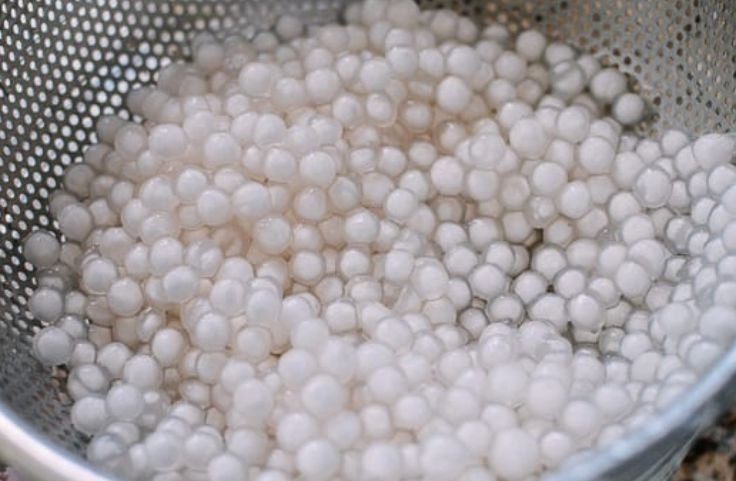
Instant tapioca pearls are precooked, dehydrated spheres made from cassava starch that soften into a chewy texture within minutes of boiling.
This distinguishes them clearly from instant tapioca, which comes in fine granulated form for thickening desserts and sauces rather than as a standalone chewable ingredient.
Readers wanting the broader pearl category, including sizing and troubleshooting, should read our main guide on tapioca pearls.
The general tapioca guide covers the entire product family in more depth.
Readers wanting the full comparison between these two distinct products should read our guide on instant tapioca vs tapioca.
The Science Behind Instant Pearls
Instant tapioca pearls rely on pregelatinized starch, a form that has already been cooked and dried once during manufacturing.
This makes it disperse and swell quickly during a second, shorter cook.
This process is what allows the starch to soften rapidly in hot water without the long boiling regular pearls require.
This claim is confirmed directly by industry documentation on pregelatinized tapioca starch.
Modified starches and gums added during production can further affect cooking loss and water absorption in finished pearls, according to peer-reviewed research published in ScienceDirect.
Ingredients
- Cassava starch. The refined base ingredient, stripped of fiber and impurities to form smooth, uniform spheres. Cassava starch is naturally gluten-free, a property confirmed in nutritional analysis published by FoodStruct.
- Water. Creates a pliable dough and supports gelatinization, giving the pearls their springy, cohesive texture.
- Sweeteners. Sugar or glucose syrup, when added, provide mild sweetness and help retain moisture after drying.
- Coloring agents. Natural extracts or caramel create the classic white, brown, or black pearl varieties sold commercially.
How Instant Tapioca Pearls Are Made
- Starch extraction. Washed, peeled, grated cassava is mixed with water, and the starch separates from the fibrous material.
- Dough formation. Refined starch is kneaded into dough and rolled into small, uniform balls before cooking begins.
- Pre-cooking. Pearls are briefly steamed or boiled, locking in their round form and creating the signature chewy bite.
- Dehydration. Hot air or vacuum drying removes moisture, extending shelf life while preserving quick rehydration later.
- Packaging. Sorted, sealed batches protect the pearls from humidity and contamination before reaching your kitchen.
Cooking Instant Tapioca Pearls Correctly
Use a genuine minimum of 4 cups of water per cup of instant pearls, not the far higher ratios some sources recommend.
This specific figure comes directly from real cooking guidance published by EasyCleanCook.
Bring water to a full boil before adding pearls, then stir immediately to prevent clumping.
Cook for 5 to 10 minutes until pearls turn translucent with a small white core remaining visible.
Drain through a fine-mesh strainer and rinse under cold water to stop cooking and remove excess surface starch.
Instant vs. Regular Tapioca Pearls
| Factor | Instant Pearls | Regular Pearls |
|---|---|---|
| Cooking time | 5 to 10 minutes | Up to 60 minutes |
| Texture | Softer, less chewy | Firmer, denser bite |
| Flavor absorption | Lighter, quicker | Deeper, more pronounced |
| Shelf life | Long, precooked and dried | Shorter, more moisture-sensitive |
Readers wanting a full recipe for making pearls from scratch should read our guide on making boba tapioca pearls at home.
Those troubleshooting texture problems should read our guide on troubleshooting tapioca balls.
What Instant Tapioca Pearls Are Used For
Bubble tea remains the signature use, with cooked pearls mixed directly into sweetened tea and milk for that familiar chewy contrast.
Tapioca pudding comes together quickly when pearls are boiled with milk, sugar, and flavorings like vanilla or chocolate.
Traditional Asian desserts, including tong sui, use pearls simmered in sweet coconut broth for a soft, comforting texture.
Readers wanting more recipe ideas should read our guide on tapioca pearl recipes.
Storage and Reheating
Store unopened packages in a cool, dry place away from moisture, where they stay usable for up to a year.
Once opened, transfer pearls to an airtight container to preserve texture and extend usable shelf life.
Refrigerate cooked leftovers in a sealed container for up to four days, though fresh pearls always taste best.
Reheat gently by simmering in warm water or microwaving briefly with added water, stirring to prevent sticking.
Conclusion
Instant tapioca pearls earn their place for speed: precooked and dehydrated, they turn chewy and ready in five to ten minutes.
Keep them distinct from instant tapioca, the granulated thickener, and from regular pearls, which demand a full hour but reward you with a firmer bite.
Get the water ratio right, closer to four cups per cup than the seven some sources claim.
Store unopened packages up to a year and cooked leftovers up to four days refrigerated.
Frequently Asked Questions
What is the difference between instant and regular tapioca pearls?
Instant tapioca pearls are precooked and dehydrated, cooking in five to ten minutes, while regular tapioca pearls are raw and require longer boiling, typically thirty to sixty minutes.
How long do cooked instant tapioca pearls last?
Cooked instant tapioca pearls stay fresh for roughly three to four days when refrigerated in a sealed, airtight container, and they always genuinely taste best when freshly made.
Can I reheat instant tapioca pearls?
Yes, you can reheat them by simmering gently in warm water or microwaving with a bit of water to restore their original soft, genuinely chewy texture each time.
Are instant tapioca pearls gluten-free?
Yes, instant tapioca pearls are naturally gluten-free since they’re made entirely from cassava starch, making them a genuinely suitable option for people with gluten sensitivities or celiac disease.

Chimeremeze Emeh is a tropical crop farmer and chemical engineer from Ntigha, Isiala Ngwa North LGA, Abia State, Eastern Nigeria, specializing in cassava and palm oil, with over 30 years of hands-on experience growing, harvesting, and processing cassava. He grows TMS series, TME 419, and local traditional varieties on his own farms and operates a small-scale cassava flour and starch production business through Cassava Pathway, which he founded as a CAMA-registered agribusiness in 2024. He is also the founder of Palm Oil Pathway, where he applies the same tropical farming expertise. His farms are located in Ntigha, Abia State.