Last updated on July 9th, 2026 at 08:28 pm
Tortillas were never part of Nigerian cooking where I farm, but curiosity about cassava’s possibilities pushed me to test all three versions, tapioca, flour, and whole root, and each behaves so differently that calling them one dish barely makes sense.
Three tortillas share the name – cassava tortilla, yet they come from completely different starting points on the same root.
Whole-root tortillas use boiled, mashed cassava, keeping natural fiber intact throughout the dough.
Cassava flour tortillas use dried, milled root, producing a firmer texture closer to wheat tortillas.
Tapioca tortillas use pure starch instead, giving a soft, chewy bite with almost no fiber left.
I didn’t know about these wraps until I started writing about cassava and researching, and cassava swept me off my feet further.
Now, I make any of them that catch my fancy with the abundant cassava we harvest every other month.
I tested all three anyway, since cassava always sits in abundance on my farm.
Disclaimer: This article is for informational purposes only and does not constitute medical advice. The author is not a medical doctor or registered dietitian. Always consult a qualified healthcare provider before making dietary or medical decisions related to cassava consumption.
Table of Contents
What Are Cassava Tortillas?
Cassava tortillas are gluten-free, grain-free flatbreads made from cassava root, prepared in three distinct ways before they reach a hot pan.
Whole Root Cassava Tortillas
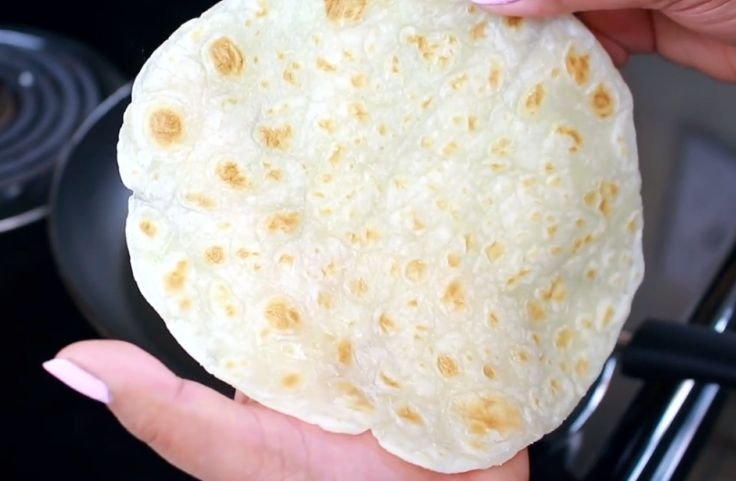
Whole-root cassava tortillas use boiled, peeled cassava mashed directly into dough, with no added flour or starch, which keeps more of the root’s natural fiber intact and gives the finished tortilla a soft, rustic, slightly dense texture.
Cassava Flour Tortillas
Cassava flour tortillas use dried, milled cassava root flour mixed with water, salt, and a little oil into a simple dough, producing a firmer, thinner tortilla that feels closer to a traditional wheat tortilla in both texture and bite.
Tapioca Tortillas
Tapioca tortillas use pure tapioca starch, extracted from the same root, gelatinized with hot liquid into a soft, chewy dough that turns slightly translucent once cooked, giving the most pliable, stretchy bend of all three tortilla types.
Cassava contains zero gluten in any of its three forms, a point covered fully in our cassava gluten guide.
How Cassava Whole Root, Cassava Flour, and Tapioca Tortillas Differ
These three tortilla forms come from the same root, but they differ in many ways. Here is a tabulated differences between the three:
| Trait | Whole-Root | Cassava Flour | Tapioca |
|---|---|---|---|
| Dough behavior | Wet and mashed, needs gentle handling and dries out fast if left uncovered | Dry and crumbly at first, firms into a workable dough that tolerates kneading well | Hot and sticky at first, turns smooth and elastic only once fully kneaded |
| Structure | Soft and slightly dense, with visible fiber giving it body and some bite | Firm and thin, structurally the closest of the three to a wheat tortilla | Soft and glassy, with almost no internal structure beyond the starch itself |
| Taste | Mild and earthy, close to the flavor of boiled cassava itself | Neutral and mild, slightly nuttier than the whole-root version | Nearly flavorless, taking on whatever seasoning or filling surrounds it |
| Flexibility | Bends well but can crack at the folds if rolled too thin | Bends reliably but is firmer and less forgiving under heavy fillings | The most pliable of the three, stretching well without tearing |
| Cooking behavior | Browns slowly on the pan and holds moisture, staying soft after cooking | Puffs slightly and browns fairly quickly on a hot skillet | Turns translucent rather than browning, and cooks faster than the other two |
Whole-Root Cassava Tortillas Recipe
Whole-root tortillas keep the closest connection to cassava as it grows, since nothing is added except salt and water.
Ingredients
- 2 medium cassava roots, peeled
- Water, enough to cover the roots while boiling
- 1/2 teaspoon salt
- 1 teaspoon oil, optional, for smoother kneading
Kitchen tools
- Knife, for peeling and cutting
- Large pot, for boiling
- Masher, for mashing the boiled root
- Flat surface, for kneading
- Rolling pin, for flattening
- Skillet or griddle, for cooking
Step-by-step Guide to Make Cassava Tortillas
Step 1: Peel and Cut the Cassava
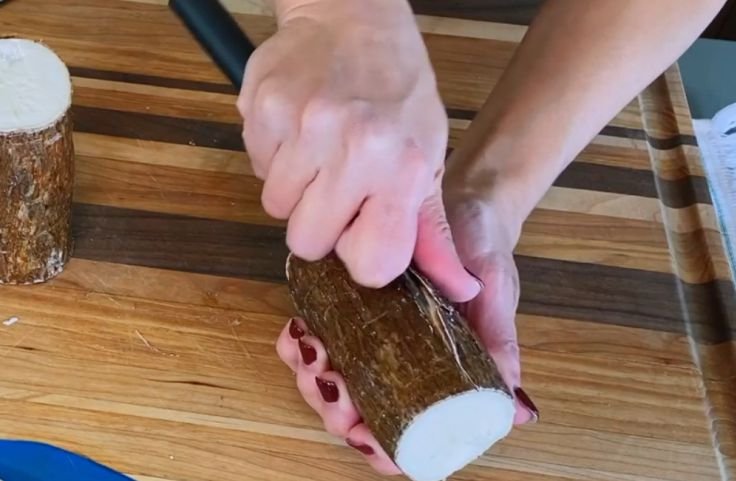
Start with fresh cassava root. Use a sturdy knife to remove the thick outer skin until only the white flesh remains.
Cut the peeled cassava into smaller pieces so they cook evenly. Smaller chunks also make it easier to mash later.
Take your time while peeling to avoid leaving behind tough layers, as these can affect the final texture of your tortillas.
Step 2: Boil the Cassava
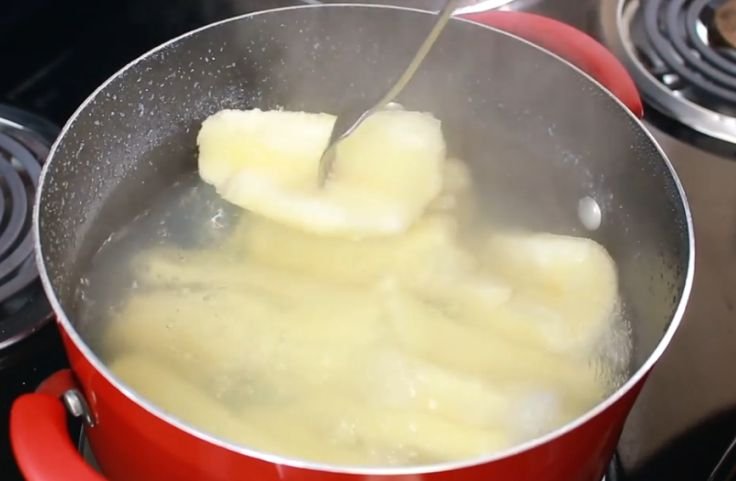
Place the cassava pieces into a medium or large pot and cover them with water as shown in the photo. See how to boil cassava roots.
Bring the pot to a boil and cook the cassava for about 20 to 30 minutes, until fork-tender.
Step 3: Mash into Dough
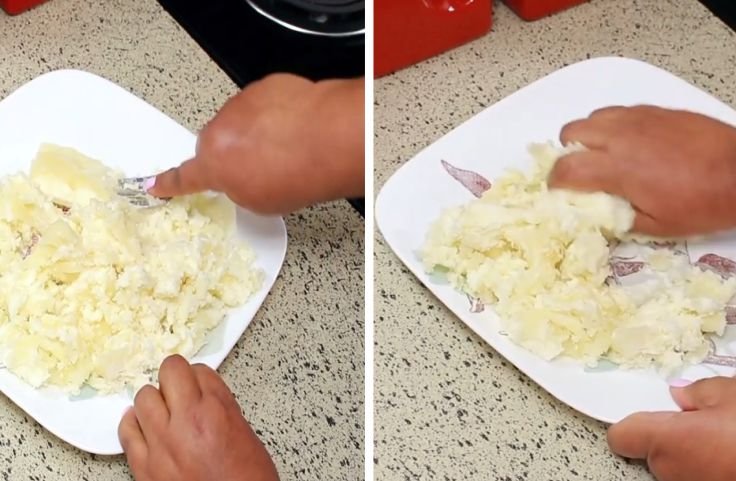
Use a masher to crush the cassava into a smooth dough, working out any lumps.
Add a pinch of salt for flavor. If the mixture feels too dry, sprinkle in a little warm water to adjust the consistency.
The goal is soft, pliable dough that kneads easily without sticking too much to your hands.
Step 4: Knead on a Slab Top
Transfer the mashed cassava onto a clean slab top as seen above. Knead it with your hands until smooth and evenly textured.
This step gives structure to the dough and makes rolling easier.
If the dough feels sticky, lightly oil your hands instead of adding too much water.
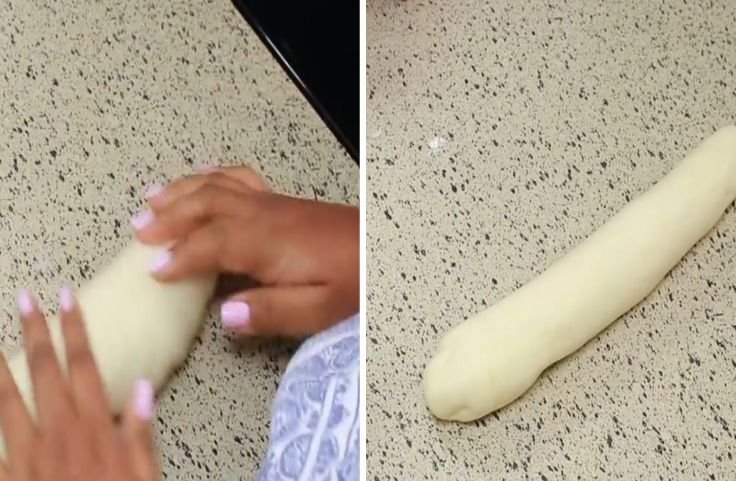
Kneading on a flat surface ensures the tortillas cook evenly and stay flexible once they leave the pan.
Step 5: Shape and Flatten the Dough
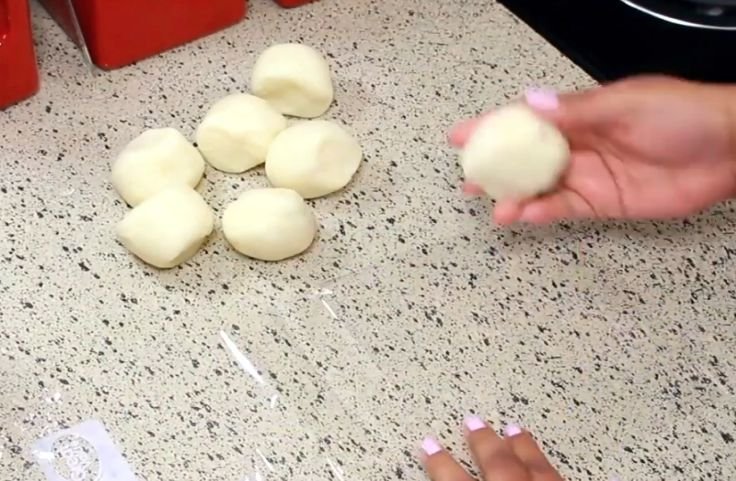
Divide the dough into small balls, each about the size of a golf ball. Place one ball inside a cut-open plastic bag to prevent sticking.
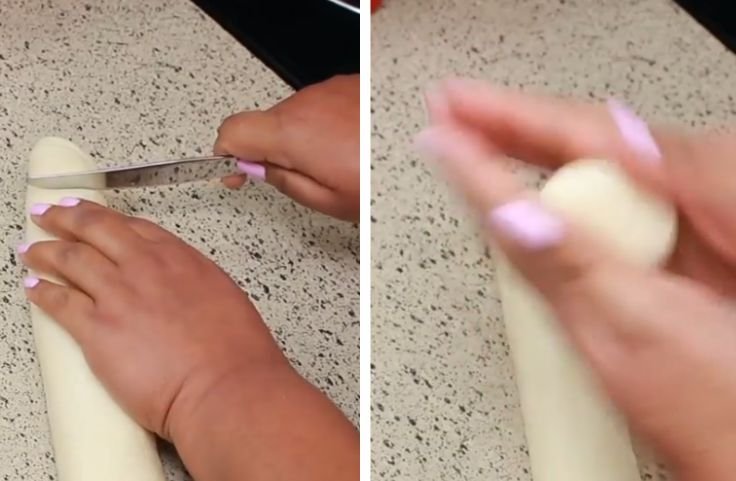
Use a roller to flatten it into a thin, round disc about 1/8 inch thick.
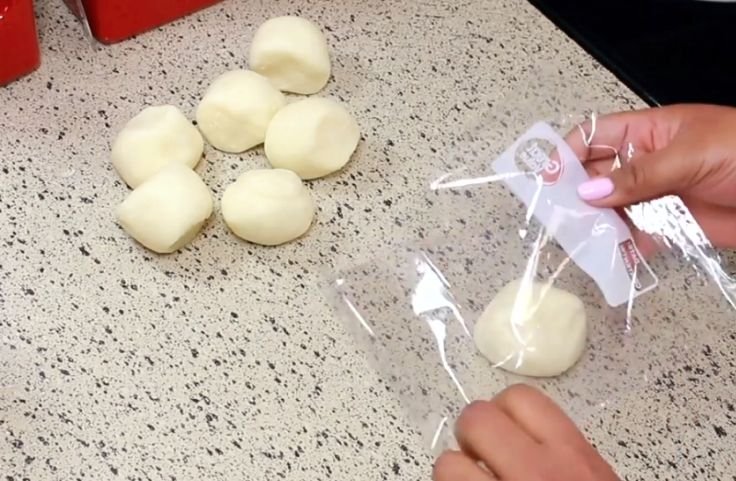
Rolling tortillas inside plastic keeps the surface smooth and makes transferring tortillas to the pan simple without tearing or wasting dough.
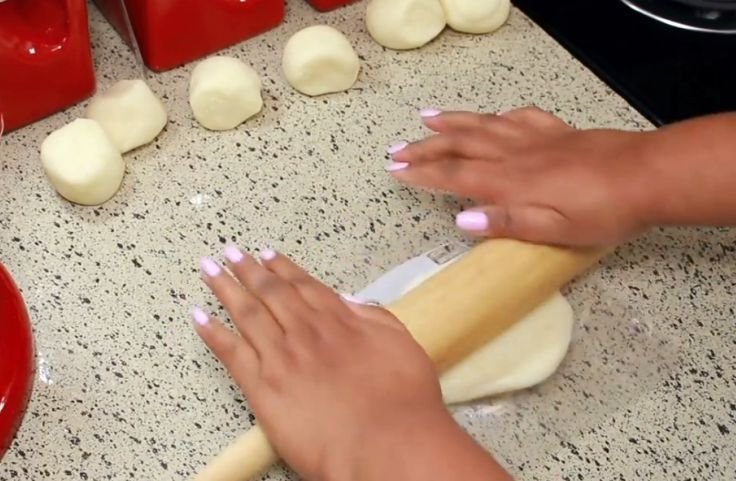
Step 6: Cook the Tortillas
Heat a flat pan or skillet over medium heat until hot. Place a flattened tortilla on the surface and cook for two to three minutes on each side.
The tortilla should begin to brown slightly and form small bubbles. Use a spatula to flip carefully.
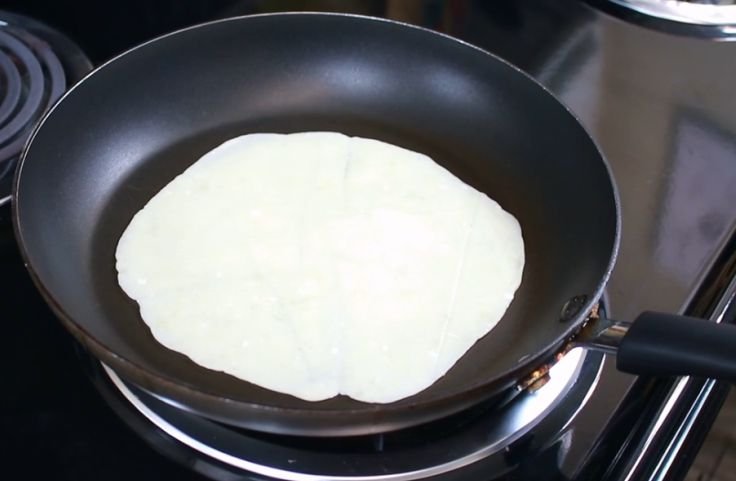
A heavy-bottomed pan works best to distribute heat evenly and avoid burning while bringing out cassava’s natural flavor.
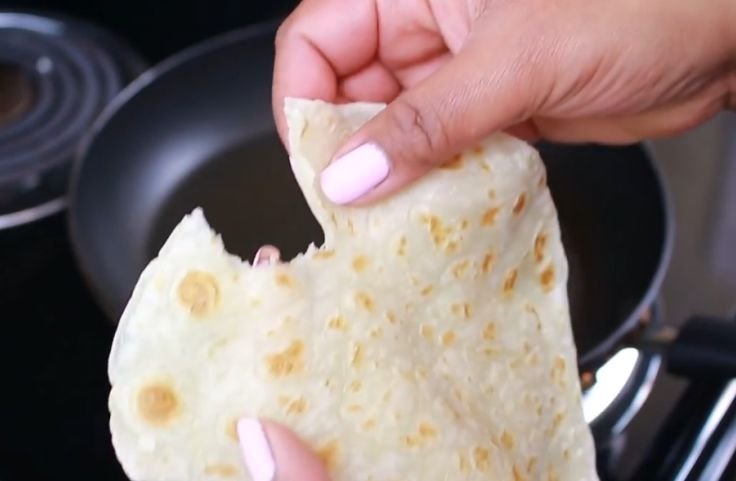
Step 7: Keep Them Warm
As you finish cooking, stack the tortillas on a plate and cover them with a clean cloth to keep them warm.
This prevents them from drying out and keeps them flexible for wrapping.
Warm tortillas are easier to fold around fillings without cracking.
Once ready, serve your cassava tortillas with tacos, wraps, or any dish you enjoy, straight from your kitchen.
These figures vary by tortilla size and thickness and are cross-checked against USDA FoodData Central values for cassava root and cassava flour. Neither version delivers meaningful protein on its own, so pairing either tortilla with eggs, beans, or meat rounds out the meal.
Cassava Flour Tortillas Recipe
Cassava flour tortillas trade a little rustic texture for convenience and consistency.
Our full cassava flour guide explains how this flour is milled before it ever reaches your kitchen.
Ingredients
- 1 cup cassava flour
- 1/2 teaspoon sea salt
- 1/2 teaspoon baking powder
- 1 tablespoon olive oil
- 3/4 cup warm water
How to Make Cassava Flour Tortillas
- Combine the cassava flour, sea salt, and baking powder in a large mixing bowl. Mix well to ensure the ingredients are evenly distributed.
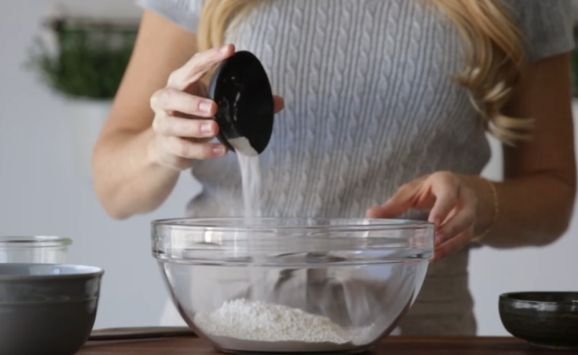
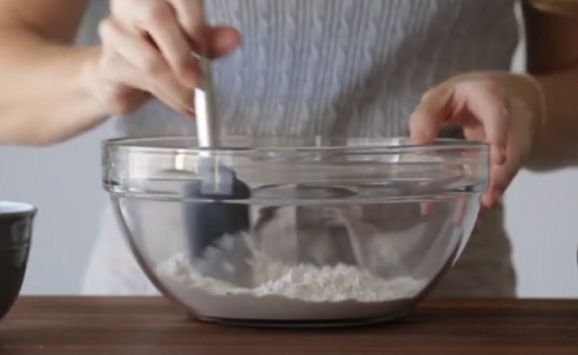
- Add the olive oil to the dry mixture and mix thoroughly until the texture resembles coarse crumbs.
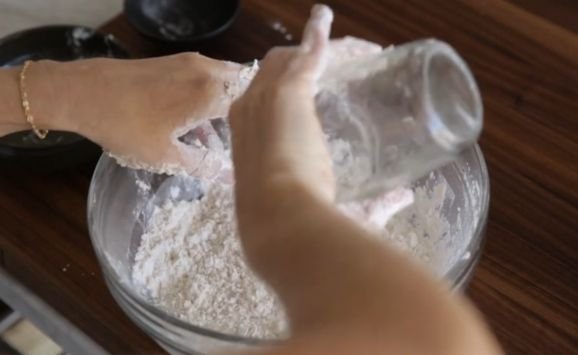
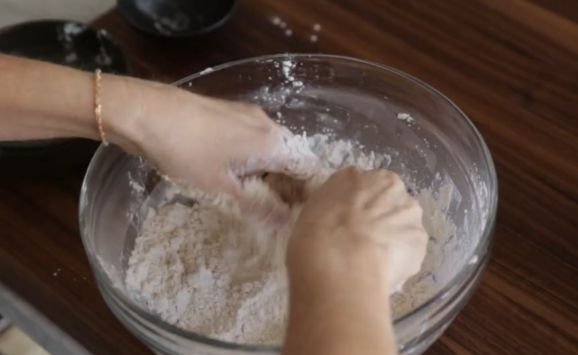
- Gradually add warm water to the mixture, stirring continuously. Continue to mix, preferably with your hands. The entire mix will be sticky initially but continue until it forms a dough and the flour has absorbed the water. The dough should be smooth and pliable but not overly sticky. If it feels too dry, add a bit more water; if too sticky, add a small amount of cassava flour.
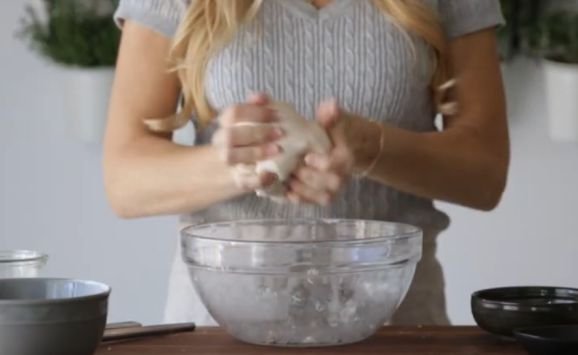
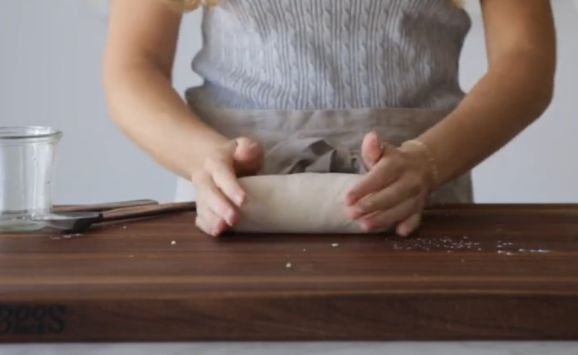
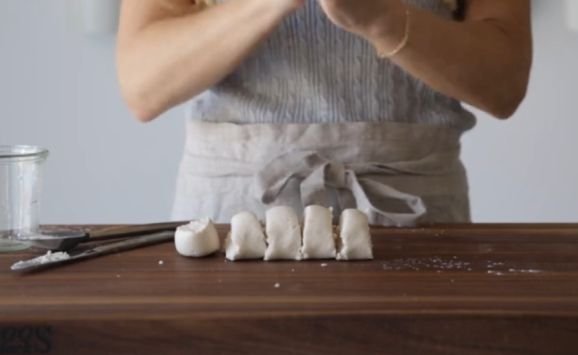
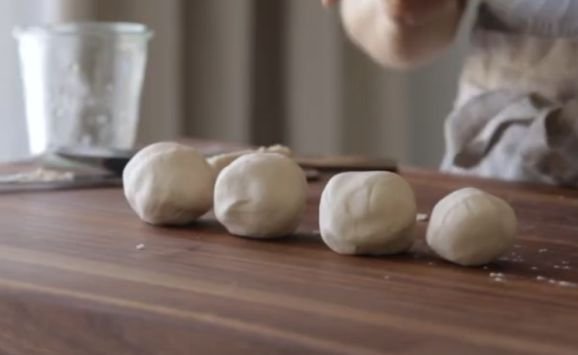
- Form the thought into a log-shaped shape. Divide the dough into 6-8 equal portions and roll them into balls with your palm, as you can see in the photo. Cover the dough balls with a damp cloth to prevent drying.
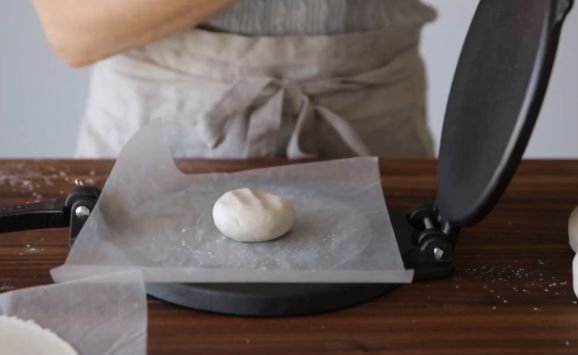
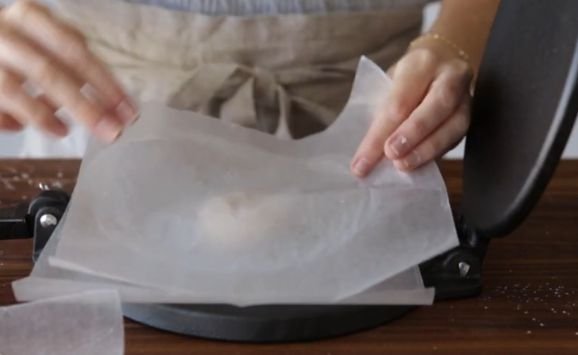
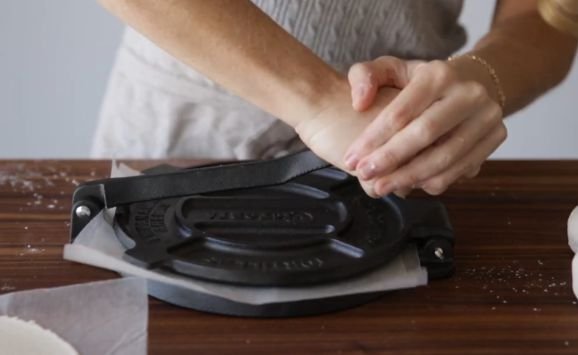
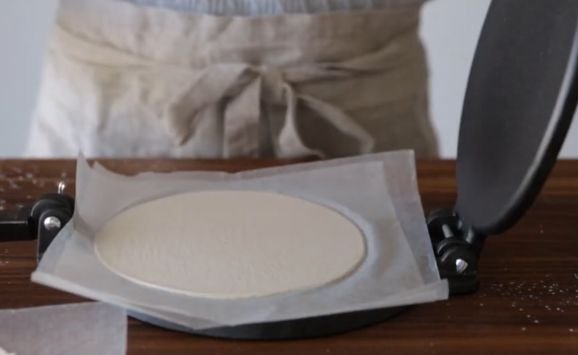
- Lightly flour your work surface with cassava flour. Using a rolling pin, roll each dough ball into a thin, round tortilla, about 1/8 inch thick. If the dough cracks, wet your hands slightly to help smooth it out. Alternatively, you can use the dough flattening equipment to flatten the dough as seen in the photo.
- Preheat a non-stick skillet or griddle over medium-high heat. Place one tortilla on the hot skillet and cook for about 1-2 minutes on each side, or until the tortilla begins to brown and puff up slightly. Repeat with the remaining tortillas.
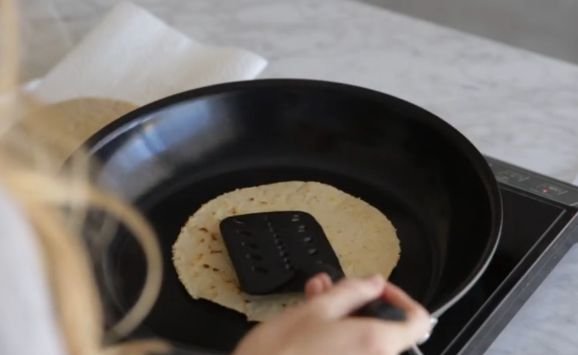
That is it, your cassava flour tortillas are ready.
Tips for Best Results
For added flavor, incorporate spices or herbs into the dough, such as cumin, garlic powder, or chopped cilantro.
Ensure the skillet is adequately heated before cooking the tortillas to achieve a perfect texture.
If the dough is sticky, lightly dust your hands and rolling pin with cassava flour.
To prevent the tortillas from cracking, make sure the dough is not too dry and be gentle when rolling out.
Troubleshooting Common Issues
If the dough is too sticky: Add a little more cassava flour, a tablespoon at a time, until the desired consistency is achieved.
If the dough is too dry and cracking, add a small amount of water, a teaspoon at a time, until it becomes smooth and pliable.
With this simple guide, making cassava flour tortillas at home is both easy and rewarding.
Tapioca Tortillas Recipe
Tapioca tortillas behave the least like the other two, since hot water gelatinizes the starch almost instantly into an elastic dough.
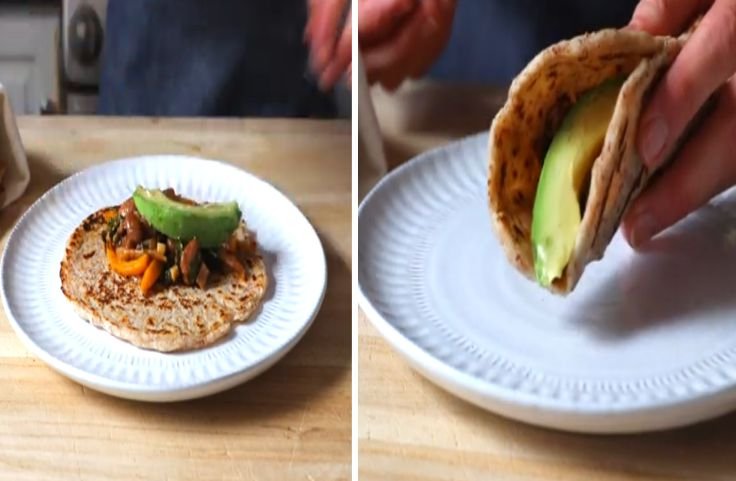
Our guide to how tapioca starch and flour are made explains the extraction process behind this ingredient.
Ingredients:
- 2 cups tapioca starch
- 1 cup hot water, just boiled
- 1/4 teaspoon salt
- 1 teaspoon neutral oil, such as avocado or sunflower
- 1 teaspoon psyllium husk, optional, for extra elasticity
Step-by-step method:
- Combine the tapioca starch and salt in a heatproof mixing bowl
- Pour in the hot water gradually, stirring constantly until a shaggy dough forms
- Add the oil and psyllium husk, if using, then knead until smooth and elastic
- Rest the dough for five minutes under a damp cloth
- Divide the dough into small portions and roll each into a thin, round tortilla
- Heat a non-stick skillet over medium heat with no added oil
- Cook each tortilla for about one minute per side, until it turns slightly translucent and fully cooked
- Stack cooked tortillas under a cloth, since tapioca tortillas dry out faster than the other two versions
Ways to Use Homemade Cassava Tortillas
- Tacos: hold grilled chicken, sautéed vegetables, or fish without breaking apart
- Breakfast wraps: fill with scrambled eggs, spinach, and cheese for a portable morning meal
- Quesadillas: melt cheese between two tortillas with beans or roasted vegetables
- Tortilla chips: cut leftover tortillas into wedges, then bake or fry until crisp, covered fully in our cassava tortilla chips guide
- Sandwich wraps: roll around turkey, hummus, or roasted vegetables for a warm, pliable lunch
Regional Cousins Worth Knowing
Latin America has its own long tradition of cassava-based flatbreads, distinct from the tortillas in this guide. Casabe, from Venezuela and the wider Caribbean, presses grated cassava into a flat, cracker-like bread rather than a soft wrap. Salvadoran pupusas use corn dough instead, but a common filling mixes mashed cassava with pork, showing how far this root travels beyond its origin. Our manioc foods of Latin America guide covers casabe, pupusas, and other regional dishes built around this root.
Are Cassava Tortillas Healthy?
All three types are gluten-free, but their nutrition is not identical. Here’s the quick version:
- Gluten-free: all three meet FDA standards of under 20 parts per million of gluten
- Protein: low across the board, roughly 1 gram per tortilla, so pair with eggs, beans, or meat
- Fiber: whole-root tortillas carry the most, cassava flour tortillas carry a moderate amount, and tapioca tortillas carry the least, since starch extraction strips fiber out
- Micronutrients: cassava flour tortillas add small amounts of vitamin B6, folate, and magnesium, according to USDA FoodData Central reference values
- A real-world example: Siete Foods’ commercial cassava flour tortilla lists 120 calories, 23 grams of carbohydrate, 5 grams of fiber, and 1 gram of protein per two-tortilla serving, giving a concrete sense of scale beyond generic figures
Storage and Reheating
Let cooked tortillas of any type cool completely before stacking them with parchment paper between each piece.
Store the stack in an airtight container in the refrigerator for up to a week.
For longer storage, freeze for up to three months using the same parchment method, pressing out excess air from the bag.
Reheat directly from the fridge or freezer on a hot skillet for about thirty seconds per side, which restores both texture and flavor better than a microwave.
A damp paper towel and short microwave bursts work in a pinch, though the tortilla can turn slightly rubbery.
Cassava Tortillas vs Other Gluten-Free Tortillas
Cassava tortillas feel softer and bend more easily than corn tortillas, which can tear if handled roughly.
Corn brings a strong, earthy flavor that limits filling choices, while cassava stays neutral so toppings shine.
Almond flour tortillas carry a nutty taste and can crumble under heavier fillings, something cassava tortillas generally avoid.
Rice tortillas tend toward being sticky and falling apart with larger portions, while any of the three cassava versions fold and hold together more reliably.
Cassava tortillas also fit neatly into paleo and grain-free eating, covered further in our cassava paleo recipes guide.
Turning Cassava Tortillas into Chips
Leftover or day-old tortillas make an easy second snack, since stale tortillas actually crisp up better than fresh ones.
Whole-root and cassava flour tortillas both hold up well for chips, but tapioca tortillas turn brittle rather than crunchy once fried, so this method sticks to the other two.
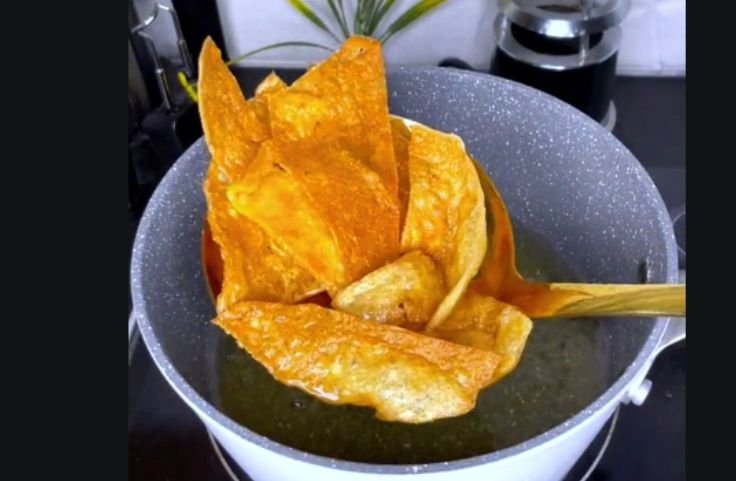
Whole-Root Cassava Tortilla Chips
Ingredients:
- 4 whole-root cassava tortillas, freshly made or a day old
- 2 tablespoons oil, for frying, or 1 tablespoon for brushing if baking
- Salt or seasoning of choice, such as chili lime, garlic herb, or cinnamon sugar
Step-by-step method:
- Cut the tortillas into even triangles or wedges with a sharp knife
- Heat oil in a frying pan over medium heat until hot but not smoking
- Fry the wedges in batches for one to two minutes per side, until golden and crisp
- Transfer to a paper towel to drain excess oil
- Alternatively, arrange the wedges on a parchment-lined baking sheet, brush lightly with oil, and bake at 190 degrees Celsius (375°F) for 8 to 10 minutes, flipping once halfway through
- Season immediately while still warm, then cool completely before serving or storing
Cassava Flour Tortilla Chips
Ingredients:
- 4 cassava flour tortillas, freshly made or a day old
- 2 tablespoons oil, for frying, or 1 tablespoon for brushing if baking
- Salt or seasoning of choice
Step-by-step method:
- Cut the tortillas into even triangles or wedges
- Heat oil in a skillet over medium heat until hot
- Fry the wedges for one to two minutes per side, until golden and crisp
- Drain on a paper towel, then season while the chips are still warm
- For baking, arrange the wedges on a parchment-lined sheet, brush with oil, and bake at 190 degrees Celsius (375°F) for 8 to 10 minutes, flipping once halfway through
- Cool completely before storing in an airtight container
Seasoning Ideas Worth Trying
- Classic sea salt: a light sprinkle highlights the natural flavor of cassava without overpowering it
- Chili lime: chili powder, lime zest, and salt for a bright, spicy coating
- Garlic herb: garlic powder with dried oregano and parsley for a savory, aromatic finish
- Cinnamon sugar: granulated sugar and ground cinnamon for a dessert-style version of the chip
Store finished chips in an airtight container at room temperature for up to two weeks, or freeze in a resealable bag for up to three months.
A brief reheat in the oven restores crispness after free
Conclusion
Cassava tortillas prove one root can become three distinct wraps, once boiling, milling, or starch extraction take separate paths.
The whole-root version rewards patience with a rustic, fiber-rich bite closest to tradition elsewhere in the world.
The flour version rewards convenience, giving a firmer, more familiar texture with less hands-on effort.
The starch version rewards precision, since hot water and careful kneading decide if the dough turns smooth or falls apart.
None of these belong to my community’s food history, but curiosity carried me through all three, so start cooking.
Frequently Asked Questions
What is the difference between whole-root, flour, and tapioca cassava tortillas?
Whole-root tortillas use boiled, mashed cassava and taste rustic, flour tortillas use milled root for a firmer bite, and tapioca tortillas use pure starch for a chewy wrap.
Are all three types of cassava tortillas gluten-free?
Yes, whole-root, flour, and tapioca cassava tortillas are all naturally gluten-free, since cassava itself contains no gluten, meeting FDA standards of less than twenty parts per million total.
Which cassava tortilla is best for tacos and wraps?
Whole-root and cassava flour tortillas hold up best for tacos and wraps, since both are sturdier than tapioca tortillas, which tear more easily once filled and folded tightly.
Can cassava tortillas be made ahead and frozen?
Yes, all three versions freeze well for up to three months when stacked with parchment paper between layers and sealed in an airtight container before reheating gently later.



Chimeremeze Emeh is a tropical crop farmer and chemical engineer from Ntigha, Isiala Ngwa North LGA, Abia State, Eastern Nigeria, specializing in cassava and palm oil, with over 30 years of hands-on experience growing, harvesting, and processing cassava. He grows TMS series, TME 419, and local traditional varieties on his own farms and operates a small-scale cassava flour and starch production business through Cassava Pathway, which he founded as a CAMA-registered agribusiness in 2024. He is also the founder of Palm Oil Pathway, where he applies the same tropical farming expertise. His farms are located in Ntigha, Abia State.