Is Cassava Good for You?
We hear a lot of complimentary things about cassava plant and its health benefits, including being gluten-free. But is cassava good for you?
Cassava – manihot esculenta and its value chain
We hear a lot of complimentary things about cassava plant and its health benefits, including being gluten-free. But is cassava good for you?
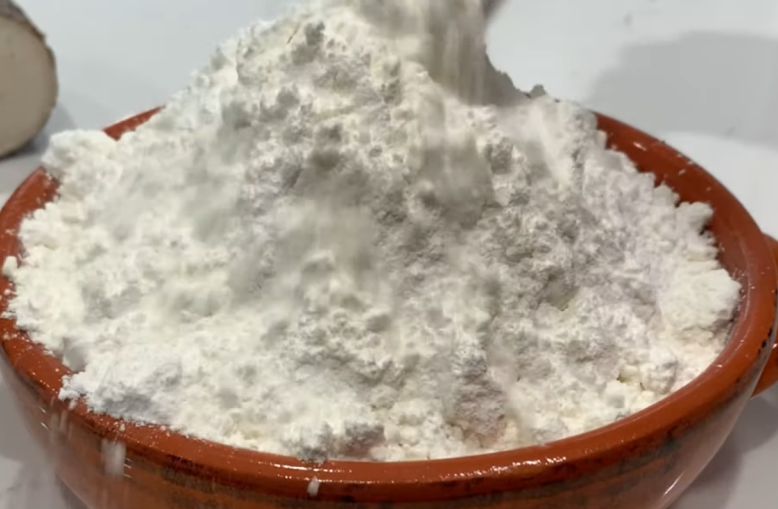
I learned how to make cassava flour with nothing more than a blender and my own backyard tubers. That surprise sent me down a path of testing every method, from a simple mat in the sun to industrial flash dryers.
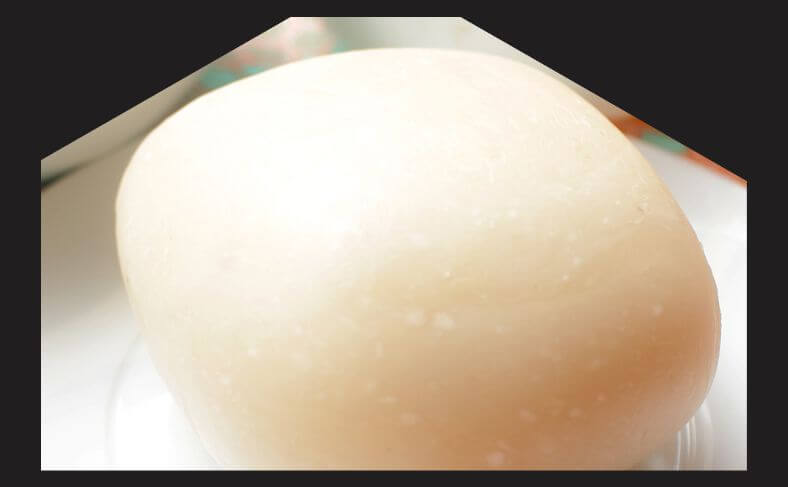
On my family farm in Ntigha, Abia State, we still soak cassava roots for days to make fufu the traditional way, choosing between peeled and unpeeled fermentation depending on how strong we want the aroma to turn out each time.
I have milled cassava into flour on my own small operation in Ntigha for years. Ask ten different websites what this whole-root flour actually is, and you will get ten different half-answers, so here is the complete, accurate picture.
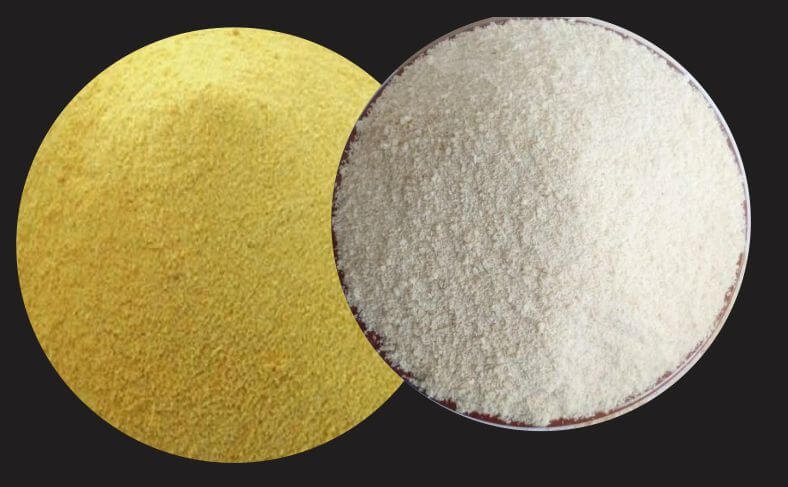
Every dry season, my family turns baskets of freshly dug cassava roots into crunchy garri flakes, the same way my grandparents did decades ago on our Ntigha farmland in Abia State, using fermentation, pressing, and open-fire roasting passed down generations.
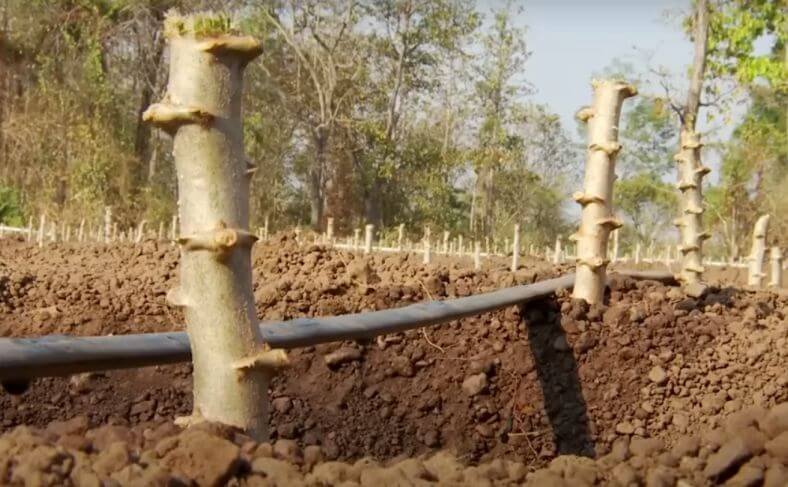
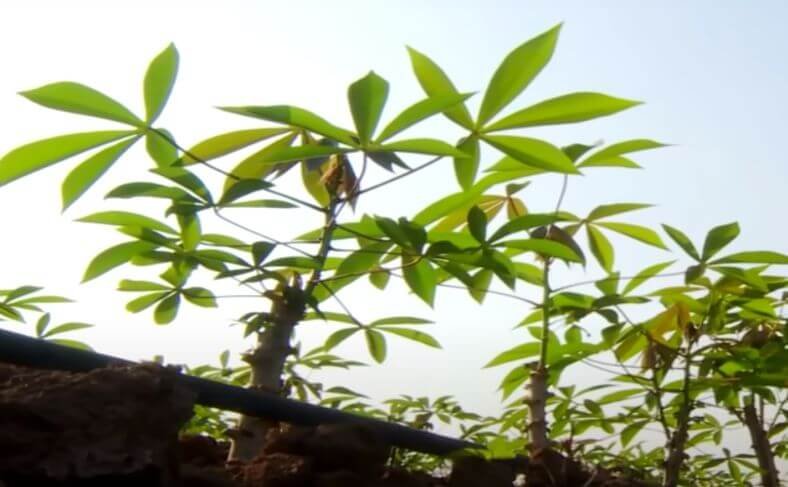
Cassava forgives a lot of mistakes, but poor soil preparation and careless planting are not among them. Get the soil and the cutting placement right, and the rest of the season gets much easier.
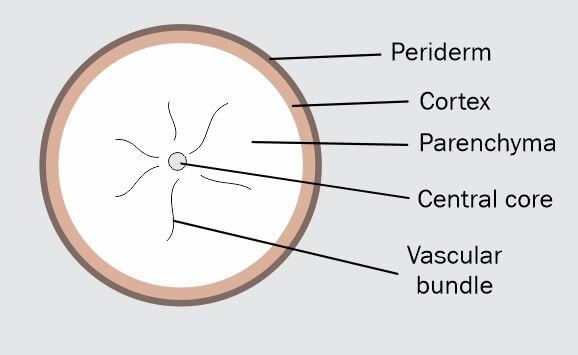
Cut open a cassava root and you will find five distinct layers, not one solid mass. From the tough periderm skin to the fibrous central core, each part plays a specific role in how the plant stores energy safely underground.
I farm cassava on my land in Abia State, Nigeria, the same crop Tupi women in pre-Columbian Brazil processed by hand centuries before Portuguese ships ever reached West Africa.
One root feeds an entire continent under three different names, cassava, yuca, and mandioca, and each country presses, ferments, fries, or bakes it into something that tastes nothing like its neighbor, yet all trace back to the same starchy tuber.
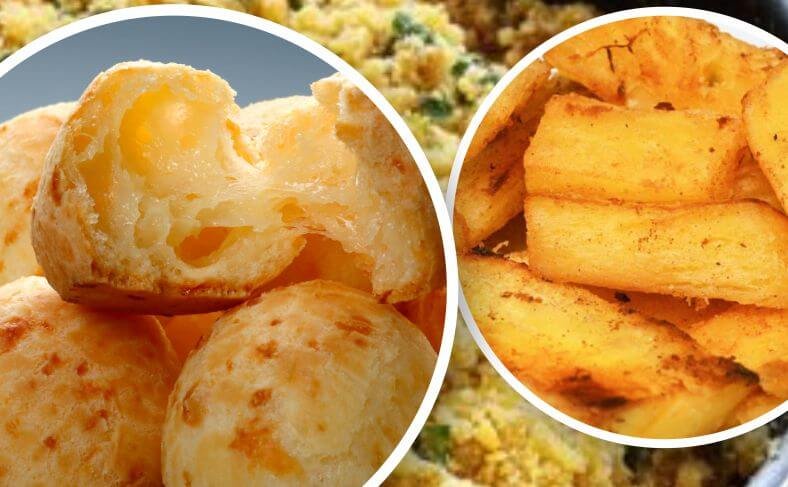
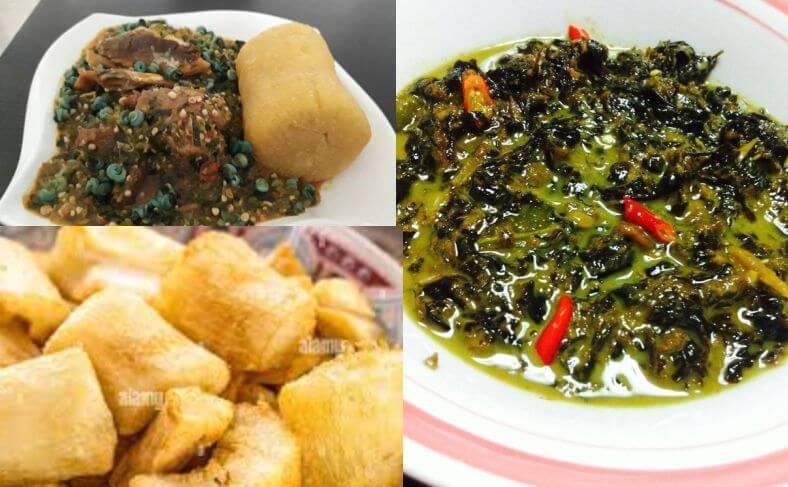
Cassava-based foods are woven into daily meals and cultural traditions across five continents, not just a survival crop. From West African markets to Filipino festivals, manioc root takes on a different identity depending on where it grows, shaped by history, climate, and local taste as much as by the plant itself.