Cassava Root Side Effects and Warnings
Cassava root side effects can range from mild to dangerous if not prepared properly. Know the risks, signs, and safety tips before adding it to your diet.
Cassava – manihot esculenta and its value chain
Cassava basics is the central collection of foundational cassava articles that break down the cassava plant into clear, focused topics.
This hub organizes essential posts that go beyond a general overview of cassava, serving as a structured reference point for deeper learning.
Within this category, you will find individual articles covering cassava plant structure, its origin and early domestication, and its spread across different regions.
It also includes a detailed breakdown of the following:
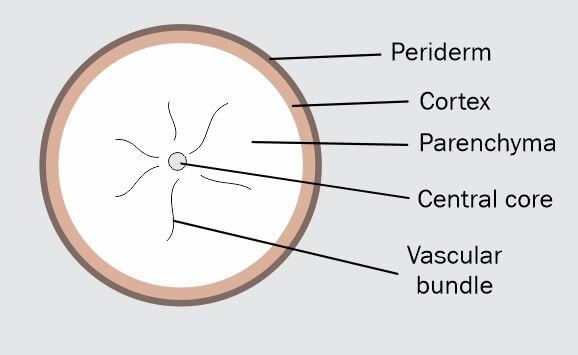
Cassava roots: The underground storage organs that store starch and energy, supporting overall plant growth and development.
Cassava stems: Which provide structural support, transport nutrients and water, and are used for vegetative propagation.
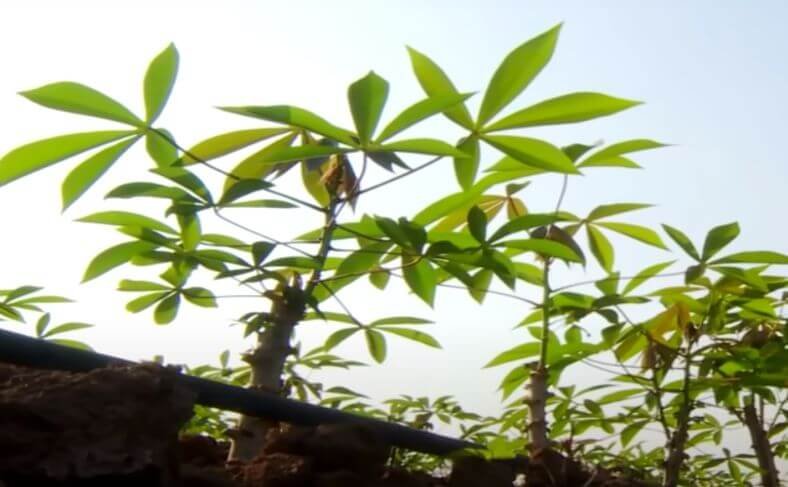
Cassava leaves: Which drive photosynthesis to produce food for the plant and are sometimes used as edible greens.
Other posts explore basic botanical facts, classification, and the natural characteristics that define cassava as a staple crop.
Unlike the main cassava pillar page, which provides a broad introduction, Cassava Basics focuses on segmented, easy-to-read entries that help readers understand cassava step by step.
Each article stands alone while contributing to a complete foundational understanding when read together.
This category acts as a structured knowledge base for anyone who wants to understand cassava from the ground up before moving into more advanced topics like farming practices, processing methods, nutritional applications, or market systems.
Cassava Basics brings all introductory cassava knowledge into one organized place for easy navigation and consistent learning flow.
Cassava root side effects can range from mild to dangerous if not prepared properly. Know the risks, signs, and safety tips before adding it to your diet.
Cassava root vs maca root, how do they compare? When it comes to root vegetables, cassava and maca stand out for their unique nutritional profiles and health benefits. While both are plant-based and widely consumed, they differ significantly in their origin, composition, and applications.
Unlock 34 amazing cassava root benefits, fuel your body, support digestion, and boost vitality with this powerhouse ingredient. A natural way to elevate your health!
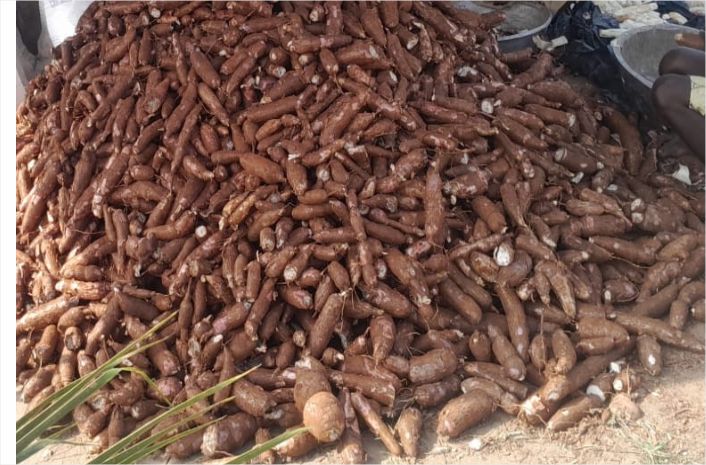
Wondering where cassava comes from? You’re in the right place. Here are the top producers of cassava root in the world.
Cassava root in the global market is a reality with cassava gaining global attention for its adaptability and diverse uses in food, industry, and biofuels, making it a key player in sustainable agriculture and food security.
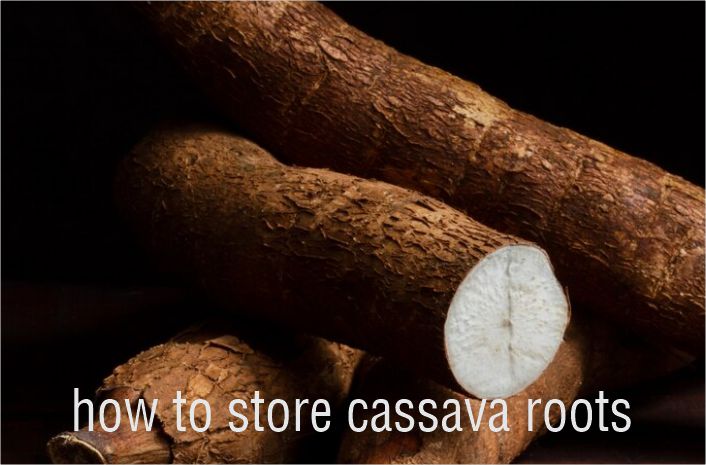
Learn how to store cassava root, both fresh and frozen, to maintain its quality and flavor for longer use.
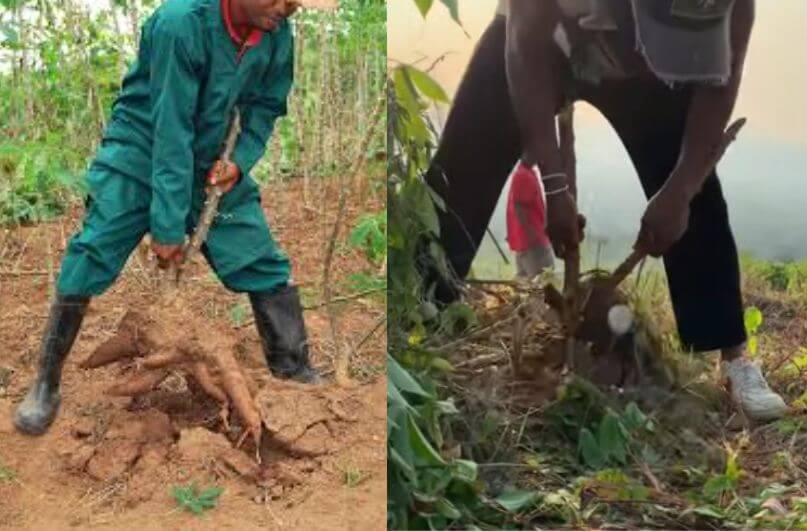
Knowing how to harvest cassava roots and the proper method and tools is an important step in cassava farming, as it maximizes yield and quality.
The cassava root, or yuca root, is a cassava plant tuber native to South America prepared by cooking, frying, or roasting, and is poisonous when eaten unprocessed.