Last updated on August 3rd, 2026 at 06:07 pm
Cassava starch does something measurable in a meat alternative that it does not do in a candy gel, since one application leans on its own specific amylopectin-driven digestibility while the other depends entirely on its clarity and shelf stability instead.
Cassava starch performs a genuinely different job depending on which food category it enters, and manufacturers sourcing it face real, specific challenges getting it there consistently.
This guide skips the general clean-label and gluten-free demand story already covered in our broader guides on the cassava starch market and cassava starch itself.
Instead, it breaks down exactly how cassava starch functions in bakery, meat and dairy alternatives, sauces, and confectionery, backed by real food science research.
You will learn the concrete supply-chain challenges, from seasonal harvest swings to price volatility, that food manufacturers handle when sourcing this ingredient at scale.
Table of Contents
Functional Properties That Matter in Manufacturing
Cassava starch brings specific, measurable properties to food production rather than generic thickening power alone.

- Paste clarity. Produces a clean, glossy finish rather than the cloudy look common with flour-based thickeners, keeping dressings and fillings visually consistent.
- Freeze-thaw stability. Resists syneresis, the separation of liquid that ruins texture in frozen desserts after thawing, per research on tapioca starch blends in ScienceDirect.
- Digestibility. Breaks down readily in the body, supporting formulations aimed at gut-friendly or easy-to-digest positioning.
Functional Performance by Food Category
Bakery and Snacks
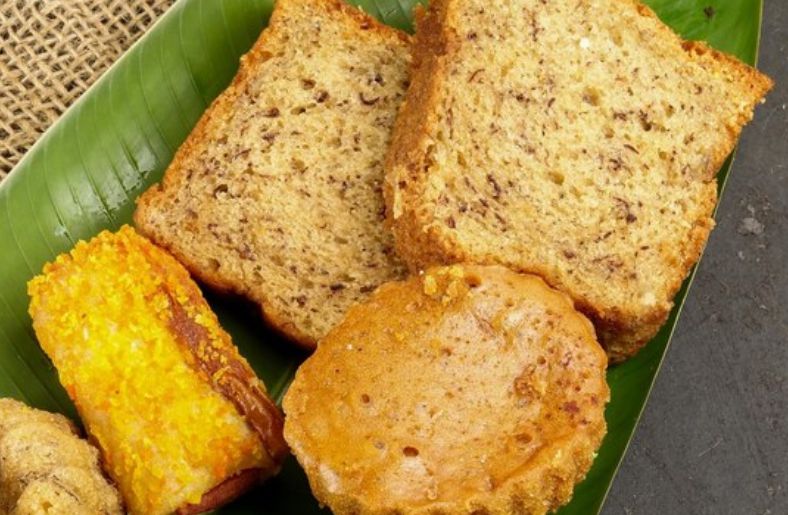
Cassava starch builds structure and retains moisture in gluten-free bread, cakes, and pastries, while supporting crispness in chips and crackers without excessive drying.
Readers wanting a specific product example should read our guide on cassava crackers, or our broader post on cassava in the American gluten-free lifestyle.
Meat and Dairy Alternatives
This category relies on cassava starch’s molecular structure directly, not just its thickening ability.
Research on plant-based meat analogs found that cassava starch’s high amylopectin content and low gelatinization temperature improve early water absorption.
This capacity translates directly into better water and oil retention during processing.
The same study, published in the journal Foods, found that including cassava starch at 12 percent raised in vitro protein digestibility to 83 percent.
That specific improvement was linked directly to amylopectin degradation happening during processing itself.
A broader review in Food Biomacromolecules confirms starches like cassava are widely used as fillers to increase volume and water binding in meat alternative formulations.
Soups, Sauces, and Gravies
Cassava starch thickens without clouding the liquid or separating during storage, a property especially valuable in ready-to-eat products that sit on a shelf for weeks.
Its freeze-thaw stability, covered further in our tapioca versus cornstarch comparison, makes it reliable for frozen soup and sauce lines.
Confectionery and Beverages
In gummy candies, jellies, and select beverages, cassava starch supports texture and shelf stability quietly but consistently.
It keeps chewy candy soft and bouncy over a longer shelf life than many alternative thickeners manage.
This performance rides on a naturally gluten-free property that adds further appeal for allergen-conscious formulations.
Supply Chain and Sourcing Challenges
- Seasonal harvest swings. Cassava does not grow year-round everywhere, and yields shift noticeably with local weather conditions each season. Thai cassava output fell 6.5 percent in 2024 alone due to below-average rainfall and disease pressure, according to research from Krungsri Research.
- Infrastructure gaps. Unreliable roads, transport, and processing infrastructure in growing regions can delay delivery and disrupt production schedules for manufacturers relying on steady supply.
- Inconsistent quality. Starch texture, moisture, and performance vary meaningfully between producers, since processing standards are not uniform across the industry.
- Price volatility. Prices respond directly to both yield swings and unpredictable seasonal weather patterns. Thai native starch export prices fell from around 512 dollars per tonne in 2024 to roughly 397 dollars per tonne by mid-2025. This specific pricing data comes from the same Krungsri research cited earlier in this guide.
Innovation in Processing
Manufacturers are increasingly turning to modified cassava starches engineered to hold up better under baking, freezing, and reheating than native starch alone.
Readers wanting the technical detail behind this should read our guide on modified cassava starch.
These innovations are opening applications in categories where native starch previously fell short, particularly extended shelf-life products and repeated freeze-thaw cycles.
Conclusion
Cassava starch earns its place in food manufacturing through specific, measurable performance, not just clean-label appeal alone.
It boosts digestibility in meat alternatives, holds clarity in confectionery, and stays stable through freezing in sauces and desserts.
None of that performance matters if sourcing fails, and seasonal harvests, price swings, and inconsistent quality remain real obstacles for manufacturers buying at scale.
Building supplier relationships that account for these swings beats chasing the single lowest price alone.
Frequently Asked Questions
What role does cassava starch play in the food application market?
Cassava starch performs differently depending on the food category, boosting digestibility in meat alternatives, adding clarity to confections, and stabilizing sauces successfully through freezing and reheating cycles consistently.
How does cassava starch improve plant-based meat alternatives?
Research shows cassava starch’s high amylopectin content and water absorption capacity improve texture and moisture retention, with one study actually finding it raised protein digestibility to 83 percent.
What are the biggest supply-chain challenges for cassava starch in food manufacturing?
Seasonal harvest swings, unreliable transport infrastructure, inconsistent quality between producers, and price volatility all still complicate sourcing cassava starch reliably for large-scale food manufacturing operations each year worldwide.
Why does cassava starch price fluctuate so much?
Cassava starch prices shift with harvest yields, seasonal weather disruptions, disease pressure on crops, and currency swings, all of which affect supply before starch ever reaches a factory.

Chimeremeze Emeh is a tropical crop farmer and chemical engineer from Ntigha, Isiala Ngwa North LGA, Abia State, Eastern Nigeria, specializing in cassava and palm oil, with over 30 years of hands-on experience growing, harvesting, and processing cassava. He grows TMS series, TME 419, and local traditional varieties on his own farms and operates a small-scale cassava flour and starch production business through Cassava Pathway, which he founded as a CAMA-registered agribusiness in 2024. He is also the founder of Palm Oil Pathway, where he applies the same tropical farming expertise. His farms are located in Ntigha, Abia State.