Last updated on August 3rd, 2026 at 05:51 pm
Fermentation is the entire story behind sour cassava starch, since a few days of natural souring turn a starch that cannot really puff at all into one that makes Brazilian cheese bread rise entirely without a single grain of yeast.
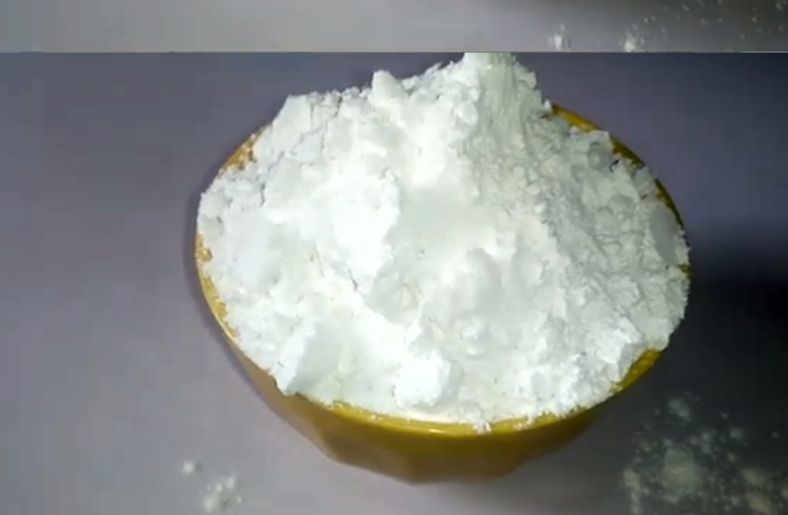
Sour cassava starch, known in Brazil as polvilho azedo, is cassava starch left to ferment for several days before drying, unlike sweet cassava starch, which skips fermentation entirely.
That fermentation step changes everything: the tangy smell, the acidic taste, and most importantly, the dramatic puffing power that plain starch simply does not have.
This guide covers how sour cassava starch is actually made, its real properties backed by food science, its best culinary uses, and exactly how it differs from sweet cassava starch.
You will learn how to store it properly so it keeps performing for years rather than months.
Table of Contents
What Is Sour Cassava Starch?
Sour cassava starch is a fermented starch made from cassava tubers, prized specifically for a property plain starch cannot match.
It puffs in the oven without any chemical or biological leavening agent.
This claim is not marketing spin at all, but genuine, peer-reviewed food science.
A peer-reviewed study on sour starch’s baking behavior, published in Starch/Stärke, found that native, unfermented cassava starch shows no meaningful expansion property.
Fermentation itself is exactly what introduces that expansion into the finished starch.
It remains a staple in Brazilian cooking, most famously as the base of pão de queijo, and works well anywhere gluten-free stretch or crunch matters.
This functional role is documented in a broader review of cassava starch’s technological properties.
How Sour Cassava Starch Is Made
Washing. Fresh cassava roots are thoroughly washed to remove dirt before processing begins, the same first step covered in our guide on making cassava starch at home.
Grating. Roots are grated into a moist pulp, a process detailed in our guide on grated cassava, exposing starch cells to the air, moisture, and bacteria fermentation requires.
Fermentation. The pulp sits in containers for three to seven days, sometimes up to two weeks in traditional production, a timeline covered further in our guide to the fermentation method of making cassava flour, while natural microbes break down the starch structure. Researchers studying polvilho azedo, writing in ResearchGate, found this process generates lactic, butyric, and propionic acids, lowering pH in a way that directly enables the starch’s later puffing power.
Separation and washing. The fermented solids are separated from the liquid and rinsed to remove unwanted residues while keeping the fermented starch intact.
Drying. The washed starch is sun-dried or dehydrated into a stable powder ready for storage and cooking. A wider review of sour starch production, published in ScienceDirect, confirmed that fermentation followed by sun-drying measurably increases expansion.
That same combination reduces the hardness of the finished baked product compared with untreated starch.
This is the science behind why the traditional process, not a shortcut version, produces the best results.
Properties of Sour Cassava Starch
- Fermented aroma and tangy taste. A mildly sour flavor and distinct fermented smell set it apart from neutral, unfermented starch.
- High expansion capacity. Its signature property, driven by acid production and starch depolymerization during fermentation.
- Elastic, chewy texture. Cooked products come out stretchy and chewy, a direct result of structural changes fermentation causes.
- Good water absorption. Holds water well, supporting consistent dough texture and reliable baking performance across different batches.
- Naturally gluten-free. Suitable for people avoiding gluten or grains, since it comes entirely from cassava root.
Sour vs. Sweet Cassava Starch
| Feature | Sour Cassava Starch | Sweet Cassava Starch |
|---|---|---|
| Fermentation | 3 to 7 days, sometimes longer | None |
| Flavor | Tangy, slightly acidic | Neutral, mild |
| Baking behavior | Puffs dramatically without yeast | Thickens, does not puff |
| Texture when baked | Chewy, stretchy | Soft, smooth |
| Best known use | Classic pão de queijo, crisp snacks | General thickening, mild baking |
Fermentation is the only real difference between the two, not the cassava variety used.
Readers wanting the full picture on the unfermented version should read our guide on sweet cassava starch.
Uses of Sour Cassava Starch
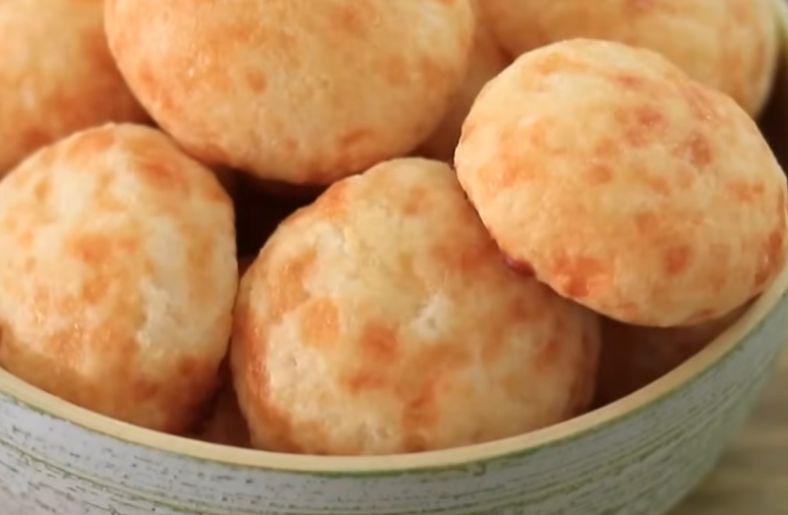
- Brazilian cheese bread. Gives pão de queijo its chewy, airy texture without gluten or yeast; a full recipe is covered in our pão de queijo guide.
- Gluten-free baking. Mimics elasticity and supports rise in cakes, cookies, and breads for gluten-free and grain-free diets.
- Crisp, puffed snacks. Delivers lightness and crunch in chips and crackers that stay crisp after cooling.
- Binders and fillers. Acts as a natural binder in processed foods, improving stretch in dough and texture in sauces.
- Industrial applications. Its moisture control and smooth texture suit adhesives, paper coatings, and biodegradable packaging, applications covered further in our guide on modified cassava starch. Readers considering alternatives to fermented starch entirely should also read our cassava starch substitute guide.
Storage and Shelf Life
Store sour cassava starch in a cool, dry place away from sunlight and moisture, ideally in an airtight container once opened.
Properly stored, it can last up to three years, notably longer than the one to two years typical of unfermented cassava starch.
Before using it, check for a pale color and mild smell; a harsh sour odor, dampness, or clumping signals it should be discarded.
Conclusion
Sour cassava starch does one thing plain starch cannot: puff in the oven without a trace of yeast, thanks to days of natural fermentation.
That process gives it a tangy flavor, chewy texture, and a shelf life that outlasts sweet cassava starch by years, not months.
Reach for it when a recipe needs stretch, rise, or crunch, especially pão de queijo or gluten-free snacks.
Reach for sweet cassava starch when a neutral thickener fits the job better.
Frequently Asked Questions
What makes sour cassava starch different from sweet cassava starch?
Sour cassava starch is fermented for several days, giving it a tangy taste and dramatic puffing ability that sweet, unfermented cassava starch simply does not have at all.
Can I use sour cassava starch in gluten-free baking?
Yes, sour cassava starch is naturally gluten-free and helps baked goods achieve real structure and stretch, making it a reliable choice for gluten-free and grain-free recipes generally speaking.
How long does sour cassava starch last in storage?
Stored in a cool, dry place inside an airtight container, sour cassava starch can last up to three years, noticeably much longer than unfermented cassava starch typically manages.
What recipes work best with sour cassava starch?
It works best in pão de queijo, gluten-free pancakes, fried snacks, and stretchy doughs, plus sauces and dessert fillings where a bit of tang adds real extra depth.

Chimeremeze Emeh is a tropical crop farmer and chemical engineer from Ntigha, Isiala Ngwa North LGA, Abia State, Eastern Nigeria, specializing in cassava and palm oil, with over 30 years of hands-on experience growing, harvesting, and processing cassava. He grows TMS series, TME 419, and local traditional varieties on his own farms and operates a small-scale cassava flour and starch production business through Cassava Pathway, which he founded as a CAMA-registered agribusiness in 2024. He is also the founder of Palm Oil Pathway, where he applies the same tropical farming expertise. His farms are located in Ntigha, Abia State.