Last updated on August 3rd, 2026 at 06:37 pm
As a kid, I hauled washed cassava roots to a mechanical grater for garri, never imagining that same shredded root would later show up in cassava cake, Bermuda pie, and Jamaican bammy across kitchens I had never even visited before.
We grate cassava to make garri and dozens of other foods, long before that shredded root ever becomes flour or starch.
That extra step matters, since grating actually keeps moisture and flavor that processing later strips away, which is exactly why so many traditional, long-standing dishes start here instead of with a packaged bag.
You will learn how to grate cassava safely, including the soaking time bitter varieties genuinely require, where it shows up in real dishes from cassava pie to chin chin, and how to store or freeze it properly so nothing about this useful root goes to waste.
Table of Contents
What Is Grated Cassava?
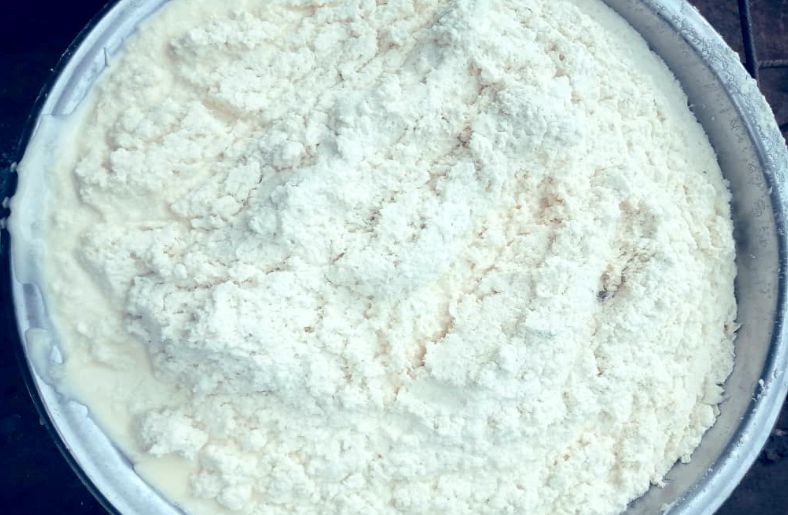
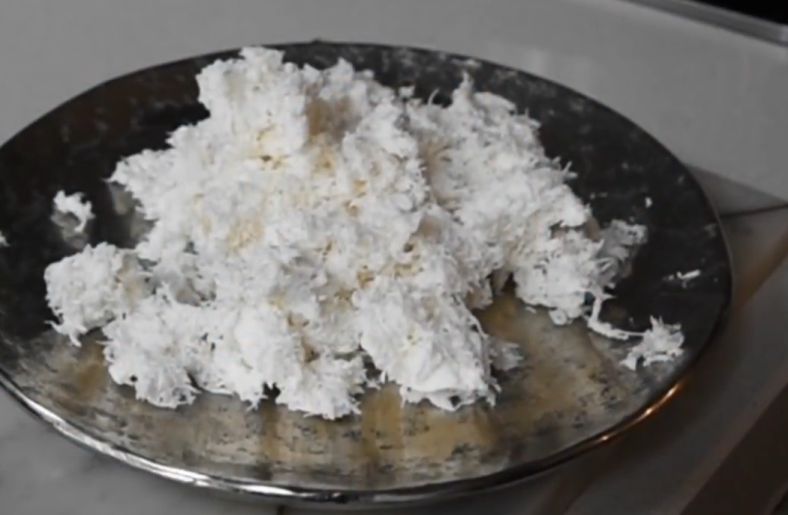
Grated cassava is the raw, shredded root, peeled and grated into a fine or coarse texture without any starch removed.
It holds more moisture and a slightly fibrous bite compared with cassava flour or tapioca starch, both of which lose texture and flavor during processing.
High in starch and carbohydrate, it works as a filling base in dishes across Africa, Southeast Asia, and the Caribbean.
Readers wanting the distinction between cassava’s bitter and sweet varieties should read our guide on bitter versus sweet cassava.
Why Grate Cassava Instead of Using Flour or Starch?
- Flavor. Grating preserves the root’s earthy taste that processing strips away, adding real depth to savory dishes without extra spices.
- Texture. Keeps a soft but slightly coarse bite that flour and starch cannot replicate, giving fritters and pies real structure.
- Moisture. Holds natural dampness from the root, keeping cakes tender without needing extra fat or liquid in the recipe.
How to Make Grated Cassava
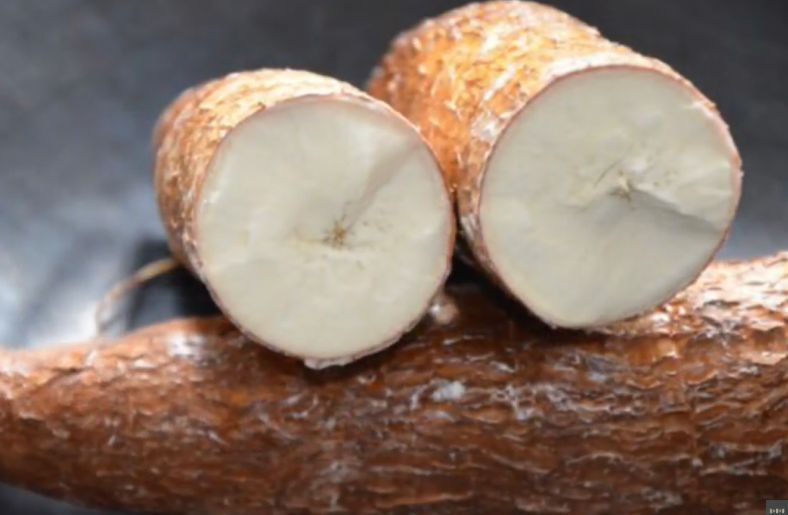
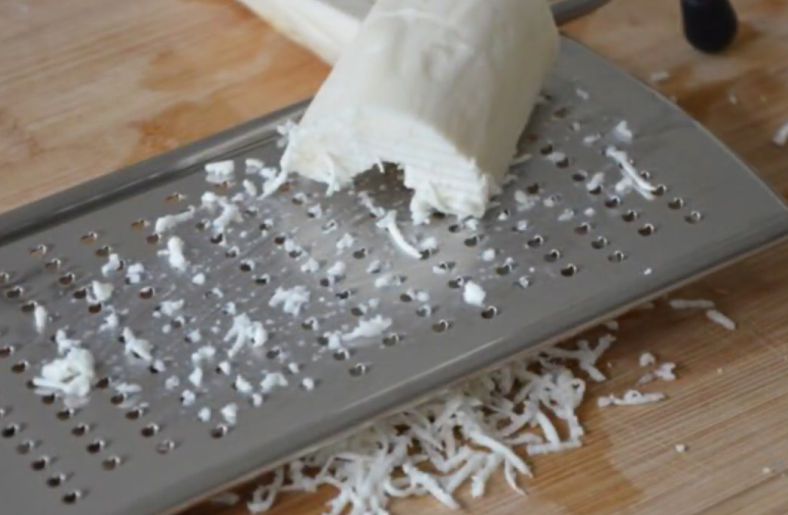
Wash thoroughly. Scrub roots under running water to remove dirt, using a brush or knife on stubborn spots.
Peel and cut. Remove the skin down to the white flesh, then cut into manageable chunks. Our full guide on peeling cassava root covers this step in complete detail.
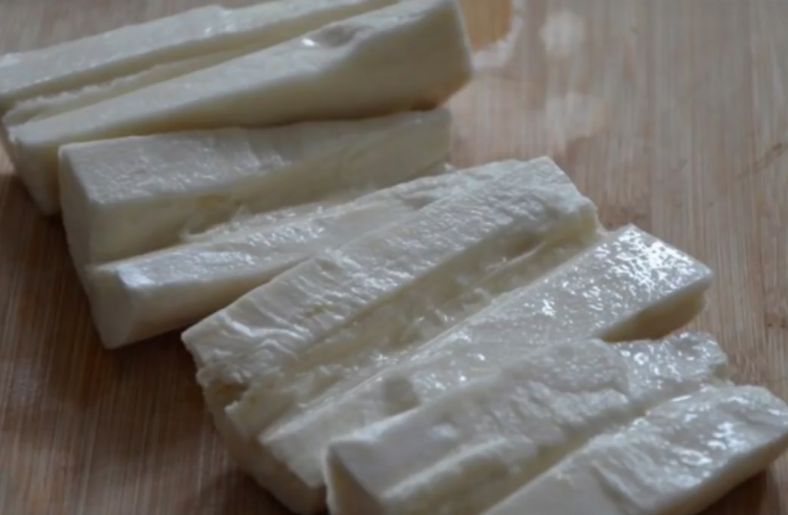
Grate. Use a hand grater or food processor until the texture is moist but not watery, with no large clumps remaining.
Soak if using bitter cassava. This step matters more than most recipes admit.
Getting the Soaking Time Right
If you are unsure if your cassava is a bitter or sweet variety, treat it as bitter and soak accordingly.
A short four-hour soak is genuinely not nearly enough time to matter much.
Research on cassava cyanide reduction found that a 24-hour soak followed by sun-drying achieved a 74 to 90 percent reduction, per ScienceDirect.
Shorter soaks left considerably more cyanide behind in every single case tested.
Separate research on fermenting grated cassava tubers found that five to six days of fermentation achieved an 81.3 percent reduction in cyanide content.
This specific finding comes from a detailed fermentation study archived on HAL.
Detoxification research published by the Food and Agriculture Organization confirms that combining multiple methods, including grating, soaking, and fermenting, consistently outperforms relying on any single step.
A peer-reviewed review of cassava safety research published by Gavin Publishers reaches the same conclusion.
For the complete, verified process, read our dedicated guide on removing cyanide from cassava root before working with bitter varieties.
Where Grated Cassava Shows Up
Grated cassava forms the base of dishes across several culinary traditions rather than one single cuisine.
- Cassava pie. A baked dish combining grated cassava with coconut, eggs, and sugar, covered fully in our cassava pie guide and our Bermuda cassava pie recipe.
- Cassava cake. A Filipino favorite built on grated cassava and coconut milk, detailed in our cassava cake recipes and Filipino cassava pie recipe.
- Bammy. A Jamaican flatbread pressed from soaked, grated cassava, fried or steamed until crisp outside and soft within.
- Chin chin. A West African fried snack that gains extra crunch and shelf life when grated cassava joins the dough.
- Pancakes and gluten-free baking. Grated cassava binds batters without wheat, adding moisture where flour alone falls short.
Readers wanting the full range of cassava dishes across cuisines should read our cassava recipes guide.
Frozen Grated Cassava
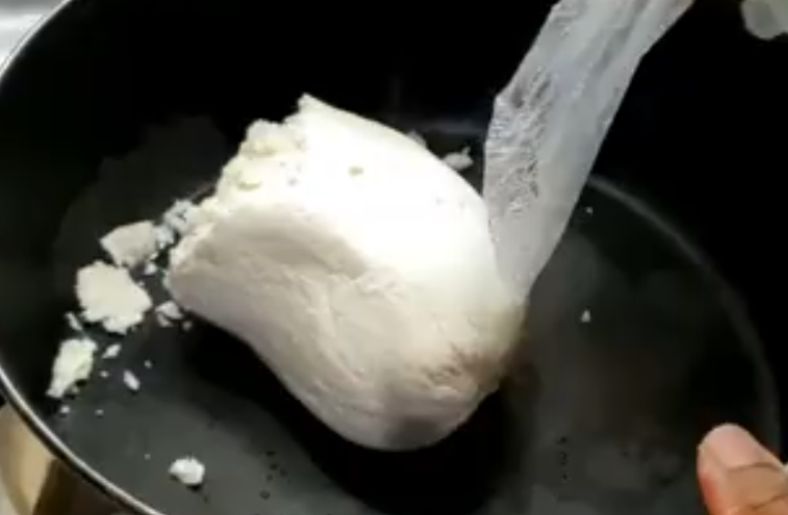
Frozen grated cassava is raw cassava that has been peeled, shredded, blanched briefly, and frozen to lock in freshness before it can spoil.
Buying it frozen skips the peeling and grating work entirely, making it a practical swap when fresh preparation is not realistic on a given day.
It thaws quickly and keeps its moisture, working in nearly any recipe that calls for the fresh version, provided you press out excess water first.
Storage Tips
- Refrigerate for short-term use. Store in an airtight container for up to three days, and discard if it smells sour or turns slimy.
- Freeze for long-term storage. Spread on a tray until firm, then transfer to freezer-safe bags for up to six months.
- Watch for spoilage. Sour smell, discoloration, or sliminess means it should be discarded rather than risked.
- Label everything. Note the date on every container, since flavor and texture decline well before the outer freezer limit.
Conclusion
Grated cassava gives you something flour and starch cannot: real moisture, real texture, and the root’s natural flavor intact.
Make it fresh when you want full control, or keep frozen grated cassava on hand for quick weeknight cooking.
Soak bitter varieties properly, since a quick rinse will not remove enough cyanide to make it safe.
Store it correctly for long-term freshness, and it will genuinely hold up in everything from cassava pie to chin chin.
Frequently Asked Questions
Can I grate cassava without a food processor?
Yes, a hand grater or box grater works fine, as long as the cassava is peeled, firm, and properly cut into manageable chunks before you start grating it.
How long should I soak grated bitter cassava to make it safe?
Soak grated bitter cassava for at least 24 hours, extending to two or three days when possible, since a quick four-hour soak removes a small fraction of cyanide.
Is frozen grated cassava already cooked?
No, frozen grated cassava is raw but usually blanched briefly to preserve freshness, so it still needs full cooking before eating to ensure both flavor and food safety.
Can I mix grated cassava with other flours?
Yes, mixing grated cassava with rice, almond, or coconut flour adds structure and helps bind gluten-free recipes like pancakes, patties, or fritters without losing much moisture or flavor.

Chimeremeze Emeh is a tropical crop farmer and chemical engineer from Ntigha, Isiala Ngwa North LGA, Abia State, Eastern Nigeria, specializing in cassava and palm oil, with over 30 years of hands-on experience growing, harvesting, and processing cassava. He grows TMS series, TME 419, and local traditional varieties on his own farms and operates a small-scale cassava flour and starch production business through Cassava Pathway, which he founded as a CAMA-registered agribusiness in 2024. He is also the founder of Palm Oil Pathway, where he applies the same tropical farming expertise. His farms are located in Ntigha, Abia State.